
 EN
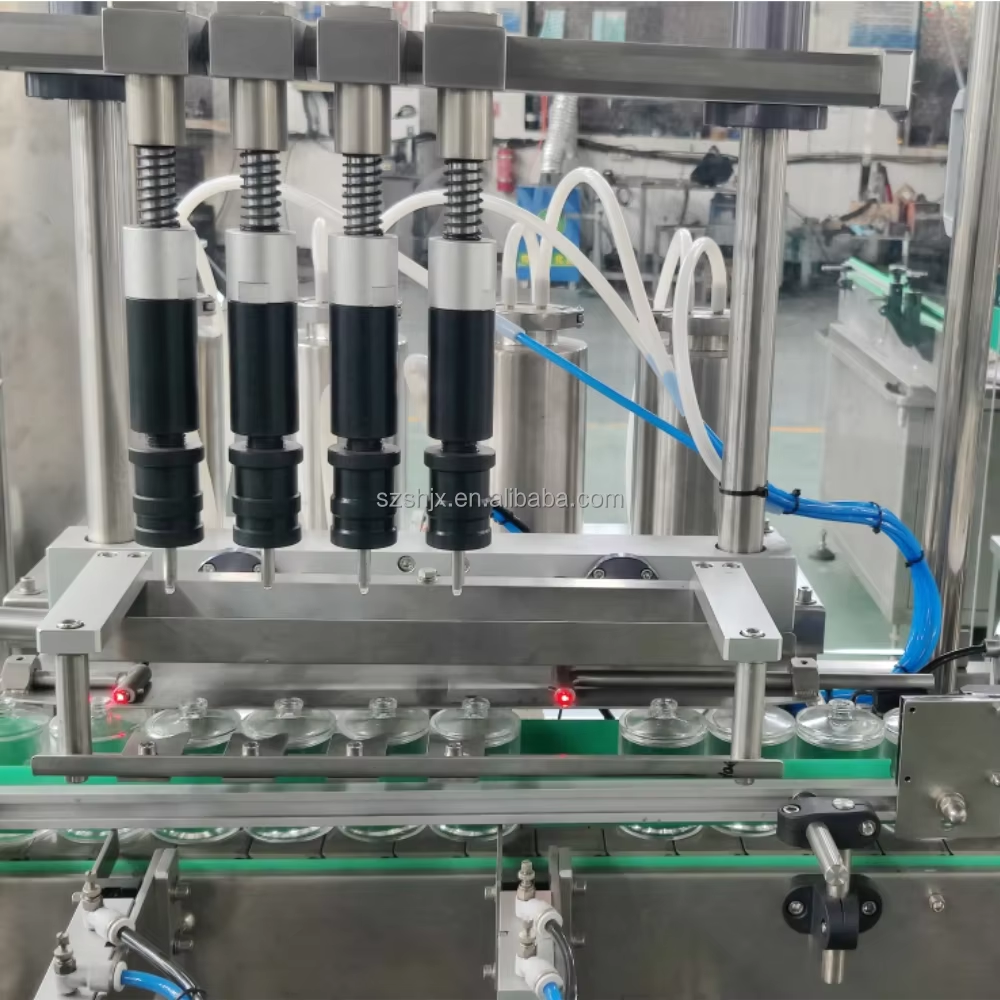
Seam defects represent one of the most persistent quality challenges in beverage and food packaging operations. When a tin can filling and sealing machine fails to create a consistently sound seam, the consequences ripple across the entire production line: product leakage, contamination risk, regulatory non-compliance, and costly recalls. Understanding how to reduce seam defect rates directly impacts both operational efficiency and brand reputation. Modern tin can filling and sealing machine technology offers advanced solutions, yet many facilities still struggle with inconsistent seam quality. The root causes often involve machine calibration, material variables, speed mismatches, and inadequate preventive maintenance protocols.

The tin can filling and sealing machine has evolved significantly over the past decade, incorporating precision sensing, real-time diagnostics, and automated adjustment capabilities. However, achieving seam defect rates below industry benchmarks demands more than equipment alone. It requires a holistic approach combining proper machine selection, operator training, environmental control, and systematic quality monitoring. This article explores the practical strategies that production managers and engineers use to eliminate seam defects and maintain the highest sealing integrity standards.
Understanding Seam Defect Root Causes
Machine Setup and Calibration Issues
A tin can filling and sealing machine operates through precise mechanical and thermal coordination. When the roller head applies pressure to form the seam, even minor misalignment creates weak points susceptible to leakage. The tin can filling and sealing machine must maintain exact distance, angle, and force across every container. Inadequate initial setup or drift during production directly correlates with higher defect rates. Many facilities experience seam failures because the tin can filling and sealing machine was never properly validated after installation or maintenance interventions. Calibration drift occurs gradually; operators often don't notice problems until defects accumulate and quality control catches them.
Material Inconsistency and Variability
The tin can filling and sealing machine interacts with two critical material inputs: the container itself and the lid compound. Variation in can flange height, lid thickness, or sealant composition creates inconsistent seam conditions. When a tin can filling and sealing machine encounters a container that deviates from specification, the machine's fixed parameters may no longer be optimal. This is particularly problematic in facilities receiving supplies from multiple vendors or where inventory control lacks rigor. The tin can filling and sealing machine cannot adapt to material deviations automatically on older equipment, leading to predictable defect patterns correlated with supplier lots or production batches.
Optimizing Tin Can Sealing Performance
Real-Time Quality Monitoring Integration
Modern tin can filling and sealing machine systems incorporate vision inspection and pressure sensors that detect seam anomalies within seconds of formation. The tin can filling and sealing machine can now reject defective units immediately, preventing scrap from reaching packaging or shipping stages. Real-time feedback loops allow operators to stop the tin can filling and sealing machine before hundreds of bad units accumulate. Integration with production management software enables trend analysis, identifying patterns in seam defect occurrence tied to specific material lots, shift schedules, or maintenance intervals. This data-driven approach transforms the tin can filling and sealing machine from a reactive tool into a predictive quality asset.
Preventive Maintenance and Component Standardization
The tin can filling and sealing machine's mechanical components—roller heads, guides, and pressure systems—require systematic inspection and replacement schedules. Wear on critical surfaces reduces sealing precision; a tin can filling and sealing machine with worn rollers cannot achieve consistent pressure distribution. Facilities that implement strict maintenance protocols see dramatic reductions in seam defects. Parts standardization matters too; using original or certified components ensures that the tin can filling and sealing machine maintains its designed performance envelope. Many operators unknowingly introduce defects by installing off-specification parts or delaying maintenance beyond manufacturer recommendations.
Practical Implementation and Speed Optimization
Production Speed and Dwell Time Management
Running a tin can filling and sealing machine at maximum speed increases throughput but may sacrifice seam quality if dwell time—the period the roller maintains pressure on the seam—becomes insufficient. The tin can filling and sealing machine must hold pressure long enough for the metal to flow and bond properly. Facilities often discover that reducing line speed by just 5–10 percent yields dramatic improvements in seam integrity while still meeting overall production targets. The tin can filling and sealing machine operator must balance speed gains against quality requirements, using historical defect data to identify the optimal operational envelope.
Environmental and Thermal Consistency
Seam formation is temperature-sensitive; tin can filling and sealing machine performance degrades when facility temperature swings dramatically. The tin can filling and sealing machine's thermal components, including resistance heating elements, perform best in climate-controlled environments. Facilities maintaining production areas between 18–24 degrees Celsius with stable humidity typically see lower seam defect rates than operations without environmental controls. Additionally, ensuring that cans and lids reach the tin can filling and sealing machine at consistent temperatures—not ice-cold from storage—promotes uniform seam formation. This foundational control eliminates one major source of variability.
FAQ
What specific machine features reduce seam defects most effectively?
The most impactful features on a modern tin can filling and sealing machine include dual-pressure systems that adjust force automatically, vision-based inspection feedback, servo-controlled roller positioning, and predictive maintenance alerts. The tin can filling and sealing machine equipped with these capabilities can detect and correct seam issues in real time, before defects accumulate. Advanced models also include recipe memory functions, allowing the tin can filling and sealing machine to store optimized parameters for different can sizes and lid types.
How often should a tin can filling and sealing machine be recalibrated?
Industry best practice recommends recalibrating your tin can filling and sealing machine at minimum monthly, and more frequently if production volumes are high or material suppliers change. The tin can filling and sealing machine should also be recalibrated immediately after any mechanical service or when defect rates exceed acceptable thresholds. Calibration drift is gradual but cumulative; waiting longer between validations increases the risk that the tin can filling and sealing machine operates outside specification without operators noticing.
Can older tin can filling and sealing machines achieve modern defect rate standards?
Older tin can filling and sealing machine models can meet reasonable quality standards through rigorous maintenance, operator training, and strict process control, but they lack the real-time diagnostics and automated corrections of newer equipment. Upgrading to a tin can filling and sealing machine with advanced sensing and adaptive control significantly reduces defect rates and requires less operator intervention. Facilities with legacy equipment should prioritize preventive maintenance and consider equipment modernization as part of long-term quality strategy.