
 EN
EN
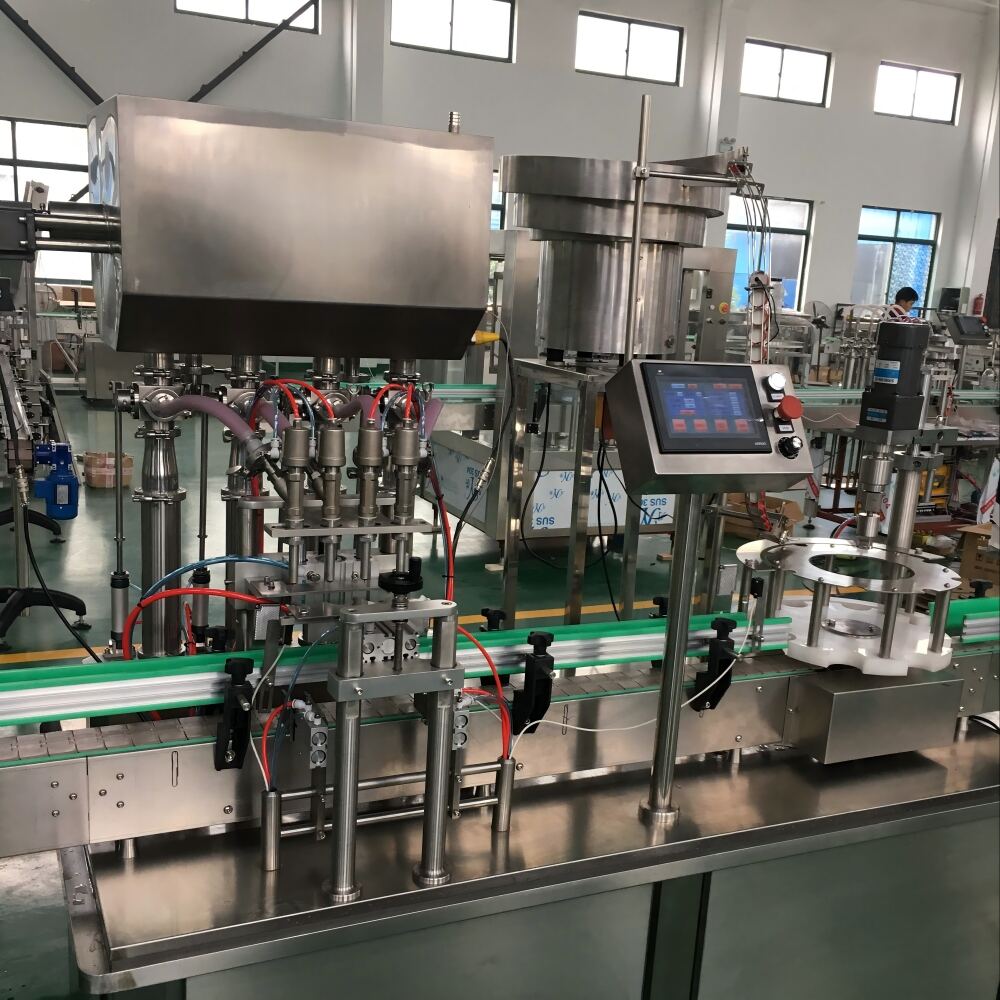
Modern manufacturing facilities across food and cosmetic industries increasingly rely on advanced packaging solutions to maintain product quality while maximizing operational efficiency. The selection of appropriate filling equipment directly impacts production costs, product consistency, and regulatory compliance. Among various filling technologies available today, piston pump filling systems have emerged as the preferred choice for manufacturers handling viscous liquids, oils, creams, and other specialty products. These sophisticated machines combine precision engineering with versatile functionality, enabling companies to achieve consistent fill volumes while accommodating diverse product formulations and container types.
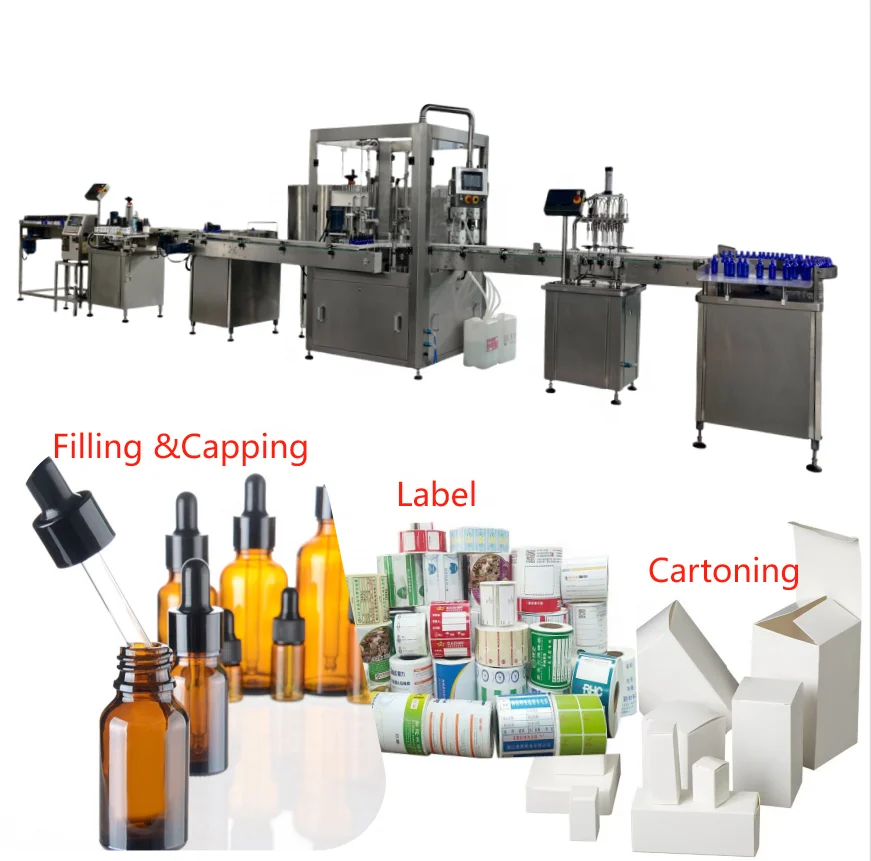
Understanding Piston Pump Technology in Industrial Filling Applications
Mechanical Principles Behind Piston Pump Operations
The fundamental operation of a piston pump filling machine centers on positive displacement mechanics, where a precisely calibrated piston moves within a cylinder to draw and dispense exact volumes of product. During the intake stroke, the piston creates vacuum pressure that draws product from the supply reservoir through an inlet valve, while the discharge stroke forces the measured volume through an outlet valve into the target container. This mechanical action ensures consistent volumetric accuracy regardless of product viscosity variations or environmental temperature changes that might affect other filling technologies.
Advanced piston pump filling systems incorporate servo-driven mechanisms that enable operators to adjust fill volumes electronically without mechanical modifications. The precision engineering of these components allows for fill accuracy within ±0.5% tolerance levels, making them ideal for high-value products where material waste directly impacts profitability. Modern systems also feature quick-change cylinder assemblies that accommodate different volume requirements, from small cosmetic samples to larger food service containers.
Material Construction and Sanitary Design Features
Professional-grade piston pump filling equipment utilizes food-grade stainless steel construction throughout all product-contact surfaces, ensuring compliance with FDA, CE, and other international safety standards. The sanitary design incorporates smooth surface finishes, minimal dead spaces, and accessible cleaning ports that facilitate thorough washdown procedures between production runs. Specialized seal materials resist chemical degradation from acidic cosmetic formulations, essential oils, and other aggressive substances commonly encountered in these industries.
The modular construction approach allows manufacturers to customize their piston pump filling machine configurations based on specific production requirements. Interchangeable components include various cylinder sizes, nozzle designs, and valve assemblies that accommodate different product characteristics without requiring complete equipment replacement. This flexibility proves particularly valuable for contract manufacturers serving multiple clients with diverse product portfolios.
Advantages for Food Industry Applications
Handling Viscous Food Products with Precision
Food manufacturers processing thick sauces, honey, syrups, and similar viscous products benefit significantly from piston pump filling technology's ability to handle high-viscosity materials without compromising accuracy. Unlike gravity-fed or pressure-based systems that struggle with thick consistency products, piston pumps maintain consistent fill weights regardless of product flow characteristics. This capability proves essential for manufacturers of specialty condiments, artisanal honey products, and gourmet sauces where consistent portion control directly affects product presentation and customer satisfaction.
The gentle handling characteristics of piston pump systems preserve product integrity for shear-sensitive formulations containing suspended particles, herbs, or other delicate ingredients. The controlled dispensing action prevents ingredient separation or texture degradation that can occur with high-speed centrifugal filling methods. Food processors specializing in organic or premium products particularly value this gentle handling capability for maintaining product quality throughout the packaging process.
Regulatory Compliance and Traceability Features
Modern piston pump filling systems integrate seamlessly with manufacturing execution systems to provide complete batch traceability and documentation required by food safety regulations. Built-in data logging capabilities record fill volumes, production timestamps, and operational parameters for each container processed, creating comprehensive audit trails that support HACCP compliance and regulatory inspections. These digital records prove invaluable during quality investigations or product recalls where detailed production documentation becomes essential.
Automated cleaning-in-place systems incorporated into advanced piston pump filling machines ensure consistent sanitation between product changeovers, reducing cross-contamination risks while minimizing downtime. Programmable cleaning cycles use precise chemical dosing and temperature control to achieve validated sanitation levels, with documentation automatically generated for regulatory compliance purposes. This automation reduces labor requirements while ensuring consistent cleaning effectiveness across all production shifts.
Cosmetic Industry Benefits and Applications
Precision Filling for High-Value Cosmetic Products
Cosmetic manufacturers investing in piston pump filling machine technology achieve significant cost savings through precise volume control, particularly important when processing expensive ingredients like essential oils, serums, and concentrated actives. The ability to maintain fill accuracy within tight tolerances prevents product giveaway while ensuring compliance with labeling regulations regarding net contents. This precision becomes increasingly critical as cosmetic formulations incorporate higher concentrations of active ingredients where even small volume variations can affect product efficacy.
The versatility of piston pump systems accommodates the wide range of viscosities encountered in cosmetic manufacturing, from thin toners and essences to thick creams and lotions. Operators can process multiple product types on the same equipment by adjusting pump settings and changing cylinder configurations, maximizing equipment utilization while maintaining the flexibility required for diverse product lines. This adaptability proves particularly valuable for emerging brands that need to scale production across multiple product categories without significant capital investment.
Container Compatibility and Presentation Quality
Advanced piston pump filling machines accommodate diverse container formats commonly used in cosmetic packaging, from small glass vials and bottles to larger pump dispensers and airless containers. The precise filling action ensures consistent headspace and prevents overflow that could damage product labels or compromise package appearance. Specialized nozzle designs minimize dripping and maintain clean fill presentation, crucial factors for premium cosmetic products where package aesthetics directly influence consumer purchasing decisions.
The controlled dispensing speed of piston pump systems prevents foam generation in surfactant-containing products while maintaining gentle handling for emulsions and suspensions. This careful product treatment preserves the visual appeal and stability of cosmetic formulations, particularly important for products containing visible ingredients like botanical extracts, glitter, or encapsulated actives. The consistent fill presentation achieved with piston pump technology enhances brand image and customer satisfaction.
Technical Considerations for Equipment Selection
Production Capacity and Throughput Requirements
Determining appropriate piston pump filling machine specifications requires careful analysis of current and projected production volumes, container sizes, and product changeover frequency. Single-head systems typically process 10-30 containers per minute depending on fill volume and product characteristics, while multi-head configurations can achieve significantly higher throughput rates. Manufacturers should evaluate their production requirements across multiple shifts to ensure adequate capacity while maintaining operational flexibility for peak demand periods.
The scalability of piston pump technology allows manufacturers to start with basic configurations and expand capacity through additional filling heads or parallel line installations as business growth demands. This modular approach reduces initial capital investment while providing a clear upgrade path that protects equipment investment over time. Contract manufacturers particularly benefit from this scalability when serving clients with varying production volumes and seasonal demand fluctuations.
Integration with Existing Production Lines
Successful piston pump filling machine implementation requires careful consideration of upstream and downstream equipment compatibility, conveyor systems, and control integration requirements. Modern filling systems utilize industry-standard communication protocols that facilitate integration with existing line controllers, allowing centralized monitoring and coordination with capping, labeling, and packaging equipment. This integration capability ensures smooth material flow while providing operators with comprehensive production visibility.
The footprint optimization of contemporary piston pump systems accommodates existing facility layouts while providing adequate access for maintenance and cleaning operations. Manufacturers should evaluate their facility constraints, utility requirements, and future expansion plans when selecting equipment configurations. Proper planning during the initial installation phase prevents costly modifications and ensures optimal equipment performance throughout its operational lifecycle.
Maintenance and Operational Considerations
Preventive Maintenance Programs for Optimal Performance
Implementing comprehensive preventive maintenance schedules ensures consistent piston pump filling machine performance while minimizing unexpected downtime that can disrupt production schedules. Regular maintenance tasks include seal replacement, valve inspection, calibration verification, and lubrication of mechanical components according to manufacturer specifications. Proper maintenance documentation supports warranty compliance while providing valuable data for optimizing maintenance intervals based on actual operating conditions.
Advanced diagnostic systems integrated into modern piston pump equipment provide real-time monitoring of critical parameters including fill accuracy, cycle times, and mechanical wear indicators. These predictive maintenance capabilities enable maintenance teams to address potential issues before they impact production quality or equipment availability. The investment in condition monitoring technology typically pays for itself through reduced maintenance costs and improved operational reliability.
Operator Training and Safety Protocols
Effective operator training programs ensure safe and efficient piston pump filling machine operation while maximizing equipment productivity and product quality. Training modules should cover standard operating procedures, troubleshooting techniques, changeover processes, and emergency shutdown protocols. Regular refresher training helps maintain operator competency and ensures consistent adherence to safety and quality standards across all production shifts.
Safety features incorporated into modern piston pump systems include emergency stops, safety interlocks, and protective guarding that prevent operator injury while maintaining production efficiency. Proper safety protocol implementation requires clear documentation of lockout/tagout procedures, personal protective equipment requirements, and hazard communication for chemical handling. These comprehensive safety measures protect personnel while supporting regulatory compliance and insurance requirements.
FAQ
What viscosity range can piston pump filling machines handle effectively
Piston pump filling systems effectively process products ranging from thin liquids at 1 centipoise to thick pastes exceeding 50,000 centipoise, making them suitable for everything from essential oils and toners to heavy creams and food sauces. The key advantage lies in their positive displacement design, which maintains consistent accuracy regardless of product viscosity variations. Different cylinder sizes and pump configurations optimize performance for specific viscosity ranges, ensuring reliable operation across diverse product formulations.
How does fill accuracy compare between piston pumps and other filling technologies
Piston pump filling machines typically achieve fill accuracy within ±0.5% tolerance levels, significantly outperforming gravity-fed systems that may vary by ±2-3% depending on product characteristics and environmental conditions. This superior accuracy stems from the positive displacement mechanism that delivers precise volumetric measurements independent of product density or flow properties. The enhanced accuracy proves particularly valuable for high-value products where material costs make precision filling economically essential.
What are the typical maintenance requirements for piston pump filling equipment
Regular maintenance for piston pump filling machines includes daily cleaning and sanitization, weekly seal inspection, monthly calibration verification, and quarterly comprehensive service including valve replacement and mechanical component lubrication. Most manufacturers recommend annual professional service to ensure optimal performance and warranty compliance. Proper maintenance scheduling typically results in 95% or higher equipment availability while extending operational life beyond 15 years with appropriate care.
Can one piston pump filling machine handle multiple product types
Modern piston pump filling systems accommodate multiple product types through quick-change components including interchangeable cylinders, nozzles, and valve assemblies designed for different viscosity ranges and container requirements. Changeover procedures typically require 15-30 minutes depending on the complexity of product differences and cleaning requirements. This versatility makes piston pump technology ideal for contract manufacturers or companies with diverse product portfolios requiring flexible filling solutions.
Table of Contents
- Understanding Piston Pump Technology in Industrial Filling Applications
- Advantages for Food Industry Applications
- Cosmetic Industry Benefits and Applications
- Technical Considerations for Equipment Selection
- Maintenance and Operational Considerations
-
FAQ
- What viscosity range can piston pump filling machines handle effectively
- How does fill accuracy compare between piston pumps and other filling technologies
- What are the typical maintenance requirements for piston pump filling equipment
- Can one piston pump filling machine handle multiple product types