 EN
EN
Modern Solutions for Safe Sauce Production and Packaging
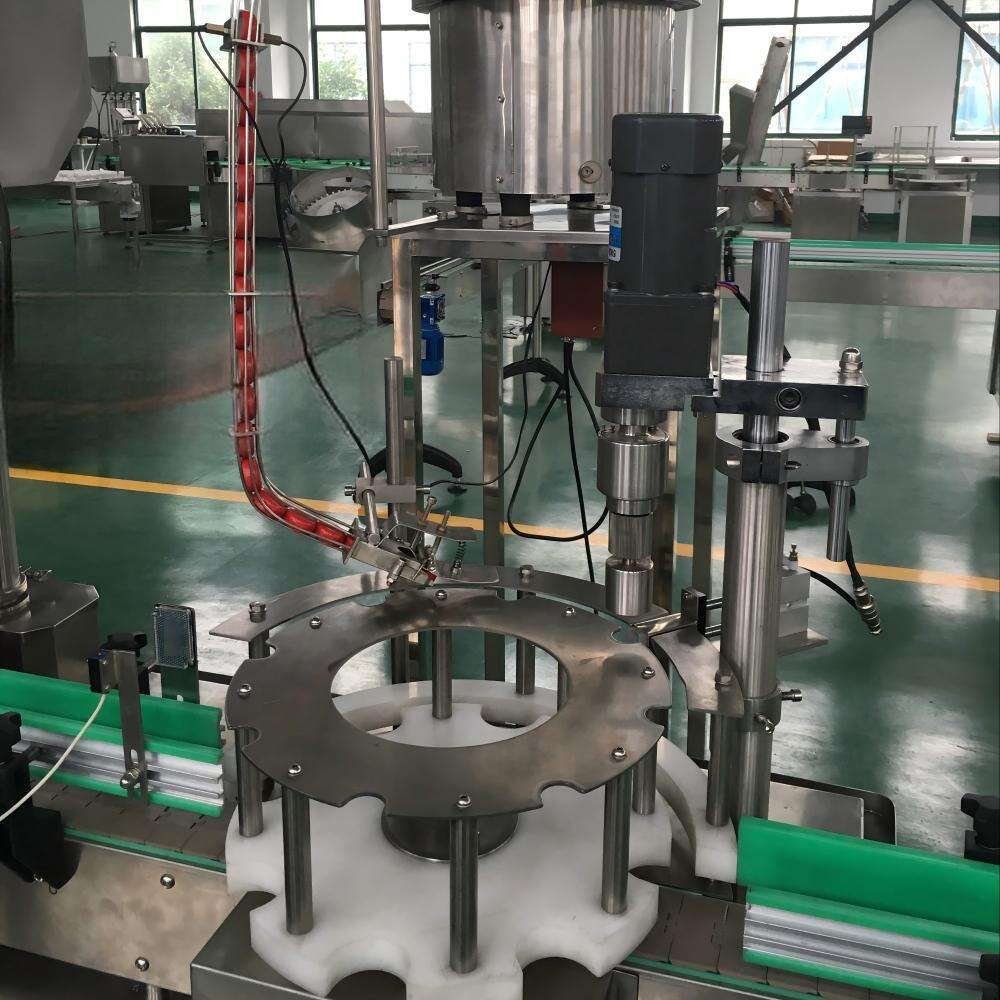
The evolution of food manufacturing has brought unprecedented advances in safety and efficiency, with the automatic sauce filling line standing at the forefront of this technological revolution. These sophisticated systems represent a crucial investment for sauce manufacturers seeking to maintain the highest standards of food safety while optimizing their production processes. As consumer demands for quality and safety continue to rise, understanding how these automated systems protect food integrity becomes increasingly important.
In today's competitive food manufacturing landscape, automatic sauce filling lines have become indispensable tools for ensuring consistent quality and uncompromised safety. These advanced systems integrate multiple safety mechanisms and quality control measures throughout the entire filling process, from initial product handling to final packaging.
Core Components of Safety-Focused Filling Systems
Advanced Cleaning and Sanitization Features
At the heart of any automatic sauce filling line lies its cleaning and sanitization capabilities. Modern systems incorporate Clean-in-Place (CIP) technology, enabling thorough cleaning of all product-contact surfaces without disassembly. This automated cleaning process uses precise combinations of water, cleaning agents, and sanitizers at specific temperatures and flow rates to eliminate potential contaminants.
The CIP system maintains detailed electronic records of each cleaning cycle, ensuring compliance with food safety regulations and providing documentation for audits. Additionally, many automatic sauce filling lines feature steam sterilization capabilities for critical components, offering an extra layer of microbiological safety.
Contamination Prevention Mechanisms
Modern automatic sauce filling lines employ multiple barriers against contamination. These include HEPA-filtered air systems that maintain positive pressure in filling areas, preventing the entry of airborne contaminants. Sealed filling chambers and automated cap placement systems minimize human contact with the product, significantly reducing contamination risks.
The systems also incorporate specialized materials and design features, such as sanitary stainless steel construction and smooth, crevice-free surfaces that prevent bacterial growth. Advanced sensors monitor environmental conditions, ensuring optimal temperature and humidity levels throughout the production process.
Quality Control and Monitoring Systems
Real-time Product Inspection Technology
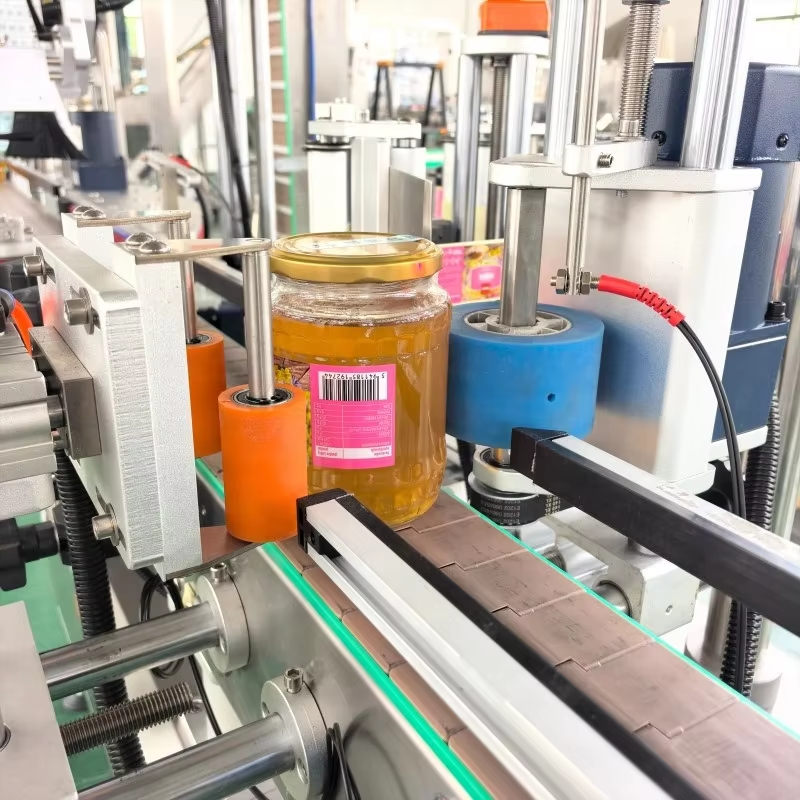
The automatic sauce filling line integrates sophisticated inspection systems that monitor product quality in real-time. Vision systems verify proper fill levels, detect foreign particles, and ensure correct label placement. X-ray inspection units can identify potential contaminants within the product, while metal detectors provide additional safety screening.
Advanced weight checking systems ensure precise filling accuracy, maintaining consistent product quantities while minimizing waste. These automated inspection processes generate comprehensive data reports, enabling manufacturers to track and analyze quality metrics over time.
Temperature and Pressure Management
Maintaining proper temperature throughout the filling process is crucial for food safety. Automatic sauce filling lines feature integrated temperature monitoring systems that continuously track product temperature from receiving through packaging. Automated controls adjust processing parameters in real-time to maintain optimal conditions.
Pressure management systems ensure proper product flow and prevent contamination through backflow or cross-contamination. These systems maintain precise pressure differentials between various zones of the filling line, creating effective barriers against potential contamination sources.
Traceability and Documentation Features
Digital Record Keeping Systems
Modern automatic sauce filling lines incorporate comprehensive digital documentation systems. These platforms record every aspect of the production process, from ingredient batch numbers to processing parameters and cleaning cycles. This digital trail enables rapid response to potential safety issues and simplifies regulatory compliance.
Advanced tracking systems use unique identifiers for each production batch, allowing manufacturers to trace products throughout the supply chain. This capability proves invaluable during quality investigations or potential recalls, enabling precise identification of affected products.
Compliance Management Tools
Integrated compliance management features help manufacturers maintain adherence to various food safety standards and regulations. The automatic sauce filling line's control systems include pre-programmed parameters that align with HACCP requirements and other food safety protocols.
Regular system updates ensure continued compliance with evolving regulations, while automated reporting tools simplify audit preparation and documentation. These features help manufacturers maintain their certifications and demonstrate their commitment to food safety.
Emergency Response and Safety Protocols
Automated Fault Detection
The automatic sauce filling line includes sophisticated fault detection systems that immediately identify potential safety issues. These systems monitor critical parameters such as temperature, pressure, and fill levels, automatically stopping production when deviations occur.
Advanced diagnostic capabilities help operators quickly identify and resolve issues, minimizing downtime while ensuring product safety. The system maintains detailed logs of all fault events, enabling analysis and prevention of future occurrences.
Rapid Response Mechanisms
When safety concerns arise, automatic sauce filling lines feature rapid response mechanisms that protect both products and personnel. Emergency stop systems halt production instantly when necessary, while automated product diversion systems prevent potentially compromised products from reaching packaging.
Integration with plant-wide safety systems ensures coordinated responses to emergencies, while automated alerts notify relevant personnel of critical situations. These features minimize the impact of safety incidents and protect brand reputation.
Frequently Asked Questions
How does an automatic sauce filling line maintain product consistency?
The system uses precision flow controls, advanced sensors, and automated adjustment mechanisms to ensure consistent product volume, temperature, and quality throughout the filling process. Regular calibration and monitoring maintain this consistency over time.
What cleaning protocols are typically implemented for sauce filling lines?
Automatic sauce filling lines utilize CIP systems with programmed cleaning cycles, including pre-rinse, chemical cleaning, post-rinse, and sanitization stages. The process is validated through automated monitoring and documentation systems.
How often should quality control checks be performed on the filling line?
Quality control checks should be performed at the start of each production run, at regular intervals during production, and after any significant system changes or maintenance. Many systems include automated continuous monitoring with scheduled verification checks.
What certifications should an automatic sauce filling line meet?
The equipment should comply with FDA requirements, FSMA regulations, and relevant ISO standards. Additionally, it should meet specific industry certifications such as 3-A Sanitary Standards and EHEDG guidelines for food processing equipment.