
 EN
EN
Modern Automation Solutions in Liquid Manufacturing
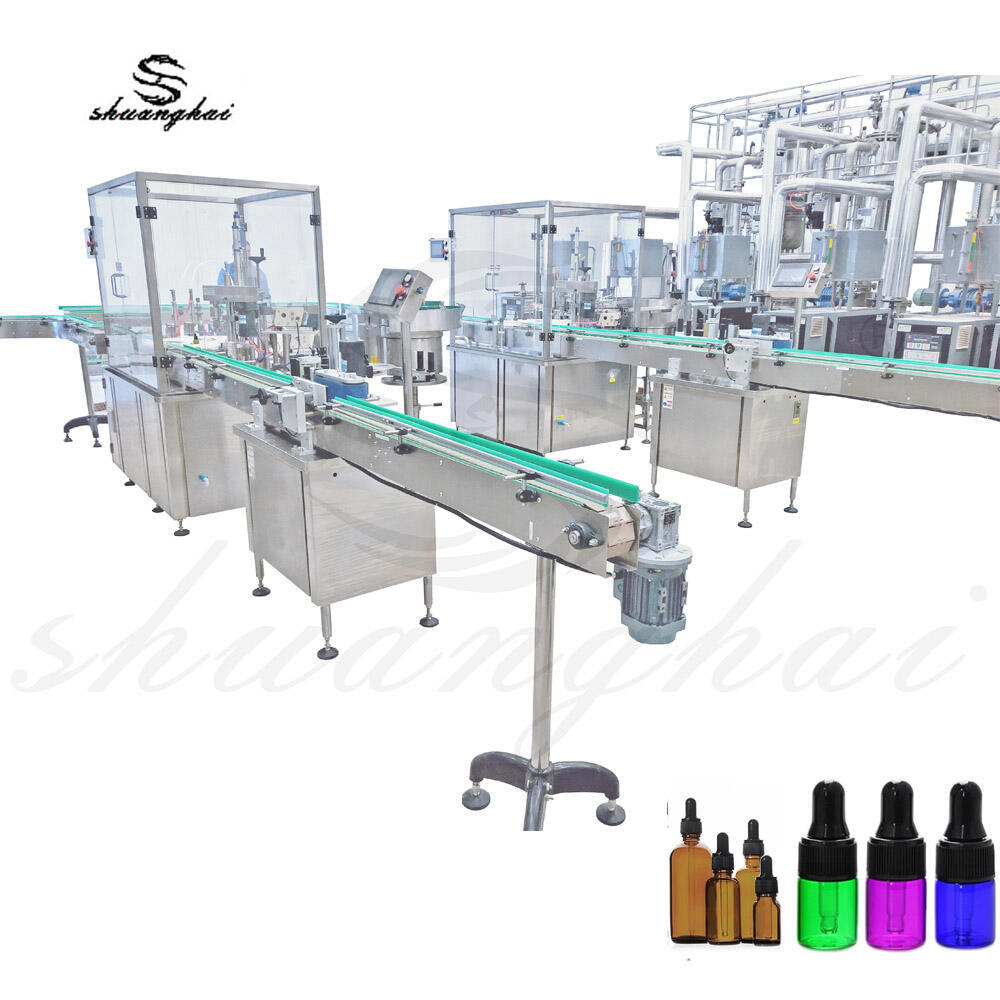
The landscape of e-liquid and CBD oil production has undergone a dramatic transformation with the integration of advanced filling lines. These sophisticated systems represent a quantum leap from traditional manual filling methods, offering unprecedented levels of efficiency and precision. As manufacturers face increasing demand for these products, the implementation of automated filling lines has become not just an advantage, but a necessity for staying competitive in the market.
Modern filling lines incorporate state-of-the-art technology that ensures consistent product quality while significantly reducing production time. These systems can handle multiple container sizes, adjust filling volumes automatically, and maintain strict quality control throughout the entire process. The impact on production capacity is remarkable, with some facilities reporting up to 500% increase in output after implementing automated filling lines.
Core Components of Advanced Filling Systems
Precision Filling Mechanisms
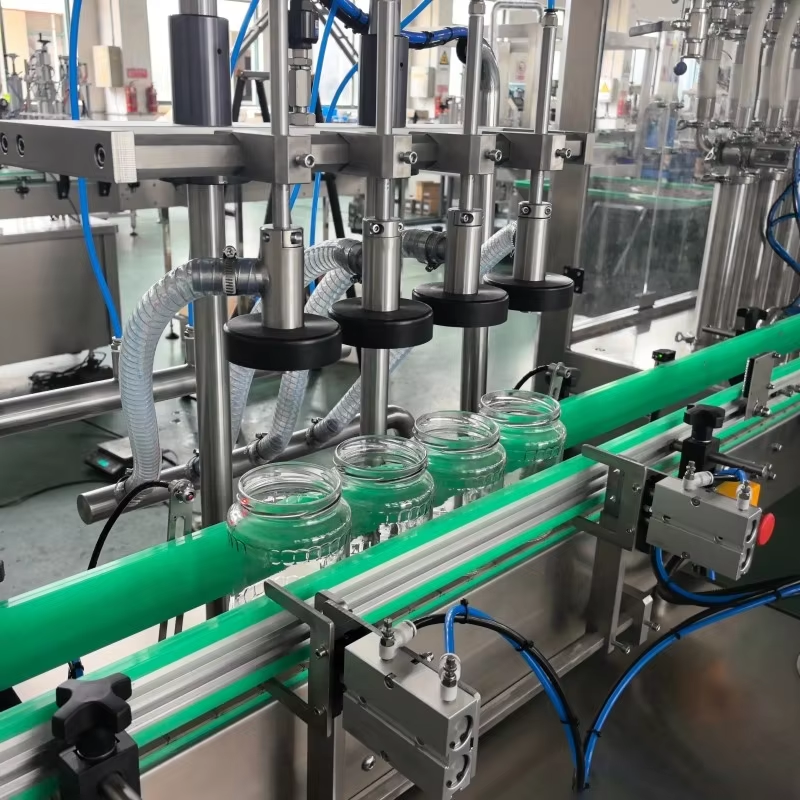
At the heart of modern filling lines lies sophisticated filling mechanisms designed specifically for viscous liquids like e-liquids and CBD oils. These systems utilize advanced volumetric or gravimetric filling technology, ensuring exact measurements down to the milliliter. The precision control systems maintain consistent fill levels across thousands of units, minimizing waste and maximizing resource utilization.
The latest filling lines feature smart sensors that continuously monitor fill levels and adjust parameters in real-time. This level of precision not only ensures product consistency but also helps maintain compliance with strict regulatory requirements governing e-liquid and CBD oil production.
Automated Conveyor Systems
The efficiency of filling lines heavily depends on their conveyor systems, which orchestrate the smooth movement of containers through various stages of production. Modern conveyor systems incorporate smart routing technology that optimizes product flow and minimizes bottlenecks. These systems can automatically adjust speeds based on production demands and synchronize with other components of the filling line.
Advanced filling lines now feature modular conveyor designs that allow for quick changeovers between different container sizes and shapes. This flexibility enables manufacturers to run multiple product lines without extensive downtime for system reconfiguration.
Quality Control and Safety Features
Integrated Inspection Systems
Modern filling lines incorporate sophisticated quality control mechanisms that ensure every container meets stringent standards. High-speed cameras and sensors continuously monitor fill levels, cap placement, and label alignment. These systems can automatically reject defective products without interrupting the production flow, maintaining both quality and efficiency.
The integration of artificial intelligence in inspection systems has further enhanced quality control capabilities. Machine learning algorithms can detect subtle defects that might escape traditional inspection methods, ensuring consistent product quality across entire production runs.
Contamination Prevention
Advanced filling lines feature comprehensive contamination prevention systems that maintain product purity throughout the filling process. Clean-room compatible designs, HEPA filtration systems, and UV sterilization capabilities ensure that products meet strict safety standards. These systems are particularly crucial for CBD oil production, where product purity directly impacts therapeutic efficacy.
Modern filling lines also incorporate automated cleaning and sanitization systems that minimize downtime between production runs while ensuring optimal hygiene standards are maintained. This automation reduces the risk of human error in cleaning procedures and ensures consistent sanitation quality.
Production Efficiency Optimization
Smart Production Analytics
Contemporary filling lines are equipped with advanced analytics systems that provide real-time insights into production metrics. These systems monitor key performance indicators such as throughput rates, downtime, and resource utilization. Manufacturers can use this data to identify bottlenecks, optimize production schedules, and improve overall operational efficiency.
The integration of Industrial Internet of Things (IIoT) technology enables predictive maintenance capabilities, helping prevent unexpected downtimes and extending equipment life. These smart systems can predict potential issues before they cause production interruptions, allowing for scheduled maintenance during planned downtime.
Resource Management Features
Modern filling lines incorporate sophisticated resource management features that minimize waste and optimize material usage. Advanced fluid handling systems ensure precise control over product dispensing, while smart inventory management systems track raw material usage and automatically trigger reorder points.
These systems also optimize energy consumption by automatically adjusting power usage based on production demands. The result is not only cost savings but also a more environmentally sustainable production process.
Frequently Asked Questions
What is the typical return on investment for automated filling lines?
The ROI for automated filling lines typically ranges from 12 to 24 months, depending on production volume and efficiency gains. Factors affecting ROI include reduced labor costs, increased production capacity, improved quality control, and decreased product waste.
How do filling lines ensure accurate CBD dosing?
Modern filling lines use precise volumetric or gravimetric filling systems combined with advanced calibration technology to ensure accurate CBD dosing. These systems are regularly calibrated and validated to maintain accuracy within strict tolerance levels, typically within ±0.5% of target volume.
What maintenance requirements do automated filling lines have?
Automated filling lines require regular preventive maintenance, including daily cleaning procedures, weekly calibration checks, and quarterly comprehensive inspections. However, modern systems feature predictive maintenance capabilities that significantly reduce unexpected downtime and extend equipment lifespan.