 EN
EN
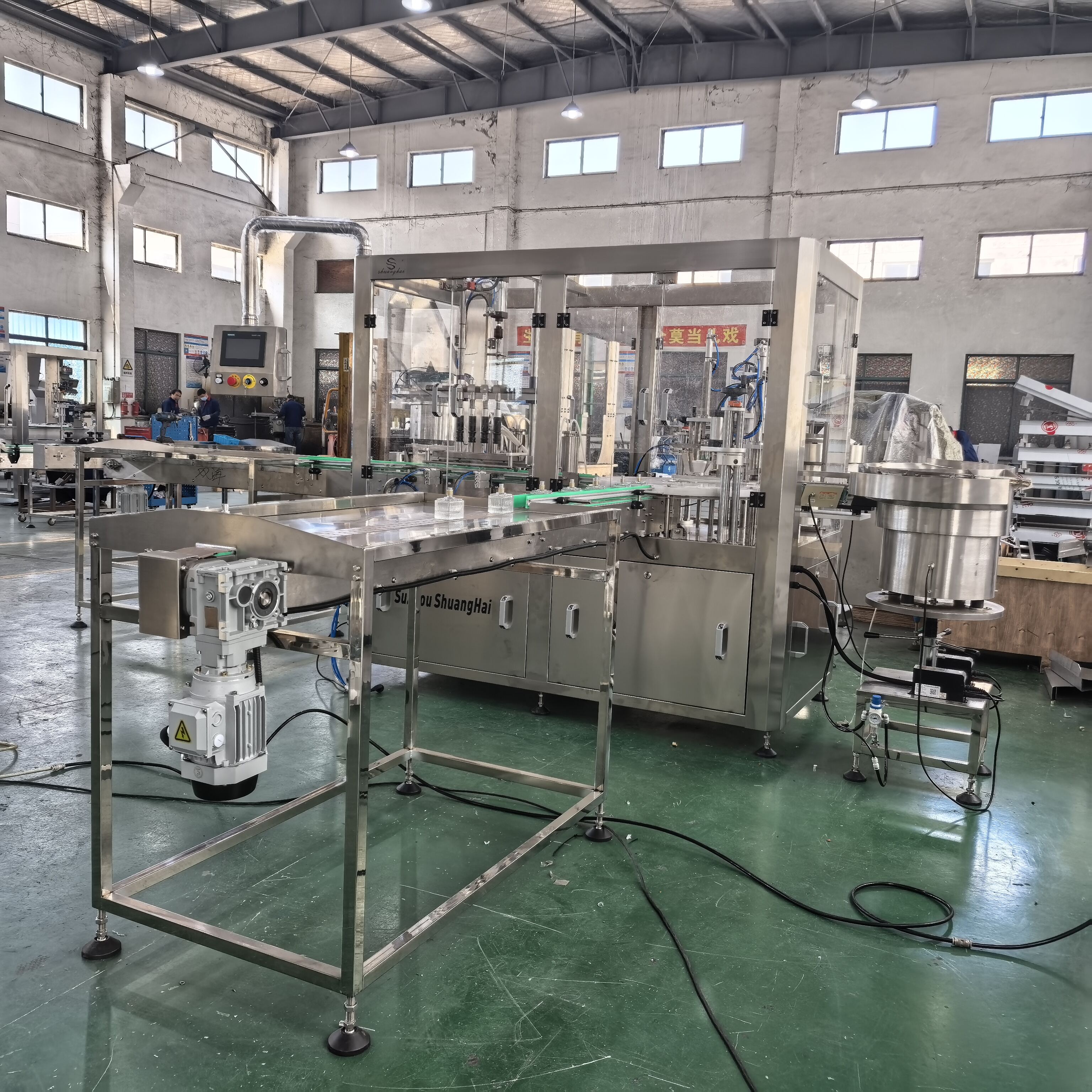
Optimizing workflow efficiency in liquid product manufacturing requires strategic integration of advanced automation equipment. An automatic liquid filling machine serves as the cornerstone of streamlined production processes, transforming manual bottlenecks into seamless operations that enhance both speed and accuracy. Understanding how to properly implement and optimize these systems can dramatically improve your production capacity while reducing labor costs and minimizing product waste.
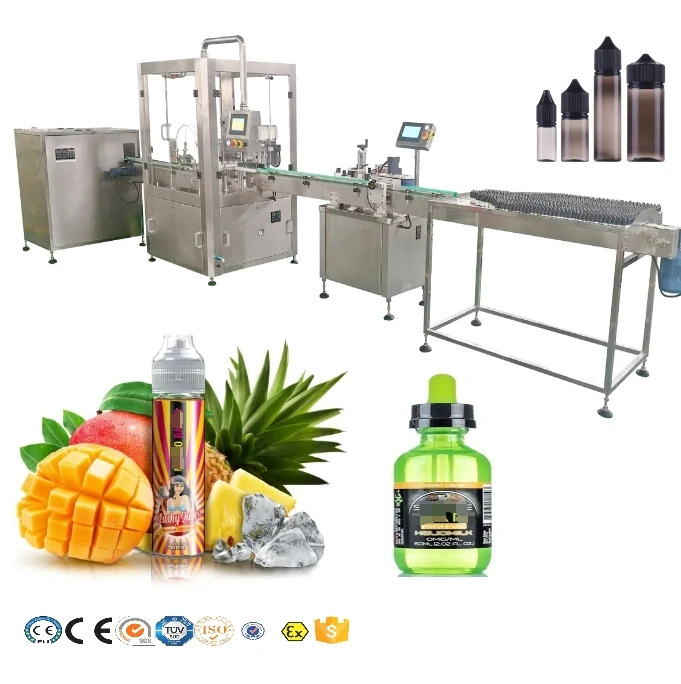
The key to maximizing workflow optimization lies in selecting the right liquid filling machine configuration and implementing proper operational protocols. Modern automatic systems offer sophisticated control mechanisms that allow manufacturers to achieve consistent fill volumes, reduce contamination risks, and maintain high throughput rates. By establishing clear optimization strategies, businesses can transform their liquid packaging operations into highly efficient production environments that meet demanding market requirements.
Understanding Liquid Filling Machine Workflow Integration
Production Line Positioning and Layout Design
Proper positioning of your liquid filling machine within the production workflow determines overall efficiency gains. The equipment should be strategically placed to minimize material handling distances and create smooth product flow from preparation stages through final packaging. Optimal layout design considers both upstream processes like product preparation and downstream operations such as capping and labeling.
When integrating a liquid filling machine into existing workflows, manufacturers must evaluate current bottlenecks and processing constraints. The machine's placement should eliminate manual transfer points while ensuring adequate space for maintenance access and quality control checkpoints. Consider the physical dimensions of containers, product viscosity requirements, and cleaning protocols when determining the optimal installation position.
Workflow integration also requires careful consideration of utility connections including compressed air, electrical power, and cleaning systems. Modern liquid filling machine systems often incorporate advanced control interfaces that can communicate with upstream and downstream equipment, enabling synchronized operation across the entire production line.
Synchronization with Supporting Equipment
Achieving optimal workflow requires seamless synchronization between the liquid filling machine and supporting equipment components. Container handling systems must deliver empty bottles or containers at precisely the right timing to match the filling cycle speed. This synchronization prevents accumulation delays and ensures consistent production flow throughout operating periods.
Capping and sealing equipment downstream from the liquid filling machine must operate at compatible speeds to prevent production bottlenecks. Modern systems incorporate buffer conveyors and accumulation tables that help manage timing variations between different equipment components. These features allow for minor speed adjustments without disrupting overall production rhythm.
Quality control integration represents another crucial synchronization element. In-line inspection systems, weight checkers, and rejection mechanisms must coordinate with the liquid filling machine operations to identify and remove defective products without interrupting continuous production flow. This coordination ensures that quality standards are maintained while preserving operational efficiency.
Configuring Optimal Operating Parameters
Fill Volume Precision and Consistency Settings
Precise fill volume control stands as the foundation of workflow optimization with any liquid filling machine. Modern systems offer programmable volume settings that can be adjusted for different product formulations and container sizes. Establishing accurate baseline parameters requires systematic calibration using representative products under actual operating conditions.
Consistency in fill volumes directly impacts downstream processes including capping torque requirements and label positioning accuracy. When the liquid filling machine delivers uniform fill levels, subsequent operations can be optimized for peak efficiency without accommodation for volume variations. This consistency reduces waste, minimizes rework, and improves overall production predictability.
Advanced liquid filling machine systems incorporate feedback mechanisms that continuously monitor fill accuracy and make real-time adjustments. These systems can detect viscosity changes, temperature variations, and pressure fluctuations that might affect fill precision. Implementing proper monitoring protocols ensures that volume consistency is maintained throughout extended production runs.
Speed and Timing Optimization Strategies
Operating speed optimization requires balancing maximum throughput capabilities with fill accuracy requirements. Each liquid filling machine has an optimal speed range where accuracy and efficiency intersect to deliver peak performance. Testing different speed settings with actual products helps identify the sweet spot for specific applications and formulations.
Timing adjustments become critical when handling products with varying viscosity characteristics. Thicker liquids require longer dwell times during the filling cycle, while thin liquids can be processed at higher speeds. The liquid filling machine control system should accommodate these variations through programmable timing parameters that can be quickly adjusted for different product runs.
Changeover efficiency between different products represents another key timing consideration. Optimized workflows minimize cleaning and setup time between runs, allowing the liquid filling machine to spend maximum time in productive operation. Implementing quick-change components and standardized cleaning protocols reduces non-productive time and improves overall equipment effectiveness.
Implementing Preventive Maintenance Protocols
Scheduled Maintenance Planning and Execution
Preventive maintenance scheduling directly impacts workflow optimization by minimizing unexpected downtime and maintaining consistent performance levels. A well-designed maintenance program for your liquid filling machine should include daily inspections, weekly component checks, and comprehensive monthly evaluations. This systematic approach identifies potential issues before they cause production interruptions.
Daily maintenance tasks typically include cleaning procedures, visual inspections of seals and connections, and verification of key operating parameters. These routine checks ensure that the liquid filling machine maintains optimal performance throughout each production shift. Documenting daily observations helps identify gradual performance changes that might indicate developing maintenance needs.
Weekly and monthly maintenance activities focus on more comprehensive system evaluations including calibration checks, wear component inspections, and lubrication schedules. These deeper maintenance procedures help extend equipment life while ensuring that the liquid filling machine continues to deliver precise, reliable performance over extended operational periods.
Performance Monitoring and Diagnostic Systems
Modern liquid filling machine systems incorporate sophisticated monitoring capabilities that track key performance indicators in real-time. These systems monitor fill accuracy, cycle times, rejection rates, and equipment health parameters to provide comprehensive operational visibility. Implementing proper monitoring protocols enables proactive maintenance decisions that prevent workflow disruptions.
Diagnostic data collection helps identify patterns and trends that indicate potential maintenance requirements. By analyzing historical performance data from the liquid filling machine, maintenance teams can predict optimal timing for component replacements and major service interventions. This predictive approach minimizes unplanned downtime while optimizing maintenance resource allocation.
Alert systems integrated with liquid filling machine monitoring provide immediate notification of performance deviations or potential problems. These early warning capabilities allow operators to make adjustments before minor issues develop into significant problems that could disrupt workflow optimization efforts. Proper response protocols ensure that alerts are addressed quickly and effectively.
Training and Operator Optimization
Comprehensive Operator Training Programs
Effective workflow optimization with a liquid filling machine depends heavily on operator competency and understanding of system capabilities. Comprehensive training programs should cover basic operation procedures, troubleshooting techniques, and performance optimization strategies. Well-trained operators can maximize equipment effectiveness while minimizing errors that disrupt production flow.
Training curriculum should include hands-on experience with actual product changeovers, cleaning procedures, and routine maintenance tasks. Operators need to understand how their actions impact overall workflow efficiency and quality outcomes. This understanding enables them to make informed decisions that support optimization objectives rather than simply following basic operating procedures.
Ongoing training updates ensure that operators stay current with system improvements and optimization techniques. As liquid filling machine technology continues to advance, operators need exposure to new features and capabilities that can enhance workflow performance. Regular training refreshers help maintain high competency levels throughout the operator team.
Standard Operating Procedure Development
Standardized operating procedures create consistency in liquid filling machine operations across different shifts and operators. Well-documented procedures reduce variability in setup times, changeover efficiency, and quality outcomes. These standards provide a foundation for continuous improvement efforts and help new operators achieve competency more quickly.
Standard procedures should address normal operation protocols, product changeover sequences, cleaning and sanitization requirements, and basic troubleshooting steps. Clear documentation helps operators make consistent decisions that support workflow optimization goals. Regular procedure updates ensure that documented practices reflect current best practices and system capabilities.
Quality control procedures integrated with standard operations help maintain product specifications while supporting efficient workflow management. When operators understand quality requirements and monitoring procedures, they can identify and address issues quickly without disrupting overall production flow. This integration of quality and efficiency objectives maximizes the value delivered by the liquid filling machine system.
Quality Control Integration and Workflow Efficiency
In-Line Quality Monitoring Systems
Integrating quality control directly into the liquid filling machine workflow eliminates separate inspection steps while maintaining rigorous standards. In-line monitoring systems can check fill weights, detect contamination, and verify seal integrity without interrupting production flow. This integration approach maximizes efficiency while ensuring that quality standards are consistently maintained throughout production runs.
Weight checking systems positioned immediately after the liquid filling machine provide real-time feedback on fill accuracy and consistency. These systems can automatically reject under-filled or over-filled containers while providing data for continuous process improvement. Integration with the filling system control allows for automatic adjustments that maintain optimal fill precision.
Vision inspection systems can monitor container positioning, liquid levels, and packaging integrity without slowing production flow. When properly integrated with the liquid filling machine operation, these systems provide comprehensive quality assurance while supporting maximum throughput objectives. Advanced systems can even detect contamination or foreign materials in filled products.
Rejection and Rework Process Optimization
Efficient rejection handling prevents defective products from disrupting downstream workflow while minimizing product waste. Automated rejection systems integrated with the liquid filling machine can remove non-conforming products without manual intervention. This automation reduces labor requirements while ensuring that defective products do not proceed to subsequent packaging operations.
Rework procedures for recoverable products should be designed to minimize impact on primary production flow. When possible, rework operations should utilize separate equipment or off-line processes that do not interfere with continuous liquid filling machine operations. This separation maintains workflow efficiency while allowing for product recovery when economically justified.
Data collection from rejection and rework activities provides valuable insights for continuous improvement efforts. Analyzing rejection patterns helps identify root causes that can be addressed through liquid filling machine adjustments or process modifications. This feedback loop enables ongoing optimization that reduces waste while improving overall workflow efficiency.
FAQ
How long does it take to optimize a liquid filling machine workflow?
Initial workflow optimization typically requires 2-4 weeks of systematic adjustments and fine-tuning. The timeline depends on product complexity, existing infrastructure, and operator experience levels. Most facilities achieve significant efficiency improvements within the first month, with continued optimization occurring over several months as operators gain experience and identify additional improvement opportunities.
What are the most common workflow bottlenecks when using liquid filling machines?
Common bottlenecks include inadequate container supply coordination, inefficient changeover procedures, and mismatched speeds between filling and downstream equipment. Poor maintenance practices can also create bottlenecks through unexpected downtime or reduced operating speeds. Addressing these issues through proper planning and systematic optimization typically resolves most workflow constraints.
Can liquid filling machine workflows be optimized for multiple product types?
Yes, modern liquid filling machine systems can be optimized for multiple product types through programmable settings and quick-change components. Successful multi-product optimization requires careful planning of changeover procedures, appropriate equipment configuration, and comprehensive operator training. Well-designed systems can switch between different products with minimal downtime while maintaining optimal efficiency for each application.
What role does automation play in liquid filling machine workflow optimization?
Automation significantly enhances workflow optimization by reducing manual intervention, improving consistency, and enabling real-time adjustments. Automated systems can coordinate multiple equipment components, monitor quality parameters, and adjust operating conditions without human intervention. This automation reduces variability, increases throughput, and allows operators to focus on higher-value activities that support continuous improvement efforts.
Table of Contents
- Understanding Liquid Filling Machine Workflow Integration
- Configuring Optimal Operating Parameters
- Implementing Preventive Maintenance Protocols
- Training and Operator Optimization
- Quality Control Integration and Workflow Efficiency
-
FAQ
- How long does it take to optimize a liquid filling machine workflow?
- What are the most common workflow bottlenecks when using liquid filling machines?
- Can liquid filling machine workflows be optimized for multiple product types?
- What role does automation play in liquid filling machine workflow optimization?