
 EN
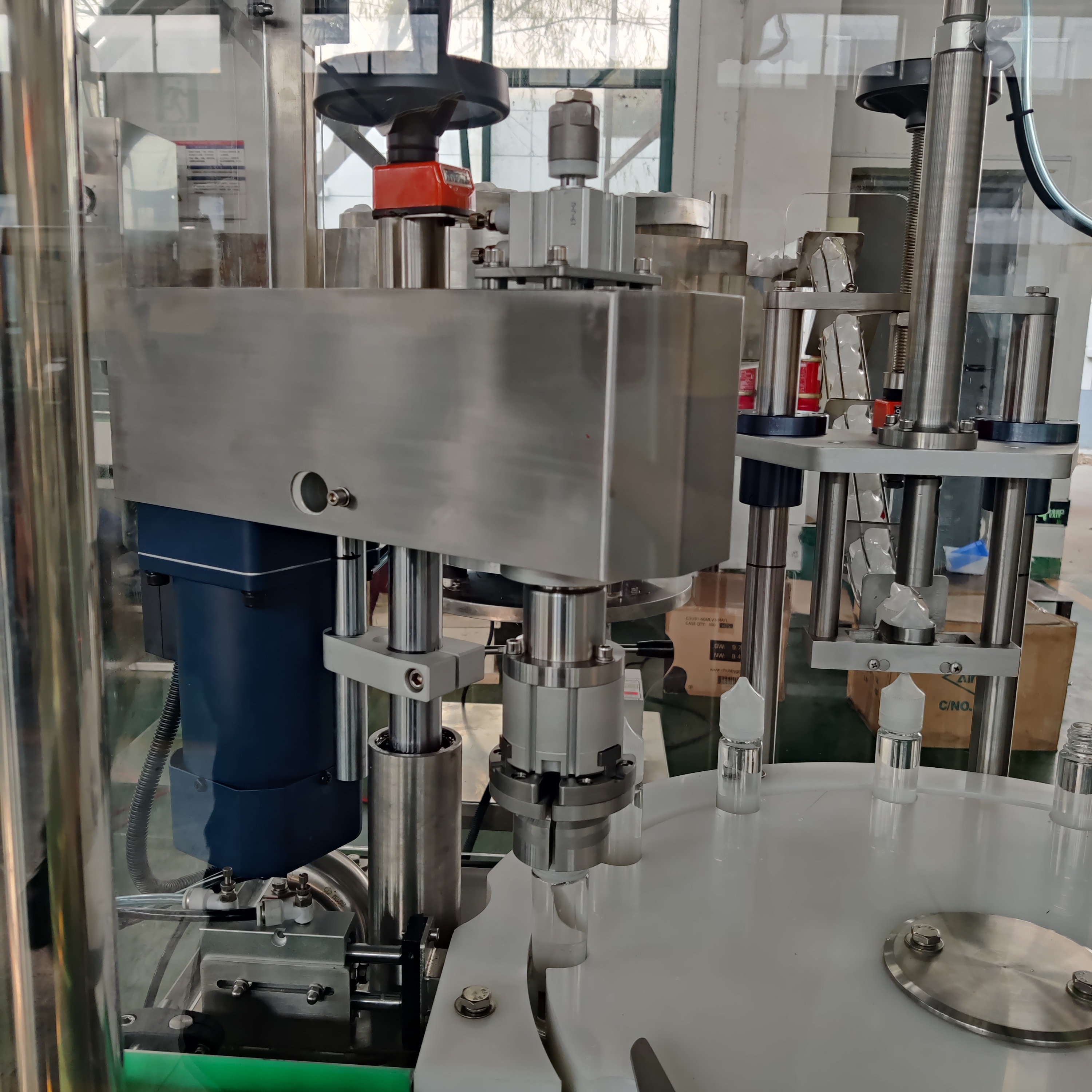
The tin can filling and sealing machine represents one of the most critical components in beverage, food, and aerosol production industries. Double seaming technology has become the gold standard for achieving hermetic seals on cans, ensuring product safety, shelf stability, and consumer confidence. Understanding how this advanced sealing mechanism works is essential for manufacturers seeking to optimize production efficiency while maintaining rigorous quality standards across their operations.
A tin can filling and sealing machine equipped with double seaming technology delivers precision, reliability, and consistency that single-pass sealing cannot achieve. This dual-stage sealing process creates an interlocking overlap that prevents leakage, contamination, and oxidation. Modern tin can filling and sealing machine systems integrate automated controls, real-time monitoring, and adaptive feedback mechanisms to ensure every sealed can meets stringent industry specifications and regulatory requirements.
How Double Seaming Technology Works in Tin Can Filling and Sealing Machines
The First Operation Stage
The first operation in a tin can filling and sealing machine's double seaming process positions the can body and the lid precisely before seaming begins. The tin can filling and sealing machine uses a roller mechanism to fold the lid flange downward and over the rim of the can body at a specific angle, typically between 30 and 45 degrees. This initial fold creates the foundation for the hermetic seal. The tin can filling and sealing machine maintains strict tolerances during this stage to ensure uniform contact pressure and prevent misalignment that could compromise seal integrity later in the process.
The Second Operation Stage
During the second operation, a tin can filling and sealing machine applies additional downward and inward pressure to interlock the first-fold layer with the can body wall. This creates the characteristic double seam profile that gives the technology its name. The tin can filling and sealing machine's second roller works at a tighter radius and applies greater force to compress and overlap the metal layers into a solid, leak-proof joint. The result is a mechanically interlocked seam that resists pressure changes, temperature fluctuations, and physical stress throughout the product's shelf life.
Key Advantages of Double Seaming in Tin Can Filling and Sealing Operations
Superior Hermetic Integrity
A tin can filling and sealing machine utilizing double seaming technology achieves hermetic seals that protect against oxygen ingress and microbial contamination far more effectively than alternative closure methods. The interlocking metal-to-metal contact eliminates microscopic pathways that allow air, moisture, or pathogens to penetrate. For carbonated beverages, pharmaceuticals, and aerosol products, this level of sealing protection is non-negotiable. The tin can filling and sealing machine's double seam design maintains this barrier integrity even when cans experience transport vibration, stacking pressure, or temperature cycling during storage and distribution.
Extended Product Shelf Life
Products sealed with a tin can filling and sealing machine featuring double seaming technology enjoy significantly extended shelf life compared to other packaging methods. The complete oxygen barrier prevents oxidation-driven flavor degradation in beverages and ensures pharmaceutical products remain within specification for years. A tin can filling and sealing machine's double seam also resists gradual internal pressure loss, maintaining carbonation levels and preserving volatile compounds in aerosol formulations. Manufacturers benefit from reduced recall risk, lower waste rates, and stronger brand reputation when using double seaming in their tin can filling and sealing machine systems.
Cost Efficiency and Speed
Modern tin can filling and sealing machine technology automates double seaming at production speeds exceeding 1,000 cans per minute without sacrificing quality. The tin can filling and sealing machine's inline design minimizes product handling, reduces downtime between changeovers, and allows manufacturers to achieve economies of scale. Although the initial investment in a tin can filling and sealing machine is substantial, the combination of high throughput, minimal defect rates, and reduced rework overhead produces favorable return on investment within 18 to 36 months for most beverage and food production facilities.
Quality Control Parameters for Double Seaming Tin Can Filling and Sealing Machines
Seam Geometry and Profile Standards
A tin can filling and sealing machine must maintain precise seam geometry to ensure consistent performance across every production run. Industry standards, including guidelines from the International Society of Beverage Technologists, define acceptable seam thickness, overlap distance, and hook ratios for double seams. A tin can filling and sealing machine continuously monitors these parameters through X-ray imaging, laser measurement, and mechanical probing to detect deviations before defective cans reach packaging stages. The tin can filling and sealing machine's feedback systems automatically adjust roller pressure and position to maintain seam specifications within tolerances as tight as 0.05 millimeters.
Pressure Testing and Leak Detection
Every tin can filling and sealing machine installation includes automated pressure testing and helium leak detection systems to validate seam integrity. Statistical process control methods track defect rates across production batches, enabling manufacturers to identify equipment wear, material variations, or operator errors that could compromise the tin can filling and sealing machine's performance. Vision systems on modern tin can filling and sealing machines detect visual defects such as wrinkles, dents, or incomplete folds that might escape manual inspection, ensuring only compliant cans proceed to filling stages.
Material Compatibility
The tin can filling and sealing machine's performance depends significantly on substrate quality, including lid and body metal composition, coating consistency, and mechanical properties. A tin can filling and sealing machine requires consistent material flow rates and hardness specifications to create repeatable seams. Manufacturers must collaborate closely with can suppliers to verify that all components meet the tin can filling and sealing machine's specifications. Temperature, humidity, and storage conditions at the manufacturing facility all influence how the tin can filling and sealing machine interacts with the raw materials, making environmental controls essential for maintaining quality standards.
FAQ
What makes double seaming superior to other can sealing methods?
Double seaming creates a mechanically interlocked, metal-to-metal seal that provides exceptional protection against leakage, oxygen ingress, and contamination. Unlike adhesive or crimped closures, a properly executed double seam from a tin can filling and sealing machine remains stable throughout the product's shelf life without degradation or pressure loss, making it the industry standard for beverages, food, and aerosol products where long-term hermetic integrity is critical.
How often does a tin can filling and sealing machine require maintenance for optimal double seaming performance?
A tin can filling and sealing machine typically requires preventive maintenance every 500 to 1,000 operating hours, including roller inspection, pressure system calibration, and seal geometry verification. Regular maintenance prevents roller wear that could compromise seam quality and reduces unexpected downtime. Most manufacturers conduct daily visual inspections and weekly seam sampling tests to catch issues early, while major overhauls occur annually or when transitioning between product types.
Can a tin can filling and sealing machine handle different can sizes with double seaming?
Modern tin can filling and sealing machines offer quick-change systems that accommodate multiple can diameters and heights, though each size requires specific roller adjustments and tooling configurations. The transition between sizes typically takes 30 to 60 minutes and involves recalibrating pressure, roller position, and seam geometry parameters. Manufacturers planning to run multiple can sizes should verify that their tin can filling and sealing machine supports these changeovers efficiently before investment.