
 EN
EN
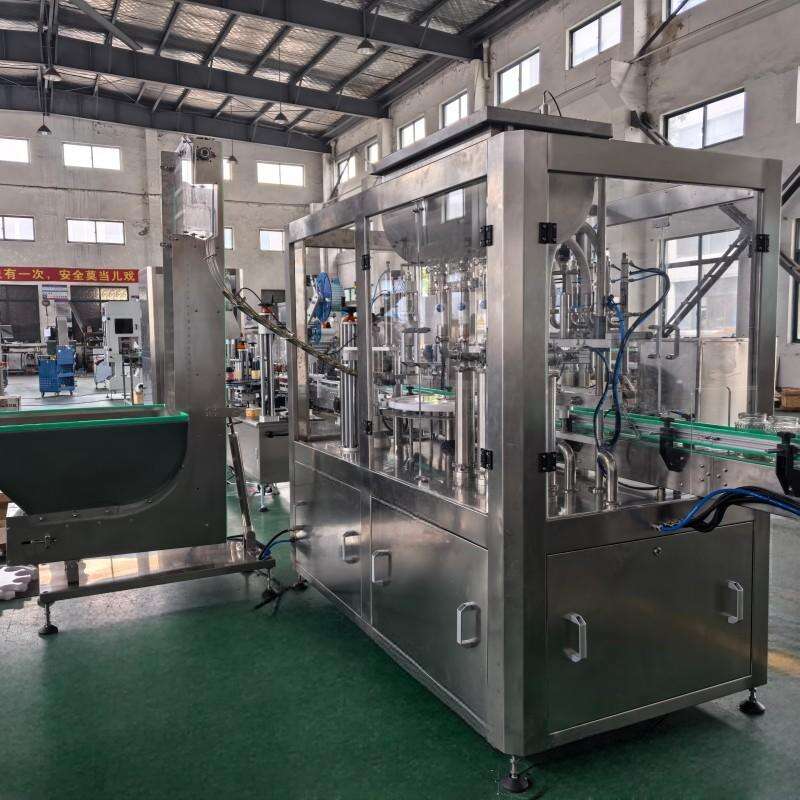
A jam filling machine offers clear operational and commercial advantages for food processors that need consistent output, safer handling, and tighter process control. In jam production, product texture, sugar concentration, and temperature can change rapidly during a shift, and manual filling struggles to keep pace with those variables. A jam filling machine stabilizes fill accuracy, reduces contamination risk, and supports predictable throughput, which directly improves packaging reliability and downstream efficiency. For processors balancing quality targets with cost pressure, this is not a minor equipment upgrade but a process capability upgrade.
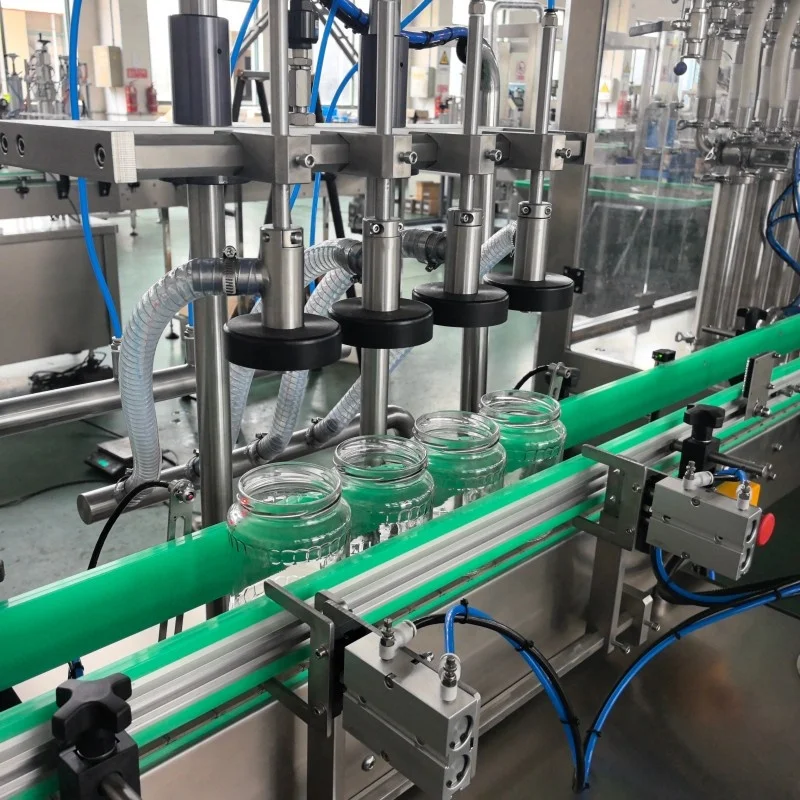
The strongest value of a jam filling machine appears when production moves from small-batch craft handling to repeatable industrial output. As order volumes grow, filling variability creates hidden losses through overfill, rework, label issues, cap sealing failures, and customer complaints about net content. A jam filling machine reduces those losses by controlling portioning and integrating with capping and conveying steps, helping food plants maintain quality while scaling line speed. This article explains the specific advantages in practical processing terms so operations, quality, and maintenance teams can evaluate impact with confidence.
Operational Consistency and Throughput Gains
Stable fill accuracy across viscous product conditions
A key advantage of a jam filling machine is its ability to dose viscous products consistently despite natural variation in fruit solids, pulp size, and temperature. In manual or semi-manual setups, operators often compensate by eye, which leads to uneven jar weights and product giveaway. A jam filling machine applies controlled filling logic so each container receives a near-uniform dose, reducing underfill risk and unnecessary overfill. This protects both regulatory compliance and margin, especially for high-volume SKUs.
When product viscosity rises during longer runs, a jam filling machine can maintain better repeatability than hand-based methods. That consistency supports more reliable downstream capping and labeling because fill height remains within expected tolerances. Plants that run multiple jar formats also benefit because a jam filling machine can be tuned for each recipe and container profile. As a result, line changeovers become more predictable and less dependent on individual operator judgment.
Higher sustained output with less bottleneck pressure
A jam filling machine improves line speed not only by filling faster, but by filling in a way that keeps the entire packaging flow synchronized. In many facilities, filling is the pacing point for capping, induction sealing, coding, and case packing. If filling output fluctuates, every downstream station experiences starvation or sudden surges. A jam filling machine smooths that flow and supports sustained, stable output over full production shifts.
The throughput advantage becomes more visible during peak demand periods and promotional runs. A jam filling machine reduces stop-start behavior caused by inconsistent dosing or spill-related cleanup, allowing teams to protect planned run rates. Over time, that stability improves schedule adherence and reduces overtime driven by missed daily targets. For production planning teams, a jam filling machine creates a more trustworthy capacity baseline.
Quality Protection and Food Safety Control
Reduced contamination exposure during filling
Food safety is a major reason processors invest in a jam filling machine. Every manual touchpoint introduces potential contamination pathways, especially in warm, sugar-rich products that can support microbial growth if handling is poor. A jam filling machine limits open handling by moving product from controlled feed systems directly into containers with defined contact surfaces. This supports cleaner operations and stronger hygiene discipline.
A jam filling machine also helps standardize sanitation routines because components are designed for repeated cleaning and inspection. When sanitation is repeatable, verification becomes easier for quality teams and audit preparation is less disruptive. This matters in facilities where multiple fruit formulations run on shared lines. With a jam filling machine, hygiene outcomes are less dependent on individual technique and more anchored in process design.
Better package integrity and shelf-life reliability
Consistent fill levels from a jam filling machine contribute directly to better seal quality. Overfilled jars can interfere with cap application, while underfilled jars can create headspace inconsistencies that affect appearance and, in some products, quality retention. A jam filling machine reduces those extremes and helps maintain a predictable interface between product, cap, and closure torque. The result is fewer leakers and fewer returns linked to packaging defects.
From a quality perspective, a jam filling machine supports batch-to-batch uniformity that customers can see on the shelf. Visual consistency in fill height and cleanliness around the rim improves perceived quality and brand trust without changing the recipe itself. In export or long-distribution channels, this becomes especially important because packaging defects often become visible only after transport stress. A jam filling machine lowers that risk by improving mechanical consistency at the source.
Cost Efficiency and Resource Optimization
Lower product giveaway and rework burden
One of the most direct financial advantages of a jam filling machine is reduced giveaway. Even small overfill margins become expensive when multiplied across thousands of jars per shift. A jam filling machine narrows dosing variance so processors deliver closer to target net content while staying compliant. This protects gross margin without reducing customer value.
Rework costs also decline when a jam filling machine is properly integrated into the line. Inconsistent manual filling often triggers cap misalignment, sticky jar exteriors, and labeling errors, all of which consume labor for correction. By stabilizing the fill stage, a jam filling machine prevents many of those secondary defects. That means less rejected output and more sellable product per operating hour.
Improved labor allocation and less fatigue-related error
A jam filling machine does not simply replace labor; it changes where labor creates value. Instead of repetitive manual filling tasks, operators can focus on setup verification, quality checks, and line monitoring. This shift increases process awareness and reduces fatigue-driven mistakes that are common in repetitive, high-temperature filling environments. A jam filling machine therefore supports both productivity and safer work routines.
The labor stability benefit is important for plants with variable staffing levels. Manual filling often depends on experienced personnel to keep consistency under pressure, while a jam filling machine embeds part of that consistency in equipment behavior. Training remains essential, but dependency on individual pace and technique declines. Over time, this supports more resilient operations and easier scaling across shifts.
Scalability and Integration Across Food Processing Lines
Flexible adaptation to container and recipe changes
As product portfolios expand, flexibility becomes a strategic advantage, and a jam filling machine is well suited to that need. Processors frequently run different jar sizes, neck diameters, or viscosity profiles across seasonal and regional SKUs. A jam filling machine can be configured to support these variations with controlled adjustments rather than improvised manual methods. This reduces transition risk when launching new formats.
The same flexibility helps during demand swings. A jam filling machine can support tighter production windows by shortening stabilization time after changeover and maintaining fill quality once running. This makes planning more agile for mixed-SKU schedules. For growing processors, a jam filling machine becomes a platform that can evolve with market requirements instead of a fixed single-product tool.
Line integration and end-to-end packaging control
The full advantage is realized when a jam filling machine is integrated with capping, conveying, and inspection stages. Coordinated equipment behavior reduces micro-stoppages and improves traceability across batches. Many processors evaluate this through OEE trends, but the practical effect is visible on the floor: fewer jams, cleaner handoffs, and more stable output rhythm. A jam filling machine works best as part of a connected system rather than an isolated station.
For teams evaluating implementation options, this jam filling machine line example illustrates how filling and capping can be aligned for viscous food products in one workflow. Integration reduces coordination delays between standalone machines and helps standardize startup and shutdown procedures. With stronger synchronization, processors gain higher confidence in daily output commitments and quality consistency. That reliability is often the deciding advantage in contract supply environments.
Implementation Impact on Business Performance
Stronger compliance readiness and audit confidence
A jam filling machine supports documentation discipline because controlled filling parameters are easier to verify than manual estimates. Quality teams can align process checks with defined operating windows, reducing ambiguity during internal reviews. In regulated food environments, this clarity matters for demonstrating process control and corrective action effectiveness. A jam filling machine therefore contributes to governance, not only mechanical output.
Audit readiness also improves when line behavior is repeatable. Recurring issues such as fill variation or residue around closures are easier to address when process inputs are stable. A jam filling machine gives teams a clearer root-cause path when deviations occur. That shortens investigation cycles and protects production continuity.
Better customer outcomes and long-term margin protection
At the customer level, a jam filling machine helps deliver uniform pack appearance, reliable seals, and expected net content across shipments. These quality signals influence repeat purchasing and reduce friction in distributor relationships. In private-label and contract manufacturing contexts, consistency is often a contract-retention factor. A jam filling machine turns that consistency into a repeatable operational standard.
From a financial perspective, the advantages accumulate through reduced giveaway, lower defect costs, steadier throughput, and improved planning accuracy. Each factor may look incremental, but together they materially strengthen margin resilience in volatile raw-material markets. A jam filling machine is therefore best viewed as a profitability enabler linked to process discipline. For food processors aiming to scale without sacrificing control, that is its core business value.
FAQ
What is the biggest operational advantage of a jam filling machine?
The biggest operational advantage is consistent fill control at industrial speed. A jam filling machine reduces variation caused by manual handling and keeps the line balanced for capping and labeling. This translates into fewer interruptions, better daily target achievement, and more predictable production planning.
Can a jam filling machine handle different jam viscosities and fruit textures?
Yes, a jam filling machine is typically designed to handle viscous products with solids when configured correctly. Settings can be adjusted for recipe behavior, temperature range, and container type. Proper setup and validation are essential to maintain dosing precision across product variants.
How does a jam filling machine improve food safety in practice?
A jam filling machine reduces open manual contact and standardizes product flow through controlled pathways. It also supports repeatable cleaning and inspection routines, which helps maintain hygiene consistency. Together, these factors reduce contamination exposure and strengthen audit readiness.
Is a jam filling machine suitable for scaling from medium to high output?
A jam filling machine is well suited for scaling because it improves throughput stability and reduces process variability that grows with volume. As output increases, the value of accuracy, line synchronization, and lower rework becomes more significant. This makes it a practical investment for processors expanding capacity while protecting quality.