
 EN
EN
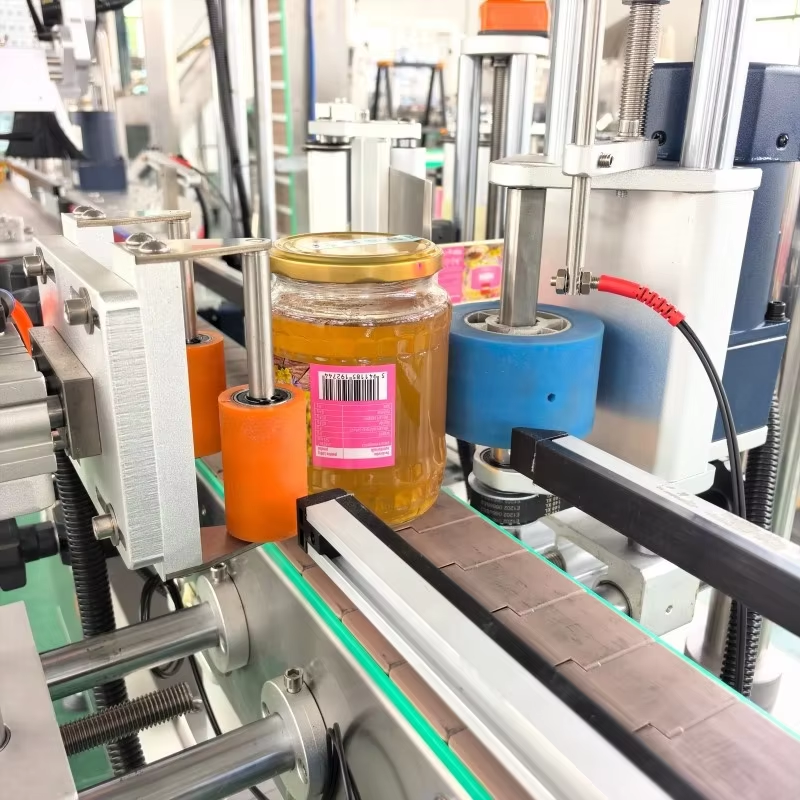
In food production, a honey filling machine is not limited to one product format or one packaging line style. The most suitable applications are those where viscosity control, portion accuracy, and hygienic transfer all need to work together at commercial speed. For processors handling sticky, dense, or sugar-rich products, a honey filling machine often becomes the operational center that stabilizes output quality and reduces manual variability. This is especially important when product texture changes across seasons or recipes and every container must still meet label claim and shelf presentation expectations.
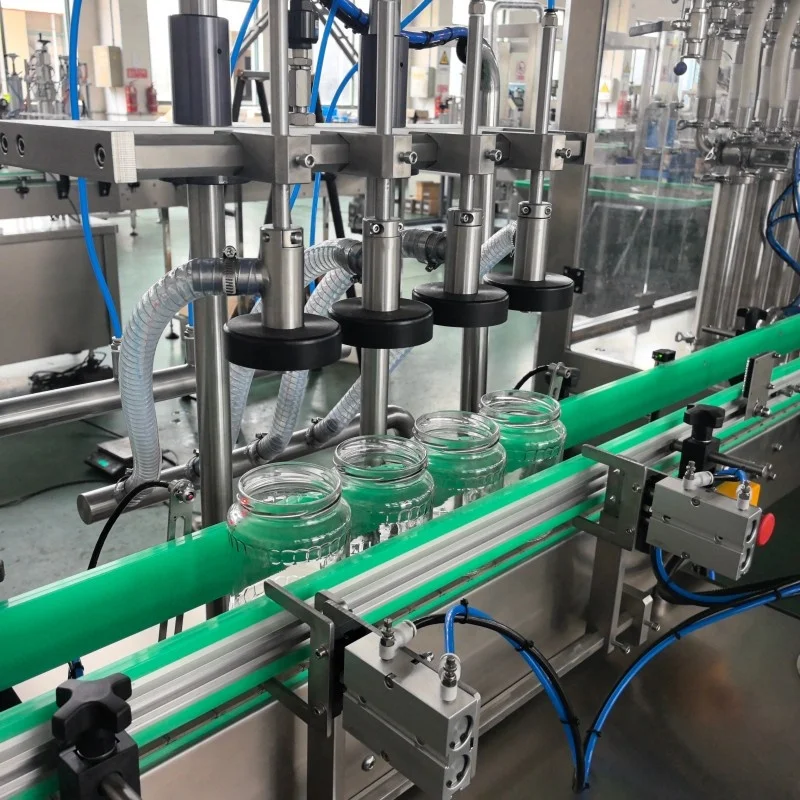
The ideal applications in the food industry are typically found where producers need repeatable filling across jars, squeeze bottles, and blended spreads, while maintaining sanitary handling from hopper to capper. A honey filling machine is particularly valuable in operations that run multiple SKUs, require clean changeovers, and cannot afford product waste from stringing or drip loss. This article explains where a honey filling machine fits best, how to recognize high-return use cases, and which production conditions make adoption practical and profitable.
Core Product Categories Where Fit Is Strongest
Single-origin and blended honey packaging lines
The most direct application is primary honey packaging in glass or PET containers. In this setting, a honey filling machine delivers strong value because honey viscosity can fluctuate with temperature, and manual filling usually struggles to maintain consistent net weight. With controlled filling parameters, a honey filling machine can keep output stable across run shifts and reduce rework tied to overfill and underfill. This matters for contract packers and private-label processors where compliance and consistency are audited frequently.
A honey filling machine is also ideal for mixed-product facilities that package floral varieties, filtered honey, and whipped versions on the same line architecture. Producers can retain process control even when texture and flow behavior differ between batches. When the operation needs predictable headspace and clean neck finishes before capping, a honey filling machine supports higher visual quality and fewer downstream sealing problems. The result is better carton-ready presentation with less operator intervention.
Syrup-like sweeteners and viscous analog products
Many food plants process products that are not pure honey but behave similarly in flow and adhesion. Date syrup blends, malt-based sweeteners, and fruit concentrate blends can be ideal applications for a honey filling machine when their viscosity profile resembles dense honey. In these cases, the same filling principles help maintain speed without sacrificing deposit precision. A honey filling machine can therefore support broader equipment utilization and reduce idle time between product families.
This cross-application flexibility becomes important when producers face demand swings and need to shift quickly between SKUs. A honey filling machine that handles multiple high-viscosity recipes can protect throughput during seasonal peaks. Instead of building separate semi-manual stations, processors can run a standardized line with controlled filling logic. That reduces training burden and strengthens repeatability across production teams.
Packaging Formats That Benefit Most
Glass jars and wide-mouth containers for premium retail
Glass packaging is common for premium honey and specialty sweet spreads, but it requires precise fill control to preserve appearance and avoid sticky residues near the thread area. A honey filling machine is ideal here because accurate deposition helps keep jar shoulders and necks clean before capping. Cleaner finishes support seal integrity and reduce label contamination during transport. For brands selling through specialty retail channels, that packaging consistency directly affects perceived quality.
When plants run multiple jar volumes, a honey filling machine allows faster format transitions than manual approaches. This improves line responsiveness for short-run promotional sizes and regional assortments. The best fit appears in operations that need both quality and flexibility without sacrificing batch traceability. In these environments, a honey filling machine supports premium positioning while maintaining production discipline.
Squeeze bottles and convenience-focused consumer packs
Squeeze packs require controlled fill to prevent panel deformation, capping misalignment, and sticky closure zones. A honey filling machine is well suited because viscous products must be deposited in a way that minimizes air entrapment and stringing. With the right filling profile, plants can reduce cleanup stoppages and keep conveyors moving at stable speed. This becomes critical in high-volume channels where small efficiency losses scale quickly.
For foodservice and institutional pack sizes, consistent dose volume is equally important. A honey filling machine helps maintain declared pack weight, especially when runs are long and shift changes introduce operator variation. Facilities that package both retail and foodservice formats often see stronger overall line balance once a honey filling machine is integrated with synchronized capping and inspection steps. The application is ideal when packaging diversity meets high daily output targets.
Production Conditions That Make Adoption Ideal
Medium-to-high throughput lines with tight labor control
A honey filling machine delivers the highest return in plants where manual filling creates bottlenecks or frequent quality drift. If operators spend significant time correcting fill levels, cleaning drips, or reworking mislabeled containers, the application fit is strong. In medium-to-high throughput environments, automation removes repetitive hand tasks and frees staff for higher-value quality checks. The process becomes more predictable across shifts and production calendars.
Facilities with labor volatility also benefit because a honey filling machine reduces dependence on individual operator technique. Standardized parameters support faster onboarding and more consistent day-to-day outcomes. This is especially relevant in contract packaging, where client specifications can vary but execution standards remain strict. Under those conditions, a honey filling machine acts as a control point for both efficiency and compliance.
Hygiene-sensitive operations with strict cleaning routines
In food plants with frequent allergen controls or strict sanitation windows, equipment cleanability becomes a primary selection factor. A honey filling machine is ideal when the production schedule requires repeatable washdown and minimal dead zones in product-contact paths. Better sanitation design helps reduce contamination risk while shortening non-productive time between runs. That supports safer operations without slowing weekly output.
The same logic applies to facilities operating under external audits. A honey filling machine with stable, documented process settings can simplify quality records and deviation tracking. When inspectors review fill consistency and hygiene practices, automated and repeatable filling steps are easier to verify than manual methods. This is why many regulated food operations identify a honey filling machine as an essential part of risk control.
Use Cases Beyond Pure Honey
Nut butter blends and viscous breakfast spreads
Some spreads combine honey with nut paste or grain ingredients, creating textures that are dense and temperature sensitive. These products can be difficult to portion uniformly, making them a strong candidate for a honey filling machine configured for high-viscosity flow. Consistent filling protects both weight compliance and consumer experience at first use. Processors avoid the common issue of uneven top-off that makes packs look underfilled on shelf.
For mixed spread portfolios, a honey filling machine can support recipe rotation with reduced downtime compared with isolated semi-manual stations. This helps plants maintain campaign production planning while still responding to short-run demand. When product families share similar rheology, the equipment utilization rate improves significantly. That is a practical reason these applications are often ideal in diversified food operations.
Sauce, topping, and dessert ingredient lines
Honey-based dessert toppings, bakery ingredients, and sauce blends frequently require controlled viscous transfer and clean closure zones. In these lines, a honey filling machine can stabilize deposit quality and protect cap performance, especially when products contain sugar solids that increase stickiness. Reliable fills reduce downstream issues in labeling, case packing, and pallet handling. The overall line experiences fewer interruptions caused by residue buildup.
This application is ideal when one production cell must handle different textures while maintaining predictable output. A honey filling machine supports that need by delivering repeatable volume targets and cleaner container handling across recipes. Plants serving both retail and foodservice channels often gain from this flexibility. It enables broader product coverage without fragmenting equipment investment across too many specialized units.
Business Outcomes That Confirm the Right Application Fit
Quality consistency and waste reduction at scale
The clearest sign that a honey filling machine is ideal is measurable improvement in fill accuracy and reduced product loss. Overfill directly affects margin, while underfill creates compliance and customer trust risk. By controlling deposit behavior more tightly, a honey filling machine helps protect both profitability and brand reliability. This becomes more visible as monthly production volume increases.
Waste reduction is not only about product loss in containers but also about cleanup frequency and line stoppages. A honey filling machine that minimizes dripping and stringing can cut sanitation interruptions and improve effective runtime. Over a full production cycle, those gains often outweigh the visible cost of manual labor alone. That is why high-viscosity food lines frequently prioritize this equipment category.
Scalability for growing SKU portfolios
As food companies expand into new pack sizes, seasonal launches, and channel-specific formats, process flexibility becomes a strategic requirement. A honey filling machine is ideal when growth plans depend on adding SKUs without compromising base-line efficiency. With adjustable settings and stable repeatability, producers can scale output while preserving quality standards. The operation remains manageable even as complexity increases.
In practical terms, a honey filling machine supports better long-term capacity planning. Instead of redesigning workflows for every new product variant, teams can adapt existing filling architecture to similar viscosity ranges. This reduces disruption and keeps capital deployment focused. For many food businesses, that scalability is the strongest reason a honey filling machine fits their application roadmap.
FAQ
What production volume makes a honey filling machine worthwhile?
A honey filling machine usually becomes worthwhile when manual methods create repeat fill errors, labor strain, or frequent downtime from sticky cleanup. Even moderate volume lines can justify investment if SKU count is high and changeovers are frequent. The economic case strengthens quickly when overfill loss and rework are tracked accurately over several months.
Are only honey products suitable for this equipment type?
No. A honey filling machine is often used for other viscous food products with similar flow behavior, such as syrup blends, dessert toppings, and dense spreads. The key is matching machine configuration to product viscosity, particulates, and target container format. When those factors align, application performance is typically strong.
How does a honey filling machine support food safety goals?
A honey filling machine supports food safety by standardizing product transfer, reducing open handling, and enabling more controlled sanitation routines. Consistent filling also helps maintain cleaner sealing zones, which supports closure integrity. In audited environments, repeatable process settings improve traceability and simplify quality documentation.
Can one line handle multiple container types efficiently?
Yes, many operations use a honey filling machine across jars, squeeze bottles, and larger foodservice packs when format change procedures are designed well. Efficiency depends on tooling compatibility, recipe planning, and disciplined setup practices. With those controls in place, one line can manage a broad packaging mix while maintaining dependable output.