
 EN
EN
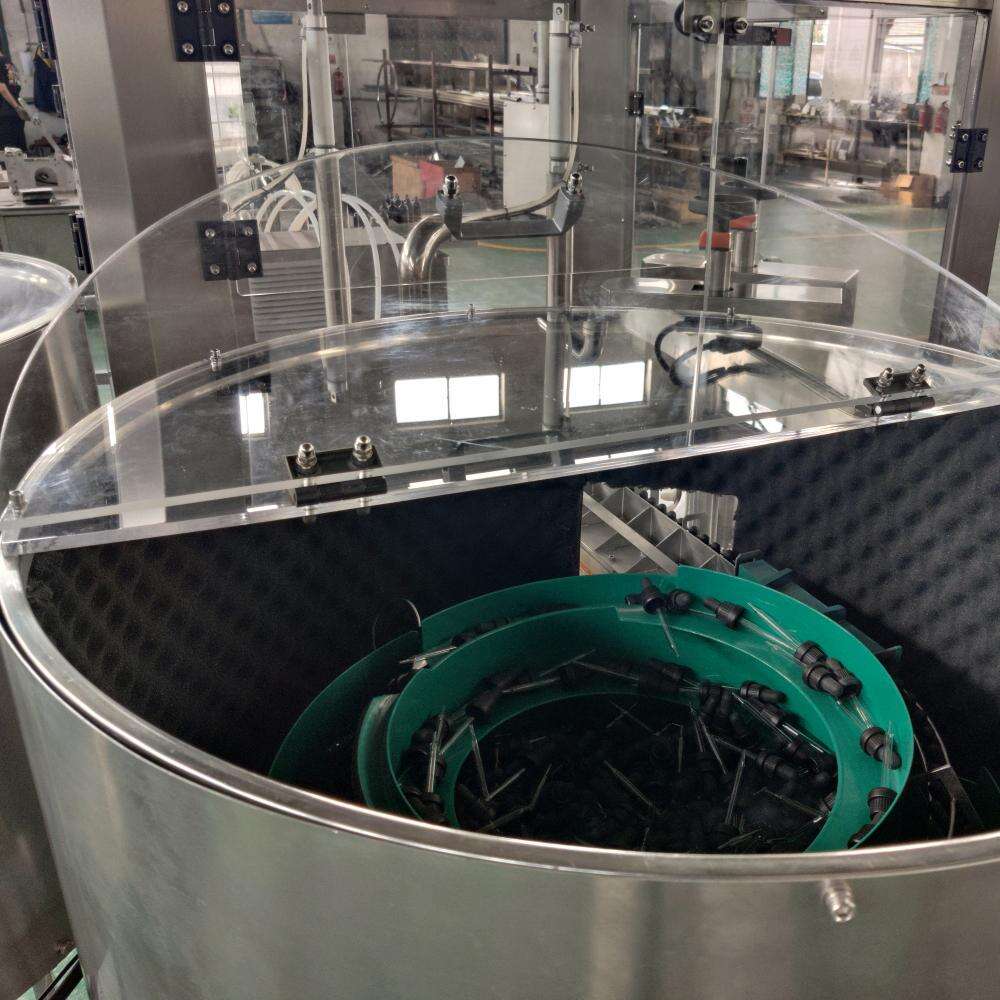
Choosing the right production equipment is one of the most critical decisions in any liquid product business, and the essential oil filling machine stands out as a versatile solution across multiple industries. Whether you are packaging therapeutic blends, cosmetic serums, or aromatherapy products, understanding which applications benefit most from this equipment helps you make smarter investment decisions. An essential oil filling machine is not a one-size-fits-all tool — its value depends heavily on the specific production context in which it is deployed.
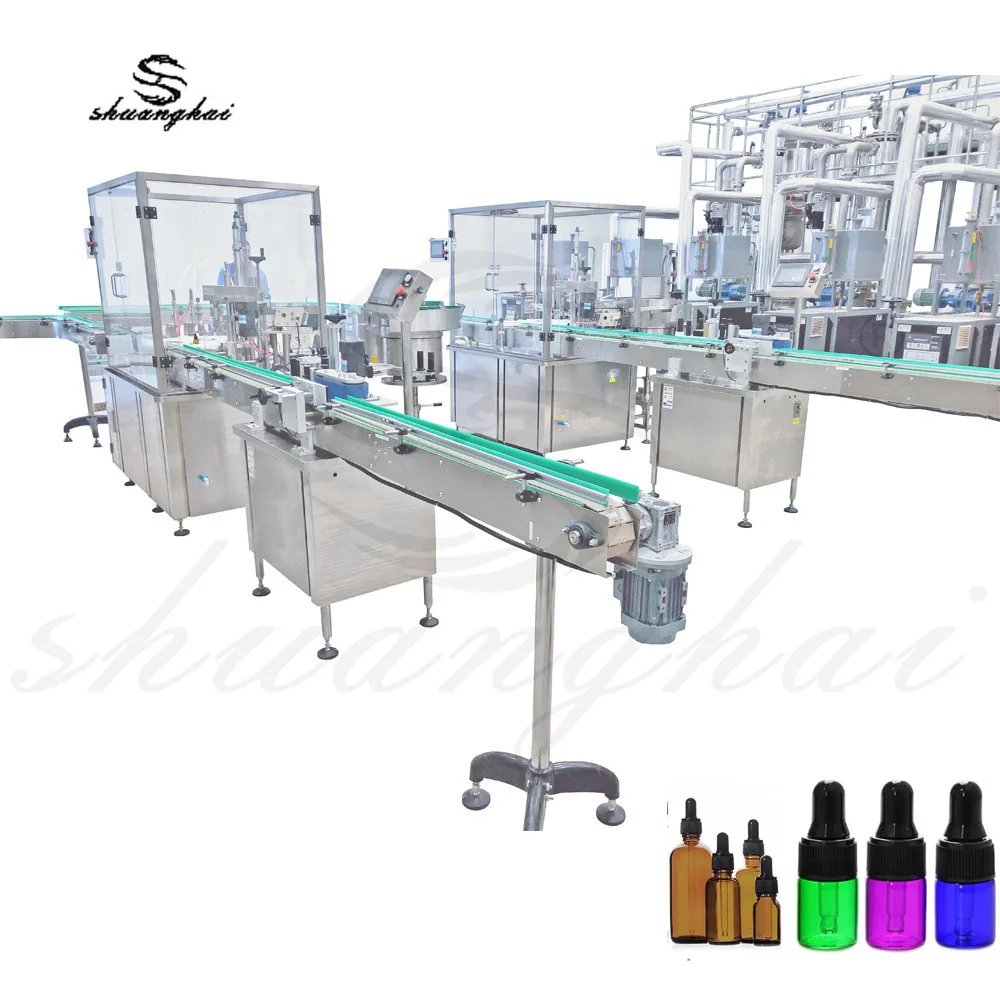
An essential oil filling machine is engineered to handle low-viscosity, high-value liquids with precision. Essential oils are volatile, expensive, and sensitive to oxidation, which means even minor filling inaccuracies translate directly into product loss and quality inconsistency. The industries and product categories that rely most on an essential oil filling machine share a common need: accurate volumetric control, minimal product waste, and compatibility with small glass or dropper-style containers. This article explores the specific applications where an essential oil filling machine delivers the greatest operational value.
Aromatherapy and Wellness Product Manufacturing
Single-Blend Aromatherapy Oils
The aromatherapy sector is one of the primary and most natural fits for an essential oil filling machine. Producers of lavender, eucalyptus, peppermint, and other single-note oils require filling equipment that can handle small bottle volumes — typically between 5ml and 100ml — with tight fill accuracy. An essential oil filling machine designed for this application typically uses a piston or peristaltic pump mechanism that minimizes product contact with metal surfaces, reducing the risk of chemical reactions. For wellness brands producing large SKU ranges with frequent changeovers, an essential oil filling machine with quick-clean components significantly reduces downtime between batches.
Multi-Blend Therapeutic Formulations
Therapeutic blends used in holistic health practices involve multiple oil components combined at precise ratios. An essential oil filling machine used in this context must maintain consistent fill volumes across each container, as even small deviations affect the intended therapeutic balance. Manufacturers in this segment often require an essential oil filling machine that supports CIP (clean-in-place) washing systems to prevent cross-contamination between formulas. The ability of an essential oil filling machine to switch between fill weights rapidly makes it ideal for contract manufacturers handling multiple client formulations on the same line.
Cosmetic and Personal Care Applications
Facial Serums and Skin Care Oils
High-end cosmetic brands frequently incorporate carrier and essential oils into their serum and treatment product lines. An essential oil filling machine used in cosmetic manufacturing must meet strict hygiene standards while handling oils of varying densities. Jojoba, rosehip, argan, and similar botanical oils are commonly filled using an essential oil filling machine configured with anti-drip nozzles to prevent surface contamination on premium glass bottles. Cosmetic producers often integrate an essential oil filling machine into a broader line that includes capping and labeling equipment, creating a compact, automated production flow suited to boutique batch sizes.
Hair Care and Scalp Treatment Oils
Hair oil products represent a growing segment in the personal care market, and an essential oil filling machine is well-suited to handle these formulations. Products such as scalp serums, beard oils, and leave-in treatments are often sold in dropper bottles or pipette containers that require the precision dispensing capabilities of an essential oil filling machine. The fill volume consistency provided by an essential oil filling machine directly affects consumer experience — underfilled bottles damage brand trust, while overfilling reduces margins. For this application, producers benefit from an essential oil filling machine that supports both glass and PET container formats.
Fragrance, Candle, and Industrial Aroma Applications
Perfume Oil and Fragrance Concentrate Filling
Fragrance oil production is another strong application domain for an essential oil filling machine. Perfume oil concentrates and attars are filled into small vials and roll-on applicators that demand both accuracy and speed. An essential oil filling machine serving the fragrance industry must handle highly volatile compounds without allowing excess vapor buildup around the filling zone. Manufacturers in this segment value an essential oil filling machine that operates in enclosed or semi-enclosed environments, reducing product evaporation loss during the fill cycle. Given the high unit cost of fragrance oils, even a marginal improvement in fill accuracy from an essential oil filling machine directly improves profitability per batch.
Reed Diffuser and Scented Candle Component Filling
Reed diffuser liquid and scented candle fragrance oils are filled in bulk for home fragrance brands. An essential oil filling machine used in this context typically handles larger fill volumes compared to cosmetic applications, often between 50ml and 500ml per container. The consistent output of an essential oil filling machine ensures that reed diffuser products deliver a uniform scent intensity from bottle to bottle, which is a key quality metric for retail buyers. For candle manufacturers, an essential oil filling machine that supports temperature-stable filling conditions is particularly beneficial when working with fragrance compounds that have narrow viscosity tolerances. This makes an essential oil filling machine a core component in the home fragrance production workflow.
FAQ
What bottle types work best with an essential oil filling machine?
An essential oil filling machine is compatible with a wide range of bottle types, including glass dropper bottles, roll-on vials, amber glass bottles, and small PET containers. Most machines can be adjusted to accommodate different bottle heights and neck diameters. Glass is the preferred material for essential oil packaging due to its chemical inertness, and most essential oil filling machine models are specifically designed to handle glass containers gently to prevent breakage during the fill cycle.
Can an essential oil filling machine handle both thin and thick oil formulations?
Yes, an essential oil filling machine can typically handle a broad viscosity range depending on the pump type installed. Peristaltic pump models are ideal for thinner, more volatile oils, while piston-style filling heads on an essential oil filling machine are better suited for slightly thicker carrier oil blends. Suppliers often offer customization options that allow an essential oil filling machine to be configured for the specific viscosity profile of your product line, making it a flexible asset across different formulations.
How do I maintain fill accuracy when scaling up with an essential oil filling machine?
Maintaining fill accuracy at scale with an essential oil filling machine requires regular calibration of the filling heads, consistent incoming product temperature, and periodic nozzle inspection. Most modern essential oil filling machine models include digital volume controls that allow operators to fine-tune fill amounts without mechanical adjustment. Implementing a scheduled maintenance routine and using the built-in calibration features of your essential oil filling machine will help sustain volumetric precision as production volume increases.