
 EN
EN
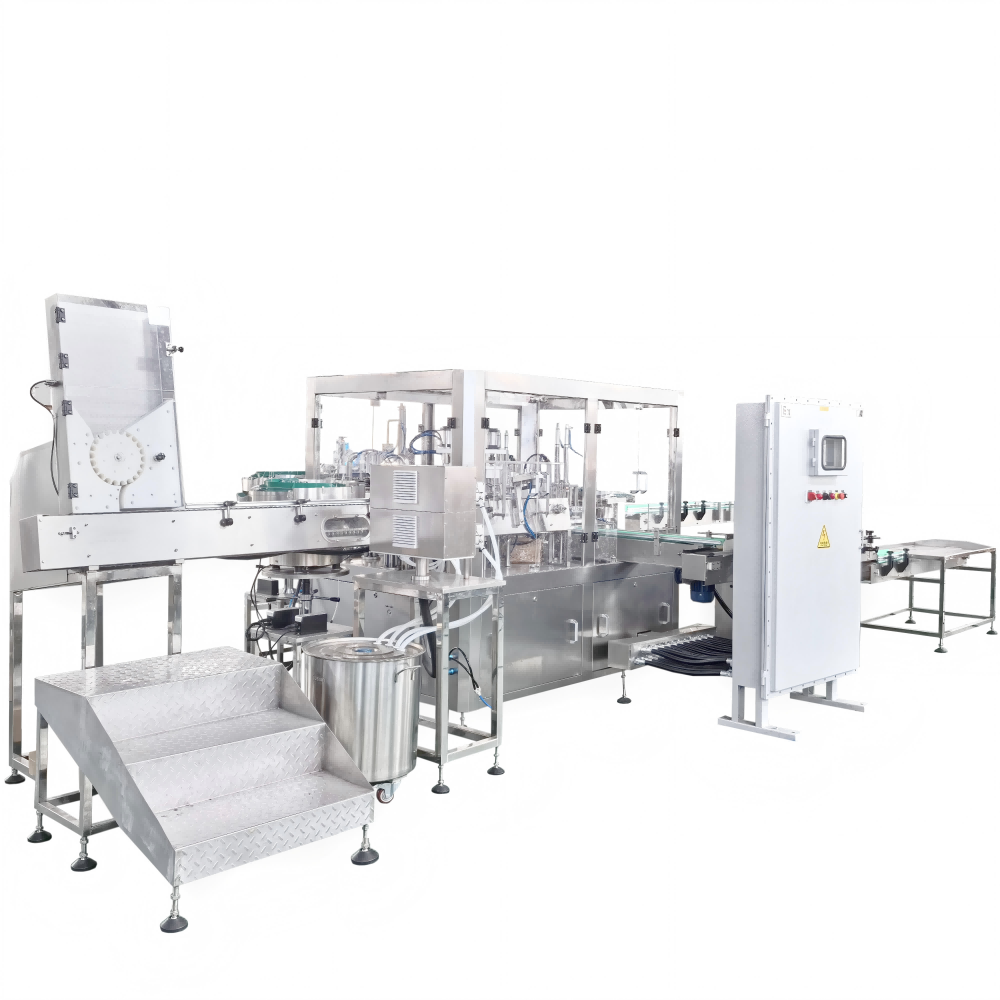
Modern manufacturing facilities across industries rely heavily on automated solutions to maintain competitive production rates while ensuring consistent product quality. A liquid filling machine represents one of the most critical components in packaging operations, directly impacting throughput, accuracy, and operational efficiency. These sophisticated systems have evolved significantly from manual filling processes, incorporating advanced technologies that enable manufacturers to handle diverse liquid products with unprecedented precision. The efficiency of these machines stems from multiple integrated features that work together to create seamless, high-speed production environments capable of meeting demanding market requirements.
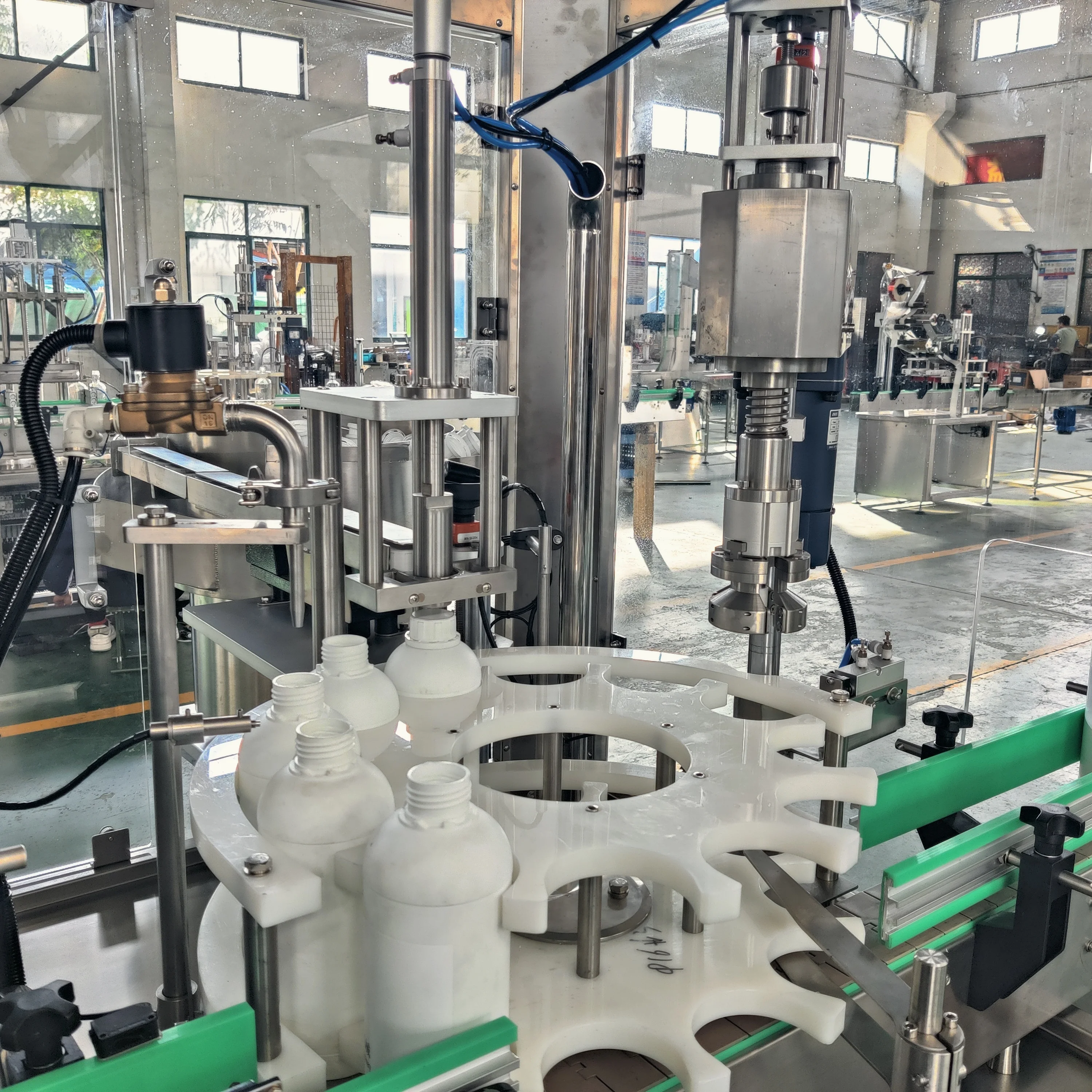
Advanced Control Systems and Automation Technology
Programmable Logic Controllers and Interface Systems
The foundation of efficient liquid filling machine operations lies in sophisticated programmable logic controllers that manage every aspect of the filling process. These systems provide real-time monitoring and adjustment capabilities, allowing operators to modify filling parameters instantly based on product specifications or production requirements. Modern interfaces feature intuitive touchscreen displays that simplify machine operation while providing comprehensive diagnostic information. The integration of these control systems ensures consistent performance across extended production runs, minimizing human error and maximizing operational reliability.
Advanced automation extends beyond basic filling functions to encompass complete production line coordination. These systems communicate seamlessly with upstream and downstream equipment, creating synchronized workflows that eliminate bottlenecks and optimize overall line efficiency. The ability to store multiple product recipes enables rapid changeovers between different liquid formulations, significantly reducing downtime associated with product transitions. This flexibility proves invaluable for manufacturers producing diverse product lines or frequently introducing new formulations to meet changing market demands.
Sensor Technology and Quality Assurance
Precision sensors throughout the liquid filling machine continuously monitor critical parameters such as fill levels, flow rates, and container positioning. These sensors provide instant feedback to the control system, enabling immediate corrections that maintain consistent fill accuracy across thousands of containers per hour. Level detection sensors ensure proper container placement before filling begins, preventing waste and maintaining production safety standards. Weight-based sensors verify fill accuracy in real-time, automatically rejecting containers that fall outside acceptable tolerance ranges.
Vision systems integrated into modern filling equipment provide additional quality verification capabilities, inspecting containers for defects, proper cap placement, and label alignment. These comprehensive inspection systems work in tandem with filling operations, identifying and removing defective products before they progress through the packaging line. The combination of multiple sensor technologies creates redundant quality checks that virtually eliminate defective products from reaching consumers while maintaining high production speeds.
Mechanical Design Features for Optimal Performance
Precision Filling Valve Technology
The heart of any efficient liquid filling machine lies in its valve technology, which determines both filling accuracy and production speed. Advanced servo-controlled valves provide precise volume control while accommodating various liquid viscosities and filling requirements. These valves feature quick-change capabilities that allow rapid adjustments for different container sizes without extensive mechanical modifications. The design incorporates anti-drip mechanisms that prevent product waste and maintain clean filling operations, essential for maintaining sanitary conditions in food and pharmaceutical applications.
Multi-head filling configurations multiply production capacity while maintaining individual valve precision, enabling manufacturers to achieve remarkable throughput rates. Each filling head operates independently, allowing the system to continue production even if individual valves require maintenance or adjustment. The modular design of modern valve systems facilitates easy maintenance and replacement, minimizing downtime and ensuring consistent production availability. This redundancy proves particularly valuable in high-volume production environments where equipment reliability directly impacts profitability.
Robust Mechanical Construction and Materials
The mechanical framework of efficient liquid filling machines incorporates heavy-duty construction materials designed to withstand continuous operation under demanding production conditions. Stainless steel construction predominates in food and pharmaceutical applications, providing corrosion resistance and easy cleaning capabilities essential for maintaining sanitary conditions. The frame design emphasizes stability and vibration dampening, ensuring consistent performance even at maximum production speeds.
Component accessibility represents another crucial design consideration, with maintenance points strategically positioned for easy access during routine service intervals. Modular construction allows individual components to be serviced or replaced without affecting entire system operation, significantly reducing maintenance downtime. The integration of self-lubricating bearings and sealed drive systems minimizes maintenance requirements while extending equipment lifespan, contributing to long-term operational efficiency and reduced total cost of ownership.
Product Handling and Versatility Features
Container Handling and Positioning Systems
Efficient liquid filling machines incorporate sophisticated container handling systems that accommodate diverse bottle shapes, sizes, and materials without requiring extensive changeover procedures. Star wheel configurations and precision guide rails ensure accurate container positioning throughout the filling process, maintaining consistent spacing and alignment critical for high-speed operations. These systems adapt automatically to different container geometries through servo-driven adjustments that eliminate manual intervention during product changeovers.
Container rejection mechanisms identify and remove improperly positioned or defective containers before filling occurs, preventing product waste and maintaining production flow. The integration of gentle handling systems protects fragile containers while maintaining high-speed operation, particularly important when working with lightweight plastic bottles or glass containers. Buffer systems accommodate minor timing variations in upstream equipment, ensuring continuous operation even when feeding equipment experiences temporary fluctuations.
Liquid Product Compatibility and Handling
Modern liquid filling machine designs accommodate an extensive range of product viscosities, from thin liquids like water and juices to thick formulations including sauces, creams, and pharmaceutical preparations. Variable-speed pumping systems adjust automatically to product characteristics, maintaining consistent fill accuracy regardless of liquid properties. Temperature control systems maintain optimal product conditions throughout the filling process, particularly important for temperature-sensitive formulations or products requiring specific viscosity maintenance.
Product changeover capabilities enable manufacturers to switch between different liquid formulations with minimal downtime and thorough cleaning between products. Clean-in-place systems integrate with the liquid filling machine to provide automated cleaning cycles that ensure complete removal of previous products while maintaining sanitary conditions. These systems reduce labor requirements while ensuring consistent cleaning effectiveness, critical for facilities producing multiple products or operating under strict regulatory requirements.
Energy Efficiency and Sustainability Features
Power Management and Conservation Systems
Contemporary liquid filling machine designs prioritize energy efficiency through intelligent power management systems that optimize electrical consumption during operation. Variable frequency drives adjust motor speeds based on production requirements, reducing energy consumption during periods of lower demand or when operating at partial capacity. Regenerative braking systems capture energy during deceleration phases, feeding power back into the electrical system and reducing overall energy consumption.
Sleep mode functionality automatically reduces power consumption during idle periods, while smart startup sequences minimize energy spikes associated with equipment initialization. LED lighting systems throughout the machine provide excellent visibility while consuming significantly less energy than traditional lighting options. These combined efficiency measures contribute to reduced operational costs while supporting corporate sustainability initiatives increasingly important to modern manufacturers.
Waste Reduction and Environmental Considerations
Precision filling capabilities of modern liquid filling machines significantly reduce product waste through accurate volume control and minimal spillage during filling operations. Overflow recovery systems capture and recirculate excess product, preventing waste while maintaining sanitary conditions. The accuracy of contemporary filling systems often exceeds regulatory requirements, providing additional product savings that accumulate substantially over high-volume production runs.
Packaging material optimization features enable the use of lightweight containers without compromising filling accuracy or production speed, contributing to reduced material consumption and transportation costs. The extended equipment lifespan achieved through robust construction and preventive maintenance capabilities reduces the environmental impact associated with equipment replacement and disposal. These sustainability features align with environmental regulations while providing tangible cost benefits to manufacturing operations.
Integration and Communication Capabilities
Production Line Connectivity and Data Exchange
Modern liquid filling machines feature comprehensive communication protocols that enable seamless integration with manufacturing execution systems and enterprise resource planning software. Real-time data transmission provides production managers with instant access to performance metrics, quality statistics, and maintenance requirements. This connectivity facilitates predictive maintenance scheduling based on actual equipment usage and performance trends rather than arbitrary time intervals.
Network integration enables remote monitoring and diagnostic capabilities, allowing technical support teams to identify and resolve issues without on-site visits. Production data collected by the liquid filling machine contributes to overall equipment effectiveness calculations and continuous improvement initiatives. The ability to track performance trends over time enables optimization of operating parameters and identification of opportunities for efficiency improvements.
Scalability and Future-Proofing Features
Modular architecture in contemporary liquid filling machines allows manufacturers to expand capacity or add functionality as business requirements evolve. Standardized interfaces facilitate integration of additional equipment or upgrading existing components without complete system replacement. This scalability proves particularly valuable for growing businesses or facilities experiencing changing production requirements over time.
Software update capabilities ensure that liquid filling machine control systems remain current with evolving industry standards and regulatory requirements. The ability to add new product recipes, modify operating parameters, and integrate advanced features through software updates extends equipment lifespan while maintaining competitive performance capabilities. This future-proofing approach protects manufacturing investments while ensuring continued operational relevance in rapidly evolving markets.
FAQ
How does a liquid filling machine maintain consistent accuracy across different product viscosities
A liquid filling machine maintains accuracy across varying viscosities through advanced flow control systems that automatically adjust pumping speeds, valve timing, and pressure parameters based on product characteristics. Servo-controlled valves respond to real-time feedback from flow sensors, making micro-adjustments to ensure consistent fill volumes regardless of liquid thickness or flow properties. Temperature control systems also help maintain optimal product viscosity during filling operations.
What maintenance procedures are required to keep liquid filling machines operating efficiently
Regular maintenance of a liquid filling machine includes daily cleaning and sanitization, weekly inspection of seals and gaskets, monthly calibration of sensors and valves, and quarterly comprehensive mechanical inspections. Preventive maintenance schedules based on production hours rather than calendar time ensure optimal performance. Most modern systems feature diagnostic capabilities that alert operators to maintenance needs before issues affect production quality or efficiency.
Can liquid filling machines handle both hot and cold liquid products safely
Yes, modern liquid filling machines accommodate both hot-fill and cold-fill applications through appropriate material selection and temperature control systems. Hot-fill capable machines feature heat-resistant seals, temperature-controlled product pathways, and specialized valve designs that prevent thermal expansion issues. Cold-fill systems include condensation management and temperature maintenance features that ensure consistent product quality throughout the filling process.
What factors determine the production speed capabilities of liquid filling machines
Production speed of a liquid filling machine depends on several factors including the number of filling heads, container size, product viscosity, filling accuracy requirements, and integration with upstream and downstream equipment. Multi-head configurations dramatically increase throughput, while larger containers generally require slower filling speeds to maintain accuracy. The liquid filling machine control system optimizes speed based on these variables to achieve maximum efficiency while maintaining quality standards.
Table of Contents
- Advanced Control Systems and Automation Technology
- Mechanical Design Features for Optimal Performance
- Product Handling and Versatility Features
- Energy Efficiency and Sustainability Features
- Integration and Communication Capabilities
-
FAQ
- How does a liquid filling machine maintain consistent accuracy across different product viscosities
- What maintenance procedures are required to keep liquid filling machines operating efficiently
- Can liquid filling machines handle both hot and cold liquid products safely
- What factors determine the production speed capabilities of liquid filling machines