
 EN
EN
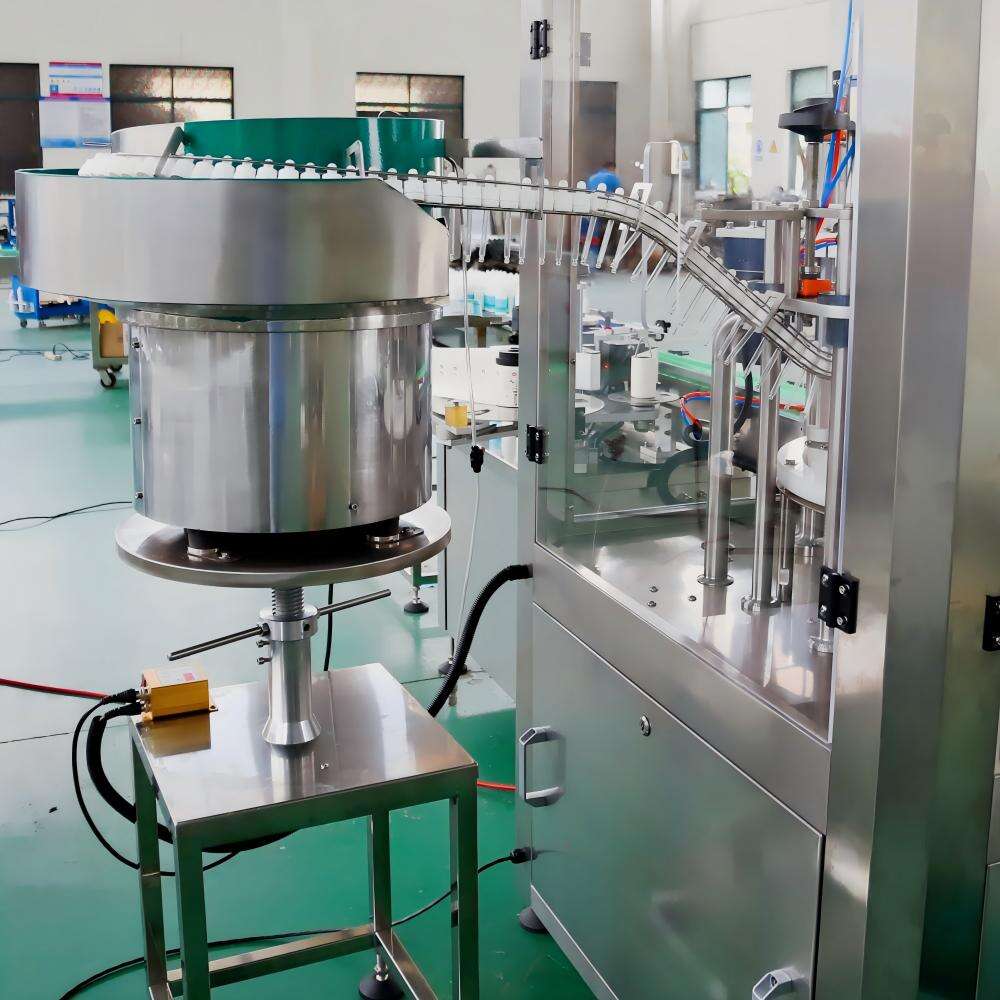
Modern manufacturing operations across diverse industries have embraced automated filling solutions to meet growing production demands and maintain consistent quality standards. The widespread adoption of liquid filling machine technology represents a significant shift toward precision-driven manufacturing processes that eliminate human error while maximizing operational efficiency. These sophisticated systems have become indispensable tools for companies seeking to streamline their production workflows and enhance product quality control measures.
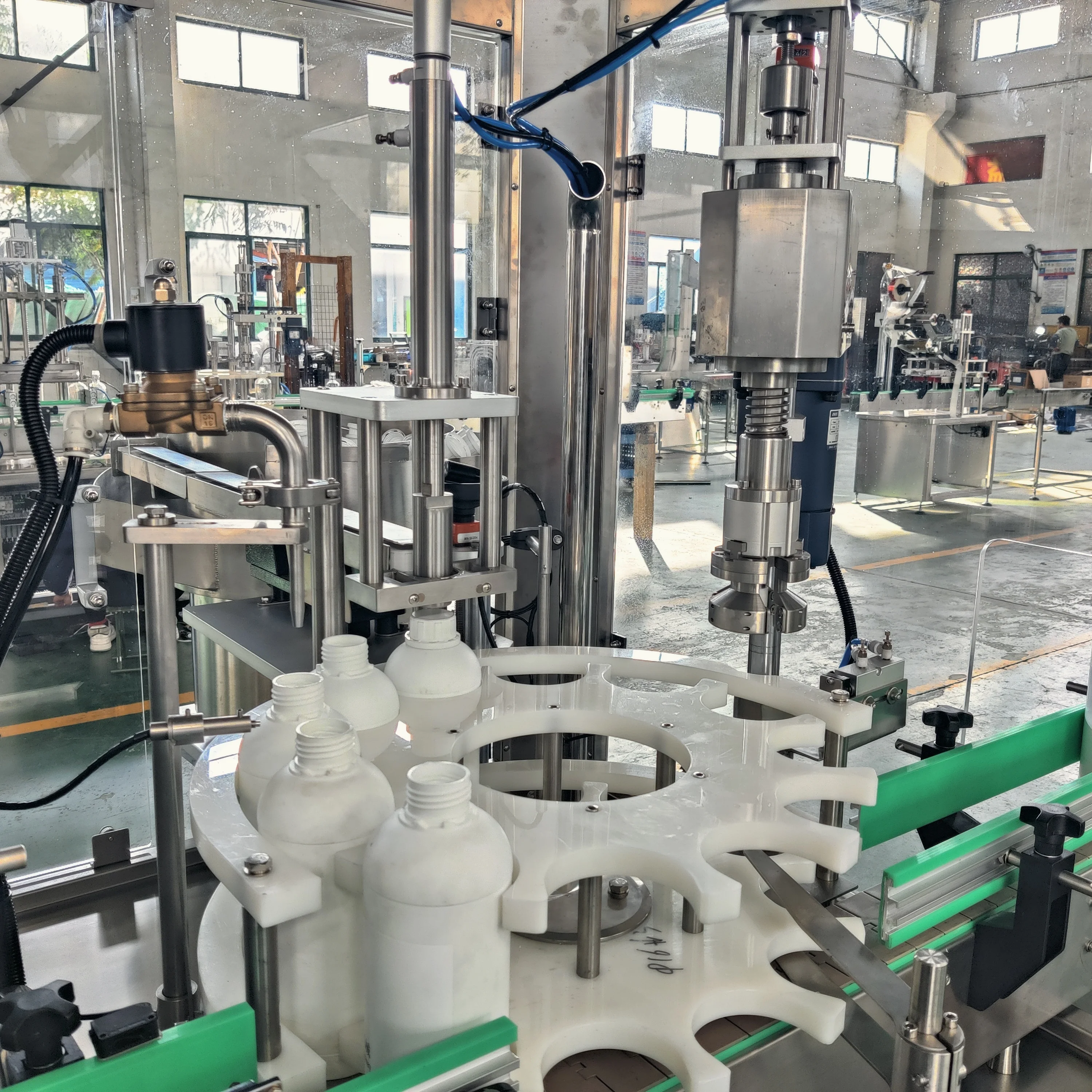
The versatility of contemporary liquid filling machine designs enables manufacturers to handle various product viscosities and container formats with remarkable precision. From thin liquids like beverages and oils to thicker substances such as creams and gels, these machines adapt seamlessly to different production requirements. The integration of advanced control systems and sensor technology ensures consistent fill volumes while minimizing product waste and contamination risks throughout the filling process.
Industrial applications for liquid filling machine systems span numerous sectors, including food and beverage production, pharmaceutical manufacturing, cosmetics, chemical processing, and automotive fluids. Each industry benefits from the enhanced accuracy and speed that modern filling equipment provides, resulting in improved product consistency and reduced operational costs. The ability to customize filling parameters and adjust to different container specifications makes these machines valuable assets for multi-product manufacturing facilities.
Core Technology and Operating Principles
Precision Control Mechanisms
The foundation of effective liquid filling machine operation relies on sophisticated control mechanisms that regulate flow rates, fill volumes, and timing sequences. These systems utilize programmable logic controllers and servo motor technology to achieve precise dispensing accuracy within tight tolerance ranges. Advanced sensors monitor container positioning and liquid levels throughout the filling cycle, ensuring optimal performance and preventing overfills or underfills.
Modern liquid filling machine designs incorporate multiple filling head configurations that can operate simultaneously to increase production throughput. The synchronized operation of these filling heads requires precise timing coordination and pressure regulation to maintain uniform fill levels across all containers. Variable speed controls allow operators to adjust filling rates based on product characteristics and production requirements.
Automated Quality Assurance Features
Contemporary liquid filling machine systems integrate comprehensive quality control features that monitor filling accuracy and detect potential issues in real-time. Weight checking mechanisms verify proper fill levels immediately after the filling process, automatically rejecting containers that fall outside predetermined specifications. These quality assurance protocols help manufacturers maintain consistent product standards while reducing the risk of customer complaints and regulatory compliance issues.
The incorporation of vision inspection systems in advanced liquid filling machine configurations enables automated container verification and proper cap placement confirmation. These optical sensors can detect container defects, missing caps, or improper sealing conditions before products proceed to packaging stages. Such automated inspection capabilities significantly reduce manual quality control requirements while improving overall production reliability.
Industry-Specific Applications and Benefits
Food and Beverage Manufacturing
The food and beverage industry represents one of the largest application segments for liquid filling machine technology, where hygiene standards and product safety requirements demand specialized equipment designs. Sanitary construction materials and easy-clean features ensure compliance with strict food safety regulations while maintaining production efficiency. The ability to handle various beverage types, from carbonated drinks to dairy products, makes these machines essential for diverse food processing operations.
Temperature-controlled filling capabilities allow beverage manufacturers to maintain product integrity during the filling process, particularly for heat-sensitive ingredients or products requiring cold chain preservation. The liquid filling machine systems designed for this industry often feature specialized nozzles and filling methods to prevent foaming and preserve carbonation levels in beverages.
Pharmaceutical and Healthcare Applications
Pharmaceutical manufacturing demands the highest levels of precision and sterility from liquid filling machine systems, as dosage accuracy directly impacts patient safety and treatment efficacy. These machines must comply with stringent regulatory standards while maintaining aseptic conditions throughout the filling process. Advanced filtration systems and sterile filling environments ensure product purity and prevent contamination risks.
The pharmaceutical liquid filling machine configurations often incorporate specialized features such as nitrogen blanketing, positive pressure environments, and validated cleaning procedures to meet industry requirements. Batch tracking capabilities and electronic documentation systems provide complete traceability for regulatory compliance and quality assurance purposes. These features enable pharmaceutical manufacturers to maintain detailed production records while ensuring consistent product quality.
Economic Advantages and Cost Efficiency
Labor Cost Reduction and Productivity Gains
Implementation of automated liquid filling machine systems significantly reduces labor requirements while increasing production capacity compared to manual filling operations. The elimination of repetitive manual tasks allows companies to redeploy workers to higher-value activities while reducing the risk of workplace injuries associated with repetitive motions. Automated systems operate consistently without fatigue or performance variations that typically affect manual workers.
The increased speed and accuracy of liquid filling machine operations translate directly into higher production volumes and improved profit margins. These systems can operate continuously with minimal supervision, enabling extended production runs and reduced per-unit manufacturing costs. The consistent filling accuracy reduces product waste and rework expenses while improving overall equipment effectiveness metrics.
Long-term Investment Value
Modern liquid filling machine designs offer exceptional durability and reliability, providing years of dependable service with proper maintenance and care. The robust construction and high-quality components ensure minimal downtime and repair costs over the equipment's operational lifespan. Regular maintenance programs help maximize equipment longevity while maintaining optimal performance standards.
The scalability of liquid filling machine systems allows manufacturers to expand production capacity by adding additional filling heads or upgrading control systems without complete equipment replacement. This modular approach to capacity expansion provides excellent return on investment while accommodating business growth requirements. Energy-efficient designs also contribute to reduced operational costs and environmental sustainability goals.
Technological Advancements and Future Trends
Smart Manufacturing Integration
The integration of Industry 4.0 technologies into liquid filling machine systems enables real-time monitoring, predictive maintenance, and data-driven optimization of filling processes. Internet of Things connectivity allows remote monitoring and control capabilities, enabling operators to adjust parameters and troubleshoot issues from anywhere. Advanced analytics help identify optimization opportunities and predict maintenance requirements before equipment failures occur.
Machine learning algorithms integrated into modern liquid filling machine control systems can automatically adjust filling parameters based on historical performance data and product characteristics. These intelligent systems continuously improve filling accuracy and efficiency while reducing setup times for product changeovers. The ability to analyze production data helps manufacturers identify trends and optimize their filling processes for maximum efficiency.
Environmental Sustainability Features
Contemporary liquid filling machine designs incorporate numerous environmental sustainability features that reduce energy consumption and minimize waste generation. Variable frequency drives and energy-efficient motors reduce power consumption while maintaining high performance levels. Precise filling control minimizes product waste and reduces environmental impact from manufacturing operations.
The development of liquid filling machine systems compatible with recyclable and biodegradable packaging materials supports manufacturers' sustainability initiatives. Advanced cleaning systems reduce water and chemical consumption while maintaining sanitary conditions. These environmental considerations help companies meet sustainability goals while reducing operational costs and regulatory compliance burdens.
Selection Criteria and Implementation Considerations
Technical Specifications and Requirements
Selecting the appropriate liquid filling machine for specific applications requires careful evaluation of product characteristics, production volume requirements, and facility constraints. Viscosity ranges, chemical compatibility, and temperature requirements must align with equipment specifications to ensure optimal performance. Container size and shape variations also influence machine selection and configuration requirements.
The evaluation of filling accuracy requirements and acceptable tolerance levels helps determine the most suitable liquid filling machine technology for each application. Different filling methods offer varying levels of precision and speed, requiring careful consideration of production priorities and quality standards. Integration requirements with existing production lines and packaging equipment also influence equipment selection decisions.
Installation and Training Requirements
Successful liquid filling machine implementation requires comprehensive planning for installation, training, and ongoing support. Facility modifications may be necessary to accommodate new equipment, including utilities, floor space, and safety systems. Proper installation ensures optimal performance and safety compliance while minimizing startup delays.
Operator training programs ensure safe and efficient liquid filling machine operation while maximizing equipment capabilities. Comprehensive training covers routine operation procedures, maintenance requirements, troubleshooting techniques, and safety protocols. Ongoing technical support and maintenance programs help maintain peak performance and extend equipment lifespan throughout its operational period.
FAQ
What types of liquids can be processed with modern filling machines
Modern liquid filling machine systems can handle a wide range of products including thin liquids like water and juices, medium viscosity products such as oils and sauces, and thick substances including creams and gels. The key is selecting the appropriate filling technology and nozzle configuration for your specific product characteristics and viscosity range.
How do automated filling systems maintain accuracy across different production runs
Advanced liquid filling machine systems utilize precision sensors, servo motors, and programmable controls to maintain consistent fill volumes. Real-time monitoring systems detect variations and automatically adjust parameters to maintain accuracy. Weight checking and vision inspection systems provide additional quality verification to ensure consistent results.
What maintenance requirements are typical for industrial filling equipment
Regular maintenance for liquid filling machine systems includes daily cleaning procedures, periodic calibration checks, component lubrication, and sensor verification. Preventive maintenance schedules help identify potential issues before they cause production disruptions. Most modern systems include diagnostic capabilities that alert operators to maintenance needs and provide troubleshooting guidance.
How quickly can filling machines be reconfigured for different products or containers
Modern liquid filling machine designs feature quick-change capabilities that allow rapid changeovers between different products or container sizes. Depending on the complexity of the change, typical changeover times range from 15 minutes to several hours. Automated adjustment systems and stored recipe parameters help minimize changeover time while ensuring proper setup for each product configuration.
Table of Contents
- Core Technology and Operating Principles
- Industry-Specific Applications and Benefits
- Economic Advantages and Cost Efficiency
- Technological Advancements and Future Trends
- Selection Criteria and Implementation Considerations
-
FAQ
- What types of liquids can be processed with modern filling machines
- How do automated filling systems maintain accuracy across different production runs
- What maintenance requirements are typical for industrial filling equipment
- How quickly can filling machines be reconfigured for different products or containers