 EN
EN
Streamlining Liquid Product Manufacturing with Advanced Filling Solutions
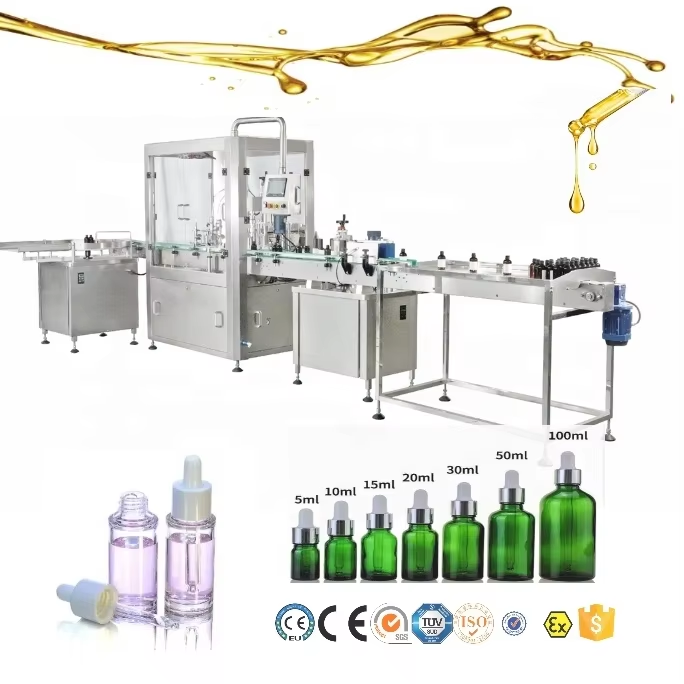
In the ever-evolving landscape of liquid product manufacturing, efficiency and precision have become paramount. A dropper bottle filler represents the pinnacle of modern filling technology, offering manufacturers an automated solution that combines accuracy, speed, and reliability. These sophisticated machines have revolutionized how businesses handle liquid products, from essential oils to pharmaceuticals, ensuring consistent quality while maximizing production output.
The implementation of a dropper bottle filler can transform production lines, eliminating the time-consuming and error-prone process of manual filling. With the capability to handle various liquid viscosities and bottle sizes, these systems have become indispensable tools for businesses looking to scale their operations while maintaining product integrity.
Technical Excellence in Automated Filling Systems
Precision Engineering and Control Mechanisms
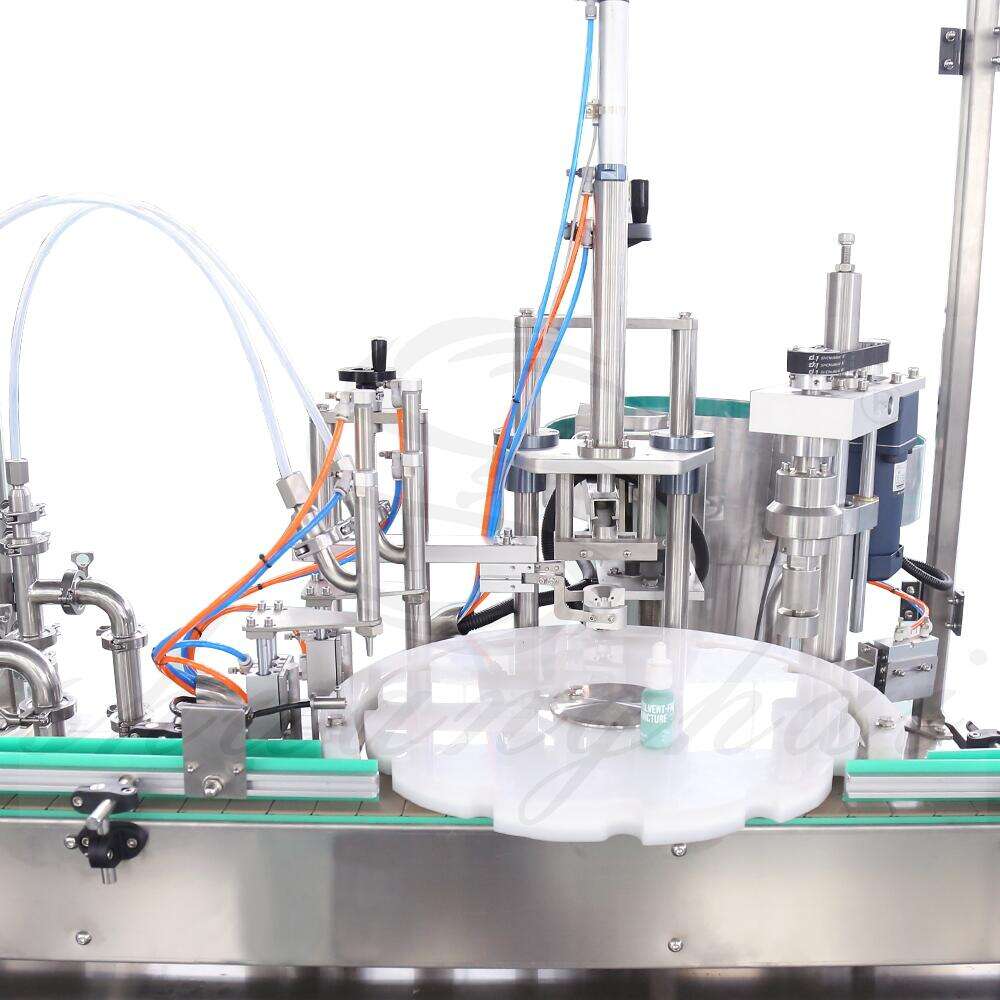
At the heart of every dropper bottle filler lies sophisticated engineering that ensures precise volumetric dispensing. Advanced sensors and calibration systems work in harmony to deliver exact measurements, typically achieving accuracy levels within 0.5% of the target volume. This precision is maintained through computer-controlled operations that monitor and adjust filling parameters in real-time.
The integration of servo-driven pumps and specialized nozzle designs allows these machines to handle diverse product viscosities without compromising accuracy. Whether filling water-based solutions or thick oils, the system maintains consistent performance through sophisticated pressure control and flow rate optimization.
Versatility in Production Capabilities
Modern dropper bottle filler systems offer remarkable adaptability to different production requirements. Quick-change components and tool-less adjustment features enable rapid switchovers between different bottle sizes and product types. This versatility extends to filling speeds, with many systems capable of processing anywhere from 30 to 200 bottles per minute, depending on the model and configuration.
The ability to handle various bottle materials, from glass to plastic, and different closure types makes these machines invaluable for manufacturers working with diverse product lines. Integrated clean-in-place systems further enhance operational efficiency by reducing downtime between product changeovers.
Operational Benefits and Economic Advantages
Enhanced Production Efficiency
Implementing a dropper bottle filler leads to significant improvements in production throughput. The automated nature of these systems eliminates manual handling errors and reduces labor requirements, allowing businesses to reallocate human resources to more strategic tasks. The consistent operating speed and reduced downtime translate to higher daily output volumes and improved overall equipment effectiveness (OEE).
These systems also minimize product waste through precise filling mechanisms and integrated overflow prevention features. The reduction in product loss, combined with the elimination of human error, results in substantial cost savings over time.
Quality Assurance and Compliance
Modern dropper bottle filler machines incorporate advanced quality control features that ensure consistent fill levels and product integrity. Integrated vision systems can detect and reject defective bottles or caps, while sophisticated monitoring systems track key performance indicators throughout the production process. This level of quality control is particularly crucial for manufacturers in regulated industries such as pharmaceuticals and cosmetics.
Documentation and traceability features built into these systems help maintain compliance with industry regulations and standards. Automated record-keeping of production parameters, batch information, and quality control data simplifies audit processes and regulatory reporting requirements.
Future Trends and Technological Advancements
Smart Manufacturing Integration
The evolution of dropper bottle filler technology continues with the integration of Industry 4.0 principles. Modern systems increasingly feature IoT connectivity, allowing real-time monitoring and data analytics capabilities. This connectivity enables predictive maintenance scheduling, remote diagnostics, and performance optimization through machine learning algorithms.
Advanced user interfaces with touchscreen controls and intuitive operation procedures make these systems more accessible to operators while providing detailed production insights. The trend toward smart manufacturing integration promises even greater efficiency improvements and reduced operational costs.
Sustainable Operations and Environmental Impact
Contemporary dropper bottle filler designs increasingly incorporate features that support sustainable manufacturing practices. Energy-efficient components, reduced water consumption in cleaning cycles, and optimized product handling contribute to a smaller environmental footprint. These considerations have become increasingly important as manufacturers face growing pressure to adopt environmentally responsible practices.
The precision filling capabilities also support sustainability goals by minimizing product waste and reducing the use of cleaning chemicals during changeovers. Some advanced systems even incorporate recycling features for collecting and reprocessing product overflow.
Frequently Asked Questions
What maintenance requirements should be considered for a dropper bottle filler?
Regular maintenance typically includes daily cleaning of filling nozzles, weekly calibration checks, and monthly inspection of seals and moving parts. Most modern systems feature preventive maintenance schedules and self-diagnostic capabilities to minimize downtime and ensure optimal performance.
How does a dropper bottle filler handle different product viscosities?
These machines utilize adjustable pump systems and specialized nozzle designs that can be configured for different product viscosities. Advanced models include automatic viscosity sensing and flow rate adjustment features to maintain accurate filling across various product types.
What production speed can be expected from a dropper bottle filler?
Production speeds vary depending on the model, product characteristics, and bottle size, but typical ranges are from 30 to 200 bottles per minute. High-end systems can achieve even higher speeds while maintaining filling accuracy and quality control standards.