
 EN
EN
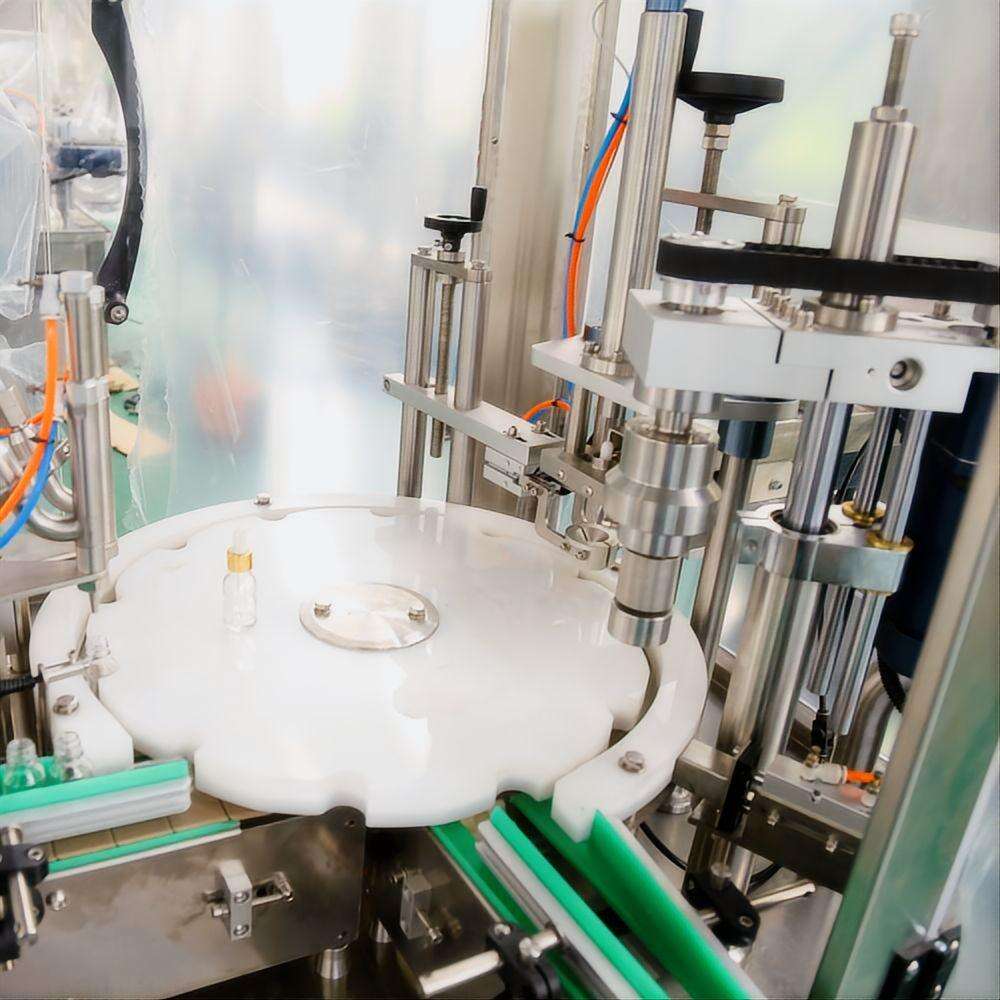
Modern Manufacturing Solutions in Essential Oil Production
The essential oil industry has witnessed remarkable growth over the past decade, with increasing demands for precise, efficient, and contamination-free production processes. At the heart of this evolution lies the essential oil filling machine, a sophisticated piece of equipment that has revolutionized how manufacturers bottle and package these precious aromatic compounds. This advanced technology ensures not just accuracy in measurement but also maintains the integrity and potency of these sensitive natural extracts.
The integration of essential oil filling machines into production lines has become a game-changer for both large-scale manufacturers and boutique essential oil producers. These machines represent the perfect blend of precision engineering and practical functionality, offering solutions to age-old challenges in essential oil packaging and distribution.
Technical Precision and Quality Control
Advanced Measurement Systems
Essential oil filling machines incorporate state-of-the-art measurement systems that guarantee precise volumetric filling. These systems utilize advanced sensors and calibrated mechanisms to ensure each bottle receives exactly the specified amount of oil. The precision extends to measurements as small as 0.1ml, which is crucial when dealing with high-value essential oils where every drop counts.
The technology behind these measurement systems includes sophisticated flow meters and weight-based filling mechanisms that continuously monitor and adjust the filling process. This level of accuracy not only ensures customer satisfaction but also helps manufacturers maintain strict quality control standards and minimize product waste.
Contamination Prevention Features
Modern essential oil filling machines are equipped with advanced contamination prevention systems. These include sealed filling chambers, sanitized pipelines, and automated cleaning cycles that maintain a sterile environment throughout the filling process. The machines are typically constructed from pharmaceutical-grade stainless steel and feature specialized seals and gaskets that prevent any potential contamination.
The implementation of these features ensures that the essential oils maintain their purity from the source container to the final packaging. This is particularly important given the sensitive nature of essential oils and their susceptibility to oxidation and contamination.
Operational Efficiency and Productivity
Automated Processing Capabilities
The essential oil filling machine dramatically improves operational efficiency through its automated capabilities. Modern systems can handle multiple bottle sizes and filling volumes without requiring extensive reconfiguration. This flexibility allows manufacturers to switch between different products and packaging sizes with minimal downtime, significantly increasing overall productivity.
These machines often feature programmable logic controllers (PLCs) that can store multiple filling programs and automatically adjust parameters based on the selected product type. The automation extends to bottle handling, cap tightening, and labeling, creating a seamless production flow.
Speed and Volume Management
One of the most significant advantages of using an essential oil filling machine is its ability to maintain high speeds while ensuring accuracy. Advanced models can fill hundreds of bottles per hour while maintaining precise measurements for each unit. The machines feature adjustable speed controls that allow operators to optimize the filling rate based on the specific properties of different essential oils.
The volume management systems in these machines include overflow protection and automatic shut-off features that prevent waste and ensure consistent fill levels across all bottles. This level of control is especially valuable when handling expensive essential oils where loss prevention is crucial.

Cost-Effectiveness and Return on Investment
Labor and Resource Optimization
Implementing an essential oil filling machine leads to significant labor cost reductions. The automated nature of these machines means fewer personnel are required for the filling process, and those workers can be reassigned to more value-adding tasks. The precision of the machinery also results in less product waste, contributing to better resource utilization.
The machines help standardize the production process, reducing the likelihood of human error and the associated costs of quality control issues. This standardization leads to more predictable production schedules and better inventory management.
Long-term Financial Benefits
While the initial investment in an essential oil filling machine may seem substantial, the long-term financial benefits are considerable. The increased production capacity, reduced labor costs, and minimal product waste contribute to a faster return on investment. Additionally, the improved quality control and consistency help build brand reputation and customer trust, leading to sustained business growth.
Manufacturers also benefit from reduced maintenance costs compared to manual filling systems, as these machines are built for durability and continuous operation. The automated cleaning and sanitization features help extend the equipment's lifespan while maintaining optimal performance.
Future Trends and Technological Advancements
Smart Manufacturing Integration
The future of essential oil filling machines lies in their integration with smart manufacturing systems. Industry 4.0 technologies are being incorporated into newer models, enabling real-time monitoring, predictive maintenance, and data analytics. These features allow manufacturers to optimize their operations further and maintain consistent quality standards.
Advanced connectivity options enable remote monitoring and control, allowing operators to adjust parameters and troubleshoot issues from anywhere. This level of control and monitoring ensures maximum uptime and efficiency in the production process.
Sustainability Features
Modern essential oil filling machines are being designed with sustainability in mind. New models incorporate energy-efficient components and eco-friendly materials. Some machines now feature recycling systems for cleaning solutions and improved power management systems that reduce environmental impact while maintaining high performance standards.
Manufacturers are also developing machines with reduced water consumption for cleaning cycles and more efficient product recovery systems, addressing both environmental concerns and cost-effectiveness in operation.
Frequently Asked Questions
What maintenance is required for an essential oil filling machine?
Regular maintenance includes daily cleaning of contact parts, weekly calibration checks, and monthly comprehensive inspections of all components. Professional servicing is recommended quarterly to ensure optimal performance and longevity of the equipment.
How does an essential oil filling machine handle different viscosity oils?
Modern filling machines feature adjustable parameters and specialized nozzles that can accommodate various oil viscosities. The machines include temperature control systems and adjustable flow rates to ensure accurate filling regardless of the oil's consistency.
What safety features are included in essential oil filling machines?
Standard safety features include emergency stop buttons, overflow protection, automatic shut-off systems, and sealed filling chambers to prevent spills. Advanced models also include pressure monitoring systems and safety interlocks to protect both operators and products.