
 EN
EN
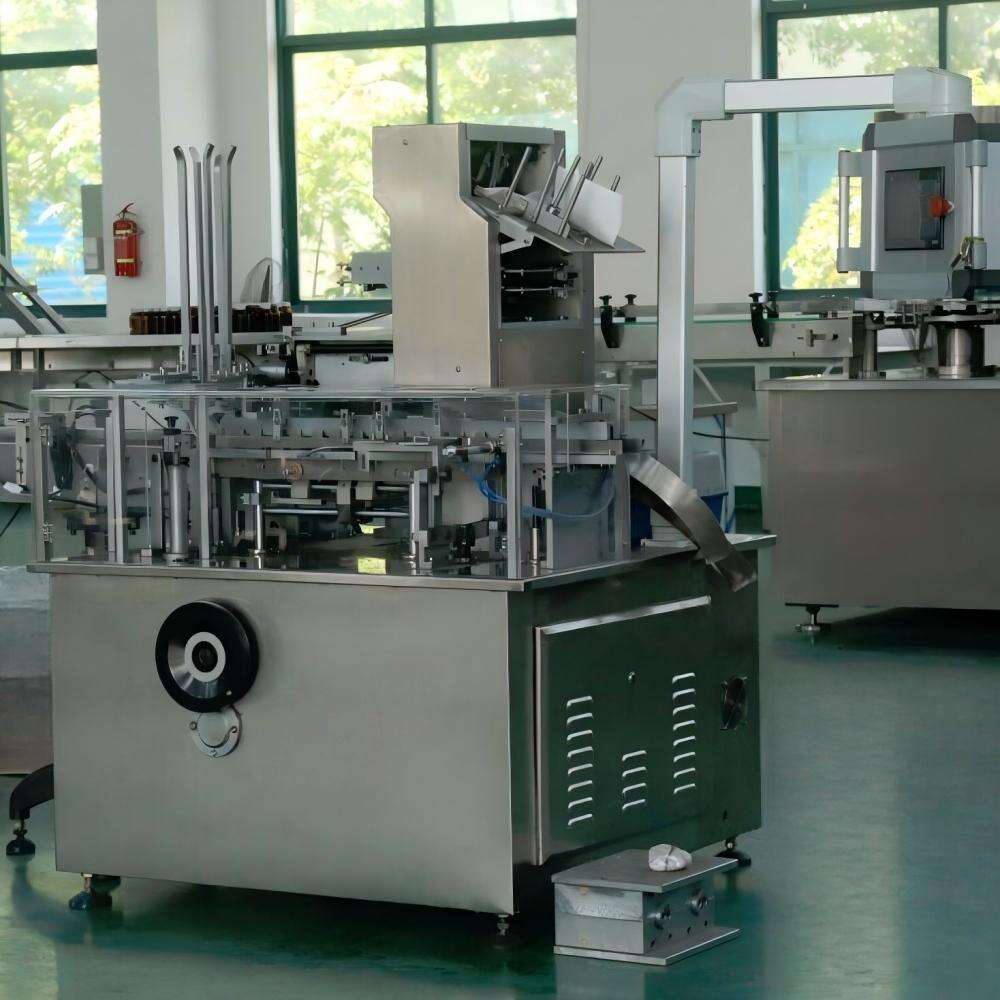
Product safety during transit remains a critical concern for manufacturers across industries, with damaged goods leading to significant financial losses and customer dissatisfaction. Modern packaging solutions have evolved to address these challenges, with automated systems offering unprecedented levels of protection and consistency. A carton packing machine represents one of the most effective approaches to ensuring products reach their destination intact, providing standardized packaging processes that minimize human error and optimize protective capabilities.
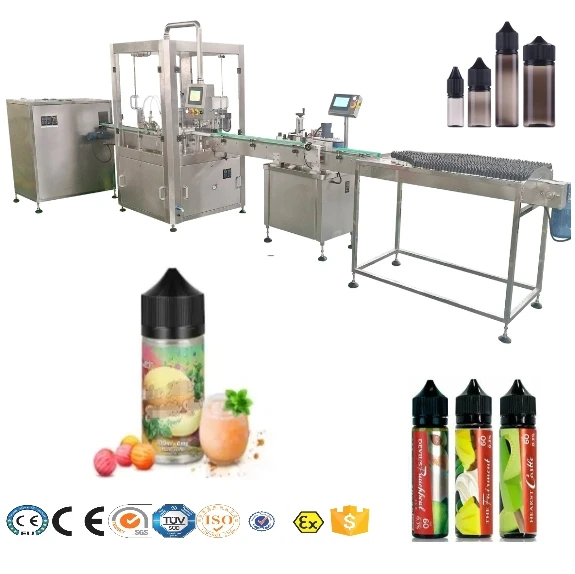
The implementation of automated packaging systems has transformed how businesses approach product protection, moving beyond traditional manual methods to embrace technology-driven solutions. These sophisticated machines not only enhance safety protocols but also deliver consistent results that manual packaging simply cannot match. Understanding the relationship between automated packaging and transit safety requires examining multiple factors that contribute to overall product protection throughout the supply chain.
Enhanced Protection Through Automated Packaging Systems
Precision Carton Forming and Sealing
Automated packaging systems excel in creating uniform carton structures that provide optimal protection for enclosed products. The precision mechanisms within a carton packing machine ensure consistent fold lines, proper adhesive application, and secure closure points that maintain integrity under various stress conditions. This mechanical consistency eliminates the variability inherent in manual packaging processes, where human factors can compromise structural soundness.
The sealing capabilities of modern packaging equipment extend beyond simple closure mechanisms to include advanced bonding techniques. Heat sealing, pressure application, and adhesive distribution systems work in concert to create tamper-evident packages that resist opening during handling and transportation. These features directly contribute to maintaining product integrity while providing visual indicators of potential tampering attempts.
Standardized Packaging Dimensions
Dimensional consistency plays a crucial role in transit safety, as standardized packaging facilitates proper stacking, loading, and securing within transportation vehicles. A carton packing machine produces packages with identical specifications, enabling logistics teams to optimize space utilization while maintaining structural stability throughout the shipping process. This uniformity reduces the risk of package deformation and product damage caused by irregular loading patterns.
The ability to maintain consistent external dimensions also supports automated handling systems throughout the distribution network. Conveyor systems, sorting equipment, and robotic handlers operate most effectively with uniform package sizes, reducing mechanical stress and handling errors that could compromise product safety. These operational benefits compound throughout the supply chain to deliver improved protection outcomes.
Material Optimization and Protective Characteristics
Advanced Cushioning Integration
Modern packaging systems incorporate sophisticated cushioning materials and placement techniques that significantly enhance product protection during transit. The integration capabilities of a carton packing machine allow for precise positioning of protective inserts, foam padding, and air cushions that absorb shock and vibration forces encountered during transportation. This automated placement ensures consistent protection levels across all packaged units.
The selection of appropriate cushioning materials depends on product characteristics, transportation modes, and environmental conditions expected during transit. Automated systems can accommodate various protective materials including expanded polystyrene, polyurethane foam, inflatable bladders, and corrugated inserts. The precision placement capabilities ensure optimal material utilization while maximizing protective effectiveness.
Barrier Protection Implementation
Environmental protection represents another critical aspect of transit safety, particularly for products sensitive to moisture, temperature variations, or contamination. Advanced packaging machines incorporate barrier films, desiccant packets, and vapor-resistant materials that create protective environments within sealed cartons. These features are essential for maintaining product quality during extended transportation periods or challenging environmental conditions.
The integration of barrier protection systems requires precise coordination between various machine components to ensure proper material placement and sealing. A carton packing machine equipped with barrier integration capabilities can automatically position moisture barriers, apply protective coatings, and create sealed chambers that isolate products from external environmental factors.
Quality Control and Consistency Benefits
Elimination of Human Error Factors
Manual packaging processes introduce variability that can compromise product safety through inconsistent application of protective measures, improper sealing techniques, or inadequate material usage. Automated systems eliminate these human error factors by following predetermined procedures with mechanical precision. Every package receives identical treatment regardless of operator fatigue, distraction, or skill level variations that affect manual operations.
The consistency achieved through automation extends to every aspect of the packaging process, from initial carton formation through final sealing and labeling. This standardization ensures that each product receives optimal protection levels, reducing the statistical likelihood of transit damage across entire production batches. The reliability of automated processes supports quality assurance programs and helps maintain consistent customer satisfaction levels.
Real-Time Quality Monitoring
Contemporary packaging systems incorporate sensor technologies and monitoring capabilities that continuously assess packaging quality throughout the production process. Vision systems can detect improper sealing, missing components, or dimensional irregularities that could compromise transit safety. These monitoring capabilities enable immediate corrective actions before defective packages enter the distribution system.
The integration of quality monitoring systems with a carton packing machine creates feedback loops that optimize packaging parameters based on real-time performance data. Statistical process control techniques help maintain packaging quality within specified tolerances while identifying trends that could indicate developing issues. This proactive approach prevents quality degradation and maintains consistent protection levels.
Economic Advantages of Automated Safety Enhancement
Reduced Damage Claims and Returns
The implementation of automated packaging systems typically results in measurable reductions in product damage claims and customer returns. Consistent packaging quality translates directly into lower damage rates during transportation, reducing the financial impact of replacement costs, return processing expenses, and customer satisfaction issues. These economic benefits often justify the initial investment in automated packaging equipment within relatively short timeframes.
The cost implications extend beyond direct damage replacement to include associated expenses such as investigation time, insurance claims processing, and potential customer relationship impacts. A carton packing machine that consistently delivers superior protection helps minimize these indirect costs while supporting reputation management objectives. The cumulative economic impact of reduced damage claims can significantly improve overall profitability.
Insurance and Liability Considerations
Insurance providers increasingly recognize the risk reduction benefits associated with automated packaging systems, often offering premium reductions for businesses that implement consistent, documented packaging processes. The ability to demonstrate standardized protection measures through automated systems supports liability defense strategies and may reduce exposure to product liability claims related to inadequate packaging.
Documentation capabilities inherent in automated systems provide valuable evidence for insurance claims and legal proceedings. Machine records can verify that proper packaging procedures were followed, supporting damage claims against carriers while demonstrating due diligence in product protection efforts. This documentation capability adds another layer of economic protection beyond the direct safety benefits.
Integration with Modern Supply Chain Operations
Compatibility with Automated Handling Systems
The standardization achieved through automated packaging enhances compatibility with downstream handling systems throughout the distribution network. Uniform package dimensions, consistent weight distribution, and reliable structural characteristics enable optimal performance of conveyor systems, sorting equipment, and robotic handlers. This compatibility reduces handling stress and minimizes opportunities for damage during warehouse and transportation operations.
Modern distribution centers increasingly rely on automated systems for efficient order processing and shipment preparation. Packages produced by a carton packing machine integrate seamlessly with these automated environments, supporting high-speed processing while maintaining product protection standards. The synergy between packaging automation and distribution automation creates compound benefits for overall supply chain performance.
Traceability and Documentation Enhancement
Automated packaging systems support enhanced traceability capabilities through integrated labeling, coding, and data capture functions. These features enable precise tracking of packaging parameters, production timestamps, and quality metrics that support supply chain visibility and problem resolution efforts. The documentation capabilities prove valuable for investigating damage incidents and implementing corrective measures.
The data integration capabilities of modern packaging equipment support enterprise resource planning systems and supply chain management platforms. This connectivity enables real-time monitoring of packaging performance, predictive maintenance scheduling, and optimization of packaging parameters based on transit performance feedback. Such integration capabilities maximize the safety and efficiency benefits of automated packaging investments.
Future Developments in Packaging Safety Technology
Smart Packaging Integration
Emerging technologies are expanding the capabilities of automated packaging systems to include smart sensors, environmental monitoring, and condition reporting features. These innovations enable real-time tracking of package conditions during transit, providing immediate alerts when environmental parameters exceed safe ranges or when impacts occur that could compromise product integrity.
The integration of Internet of Things technologies with a carton packing machine creates opportunities for continuous improvement of packaging effectiveness based on field performance data. Machine learning algorithms can analyze transportation conditions, damage patterns, and packaging performance to optimize protective measures automatically. These technological advances promise even greater safety improvements in future packaging systems.
Sustainability and Safety Balance
Contemporary packaging development increasingly focuses on balancing environmental sustainability with protection effectiveness. Advanced materials and design optimization techniques enable reduced material usage without compromising safety performance. Automated systems support these sustainability objectives through precise material application and waste reduction capabilities.
The evolution of sustainable packaging materials presents both opportunities and challenges for maintaining transit safety standards. A carton packing machine must adapt to accommodate new material characteristics while maintaining consistent protection levels. This adaptability ensures that environmental responsibility objectives can be achieved without sacrificing product safety requirements.
FAQ
How does automated packaging compare to manual methods for transit safety
Automated packaging systems consistently outperform manual methods in transit safety metrics due to elimination of human error factors, standardized application of protective measures, and precise control of packaging parameters. While manual packaging can achieve good results with skilled operators, the consistency and reliability of automated systems provide superior overall protection levels across large production volumes.
What types of products benefit most from automated carton packaging
Products that benefit most from automated carton packaging include fragile items requiring consistent cushioning, products with specific environmental protection requirements, high-value goods where damage costs are significant, and items shipped in large volumes where consistency is critical. The carton packing machine technology adapts to various product types while maintaining optimal protection standards.
Can automated packaging systems accommodate different carton sizes and configurations
Modern automated packaging systems offer significant flexibility in accommodating various carton sizes, configurations, and packaging requirements. Quick-change features enable rapid transitions between different package formats, while programmable controls allow precise adjustment of packaging parameters for optimal product protection across diverse product lines.
What maintenance requirements are associated with automated packaging equipment
Automated packaging equipment requires regular preventive maintenance including lubrication, calibration checks, wear component replacement, and system cleaning to maintain optimal performance. However, the maintenance requirements are typically offset by improved packaging consistency, reduced labor costs, and lower damage rates that result from properly maintained automated systems.
Table of Contents
- Enhanced Protection Through Automated Packaging Systems
- Material Optimization and Protective Characteristics
- Quality Control and Consistency Benefits
- Economic Advantages of Automated Safety Enhancement
- Integration with Modern Supply Chain Operations
- Future Developments in Packaging Safety Technology
-
FAQ
- How does automated packaging compare to manual methods for transit safety
- What types of products benefit most from automated carton packaging
- Can automated packaging systems accommodate different carton sizes and configurations
- What maintenance requirements are associated with automated packaging equipment