
 EN
EN
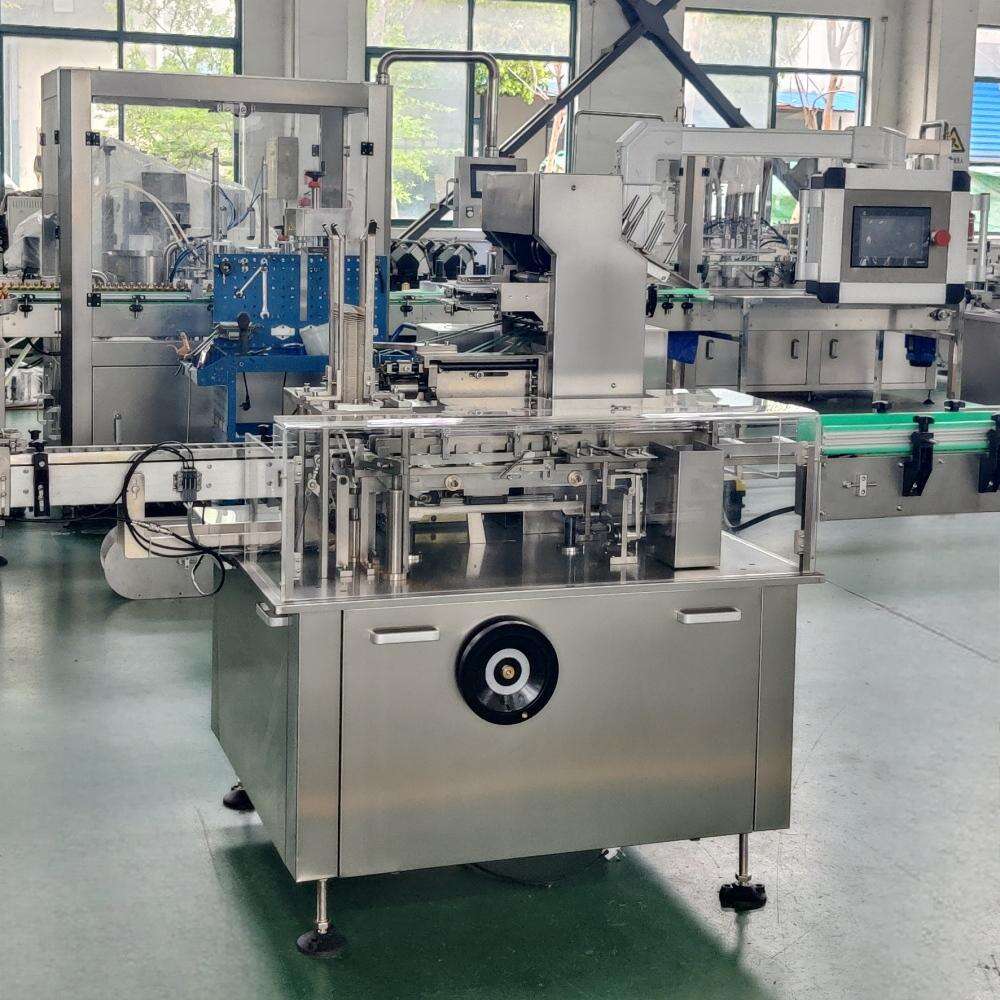
Modern manufacturing environments demand efficiency, precision, and reliability in every aspect of production. When evaluating packaging solutions for your factory, selecting the right equipment can significantly impact your operational success. A carton packing machine offers advanced automation capabilities that streamline packaging processes while maintaining consistent quality standards. These sophisticated systems integrate seamlessly into existing production lines, providing manufacturers with the technological edge needed to compete in today's fast-paced market.
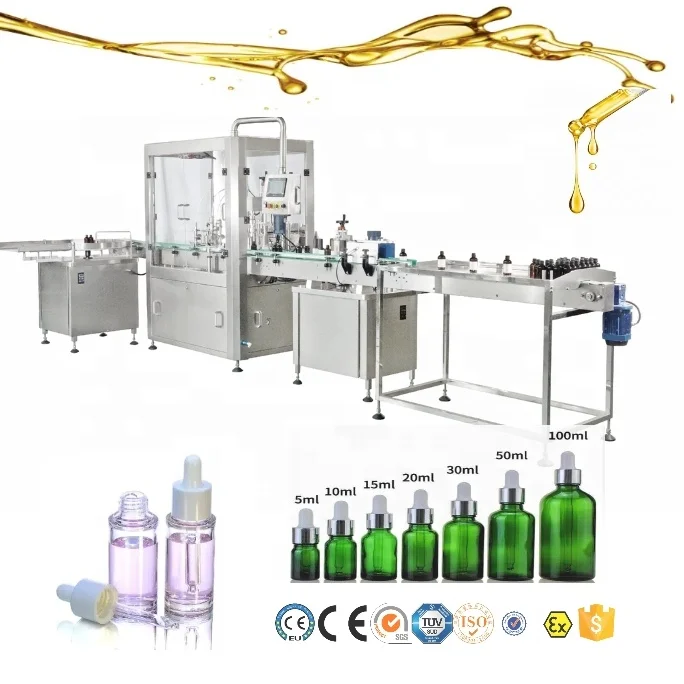
The evolution of packaging technology has transformed how manufacturers approach product preparation and distribution. Intelligent labeling systems represent a significant advancement in automated packaging solutions, offering unprecedented control over labeling accuracy and speed. These systems work in conjunction with carton packing machine technology to create comprehensive packaging lines that handle multiple product types and packaging requirements. The integration of smart sensors, programmable logic controllers, and advanced software enables real-time monitoring and adjustment of packaging parameters.
Factory managers increasingly recognize the importance of investing in automated packaging solutions that reduce labor costs while improving output quality. A modern carton packing machine equipped with intelligent labeling capabilities can process hundreds of products per hour, maintaining consistent label placement and reducing waste from mislabeled items. This level of automation allows skilled workers to focus on higher-value tasks while the machinery handles repetitive packaging operations with remarkable precision.
Advanced Automation Features in Modern Packaging Systems
Precision Control Technologies
Contemporary packaging machinery incorporates sophisticated control systems that ensure precise label placement and carton handling. These systems utilize servo motors, vision inspection cameras, and feedback sensors to maintain optimal positioning throughout the packaging process. The carton packing machine integrates multiple control points that continuously monitor product flow, label dispensing, and packaging integrity. Advanced algorithms automatically adjust machine parameters based on product specifications and environmental conditions, ensuring consistent results across extended production runs.
Temperature compensation features account for ambient conditions that might affect label adhesion or material behavior. Pressure sensors monitor the application force applied during labeling, preventing damage to delicate products while ensuring secure label attachment. These precision control technologies work together to create a packaging system that adapts to varying product dimensions and labeling requirements without manual intervention.
Integration Capabilities and Flexibility
Modern packaging systems excel in their ability to integrate with existing factory infrastructure and accommodate diverse product lines. A well-designed carton packing machine can handle multiple product sizes and shapes through quick-change tooling and adjustable conveyor systems. Communication protocols enable seamless data exchange between packaging equipment and factory management systems, providing real-time production metrics and quality assurance data.
Modular design principles allow manufacturers to expand packaging capabilities as production requirements grow. Additional stations can be incorporated into existing lines, including secondary packaging operations, quality inspection modules, and automated sorting systems. This flexibility ensures that initial equipment investments continue to provide value as business needs evolve and production volumes increase.
Operational Efficiency and Cost Benefits
Labor Cost Reduction
Automated packaging solutions dramatically reduce labor requirements while improving overall productivity. A single carton packing machine operator can oversee multiple packaging lines simultaneously, maximizing workforce utilization and reducing per-unit labor costs. Skilled technicians can focus on preventive maintenance, quality control, and process optimization rather than repetitive manual packaging tasks. This reallocation of human resources creates opportunities for employee development and career advancement within the organization.
Training requirements for automated packaging systems are typically less extensive than traditional manual processes, as operators primarily monitor system performance and handle exception situations. Standardized operating procedures reduce the learning curve for new employees and minimize the risk of packaging errors due to human factors. Consistent packaging quality reduces customer complaints and product returns, further improving operational efficiency.
Material Waste Minimization
Intelligent packaging systems significantly reduce material waste through precise control of packaging materials and improved accuracy in label application. Vision systems detect packaging defects before products leave the production line, allowing for immediate correction rather than discovering issues during quality inspections or customer complaints. The carton packing machine optimizes material usage by accurately measuring and cutting packaging materials to minimize waste while ensuring adequate product protection.
Automated systems maintain consistent packaging parameters, reducing variations that can lead to over-packaging or insufficient protection. Recipe management features store optimal settings for different products, ensuring that material usage remains consistent across production runs. This level of control helps manufacturers meet sustainability goals while reducing packaging costs and improving profit margins.
Quality Control and Compliance Advantages
Traceability and Documentation
Advanced packaging systems provide comprehensive traceability capabilities that meet regulatory requirements and support quality management initiatives. Each carton packing machine can generate detailed production records that include timestamps, operator information, material lot numbers, and quality inspection results. This documentation proves invaluable during audits, product recalls, or customer inquiries about specific product batches.
Integrated barcode and RFID systems enable automatic data capture throughout the packaging process, eliminating manual data entry errors and ensuring accurate record-keeping. Real-time data collection supports statistical process control initiatives and helps identify trends that might indicate equipment maintenance needs or process optimization opportunities. These capabilities are essential for manufacturers serving regulated industries or implementing lean manufacturing principles.
Consistency and Reliability Standards
Automated packaging equipment delivers consistent results that exceed manual packaging capabilities in terms of accuracy and repeatability. Vision inspection systems verify label placement, text legibility, and overall packaging quality for every product processed. The carton packing machine maintains precise control over packaging parameters, ensuring that each product meets established quality standards regardless of production volume or shift changes.
Statistical quality control features continuously monitor packaging performance and alert operators to any deviations from established parameters. Preventive maintenance scheduling helps maintain equipment performance and reduces the likelihood of unexpected breakdowns that could affect product quality or delivery schedules. This reliability is crucial for manufacturers who must meet strict customer requirements and delivery commitments.
Technology Integration and Future-Proofing
Industry 4.0 Connectivity
Modern packaging systems embrace Industry 4.0 principles through comprehensive connectivity and data analytics capabilities. Cloud-based monitoring systems enable remote access to equipment performance data, allowing maintenance teams to diagnose issues and optimize performance from anywhere. The carton packing machine can communicate with enterprise resource planning systems to automatically adjust production schedules based on inventory levels and customer demand patterns.
Predictive maintenance algorithms analyze equipment performance data to identify potential issues before they result in downtime. Machine learning capabilities enable continuous improvement in packaging processes by identifying optimization opportunities and automatically implementing approved changes. These advanced features help manufacturers maintain competitive advantages while reducing operational costs and improving customer satisfaction.
Scalability and Upgrade Potential
Investment in modern packaging technology provides a foundation for future growth and technological advancement. Modular equipment designs allow for capacity expansion and capability enhancement without requiring complete system replacement. Software updates can add new features and improve performance over time, extending equipment life and maximizing return on investment.
Standardized communication protocols ensure compatibility with future automation components and factory management systems. This forward-thinking approach protects capital investments while providing flexibility to adapt to changing market conditions and customer requirements. Manufacturers can confidently invest in packaging automation knowing that their systems will continue to provide value as technology evolves.
Implementation Considerations and Best Practices
Site Preparation and Installation Requirements
Successful implementation of automated packaging systems requires careful planning and preparation of the installation site. Electrical requirements for a carton packing machine typically include dedicated power circuits with appropriate voltage and amperage capacity. Compressed air systems must provide clean, dry air at specified pressure levels to ensure reliable operation of pneumatic components. Adequate space allocation allows for equipment access, maintenance activities, and material flow optimization.
Environmental considerations include temperature control, humidity management, and protection from dust and debris that could affect equipment performance. Proper lighting levels ensure that vision systems and operators can function effectively throughout all shifts. Network infrastructure must support data communication requirements and provide reliable connectivity for remote monitoring and control capabilities.
Training and Change Management
Effective training programs ensure that operators and maintenance personnel can maximize the benefits of automated packaging systems. Comprehensive training covers normal operation procedures, troubleshooting techniques, preventive maintenance tasks, and safety protocols. Hands-on training with actual equipment helps personnel develop confidence and competence in system operation and maintenance.
Change management initiatives help organizations adapt to new processes and technologies while maintaining productivity during transition periods. Clear communication about the benefits and capabilities of the new carton packing machine helps gain employee acceptance and support. Ongoing training updates ensure that personnel remain current with system capabilities and best practices as processes evolve and improve.
FAQ
What maintenance requirements are typical for automated packaging systems?
Regular maintenance for a carton packing machine includes daily cleaning and inspection procedures, weekly lubrication of moving components, and monthly calibration of sensors and control systems. Scheduled maintenance activities include replacement of wear components such as belts, seals, and filters according to manufacturer recommendations. Preventive maintenance programs help maximize equipment uptime and extend service life while maintaining optimal performance levels.
How do intelligent labeling systems handle different product sizes and shapes?
Modern packaging systems utilize adjustable guides, variable-speed conveyors, and programmable control systems to accommodate diverse product specifications. Quick-change tooling allows operators to switch between product types with minimal downtime. Recipe management features store optimal settings for different products, ensuring consistent results across various packaging requirements. Vision systems automatically detect product dimensions and adjust labeling parameters accordingly.
What return on investment can manufacturers expect from packaging automation?
Typical payback periods for carton packing machine investments range from 12 to 24 months, depending on production volumes and labor cost savings. Benefits include reduced labor costs, improved packaging consistency, decreased material waste, and increased production capacity. Long-term advantages include enhanced product quality, improved customer satisfaction, and competitive advantages in the marketplace. Comprehensive cost-benefit analyses should consider both direct savings and indirect benefits such as improved employee satisfaction and reduced quality issues.
How does automated packaging equipment integrate with existing factory systems?
Integration capabilities include communication with enterprise resource planning systems, manufacturing execution systems, and quality management databases. Standardized protocols such as Ethernet/IP and OPC-UA enable seamless data exchange between packaging equipment and factory networks. Real-time production data supports inventory management, production scheduling, and quality tracking initiatives. Custom integration solutions can accommodate unique requirements and legacy systems while maintaining operational efficiency.
Table of Contents
- Advanced Automation Features in Modern Packaging Systems
- Operational Efficiency and Cost Benefits
- Quality Control and Compliance Advantages
- Technology Integration and Future-Proofing
- Implementation Considerations and Best Practices
-
FAQ
- What maintenance requirements are typical for automated packaging systems?
- How do intelligent labeling systems handle different product sizes and shapes?
- What return on investment can manufacturers expect from packaging automation?
- How does automated packaging equipment integrate with existing factory systems?