
 EN
EN
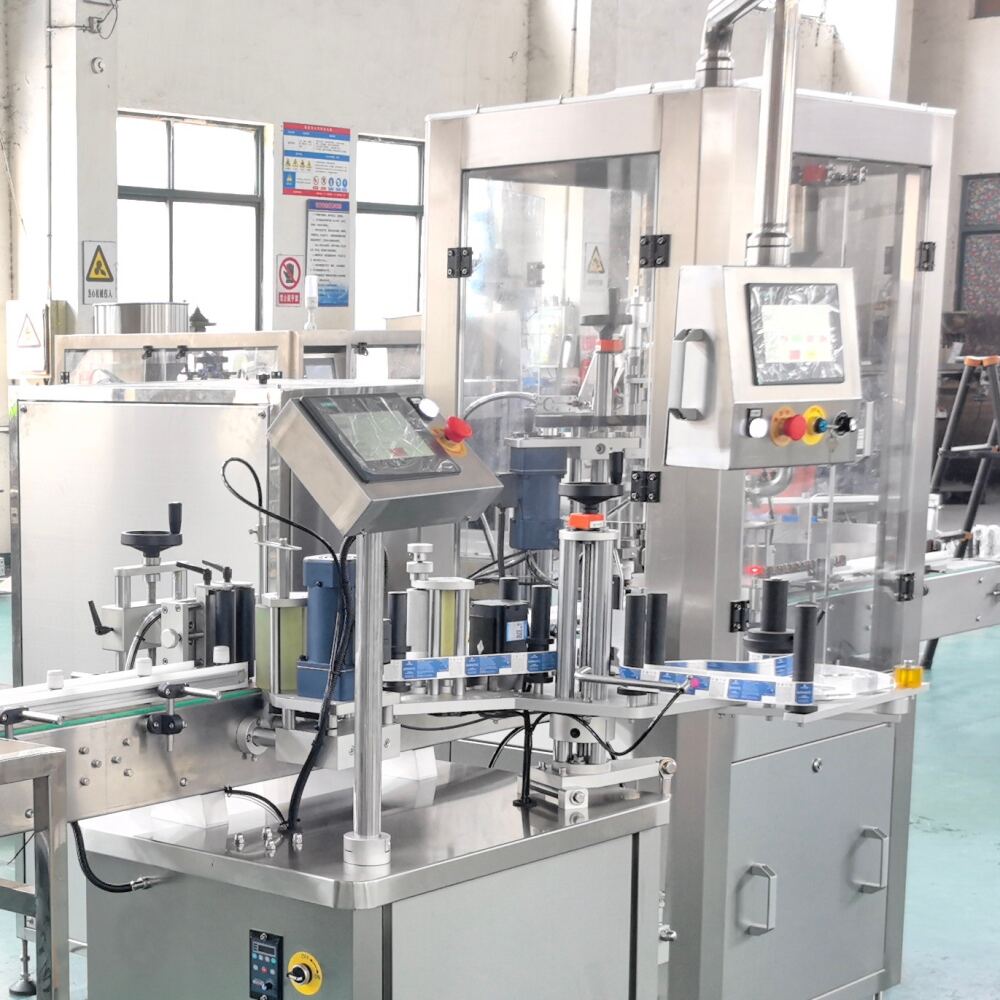
Modern manufacturing and packaging operations rely heavily on precision, speed, and consistency to meet growing consumer demands. The evolution of packaging technology has brought significant improvements in automated systems, with labeling equipment standing at the forefront of this transformation. A labeling machine represents a critical investment for businesses seeking to enhance their production capabilities while maintaining high standards of quality and efficiency. These sophisticated systems have revolutionized how products are identified, branded, and prepared for market distribution across various industries.
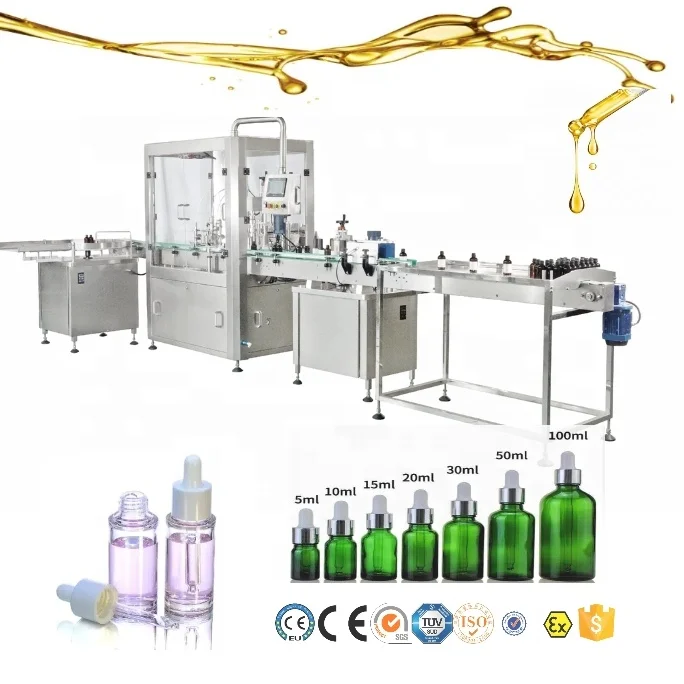
The pharmaceutical, food and beverage, cosmetics, and chemical industries have all embraced automated labeling solutions to streamline their operations. As regulatory requirements become increasingly stringent and market competition intensifies, manufacturers must ensure accurate product identification while maximizing throughput. Understanding the comprehensive advantages of modern labeling systems enables decision-makers to evaluate their potential return on investment and operational impact.
Enhanced Production Efficiency and Speed
Accelerated Throughput Capabilities
Contemporary labeling machine systems deliver remarkable speed improvements compared to manual application methods. These automated solutions can process hundreds or thousands of units per hour, depending on the specific model and application requirements. The consistent pace maintained by mechanical systems eliminates the variability associated with human operators, ensuring steady production flow throughout extended operational periods.
Advanced servo-driven mechanisms and precision timing controls enable these systems to synchronize perfectly with upstream and downstream equipment. This integration creates seamless production lines where products move continuously without bottlenecks or delays. The ability to maintain consistent speeds regardless of operator fatigue or skill level represents a fundamental advantage for high-volume manufacturing environments.
Reduced Labor Dependencies
Automation significantly reduces the workforce requirements for labeling operations while redirecting human resources to more value-added activities. A single operator can typically oversee multiple labeling machine units simultaneously, monitoring performance and making adjustments as needed. This efficiency gain translates to substantial labor cost savings over time, particularly in facilities with extensive packaging requirements.
The reduction in manual handling also minimizes the risk of repetitive strain injuries and other workplace safety concerns associated with manual labeling processes. Workers can focus on quality control, maintenance activities, and process optimization rather than repetitive application tasks. This improved working environment often leads to higher employee satisfaction and retention rates.
Superior Accuracy and Consistency
Precise Label Placement
Modern labeling systems incorporate advanced sensor technology and positioning controls to ensure accurate label placement within tight tolerances. Vision systems can detect container orientation, surface variations, and positioning requirements to adjust application parameters in real-time. This precision capability ensures consistent brand presentation and regulatory compliance across all labeled products.
The elimination of human error factors results in significantly reduced waste and rework costs. Misaligned or incorrectly applied labels that require manual correction become rare occurrences when automated systems are properly calibrated and maintained. This consistency proves particularly valuable for products with multiple label elements or complex application requirements.
Standardized Quality Control
Automated systems maintain consistent application pressure, temperature, and timing parameters that directly impact label adhesion quality. These controlled conditions ensure optimal bonding between labels and container surfaces, preventing premature failure or detachment during handling and storage. Quality assurance becomes more predictable when process variables remain within established parameters.
Integration with quality monitoring systems enables real-time verification of label application success. Rejected products can be automatically diverted for correction or removal, maintaining overall production quality without slowing the main production stream. This automated quality control capability supports continuous improvement initiatives and regulatory compliance requirements.
Versatility and Adaptability
Multi-Container Compatibility
Contemporary labeling machine designs accommodate diverse container shapes, sizes, and materials through adjustable guides, changeover parts, and flexible positioning systems. This versatility enables manufacturers to process different product lines using the same equipment, maximizing capital utilization and reducing facility space requirements. Quick-change features minimize downtime between product runs.
The ability to handle various label types and application methods within a single system provides additional operational flexibility. Whether applying pressure-sensitive labels, shrink sleeves, or wrap-around configurations, modern equipment can adapt to different labeling requirements without requiring separate dedicated machines for each application type.
Integration Capabilities
Modern labeling systems feature advanced communication protocols and control interfaces that facilitate seamless integration with existing production equipment. Ethernet connectivity, fieldbus communication, and programmable logic controllers enable coordinated operation with filling machines, cappers, case packers, and other packaging equipment. This integration creates optimized production workflows.
Recipe management systems allow operators to store and recall specific parameter settings for different products, enabling rapid changeovers and consistent setup procedures. Historical data collection and analysis capabilities support continuous improvement initiatives and predictive maintenance programs that enhance overall equipment effectiveness.
Cost-Effectiveness and Return on Investment
Reduced Material Waste
Precise application mechanisms minimize label waste by ensuring accurate positioning and eliminating application errors that require rework. Automated systems can detect label breaks, misfeeds, or application failures and halt operation to prevent continued waste generation. This waste reduction contributes significantly to overall operational cost savings.
Consistent adhesive activation and pressure application optimize label performance, reducing the likelihood of premature failure or customer complaints. The labeling machine systems maintain optimal conditions that maximize the effectiveness of adhesive systems and substrate materials, ensuring reliable long-term performance.
Lower Total Operating Costs
While the initial capital investment for automated labeling equipment may exceed manual alternatives, the total cost of ownership typically demonstrates significant advantages over the equipment lifecycle. Reduced labor requirements, minimized waste, improved quality, and enhanced productivity combine to generate substantial operational savings that offset the initial investment.
Maintenance requirements for modern labeling systems have decreased significantly due to improved component reliability and design simplification. Predictive maintenance capabilities and remote monitoring options further reduce unplanned downtime and service costs. These factors contribute to improved overall equipment effectiveness and lower per-unit labeling costs.
Compliance and Regulatory Benefits
Traceability and Documentation
Automated labeling systems provide comprehensive data logging and batch tracking capabilities that support regulatory compliance requirements in regulated industries. Time stamps, lot codes, expiration dates, and other critical information can be automatically applied and recorded for each labeled product. This documentation proves essential for audit trails and product recalls when necessary.
Vision inspection systems can verify label content accuracy, including barcode readability, text clarity, and graphic quality. This automated verification capability reduces the risk of compliance violations and customer complaints related to label defects or inaccuracies. Real-time monitoring alerts operators to potential issues before they impact production quality.
Standardization and Repeatability
Consistent application parameters and documented procedures ensure repeatable results that satisfy regulatory requirements for process validation and quality assurance. Standard operating procedures become easier to implement and maintain when automated systems control critical process variables. This standardization supports continuous compliance with industry regulations and quality standards.
Change control procedures benefit from the precise parameter documentation and revision tracking capabilities built into modern labeling machine control systems. Process modifications can be implemented systematically with complete audit trails that demonstrate compliance with validation protocols and regulatory requirements.
Technological Advancements and Future Capabilities
Smart Technology Integration
Contemporary labeling equipment incorporates Industry 4.0 technologies including Internet of Things connectivity, artificial intelligence, and machine learning capabilities. These smart features enable predictive maintenance, automated optimization, and real-time performance monitoring that enhance operational efficiency and reduce unplanned downtime.
Remote monitoring and diagnostic capabilities allow technical support teams to assess system performance and troubleshoot issues without on-site visits. This connectivity reduces service response times and enables proactive maintenance scheduling based on actual equipment condition rather than fixed schedules. Cloud-based data analysis provides insights into performance trends and optimization opportunities.
Sustainability Considerations
Modern labeling machine designs emphasize energy efficiency and environmental responsibility through optimized mechanical systems and intelligent power management. Variable speed drives, efficient heating systems, and standby modes reduce energy consumption during operation and idle periods. These features support corporate sustainability initiatives while reducing operating costs.
Compatibility with recyclable and biodegradable label materials enables manufacturers to meet environmental objectives without compromising application quality or reliability. Advanced adhesive systems and application techniques accommodate sustainable packaging materials that support circular economy principles and consumer environmental preferences.
FAQ
What factors should be considered when selecting a labeling machine for a specific application
Key selection criteria include production speed requirements, container dimensions and materials, label types and sizes, available floor space, integration requirements with existing equipment, and budget considerations. The application environment, such as cleanroom requirements or harsh industrial conditions, also influences equipment selection. Consultation with experienced suppliers helps identify the most suitable system configuration for specific operational requirements.
How long does it typically take to install and commission a new labeling system
Installation timelines vary depending on system complexity, integration requirements, and site preparation needs. Simple standalone units may require only a few days for installation and commissioning, while complex integrated systems can take several weeks. Proper planning, including utility preparation and operator training schedules, ensures efficient implementation. Most suppliers provide detailed project timelines during the quotation process.
What maintenance requirements are associated with modern labeling equipment
Routine maintenance typically includes cleaning, lubrication, and inspection of wear components such as guides, sensors, and application mechanisms. Preventive maintenance schedules vary by manufacturer but generally involve weekly, monthly, and quarterly tasks. Modern systems often include diagnostic capabilities that indicate when maintenance is required, reducing the reliance on fixed schedules. Proper maintenance training for operators and maintenance personnel ensures optimal system performance and longevity.
Can existing labeling machines be upgraded with new technology features
Many existing systems can be retrofitted with updated controls, sensors, and communication capabilities to improve performance and add new functionality. Upgrades might include vision inspection systems, remote monitoring capabilities, or enhanced user interfaces. The feasibility and cost-effectiveness of upgrades depend on the age and design of the existing equipment. Suppliers can evaluate retrofit opportunities and provide recommendations based on specific system configurations and operational objectives.
Table of Contents
- Enhanced Production Efficiency and Speed
- Superior Accuracy and Consistency
- Versatility and Adaptability
- Cost-Effectiveness and Return on Investment
- Compliance and Regulatory Benefits
- Technological Advancements and Future Capabilities
-
FAQ
- What factors should be considered when selecting a labeling machine for a specific application
- How long does it typically take to install and commission a new labeling system
- What maintenance requirements are associated with modern labeling equipment
- Can existing labeling machines be upgraded with new technology features