 EN
EN
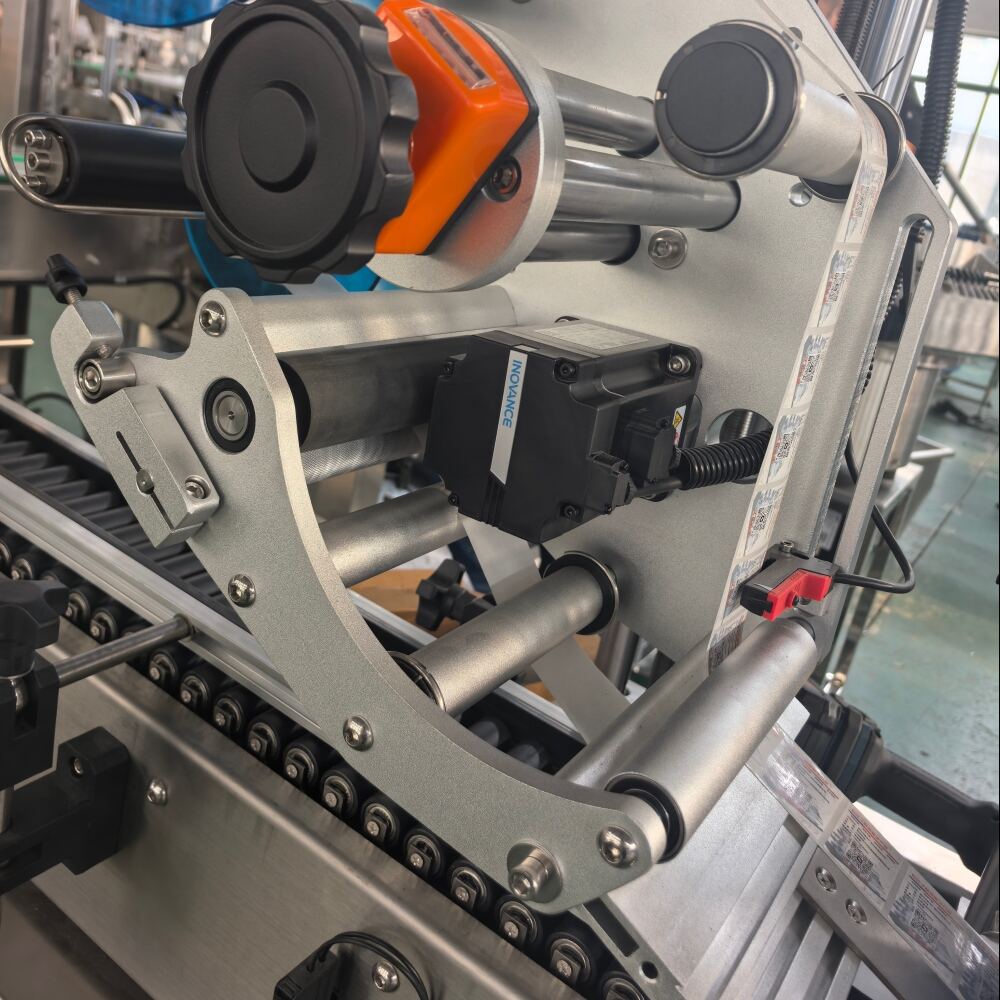
Manufacturing facilities across industries are constantly seeking ways to enhance production efficiency while maintaining the highest quality standards. In today's competitive marketplace, businesses must balance speed with precision to meet consumer demands and regulatory requirements. A labeling machine represents one of the most significant technological advances in modern production lines, offering manufacturers the ability to achieve consistent, accurate labeling while dramatically increasing throughput rates compared to manual processes.
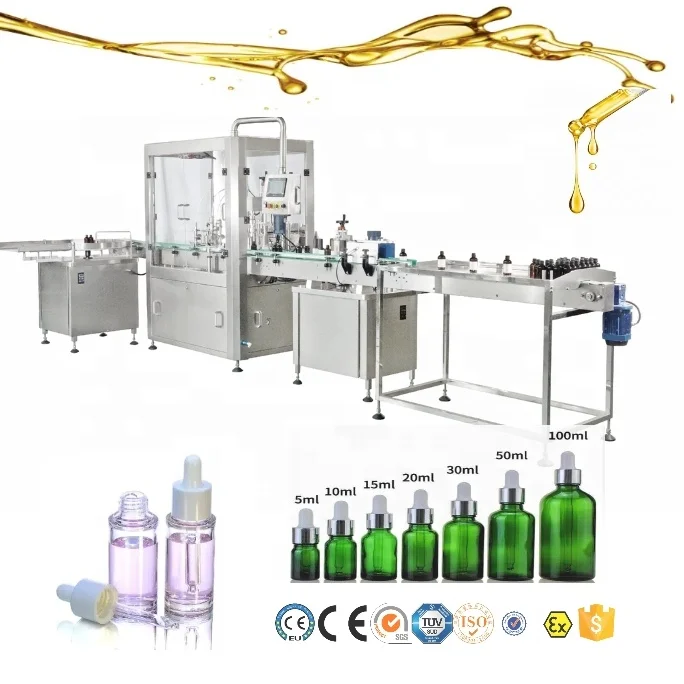
The integration of automated labeling systems has revolutionized how companies approach product packaging and identification processes. These sophisticated machines eliminate human error while providing unprecedented consistency in label placement, orientation, and adhesion quality. Modern production environments require solutions that can adapt to various container shapes, sizes, and materials without compromising operational efficiency or accuracy standards.
Precision Enhancement Through Automated Labeling Technology
Advanced Sensor Integration and Quality Control
Contemporary labeling machine designs incorporate multiple sensor technologies that monitor every aspect of the labeling process in real-time. Vision systems equipped with high-resolution cameras detect container presence, positioning, and label placement accuracy to ensure each product meets specified quality criteria. These sensors can identify defects such as crooked labels, air bubbles, or incomplete adhesion before products continue down the production line.
Temperature and pressure sensors within the labeling machine constantly adjust application parameters based on environmental conditions and material properties. This dynamic adjustment capability ensures consistent label adhesion regardless of ambient temperature fluctuations or varying container surface textures. The system automatically compensates for different label materials, adhesive types, and substrate characteristics to maintain optimal application quality.
Feedback mechanisms integrated into modern systems provide operators with detailed performance metrics and quality reports. These data analytics capabilities enable continuous process optimization and predictive maintenance scheduling, reducing unexpected downtime and maintaining consistent production accuracy throughout extended operating periods.
Precision Positioning and Alignment Systems
Mechanical precision in a labeling machine depends on sophisticated servo motor controls and encoder feedback systems that position containers and labels with micrometer accuracy. These systems utilize advanced algorithms to calculate optimal timing sequences, ensuring labels are applied at precisely the correct moment during container movement through the application zone.
Multi-axis positioning capabilities allow the labeling machine to accommodate complex container geometries and multiple label placements simultaneously. Whether applying front and back labels, wrap-around designs, or top and bottom identification, these systems maintain consistent positioning accuracy across all application points without requiring manual adjustments or operator intervention.
Programmable logic controllers store multiple product configurations, enabling rapid changeovers between different labeling requirements without compromising positional accuracy. This flexibility allows manufacturers to process diverse product lines while maintaining the same precision standards across all applications.
Speed Optimization and Production Throughput Enhancement
High-Speed Application Mechanisms
Modern labeling machine technology achieves remarkable throughput rates through optimized mechanical designs and intelligent control systems. Linear and rotary applicator mechanisms can process hundreds or thousands of containers per hour while maintaining consistent label placement accuracy throughout extended production runs.
Continuous motion systems eliminate the start-stop cycles common in older labeling technologies, allowing containers to move through the application zone at constant velocities. This smooth operation reduces mechanical stress on both equipment and containers while enabling higher processing speeds without sacrificing application quality or reliability.
Buffer systems and accumulation tables integrated with the labeling machine ensure steady product flow even when upstream or downstream processes operate at different speeds. These features minimize production bottlenecks and maximize overall line efficiency by maintaining optimal material flow throughout the entire packaging operation.
Automated Changeover and Setup Procedures
Quick-change mechanisms built into contemporary labeling machine designs significantly reduce downtime between different product runs. Tool-free adjustments and pre-programmed settings allow operators to switch between container sizes, label types, and application patterns within minutes rather than hours required by traditional manual setup procedures.
Memory storage capabilities retain optimal settings for frequently processed products, enabling one-touch changeovers that automatically adjust all mechanical and control parameters. This automation eliminates setup errors and reduces the time required to achieve stable production rates when switching between different labeling requirements.
Remote diagnostics and setup assistance through internet connectivity allow technical support teams to optimize labeling machine performance without requiring on-site visits. This capability reduces troubleshooting time and ensures equipment operates at peak efficiency regardless of local technical expertise availability.
Integration Benefits and Production Line Synergy
Seamless Manufacturing Workflow Integration
A properly integrated labeling machine becomes an essential component of comprehensive production line automation, communicating with upstream filling equipment and downstream packaging machinery to optimize overall system performance. This integration enables synchronized operation that maximizes throughput while minimizing material waste and quality variations.
Real-time data exchange between the labeling machine and other production equipment allows for dynamic speed adjustments based on overall line capacity and efficiency metrics. When downstream equipment experiences temporary slowdowns, the labeling system automatically adjusts its processing rate to prevent product accumulation and maintain steady workflow.
Centralized control systems provide operators with comprehensive oversight of entire production lines, including detailed performance monitoring of each labeling machine within the facility. This visibility enables proactive maintenance scheduling and process optimization based on actual performance data rather than theoretical operational parameters.
Quality Assurance and Regulatory Compliance
Automated labeling machine systems provide detailed documentation and traceability capabilities that support regulatory compliance requirements across various industries. Electronic records capture application parameters, quality measurements, and production statistics for each labeled product, creating comprehensive audit trails that satisfy regulatory documentation standards.
Validation protocols built into labeling machine software ensure consistent operation according to predetermined quality specifications. These systems can detect deviations from acceptable parameters and automatically reject non-conforming products while maintaining detailed records of all quality control activities for regulatory reporting purposes.
Integration with enterprise resource planning systems enables the labeling machine to access real-time product information and automatically select appropriate label designs and application parameters based on batch numbers, expiration dates, and regulatory requirements specific to each product variant.
Economic Impact and Return on Investment
Labor Cost Reduction and Efficiency Gains
Implementation of automated labeling machine technology typically reduces labor requirements by eliminating manual labeling positions while redirecting existing personnel to higher-value activities such as quality oversight and equipment maintenance. This workforce optimization creates immediate cost savings while improving overall production reliability and consistency.
Reduced material waste through precise label application and elimination of application errors contributes significantly to operational cost savings. The labeling machine applies labels with minimal waste, ensures proper adhesion to prevent rework, and maintains consistent inventory utilization rates that improve overall material efficiency.
Extended operating hours capability allows the labeling machine to process products during off-shift periods with minimal supervision, effectively increasing production capacity without proportional increases in labor costs. This extended operation capability provides significant competitive advantages in markets requiring rapid order fulfillment and flexible production scheduling.
Long-term Operational Benefits
Preventive maintenance capabilities built into modern labeling machine designs extend equipment lifespan while reducing unexpected repair costs and production interruptions. Predictive maintenance algorithms analyze operational data to identify potential issues before they cause equipment failures, enabling scheduled maintenance during planned downtime periods.
Scalability features allow labeling machine installations to accommodate future production growth without requiring complete equipment replacement. Modular designs and upgrade pathways ensure that initial investments continue providing value as production requirements evolve and expand over time.
Energy efficiency improvements in contemporary labeling machine technology reduce operational costs while supporting environmental sustainability initiatives. Advanced motor controls and optimized mechanical designs minimize power consumption while maintaining high performance standards throughout extended operating periods.
FAQ
What types of containers can a labeling machine handle effectively?
Modern labeling machine systems accommodate virtually any container type including glass bottles, plastic containers, metal cans, flexible pouches, and irregular shapes. Advanced gripper systems and adjustable guides enable processing of containers ranging from small vials to large industrial containers without requiring extensive changeover procedures or specialized tooling.
How does a labeling machine maintain accuracy at high production speeds?
High-speed accuracy depends on sophisticated servo motor controls, encoder feedback systems, and real-time vision inspection capabilities that monitor and adjust label placement continuously. These systems coordinate container positioning, label dispensing, and application timing with microsecond precision to ensure consistent results regardless of production speed variations.
What maintenance requirements are typical for labeling machine operations?
Routine maintenance includes daily cleaning of application surfaces, weekly lubrication of moving components, and periodic replacement of wear items such as brushes and rollers. Most labeling machine systems include automated maintenance reminders and diagnostic capabilities that identify service requirements before they affect production quality or equipment reliability.
Can labeling machines integrate with existing production line equipment?
Contemporary labeling machine designs feature standardized communication protocols and flexible mechanical interfaces that facilitate integration with existing conveyor systems, filling equipment, and packaging machinery. Professional installation services ensure seamless integration while optimizing overall line performance and maintaining existing production workflow patterns.