
 EN
EN
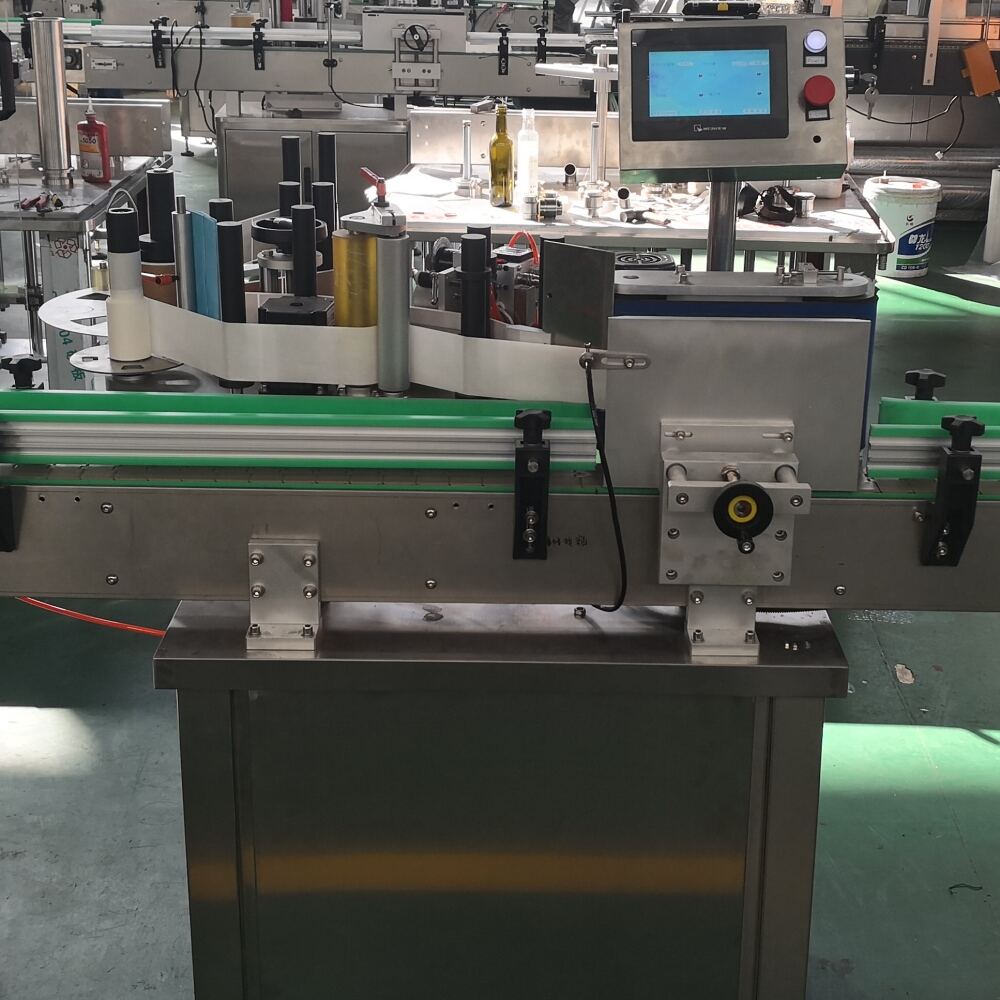
Product branding has become increasingly critical in today's competitive marketplace, where consumers make split-second purchasing decisions based on visual appeal and brand recognition. A labeling machine serves as the cornerstone of effective brand presentation, transforming ordinary products into professionally branded merchandise that stands out on retail shelves. Modern manufacturing facilities rely heavily on automated labeling solutions to maintain consistent brand identity while achieving high-volume production targets.
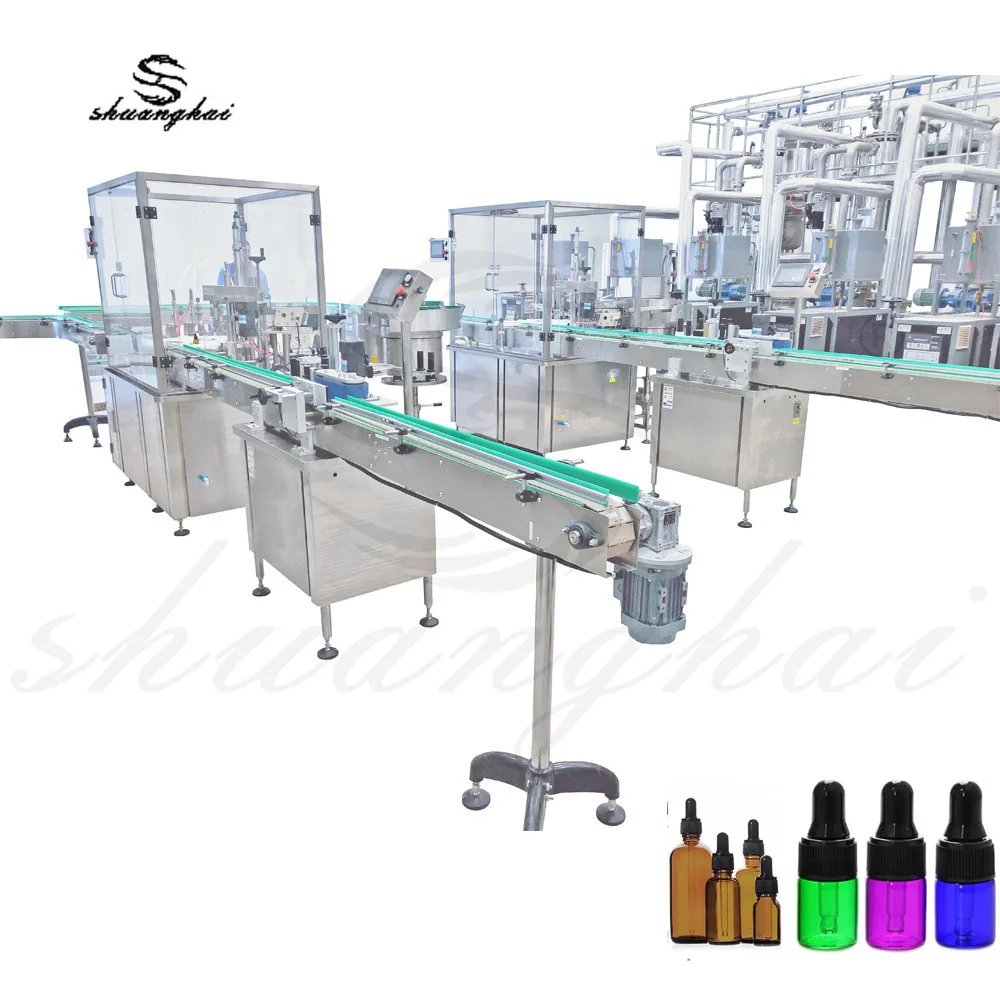
The integration of labeling technology into production lines revolutionizes how businesses approach brand consistency and market positioning. Companies across various industries have discovered that investing in quality labeling equipment directly correlates with improved brand perception and customer loyalty. The precision and reliability offered by modern labeling systems ensure that every product leaving the facility carries the exact brand message intended by marketing teams.
Advanced Labeling Technology for Brand Consistency
Precision Application Systems
Contemporary labeling machine technology incorporates sophisticated sensor systems and servo-controlled mechanisms that guarantee precise label placement within millimeters of the intended position. This level of accuracy becomes crucial when dealing with premium products where even minor misalignment can significantly impact perceived quality. The advanced positioning systems found in modern equipment eliminate human error while maintaining consistent application speed throughout extended production runs.
Temperature compensation features built into high-end labeling systems automatically adjust adhesive properties based on environmental conditions, ensuring optimal label adhesion across varying production environments. These intelligent systems monitor ambient conditions and automatically calibrate application pressure and timing to maintain consistent results regardless of seasonal temperature fluctuations or facility climate variations.
Multi-Format Labeling Capabilities
Versatile labeling machine configurations accommodate diverse container shapes, sizes, and materials without requiring extensive changeover procedures. This flexibility proves invaluable for manufacturers producing multiple product lines or seasonal variations that demand different packaging approaches. The ability to quickly switch between labeling formats while maintaining brand consistency standards significantly reduces production downtime and operational costs.
Modern equipment designs incorporate modular components that can be rapidly reconfigured for different product specifications, allowing manufacturers to respond quickly to market demands without compromising brand presentation quality. These adaptable systems support everything from small batch specialty products to high-volume consumer goods while maintaining consistent branding standards across all production runs.
Brand Identity Enhancement Through Automated Labeling
Visual Impact and Consumer Psychology
Professional labeling machine applications create powerful visual impressions that influence consumer purchasing decisions within seconds of product observation. Research indicates that properly applied labels contribute significantly to perceived product value, with consumers often associating precision labeling with superior manufacturing quality and attention to detail.
The psychological impact of perfectly aligned, wrinkle-free labels cannot be understated in competitive retail environments where products compete for consumer attention. Automated labeling systems ensure that every product presents the optimal brand image, eliminating the inconsistencies that can occur with manual application methods and potentially damage brand reputation.
Consistent Brand Messaging
Automated labeling machine operations guarantee that brand messaging remains consistent across entire product runs, eliminating variations in text alignment, color registration, and overall visual presentation. This consistency becomes particularly important for businesses operating multiple production facilities or outsourcing manufacturing to different locations while maintaining unified brand standards.
The reliability of automated systems ensures that promotional campaigns, regulatory compliance information, and brand imagery appear identically on every unit produced, supporting comprehensive marketing strategies and regulatory requirements. This consistency extends beyond visual elements to include barcode placement, ingredient listings, and safety warnings that must meet specific positioning requirements.
Operational Efficiency and Brand Protection
Quality Control Integration
Modern labeling machine systems incorporate advanced quality control features including vision systems that automatically detect and reject improperly labeled products before they enter distribution channels. These integrated quality assurance measures protect brand reputation by preventing substandard products from reaching consumers while maintaining production efficiency targets.
Real-time monitoring capabilities allow operators to identify and correct labeling issues immediately, minimizing waste and ensuring that brand standards remain consistent throughout production cycles. The integration of statistical process control features enables manufacturers to track labeling performance trends and implement preventive maintenance schedules that minimize unexpected downtime.
Production Speed and Scalability
High-speed labeling machine configurations capable of processing thousands of units per hour enable manufacturers to meet demanding production schedules without compromising brand presentation quality. This scalability proves essential for businesses experiencing rapid growth or seasonal demand fluctuations that require flexible production capacity.
The ability to maintain consistent labeling quality at various production speeds ensures that brand standards remain constant regardless of manufacturing volume requirements. Advanced control systems automatically adjust application parameters based on line speed changes, maintaining optimal label placement and adhesion characteristics across the full range of operating conditions.
Industry-Specific Branding Applications
Pharmaceutical and Healthcare Labeling
Healthcare product labeling requires absolute precision and compliance with stringent regulatory requirements that directly impact brand credibility and legal compliance. Specialized labeling machine systems designed for pharmaceutical applications incorporate serialization capabilities, tamper-evident features, and track-and-trace functionality that supports both brand protection and regulatory compliance objectives.
The critical nature of healthcare product labeling demands equipment capable of maintaining perfect accuracy while processing sensitive materials and specialized label substrates. Advanced pharmaceutical labeling systems incorporate redundant quality control measures and comprehensive data logging capabilities that support regulatory audit requirements while protecting brand integrity.
Food and Beverage Brand Enhancement
Food and beverage manufacturers rely on labeling machine technology to create appealing product presentations that communicate quality, freshness, and brand values to consumers. The ability to apply multiple labels, including front panels, back panels, and promotional overlays, enables comprehensive brand storytelling that influences purchasing decisions and builds customer loyalty.
Specialized labeling systems designed for food applications accommodate challenging container geometries, condensation-prone surfaces, and temperature-sensitive materials while maintaining consistent brand presentation. These systems incorporate food-safe materials and cleaning protocols that meet industry hygiene standards without compromising labeling quality or efficiency.
Cost-Effectiveness and Return on Investment
Labor Cost Reduction
Automated labeling machine installations significantly reduce labor requirements while improving labeling consistency and quality compared to manual application methods. The elimination of repetitive manual tasks allows manufacturers to redeploy skilled workers to higher-value activities while reducing the risk of repetitive stress injuries and associated workplace compensation costs.
The consistent operation of automated labeling systems reduces training requirements and eliminates the learning curve associated with manual labeling techniques. New operators can quickly master equipment operation procedures, reducing training costs and minimizing production disruptions during staff transitions or capacity expansions.
Material Waste Minimization
Precise labeling machine control systems minimize label waste by optimizing application timing and eliminating misapplied labels that require removal and reapplication. The accuracy of automated systems reduces material consumption while maintaining consistent brand presentation, contributing to improved profit margins and environmental sustainability objectives.
Advanced label detection and positioning systems prevent costly product rejects by ensuring proper label placement on the first attempt. This reliability reduces the need for rework operations and secondary quality control processes that can increase production costs and delay product delivery schedules.
Future Trends in Labeling Technology
Smart Labeling Integration
Emerging technologies are transforming labeling machine capabilities to include smart label applications that incorporate RFID tags, QR codes, and near-field communication features that enhance brand interaction opportunities. These intelligent labeling solutions enable manufacturers to create direct communication channels with consumers while providing enhanced product authentication and traceability features.
The integration of IoT connectivity into labeling systems enables remote monitoring, predictive maintenance, and real-time production optimization that supports consistent brand presentation while minimizing operational disruptions. These connected systems provide valuable data insights that support continuous improvement initiatives and proactive equipment management strategies.
Sustainable Labeling Solutions
Environmental consciousness is driving demand for sustainable labeling machine technologies that support eco-friendly label materials and application methods. Advanced systems now accommodate biodegradable substrates, water-based adhesives, and recyclable materials while maintaining the performance standards required for effective brand presentation.
The development of energy-efficient labeling machine designs reduces operational costs while supporting corporate sustainability initiatives that enhance brand reputation among environmentally conscious consumers. These efficient systems incorporate variable-speed drives, LED lighting, and optimized heating systems that minimize energy consumption without compromising labeling quality.
FAQ
What factors determine the best labeling machine for specific branding requirements
The selection of an appropriate labeling machine depends on several critical factors including container geometry, production volume requirements, label materials, and desired application accuracy. Manufacturers must evaluate their specific branding objectives, regulatory compliance needs, and future growth projections to identify systems that provide optimal performance and flexibility. Additional considerations include integration requirements with existing production equipment, available floor space, and budget constraints that influence equipment selection decisions.
How does labeling machine maintenance affect brand consistency
Regular maintenance schedules are essential for maintaining consistent labeling quality and protecting brand integrity throughout equipment service life. Preventive maintenance programs that include calibration checks, sensor cleaning, and component replacement ensure that labeling accuracy remains within specified tolerances. Neglected maintenance can result in label misalignment, adhesion problems, and quality inconsistencies that negatively impact brand perception and may require costly product recalls or rebranding efforts.
Can labeling machines accommodate variable product sizes without compromising brand standards
Modern labeling machine designs incorporate adjustable components and programmable controls that enable rapid changeovers between different product configurations while maintaining consistent brand presentation quality. Quick-change tooling systems and stored parameter sets allow operators to switch between product variants efficiently without extensive setup procedures. This flexibility ensures that brand standards remain consistent across diverse product lines while supporting manufacturing efficiency objectives and market responsiveness requirements.
What role does labeling machine speed play in brand quality control
Labeling machine speed must be carefully balanced with quality requirements to ensure that brand standards are maintained across all production volumes. While high-speed operation increases throughput capacity, excessive speeds can compromise label placement accuracy and adhesion quality if not properly managed. Modern systems incorporate speed-compensated controls that automatically adjust application parameters based on line speed changes, ensuring consistent brand presentation regardless of production rate variations or operational demands.
Table of Contents
- Advanced Labeling Technology for Brand Consistency
- Brand Identity Enhancement Through Automated Labeling
- Operational Efficiency and Brand Protection
- Industry-Specific Branding Applications
- Cost-Effectiveness and Return on Investment
- Future Trends in Labeling Technology
-
FAQ
- What factors determine the best labeling machine for specific branding requirements
- How does labeling machine maintenance affect brand consistency
- Can labeling machines accommodate variable product sizes without compromising brand standards
- What role does labeling machine speed play in brand quality control