
 EN
EN
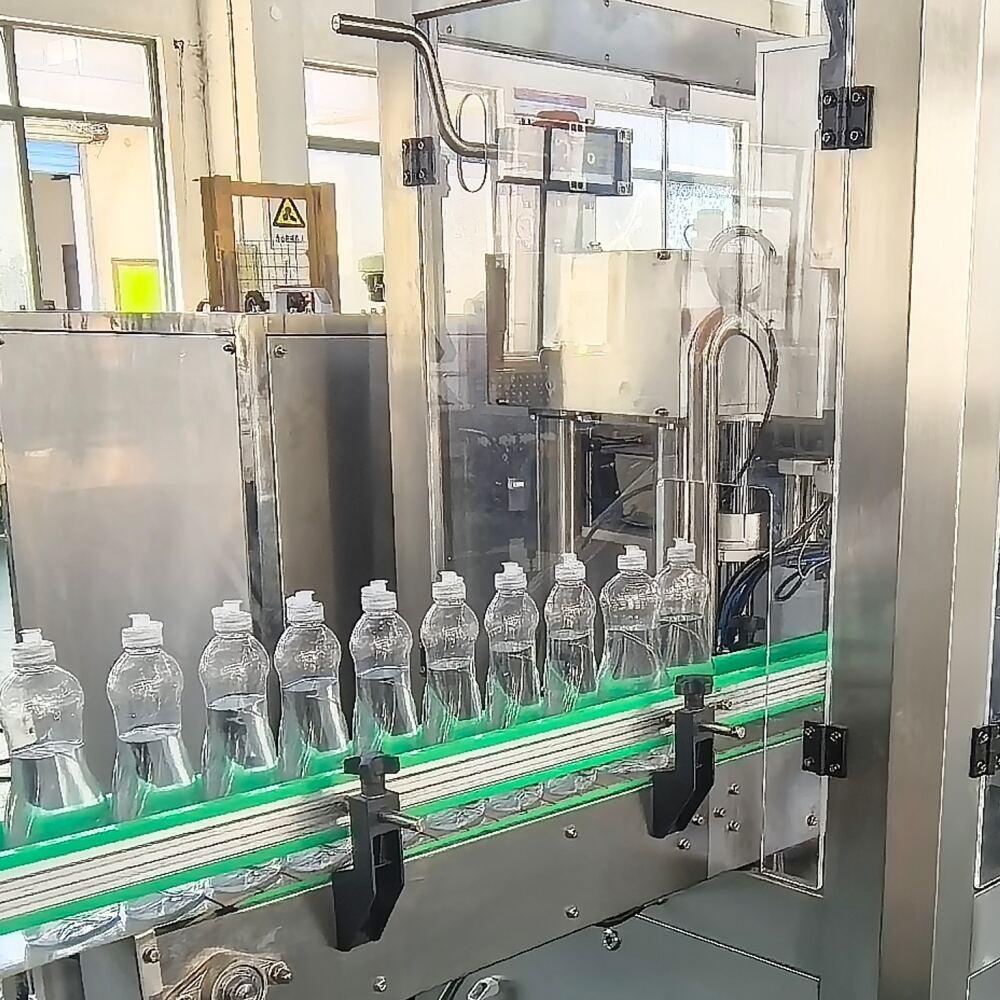
Selecting the right capping machine for your production line represents a critical decision that directly impacts operational efficiency, product quality, and long-term profitability. Manufacturing facilities across industries rely on automated capping solutions to secure containers consistently while maintaining high throughput rates. The complexity of modern packaging requirements demands careful evaluation of multiple factors before investing in capping equipment. Understanding your specific needs, production volumes, and container specifications will guide you toward the most suitable capping machine solution for your operation.
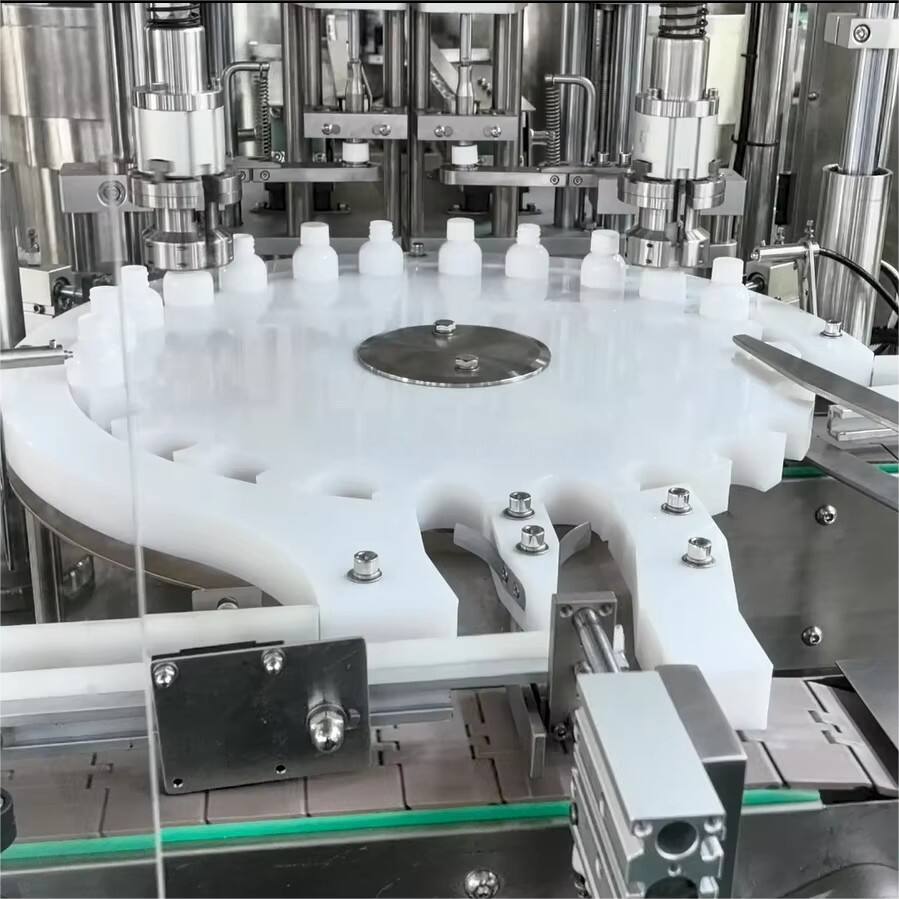
Understanding Capping Machine Types and Technologies
Automatic Capping Systems
Automatic capping machines offer the highest level of efficiency for high-volume production environments. These sophisticated systems can handle thousands of containers per hour while maintaining consistent torque application and cap placement accuracy. Modern automatic capping machine designs incorporate servo-driven mechanisms that provide precise control over capping parameters. The integration of sensors and feedback systems ensures proper cap alignment and sealing integrity across diverse container formats.
Advanced automatic systems feature adjustable torque settings that accommodate different cap materials and container specifications. These machines often include quality control mechanisms such as cap presence detection, torque monitoring, and rejection systems for improperly capped containers. The investment in automatic capping technology typically pays dividends through reduced labor costs, improved consistency, and enhanced production capacity.
Semi-Automatic and Manual Options
Semi-automatic capping machines bridge the gap between manual operations and fully automated systems. These versatile solutions require minimal operator intervention while providing controlled capping processes for medium-volume applications. Semi-automatic capping machine designs typically feature adjustable height settings, variable speed controls, and customizable torque parameters to accommodate different product lines.
Manual capping tools remain relevant for small-batch productions, specialty applications, and operations requiring maximum flexibility. While lacking the speed of automated systems, manual capping solutions offer precise control and adaptability for unique container shapes or specialty cap designs. These options provide cost-effective solutions for startups or operations with limited production volumes.
Evaluating Production Requirements and Capacity
Volume Analysis and Throughput Planning
Accurate assessment of production volumes forms the foundation of capping machine selection. Current production requirements must be analyzed alongside projected growth to ensure the chosen equipment meets both immediate and future needs. A capping machine that handles current volumes efficiently may become a bottleneck as production scales, making capacity planning essential for long-term success.
Peak production periods, seasonal fluctuations, and special order requirements should factor into capacity calculations. Understanding the relationship between line speed, efficiency rates, and actual throughput helps determine the appropriate capping machine specifications. Consider that actual production rates typically fall below maximum rated speeds due to changeovers, maintenance, and normal operational variations.
Container and Cap Compatibility Assessment
Container diversity within your product line significantly influences capping machine selection. Different bottle heights, neck diameters, and materials require specific handling capabilities and adjustment ranges. A versatile capping machine should accommodate your entire container portfolio without extensive reconfiguration between product runs.
Cap variety presents additional considerations including material composition, thread patterns, and application methods. Plastic caps, aluminum closures, and specialty sealing systems each require different handling approaches and torque specifications. The capping machine must provide appropriate force distribution and sealing mechanisms for each cap type in your product range.
Technical Specifications and Performance Criteria
Torque Control and Consistency
Precise torque control represents a fundamental requirement for quality capping operations. The capping machine must deliver consistent torque application across all containers to ensure proper sealing without over-tightening that could damage threads or under-tightening that compromises product integrity. Modern systems offer programmable torque settings with feedback mechanisms to maintain consistency throughout production runs.
Torque monitoring capabilities provide valuable quality assurance data and enable real-time adjustments when variations occur. Advanced capping machine designs incorporate load cells and electronic controls that detect and compensate for variations in cap placement, container positioning, or material properties. This level of control becomes increasingly important as production volumes increase and manual oversight becomes impractical.
Speed and Efficiency Optimization
Production speed capabilities must align with overall line efficiency goals while maintaining quality standards. The capping machine should integrate seamlessly with upstream and downstream equipment to prevent bottlenecks and maximize throughput. Variable speed controls allow optimization for different product configurations and quality requirements.
Efficiency extends beyond raw speed to include changeover times, adjustment procedures, and maintenance requirements. Quick-change features, tool-free adjustments, and standardized components contribute to overall equipment effectiveness. The ability to switch between products rapidly minimizes downtime and enhances production flexibility in multi-product environments.
Integration and Automation Considerations
Production Line Compatibility
Seamless integration with existing production equipment ensures optimal workflow and eliminates potential compatibility issues. The capping machine must interface properly with conveyors, filling equipment, and downstream packaging machinery. Standardized control systems, communication protocols, and mechanical interfaces facilitate integration and reduce implementation complexity.
Height adjustability, conveyor compatibility, and positioning accuracy become critical factors when incorporating capping equipment into established production lines. The machine footprint, utility requirements, and access needs must align with facility constraints and operational workflows. Proper integration planning prevents costly modifications and ensures smooth production startup.
Control Systems and Monitoring
Modern capping machine control systems provide comprehensive monitoring and data collection capabilities. Programmable logic controllers enable precise parameter control, recipe storage, and automated adjustments based on production requirements. Operator interfaces should be intuitive and provide clear feedback on system status, performance metrics, and maintenance needs.
Remote monitoring capabilities and data connectivity support predictive maintenance programs and production optimization initiatives. The ability to track performance trends, identify potential issues, and schedule maintenance proactively reduces unplanned downtime and extends equipment life. Integration with plant-wide control systems enables coordinated operation and centralized monitoring of production processes.
Quality Control and Validation Features
Inspection and Rejection Systems
Built-in quality control features ensure consistent capping performance and product integrity. Vision systems can detect missing caps, crooked placement, or inadequate sealing before containers proceed to downstream processes. Automatic rejection mechanisms remove defective products from the production stream without manual intervention.
Torque verification systems provide real-time feedback on capping force application and can identify containers that fall outside acceptable parameters. These validation features become increasingly important in regulated industries where documentation and traceability requirements demand comprehensive quality records. The capping machine should generate detailed logs of all inspection results and rejection events.
Compliance and Documentation
Regulatory compliance requirements vary by industry but often mandate specific documentation, validation protocols, and quality assurance procedures. The capping machine should support these requirements through appropriate design features, material certifications, and documentation packages. Food, pharmaceutical, and cosmetic applications typically require additional compliance considerations.
Validation support includes installation qualification, operational qualification, and performance qualification documentation. The equipment supplier should provide comprehensive technical documentation, standard operating procedures, and validation protocols to support regulatory submissions and internal quality systems.
Economic Factors and Return on Investment
Initial Investment and Total Cost Analysis
Capital equipment decisions require comprehensive financial analysis that extends beyond initial purchase price. The total cost of ownership includes installation, training, maintenance, spare parts, and operational expenses over the equipment lifecycle. A higher-priced capping machine may provide superior long-term value through improved efficiency, reduced maintenance, and extended service life.
Financing options, depreciation schedules, and tax implications should factor into the decision process. Some suppliers offer lease arrangements, performance guarantees, or flexible payment terms that may improve the financial attractiveness of advanced capping machine solutions. The investment analysis should include quantifiable benefits such as labor savings, quality improvements, and capacity increases.
Operational Cost Considerations
Operating expenses include energy consumption, maintenance costs, spare parts inventory, and operator training requirements. Energy-efficient capping machine designs can provide significant savings over time, particularly in high-volume applications. Maintenance programs and parts availability affect long-term operational costs and equipment reliability.
Labor requirements vary significantly between different capping machine types and levels of automation. Fully automatic systems typically require minimal operator attention but may need skilled technicians for setup and maintenance. The availability of qualified personnel and training programs should influence technology selection decisions.
Supplier Selection and Support Services
Vendor Evaluation Criteria
Selecting the right capping machine supplier involves evaluating technical capabilities, industry experience, and long-term support commitments. Established manufacturers with proven track records in your industry sector provide valuable expertise and application knowledge. Reference customers, case studies, and equipment demonstrations help assess supplier capabilities and solution fit.
Technical support services, spare parts availability, and service response times directly impact equipment uptime and operational success. Local service presence, remote diagnostic capabilities, and preventive maintenance programs contribute to long-term equipment reliability. The supplier relationship extends well beyond the initial purchase and significantly influences operational outcomes.
Training and Implementation Support
Comprehensive training programs ensure proper equipment operation, maintenance, and troubleshooting capabilities within your organization. The capping machine supplier should provide operator training, maintenance instruction, and technical documentation to support effective implementation. Ongoing training opportunities help maintain expertise as personnel change and equipment capabilities expand.
Installation and commissioning services facilitate smooth equipment startup and optimize initial performance. Professional installation ensures proper setup, calibration, and integration with existing systems. Commissioning support includes performance verification, operator training, and documentation of system capabilities and limitations.
FAQ
What factors determine the appropriate capping machine speed for my production line
The appropriate capping machine speed depends on your overall line capacity, container handling requirements, and quality standards. Consider your filling equipment speed, downstream packaging processes, and peak production demands. While faster speeds increase throughput, they may require more sophisticated control systems and higher precision components. Balance speed requirements with consistency needs and ensure the capping machine can maintain quality standards at your target production rate.
How do I ensure proper cap compatibility with my chosen capping machine
Cap compatibility assessment involves evaluating thread patterns, material properties, torque requirements, and dimensional specifications. Work with your capping machine supplier to test actual cap samples and verify proper fit and function. Consider cap variations within your product line and ensure the equipment can accommodate the full range without extensive changeover procedures. Document optimal settings for each cap type to ensure consistent performance across production runs.
What maintenance requirements should I expect with different capping machine types
Maintenance requirements vary significantly between manual, semi-automatic, and fully automatic capping machines. Simple systems require basic cleaning and lubrication, while complex automated equipment needs regular calibration, sensor cleaning, and component inspection. Establish preventive maintenance schedules based on manufacturer recommendations and operating conditions. Consider maintenance skill requirements within your organization and available support services when selecting equipment complexity levels.
How can I evaluate the return on investment for capping machine automation
ROI evaluation should include labor cost savings, quality improvements, increased throughput, and reduced waste. Calculate current capping labor costs and compare with automated system operating expenses. Factor in consistency improvements, reduced rework, and potential for increased production capacity. Include training costs, maintenance expenses, and facility modifications in your analysis. Consider both quantifiable benefits and intangible advantages such as improved workplace safety and production flexibility when assessing automation investments.
Table of Contents
- Understanding Capping Machine Types and Technologies
- Evaluating Production Requirements and Capacity
- Technical Specifications and Performance Criteria
- Integration and Automation Considerations
- Quality Control and Validation Features
- Economic Factors and Return on Investment
- Supplier Selection and Support Services
-
FAQ
- What factors determine the appropriate capping machine speed for my production line
- How do I ensure proper cap compatibility with my chosen capping machine
- What maintenance requirements should I expect with different capping machine types
- How can I evaluate the return on investment for capping machine automation