
 EN
EN
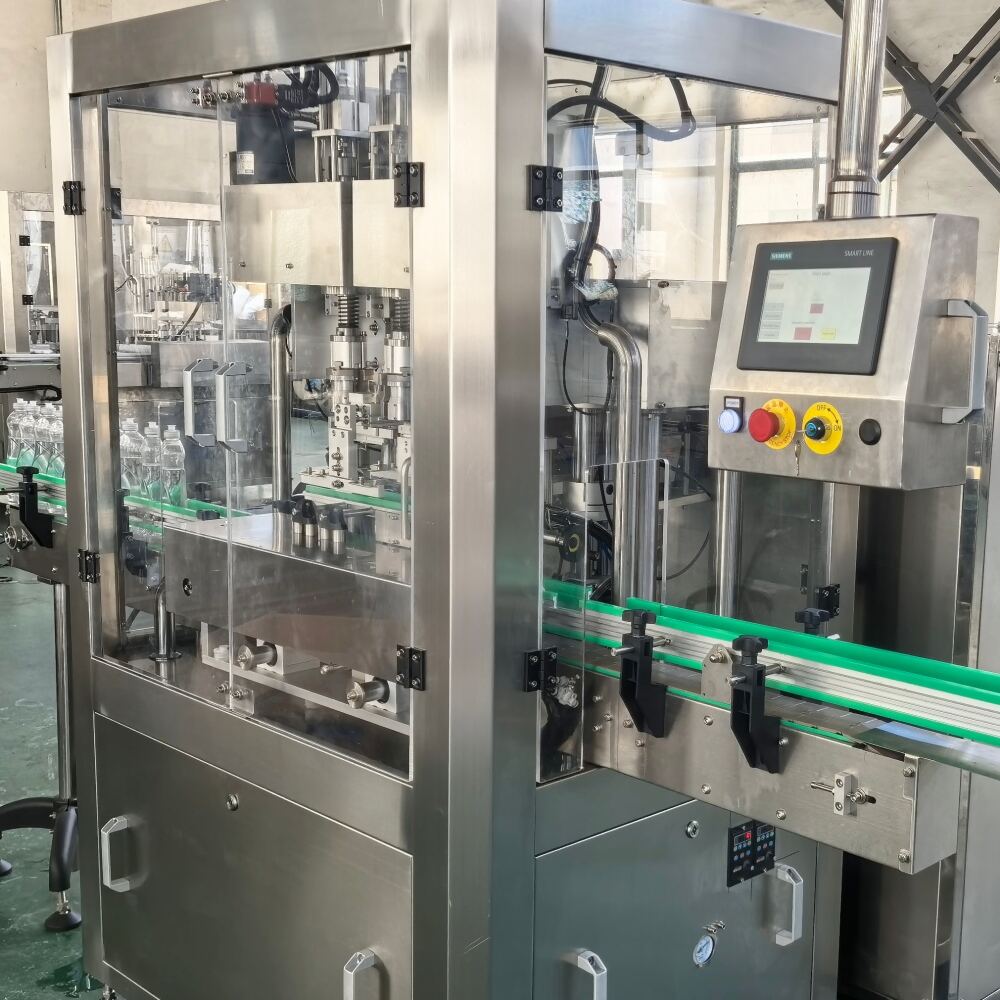
Manufacturing facilities across industries are constantly seeking ways to optimize their packaging operations while maintaining product integrity and meeting production demands. A capping machine represents one of the most critical investments for businesses involved in bottling operations, offering unparalleled efficiency and consistency that manual capping simply cannot match. Modern packaging lines require equipment that can handle diverse bottle types, cap materials, and production volumes while ensuring secure seals that preserve product quality throughout the supply chain.
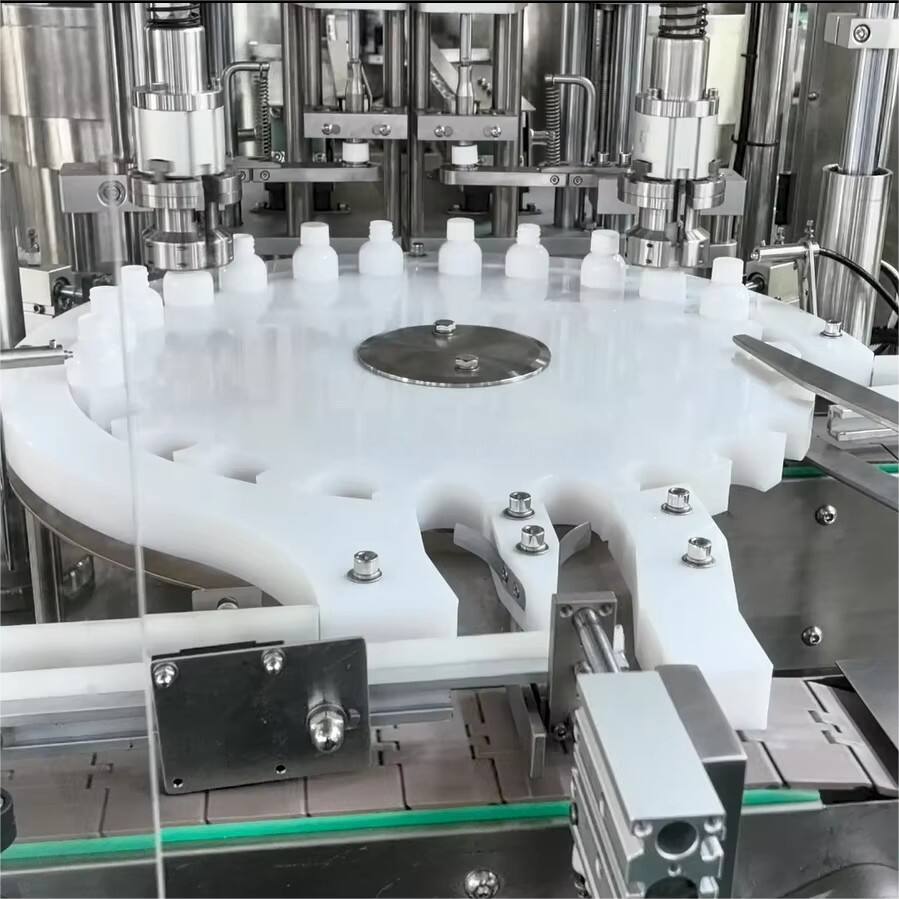
The decision to invest in automated capping technology stems from the growing complexity of modern packaging requirements and the need for consistent quality control. Industries ranging from pharmaceuticals and cosmetics to food and beverage production rely heavily on precise capping solutions to maintain product safety standards and regulatory compliance. Understanding the comprehensive benefits of implementing a high-performance capping machine can help manufacturers make informed decisions that positively impact their bottom line and operational efficiency.
Enhanced Production Efficiency and Speed
Automated Speed Advantages
High-performance capping machines deliver exceptional production speeds that far exceed manual capping capabilities, with some models capable of processing hundreds of bottles per minute. This dramatic increase in throughput allows manufacturers to meet growing market demands without proportionally increasing labor costs or floor space requirements. The consistent operational speed of a capping machine eliminates the variability associated with human operators, ensuring predictable production schedules and improved delivery commitments to customers.
Advanced capping systems incorporate sophisticated control mechanisms that automatically adjust to different bottle sizes and cap types, minimizing changeover times between product runs. This flexibility proves invaluable for manufacturers handling multiple product lines, as the same capping machine can efficiently process various packaging formats without significant downtime. The ability to maintain optimal speeds across different applications maximizes equipment utilization and return on investment.
Workflow Integration Benefits
Modern capping machines seamlessly integrate with existing conveyor systems and packaging lines, creating smooth workflow transitions that eliminate bottlenecks in production processes. The synchronized operation between filling stations and capping equipment ensures continuous product flow, reducing handling time and minimizing the risk of contamination or product damage. This integration capability allows manufacturers to design comprehensive packaging solutions that optimize overall line efficiency.
The programmable nature of contemporary capping machines enables operators to store multiple recipe settings for different products, facilitating quick transitions between production runs. These stored parameters include torque specifications, cap placement accuracy, and speed settings, ensuring consistent performance across diverse packaging requirements. Such versatility makes a capping machine an essential component for manufacturers seeking to maximize operational flexibility while maintaining quality standards.
Superior Quality Control and Consistency
Precise Torque Management
Professional capping machines incorporate advanced torque control systems that apply consistent pressure to every cap, ensuring uniform sealing performance across entire production batches. This precision eliminates the common problems associated with manual capping, such as loose caps that compromise product integrity or over-tightened caps that become difficult for consumers to remove. The ability to maintain exact torque specifications is particularly crucial for products requiring specific seal integrity standards.
The torque monitoring capabilities of modern capping machines provide real-time feedback on sealing performance, allowing operators to identify and address potential issues before they affect product quality. Many systems include automatic rejection mechanisms that remove improperly capped containers from the production line, maintaining quality standards without manual intervention. This level of quality assurance helps manufacturers comply with strict industry regulations and build consumer confidence in their products.
Contamination Prevention
Automated capping systems significantly reduce the risk of product contamination by minimizing human contact with caps and container openings during the sealing process. The enclosed nature of most capping machines protects products from airborne contaminants and maintains sterile conditions essential for pharmaceutical and food applications. This contamination control becomes increasingly important as regulatory requirements continue to evolve and consumer expectations for product safety rise.
The consistent handling provided by a capping machine ensures that caps are properly oriented and seated before sealing, reducing the likelihood of seal failures that could lead to product spoilage or contamination. Advanced models include vision systems that verify cap placement and orientation, automatically rejecting containers that fail to meet specified criteria. This proactive quality control approach helps manufacturers maintain their reputation for product excellence while reducing costly recalls or quality issues.
Economic Benefits and Return on Investment
Labor Cost Optimization
Implementing a high-performance capping machine dramatically reduces labor requirements for packaging operations, allowing manufacturers to reallocate skilled workers to higher-value activities within their facilities. The automation provided by these systems eliminates the need for dedicated capping personnel while reducing the physical strain associated with repetitive manual operations. This labor optimization contributes to improved workplace safety and employee satisfaction while lowering overall production costs.
The reduced dependency on manual labor also provides protection against labor shortages and wage inflation that can significantly impact production costs over time. A capping machine operates consistently regardless of shift changes, breaks, or personnel availability, ensuring uninterrupted production capabilities that support reliable customer service. This operational stability becomes particularly valuable during peak production periods or when facing tight delivery schedules.
Waste Reduction and Resource Efficiency
Automated capping equipment minimizes material waste by ensuring proper cap placement and sealing on the first attempt, eliminating the need for rework or product rejection due to sealing failures. The precise control offered by these systems reduces cap damage and misalignment issues that commonly occur with manual operations. This waste reduction not only lowers material costs but also contributes to more sustainable packaging operations.
The efficiency of capping machine operations extends to energy consumption, as modern systems are designed to optimize power usage while maintaining peak performance levels. Many models include energy-saving features such as variable speed drives and intelligent power management that reduce operational costs over the equipment's lifetime. These efficiency improvements contribute to lower total cost of ownership and enhanced profitability for packaging operations.
Versatility and Adaptability Features
Multi-Format Compatibility
Contemporary capping machines offer exceptional versatility in handling various bottle shapes, sizes, and cap types, making them suitable for diverse product portfolios without requiring separate equipment investments. This adaptability allows manufacturers to respond quickly to market opportunities or product line extensions without significant capital expenditures. The ability to process different packaging formats using the same capping machine maximizes equipment utilization and simplifies maintenance requirements.
Advanced capping systems accommodate both plastic and metal caps, including specialized closures such as pump dispensers, flip-tops, and child-resistant caps that require precise handling techniques. This comprehensive compatibility ensures that a single capping machine can support multiple product categories within a manufacturing facility. The flexibility to handle diverse closure types positions manufacturers to capitalize on emerging packaging trends and consumer preferences.
Scalability and Future-Proofing
High-performance capping machines are designed with modular architectures that allow for capacity expansion and feature upgrades as production requirements evolve. This scalability ensures that initial equipment investments continue to provide value as businesses grow and production demands increase. The ability to enhance capping machine capabilities through software updates and hardware additions protects manufacturers from obsolescence and supports long-term operational planning.
The integration capabilities of modern capping machines support connection with Industry 4.0 technologies, including data collection systems, predictive maintenance platforms, and remote monitoring solutions. These connectivity features enable manufacturers to optimize capping machine performance through data-driven insights and proactive maintenance scheduling. Such technological advancement ensures that capping equipment remains competitive and efficient throughout its operational lifetime.
Maintenance and Operational Reliability
Reduced Downtime Requirements
Professional-grade capping machines are engineered for continuous operation with minimal maintenance requirements, significantly reducing planned downtime compared to manual operations or lower-quality automated equipment. The robust construction and precision engineering of these systems ensure reliable performance even under demanding production conditions. Regular maintenance procedures are typically straightforward and can be performed quickly without extensive production interruptions.
Many modern capping machines include predictive maintenance features that monitor key performance indicators and alert operators to potential issues before they cause equipment failures. This proactive approach to maintenance scheduling helps prevent unexpected downtime and extends equipment lifespan. The reliability of high-performance capping machines contributes to improved overall equipment effectiveness and production planning confidence.
User-Friendly Operation
Contemporary capping machines feature intuitive control interfaces that simplify operator training and reduce the likelihood of operational errors that could affect product quality or equipment performance. Touch-screen controls and programmable logic systems make it easy for operators to adjust settings, monitor performance, and troubleshoot minor issues without specialized technical knowledge. This user-friendly design reduces training time and operational complexity.
The diagnostic capabilities built into modern capping machines provide clear feedback on operational status and performance metrics, enabling operators to make informed decisions about production adjustments and maintenance needs. Comprehensive error reporting and troubleshooting guides help minimize response times to operational issues. These operational support features contribute to consistent production performance and reduced reliance on specialized technical support.
FAQ
What types of caps can a high-performance capping machine handle
Modern capping machines are designed to handle a wide variety of cap types including screw-on caps, snap-on caps, cork stoppers, pumps, triggers, and child-resistant closures. Most systems can accommodate both plastic and metal caps across different sizes and threading specifications. Advanced models include quick-change tooling that allows rapid switching between cap types without extensive setup procedures, making them suitable for facilities producing multiple product lines.
How does automated capping compare to manual operations in terms of efficiency
Automated capping machines typically achieve production speeds of 100-500 bottles per minute depending on the specific model and application, compared to manual operations that rarely exceed 20-30 bottles per minute per operator. The consistency of automated systems also eliminates the variation in torque application and cap placement that commonly occurs with manual capping. This combination of speed and consistency results in significantly higher overall equipment effectiveness and reduced labor costs per unit produced.
What maintenance requirements should be expected with a capping machine
Routine maintenance for capping machines typically includes daily cleaning and lubrication of moving parts, weekly inspection of wear components, and monthly calibration of torque settings and sensors. Most preventive maintenance tasks can be performed by trained operators using standard tools and procedures. The frequency and complexity of maintenance requirements vary by model and production environment, but high-quality capping machines are designed for minimal maintenance needs to maximize productive uptime.
How quickly can a capping machine be integrated into existing packaging lines
Integration timelines for capping machines depend on the complexity of existing packaging lines and specific customization requirements, but most installations can be completed within 2-4 weeks including equipment delivery, installation, and operator training. Modern capping machines are designed with standard interfaces that simplify connection to existing conveyor systems and control networks. Professional installation services ensure proper integration and provide comprehensive training to optimize equipment performance from startup.