
 EN
EN
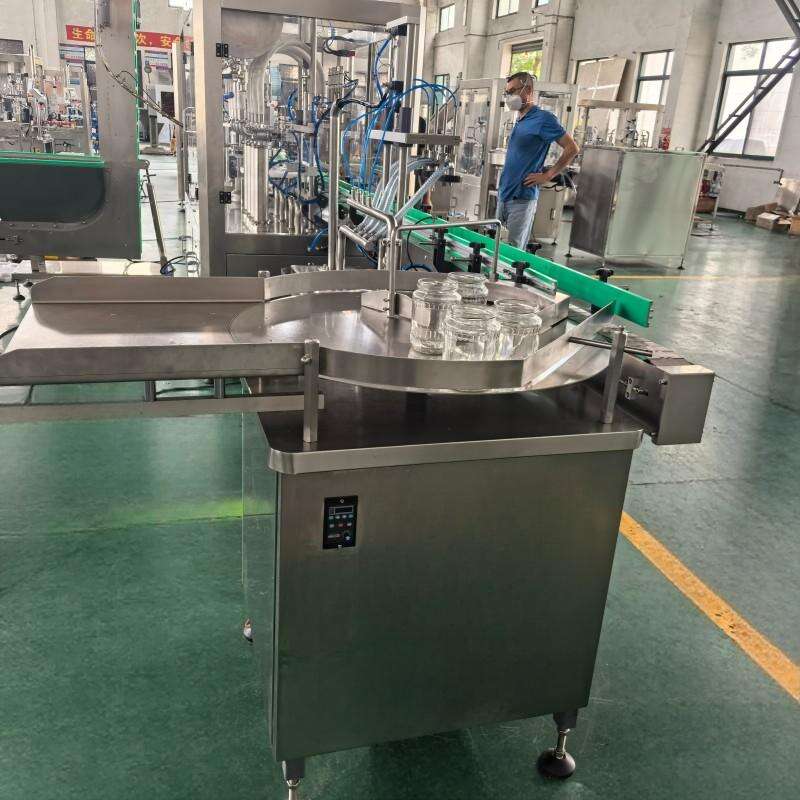
Modern manufacturing facilities face the challenge of packaging products with varying viscosities using efficient and reliable equipment. A glass jar filling machine represents a versatile solution that can accommodate everything from thin liquids to thick pastes, making it an essential component in food processing, pharmaceutical, and cosmetic industries. The ability to handle different viscosity products depends on several factors including pump design, filling technology, and machine configuration parameters that determine operational flexibility.
Understanding viscosity ranges and their impact on filling operations is crucial for manufacturers seeking optimal production efficiency. Different products require specific handling techniques to ensure accurate dispensing, prevent spillage, and maintain product integrity throughout the packaging process. Equipment versatility becomes particularly important when production lines need to switch between multiple product types without extensive downtime or equipment modifications.
Understanding Viscosity and Its Impact on Filling Operations
Defining Product Viscosity Classifications
Viscosity measures a fluid's resistance to flow, typically expressed in centipoise or pascal-seconds. Low-viscosity products like water, fruit juices, and light oils flow easily at room temperature and require minimal force for dispensing. Medium-viscosity products include items like tomato sauce, salad dressings, and liquid soaps that demonstrate moderate flow resistance. High-viscosity products encompass thick substances like honey, peanut butter, and heavy creams that require significant force to move through filling systems.
Temperature significantly affects viscosity characteristics, with most liquids becoming thinner when heated and thicker when cooled. This temperature dependency requires careful consideration when designing filling processes, as ambient conditions and product storage temperatures can impact dispensing accuracy. Understanding these relationships helps manufacturers select appropriate equipment configurations and operational parameters for consistent filling performance across different environmental conditions.
Challenges Associated with Variable Viscosity Products
Filling machines encounter specific challenges when handling products with different viscosities on the same production line. Pump systems designed for thin liquids may struggle with thick products, leading to incomplete fills, air bubbles, or excessive cycle times. Conversely, equipment optimized for viscous materials might overfill thin products due to excessive pumping pressure or inadequate flow control mechanisms.
Cleaning and changeover procedures become more complex when switching between products of varying viscosities. Residual thick products can contaminate subsequent thin liquid runs, while cleaning systems must effectively remove all product traces to prevent cross-contamination. These operational challenges require sophisticated control systems and flexible machine designs to maintain production efficiency and product quality standards across diverse product portfolios.
Machine Design Features for Multi-Viscosity Applications
Pump Technologies and Selection Criteria
Positive displacement pumps excel at handling viscous products by maintaining consistent flow rates regardless of back pressure or product thickness. Gear pumps, piston pumps, and progressive cavity pumps each offer specific advantages for different viscosity ranges and product characteristics. Gear pumps provide smooth, pulsation-free flow suitable for medium-viscosity products, while piston pumps deliver precise volumetric control for both thin and thick substances.
Variable speed drive systems enable pump output adjustment to accommodate different product viscosities without hardware modifications. Servo-driven pumps offer exceptional precision and programmability, allowing operators to store filling parameters for various products and switch between them automatically. This flexibility reduces setup time and ensures consistent filling accuracy across product changeovers, making the glass jar filling machine suitable for diverse manufacturing environments.
Nozzle Design and Flow Control Systems
Filling nozzles must accommodate products ranging from free-flowing liquids to thick pastes while maintaining accurate dispensing and preventing dripping. Adjustable nozzle designs allow diameter modifications to optimize flow characteristics for different viscosities. Anti-drip mechanisms become particularly important when handling thick products that tend to string or create messy dispensing conditions.
Heated nozzle systems provide temperature control for products that require warming to achieve optimal flow characteristics. Chocolate, certain oils, and wax-based products benefit from controlled heating that reduces viscosity temporarily during filling operations. These systems must maintain precise temperature control to prevent product degradation while ensuring consistent flow properties throughout production runs.
Operational Considerations and Setup Parameters
Recipe Management and Control Systems
Advanced filling machines incorporate recipe management systems that store specific parameters for different product viscosities. These systems automatically adjust pump speeds, filling times, nozzle positions, and temperature settings based on selected product profiles. Recipe storage eliminates manual parameter adjustment and reduces operator error during product changeovers, ensuring consistent filling performance across different viscosity ranges.
Human-machine interfaces provide intuitive controls for operators to monitor and adjust filling parameters in real-time. Touchscreen displays show current viscosity settings, fill weights, and performance metrics that enable quick identification of filling irregularities. Data logging capabilities track production parameters and quality metrics, providing valuable information for process optimization and troubleshooting applications.
Quality Control and Monitoring Systems
Weight-based filling systems offer superior accuracy for products with varying viscosities compared to volumetric methods. Load cells monitor fill weights continuously and provide feedback to control systems for automatic adjustment of dispensing parameters. This closed-loop control ensures consistent package weights regardless of product viscosity variations or environmental factors affecting flow characteristics.
Vision inspection systems detect fill level variations, product spillage, and container defects that might affect filling accuracy. These systems become particularly valuable when handling thick products that may leave residue on jar rims or create uneven fill levels. Automated rejection systems remove defective packages from production lines, maintaining quality standards while minimizing manual inspection requirements.
Product-Specific Applications and Case Studies
Food and Beverage Industry Applications
Food manufacturers frequently require packaging lines capable of handling diverse product portfolios ranging from thin sauces to thick preserves. Jam and jelly producers benefit from glass jar filling machine systems that accommodate seasonal fruit variations affecting product consistency. Honey packers face unique challenges due to crystallization effects that alter viscosity over time, requiring temperature control and flexible pumping systems.
Condiment manufacturers often package multiple products with significantly different viscosities on shared production lines. Salad dressings, barbecue sauces, and mustards each present unique filling challenges that require adaptable equipment configurations. Multi-product facilities achieve operational efficiency through quick-change systems and programmable parameters that minimize downtime during product transitions.
Pharmaceutical and Cosmetic Applications
Pharmaceutical companies require precise filling accuracy for liquid medications, creams, and ointments with varying viscosities. Regulatory compliance demands detailed documentation of filling parameters and quality control measures throughout production processes. Sanitary design features become critical for products requiring sterile packaging environments and validation procedures.
Cosmetic manufacturers package products ranging from liquid foundations to thick creams using glass containers that require gentle handling to prevent breakage. Color variations and ingredient settling can affect product viscosity, necessitating agitation systems and consistent mixing capabilities. Premium cosmetic products demand high-quality packaging presentation that requires precise filling levels and clean jar rim conditions.
Maintenance and Troubleshooting Multi-Viscosity Operations
Preventive Maintenance Protocols
Regular maintenance schedules must account for increased wear patterns when handling products with varying viscosities. Pump seals, valves, and nozzle components experience different stress levels depending on product characteristics and operating pressures. Thick products may cause accelerated wear on pumping elements, while thin products might reveal seal leakage issues that remain hidden during viscous product runs.
Cleaning validation becomes more complex when switching between products of different viscosities and compositions. Residue from thick products requires thorough removal to prevent contamination of subsequent thin product runs. Cleaning cycle optimization balances thoroughness with production efficiency, utilizing appropriate cleaning solutions and temperatures for effective residue removal without damaging equipment components.
Common Issues and Solutions
Filling accuracy problems often arise from inadequate pump calibration for specific product viscosities. Regular calibration procedures using actual production materials ensure accurate dispensing across viscosity ranges. Temperature fluctuations can significantly impact filling accuracy, particularly for temperature-sensitive products that require climate-controlled environments or heated product handling systems.
Air entrainment issues become more pronounced when handling thick products that trap air during pumping operations. Degassing systems and modified pump configurations minimize air bubble formation that affects fill accuracy and product appearance. Proper venting techniques and filling speed optimization reduce air entrainment while maintaining production throughput requirements.
Future Developments and Technology Trends
Advanced Sensor Technologies
Emerging sensor technologies enable real-time viscosity monitoring and automatic parameter adjustment during filling operations. Inline viscometers provide continuous feedback on product consistency changes that allow immediate system adjustments without operator intervention. These sensors detect viscosity variations caused by temperature changes, ingredient settling, or batch-to-batch differences that affect filling accuracy.
Artificial intelligence integration promises enhanced process control through predictive algorithms that optimize filling parameters based on historical data and current operating conditions. Machine learning systems analyze production patterns and automatically adjust settings to maintain consistent quality across varying product characteristics. These developments reduce operator dependency while improving overall equipment effectiveness and product quality consistency.
Sustainable Packaging Solutions
Environmental considerations drive development of filling systems optimized for lightweight glass containers and recyclable packaging materials. Reduced glass thickness requires gentler handling mechanisms and precise filling control to prevent container stress and breakage. Sustainable packaging initiatives promote reusable container designs that require flexible filling systems accommodating various jar sizes and shapes.
Energy efficiency improvements focus on reduced heating requirements for viscous product handling and optimized pump systems that minimize power consumption. Smart systems monitor energy usage patterns and optimize operational parameters to reduce environmental impact while maintaining production quality standards. These developments align with corporate sustainability goals while providing operational cost benefits.
FAQ
What viscosity range can a typical glass jar filling machine handle
Most modern glass jar filling machines can handle products ranging from water-thin liquids at 1 centipoise to thick pastes exceeding 100,000 centipoise. The specific range depends on pump design, with positive displacement pumps offering the widest viscosity handling capabilities. Machines equipped with variable speed drives and heated product handling systems can accommodate even higher viscosity products by optimizing flow conditions during dispensing operations.
How does temperature affect viscosity during filling operations
Temperature significantly impacts product viscosity, with most liquids becoming thinner when heated and thicker when cooled. A typical viscous product might reduce to half its viscosity with a 20-degree temperature increase. Filling machines often incorporate heating systems to optimize flow characteristics for thick products, while temperature control systems maintain consistent viscosity throughout production runs to ensure accurate dispensing.
What modifications are needed when switching between different viscosity products
Product changeovers typically require pump speed adjustments, filling time modifications, and temperature setting changes stored in recipe management systems. Physical modifications might include nozzle diameter changes for optimal flow characteristics and cleaning cycle adjustments to remove residual products effectively. Advanced systems automate these parameter changes, reducing setup time and ensuring consistent filling accuracy across product transitions.
How do you maintain filling accuracy across different product viscosities
Weight-based filling systems provide the most accurate results across varying viscosities by monitoring actual dispensed amounts rather than relying on volumetric measurements. Regular calibration using actual production materials ensures accuracy for each product type. Closed-loop control systems automatically adjust dispensing parameters based on real-time weight feedback, compensating for viscosity variations and environmental factors affecting flow characteristics.
Table of Contents
- Understanding Viscosity and Its Impact on Filling Operations
- Machine Design Features for Multi-Viscosity Applications
- Operational Considerations and Setup Parameters
- Product-Specific Applications and Case Studies
- Maintenance and Troubleshooting Multi-Viscosity Operations
- Future Developments and Technology Trends
- FAQ