 EN
EN
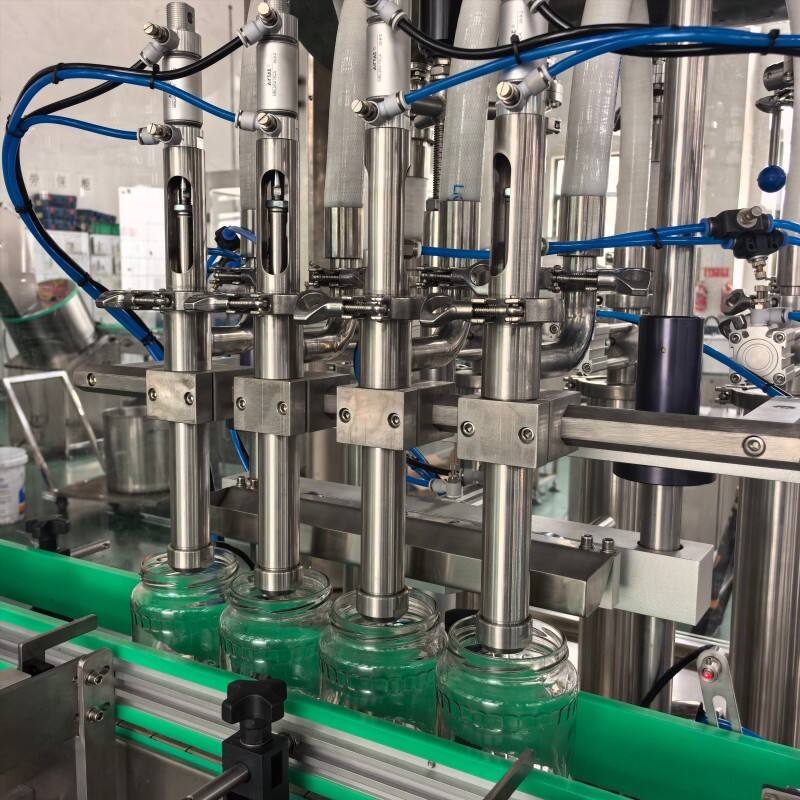
Maintaining industrial filling equipment requires systematic attention to detail and comprehensive understanding of mechanical components. A glass jar filling machine represents a significant investment for food processing facilities, requiring proper care to maximize operational efficiency and extend service life. Regular maintenance protocols ensure consistent product quality, minimize downtime, and protect against costly equipment failures that can disrupt production schedules.
Professional maintenance strategies encompass multiple operational aspects, from daily cleaning procedures to comprehensive annual overhauls. Understanding the intricate mechanisms within filling equipment enables operators to identify potential issues before they escalate into major problems. Proactive maintenance approaches significantly reduce operational costs while maintaining consistent product output standards throughout extended production cycles.
Modern manufacturing environments demand reliable equipment performance to meet stringent quality requirements and production deadlines. Implementing structured maintenance protocols ensures optimal functionality while preserving the substantial financial investment represented by specialized filling machinery. Comprehensive care strategies protect both immediate operational needs and long-term business objectives.
Essential Daily Maintenance Procedures
Cleaning and Sanitization Protocols
Daily cleaning procedures form the foundation of effective equipment maintenance, preventing product residue accumulation and bacterial contamination. Thorough sanitization requires dismantling removable components, including filling nozzles, product contact surfaces, and collection chambers. Food-grade cleaning solutions must be applied according to manufacturer specifications, ensuring complete removal of organic materials that could compromise product quality or equipment functionality.
Proper cleaning sequences begin with preliminary rinses to remove bulk product residues, followed by alkaline cleaning solutions that dissolve protein and fat deposits. Acid cleaning cycles eliminate mineral deposits and scale buildup that can obstruct precision mechanisms within the filling system. Final sanitization steps utilize approved antimicrobial solutions to eliminate potential pathogenic organisms before production resumes.
Documentation of cleaning activities provides essential traceability for quality assurance programs and regulatory compliance requirements. Detailed cleaning logs should record cleaning agent concentrations, contact times, water temperatures, and verification procedures. This documentation supports HACCP compliance while creating historical records that identify potential maintenance trends or recurring issues.
Component Inspection and Lubrication
Daily visual inspections identify wear indicators, loose fasteners, and potential mechanical problems before they cause equipment failures. Systematic examination of drive mechanisms, conveyor systems, and pneumatic components reveals early warning signs of deteriorating performance. Operators should document any unusual noises, vibrations, or operational irregularities that might indicate developing mechanical issues.
Lubrication schedules must align with manufacturer recommendations, utilizing specified lubricant types and application intervals. Over-lubrication can attract contaminants and create product contamination risks, while insufficient lubrication accelerates component wear and increases maintenance requirements. Proper lubrication techniques ensure optimal component protection without compromising food safety standards.
Regular bearing inspections identify potential failures through temperature monitoring and vibration analysis. Excessive heat generation or unusual noise patterns indicate impending bearing failure that requires immediate attention. Preventive bearing replacement programs significantly reduce unplanned downtime while maintaining consistent operational performance throughout extended production periods.
Weekly and Monthly Maintenance Tasks
Mechanical System Adjustments
Weekly calibration procedures ensure filling accuracy and product consistency throughout production cycles. Volumetric filling systems require periodic adjustment to compensate for normal wear and changing product characteristics. Precision measurement tools verify fill weights against established specifications, identifying drift patterns that indicate necessary mechanical adjustments or component replacement.
Belt tension adjustments maintain proper conveyor operation and prevent premature wear of drive components. Excessive tension increases bearing loads and energy consumption, while insufficient tension causes slippage and irregular product movement. Proper tension settings optimize power transmission efficiency while extending component service life through reduced mechanical stress.
Pneumatic system maintenance includes pressure regulator adjustments, filter element replacement, and moisture elimination procedures. Compressed air quality directly impacts actuator performance and seal longevity within the glass jar filling machine system. Regular air quality testing ensures optimal pneumatic performance while preventing contamination of product contact surfaces.
Electrical System Maintenance
Monthly electrical inspections identify potential wiring issues, connector problems, and control system malfunctions before they cause operational disruptions. Thermal imaging technology detects overheating components that indicate excessive electrical loads or poor connections. Preventive electrical maintenance significantly reduces the risk of unexpected failures that could damage expensive control components.
Control panel cleaning removes accumulated dust and debris that can interfere with electrical connections and heat dissipation. Environmental contaminants in food processing facilities create particular challenges for electrical equipment, requiring enhanced protection measures and more frequent maintenance intervals. Proper environmental sealing protects sensitive electronic components from moisture and chemical exposure.
Backup system testing ensures emergency procedures function correctly during power outages or equipment failures. Regular testing of emergency stop systems, safety interlocks, and alarm functions verifies that protective measures remain operational. Documentation of testing results provides evidence of compliance with safety regulations while maintaining operator confidence in protective systems.
Preventive Maintenance Scheduling
Annual Overhaul Procedures
Comprehensive annual maintenance involves complete equipment disassembly, component inspection, and precision measurement of critical dimensions. Professional technicians evaluate wear patterns, dimensional changes, and material condition to determine replacement requirements. Detailed inspection reports document component conditions and recommend proactive replacement schedules for predictable maintenance planning.
Complete seal replacement programs eliminate potential contamination sources while ensuring optimal system performance. O-ring materials degrade over time through chemical exposure and mechanical stress, requiring systematic replacement based on established schedules rather than failure occurrence. Proactive seal maintenance prevents product contamination while maintaining precise filling accuracy.
Precision recalibration procedures restore original equipment specifications and filling accuracy standards. Specialized measurement equipment verifies dimensional tolerances and operational parameters against manufacturer specifications. Professional calibration services ensure optimal performance while maintaining traceability requirements for quality assurance programs and regulatory compliance.
Spare Parts Management
Strategic spare parts inventory management ensures critical components remain available for emergency repairs and scheduled maintenance activities. Predictive maintenance programs identify replacement schedules for wear components, enabling advance procurement and inventory optimization. Proper parts storage conditions preserve component integrity and extend shelf life for expensive specialized components.
Vendor relationships facilitate rapid parts procurement and technical support during emergency situations. Established service agreements provide priority access to replacement components and specialized technical expertise when complex repairs exceed internal capabilities. Professional service partnerships ensure optimal equipment performance while minimizing maintenance costs through efficient resource utilization.
Documentation systems track parts consumption patterns and identify opportunities for inventory optimization. Historical consumption data enables accurate forecasting and budget planning for maintenance expenditures. Computerized maintenance management systems integrate parts tracking with maintenance scheduling for comprehensive equipment management programs.
Troubleshooting Common Issues
Filling Accuracy Problems
Filling accuracy variations often result from worn metering components, improper calibration, or product characteristic changes. Systematic diagnosis procedures isolate the root cause through process elimination and precision measurement techniques. Temperature fluctuations affect product viscosity and filling characteristics, requiring environmental control measures and compensation adjustments.
Nozzle wear creates irregular flow patterns and filling inconsistencies that compromise product quality standards. Regular nozzle inspection and replacement programs maintain consistent filling performance while preventing product waste. Specialized nozzle designs accommodate different product characteristics and viscosity ranges for optimal filling accuracy.
Pressure regulation problems affect filling consistency and product quality throughout production runs. Pneumatic system maintenance ensures stable pressure delivery and consistent actuator performance. Regular pressure system calibration maintains optimal filling conditions while preventing equipment damage from excessive pressures.
Mechanical Wear Indicators
Unusual noise patterns often indicate developing mechanical problems requiring immediate investigation and corrective action. Bearing wear, gear damage, and drive system problems create distinctive acoustic signatures that trained operators can identify. Early detection through sound analysis prevents catastrophic failures and reduces repair costs through timely intervention.
Vibration monitoring identifies unbalanced components, misaligned drives, and bearing deterioration before visible damage occurs. Specialized vibration analysis equipment detects subtle changes in mechanical condition that indicate developing problems. Trending analysis provides predictive maintenance capabilities that optimize repair scheduling and minimize production disruptions.
Temperature monitoring reveals excessive friction, inadequate lubrication, and electrical problems that require corrective action. Thermal imaging technology identifies hot spots and temperature gradients that indicate developing failures. Regular temperature monitoring programs provide early warning systems for potential equipment problems.
FAQ
How often should glass jar filling machines be completely serviced?
Complete equipment servicing should occur annually, with comprehensive inspection and component replacement based on wear analysis. Monthly preventive maintenance addresses routine adjustments and replacements, while daily procedures focus on cleaning and basic inspection. Service frequency may increase for high-volume operations or challenging product applications that accelerate component wear.
What are the most critical components requiring regular replacement?
Seals, gaskets, and wearing surfaces represent the most critical replacement components due to direct product contact and mechanical stress. Filling nozzles, valve seats, and drive belts require regular replacement based on established schedules. Bearing components and pneumatic actuators also require attention based on operating hours and environmental conditions.
Can maintenance procedures be performed by internal staff or require professional service?
Basic maintenance procedures including cleaning, lubrication, and routine adjustments can be performed by trained internal staff with proper equipment and procedures. Complex repairs, precision calibration, and major component replacement typically require professional technical service to ensure optimal results and maintain warranty coverage. Training programs develop internal capabilities while establishing clear boundaries for professional service requirements.
How does proper maintenance affect equipment warranty and service life?
Documented maintenance programs typically extend warranty coverage and demonstrate compliance with manufacturer requirements. Proper maintenance significantly extends equipment service life by preventing premature wear and identifying problems before they cause major damage. Maintenance records provide valuable data for warranty claims and insurance coverage while supporting equipment valuation for accounting purposes.