
 EN
EN
Industrial packaging operations face constant pressure to maximize efficiency while maintaining product quality and safety standards. A plastic bucket filling machine represents a revolutionary solution that transforms manual filling processes into streamlined automated operations. These sophisticated systems eliminate bottlenecks, reduce labor costs, and ensure consistent fill volumes across thousands of containers daily. Modern manufacturing facilities increasingly rely on automated filling technology to meet growing market demands while maintaining competitive pricing structures.
The transition from manual to automated filling systems delivers immediate operational benefits that extend far beyond simple speed improvements. Companies implementing these advanced systems report significant reductions in product waste, improved workplace safety conditions, and enhanced overall production capacity. Understanding how these machines simplify bulk filling operations provides valuable insights for manufacturers seeking to optimize their packaging processes.
Core Components and Operational Mechanics
Precision Filling Systems
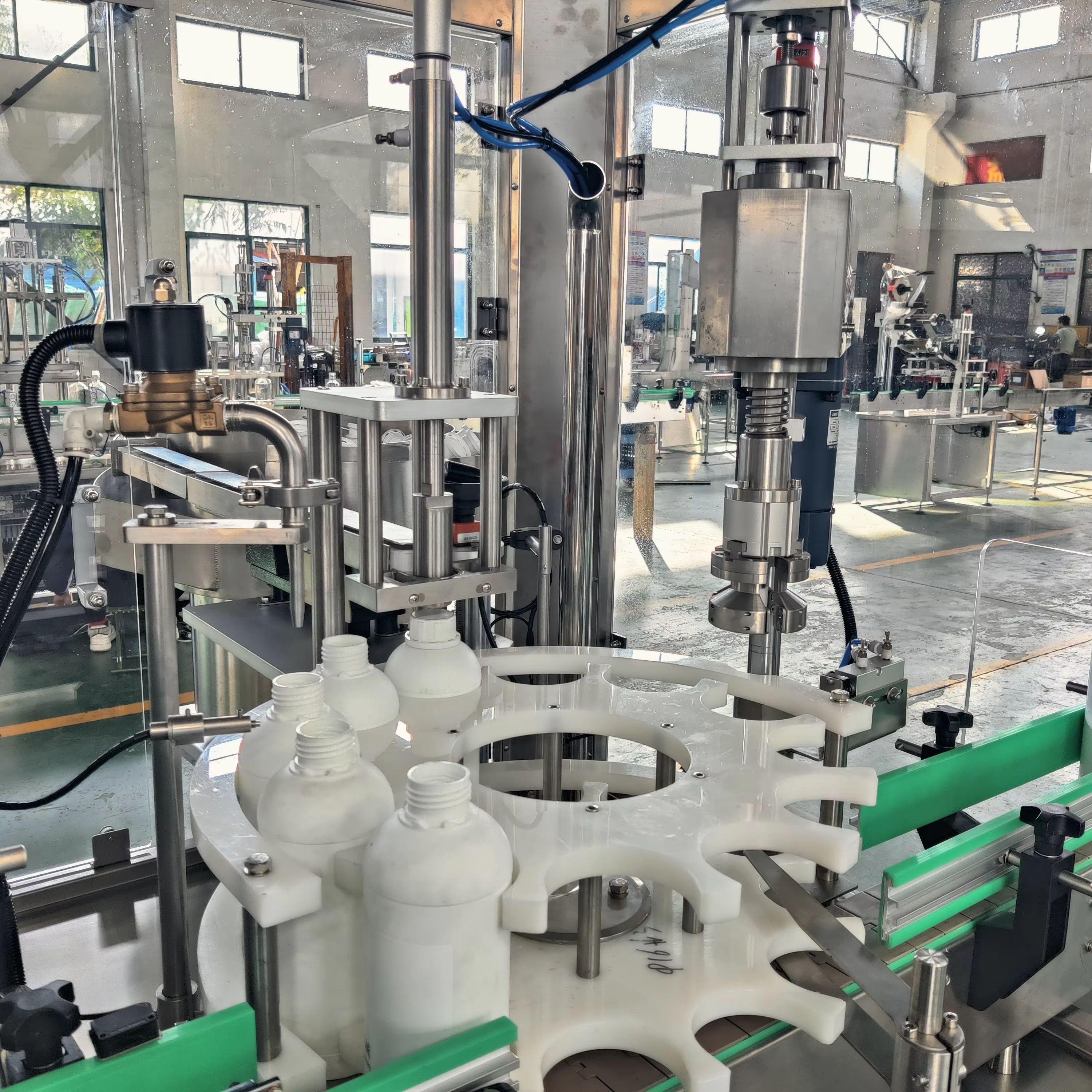
The heart of any effective plastic bucket filling machine lies in its precision measurement and dispensing capabilities. Advanced volumetric filling systems utilize servo-controlled pumps that deliver exact quantities of liquid products with minimal variation. These systems incorporate sophisticated sensors that monitor flow rates, detect container presence, and automatically adjust filling speeds based on product viscosity characteristics.
Multiple filling heads work simultaneously to maximize throughput while maintaining accuracy standards. Each filling station operates independently, allowing for different product formulations or container sizes within the same production run. The system's flexibility accommodates various liquid types, from thin solvents to thick adhesives, without requiring extensive reconfiguration between batches.
Automated Container Handling
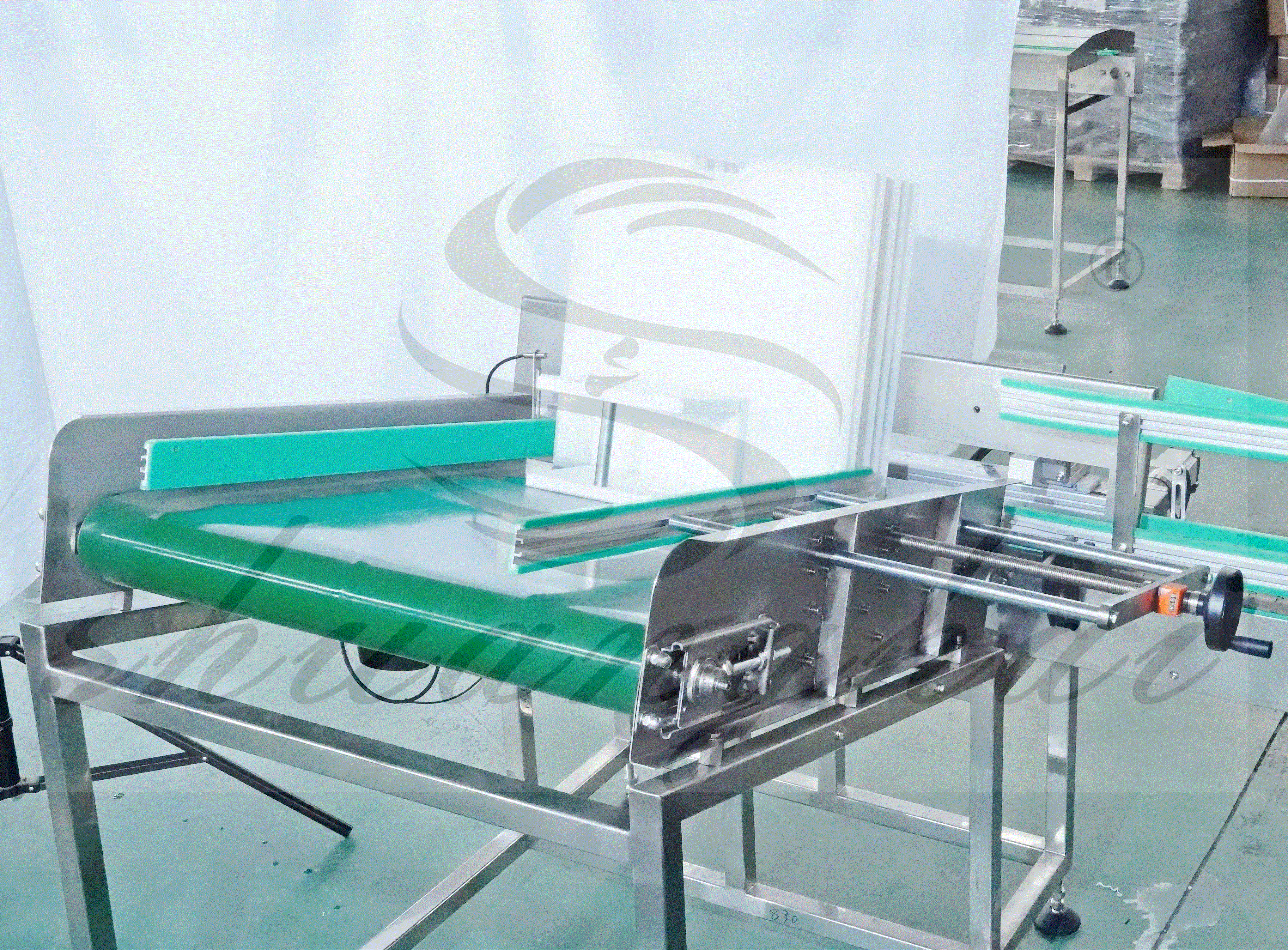
Integrated conveyor systems transport containers through multiple processing stations with precise timing coordination. Advanced positioning mechanisms ensure perfect alignment between filling heads and container openings, eliminating spillage and product contamination risks. Photoelectric sensors detect container presence and automatically initiate filling sequences while monitoring proper positioning throughout the operation.
Container rejection systems automatically remove improperly positioned or damaged buckets from the production line before filling begins. This proactive quality control prevents costly product waste and maintains consistent output quality. The handling system adapts to various container sizes and shapes through adjustable guide rails and positioning mechanisms.
Control System Integration
Programmable logic controllers coordinate all machine functions through intuitive touchscreen interfaces. Operators can easily adjust filling parameters, monitor production statistics, and troubleshoot system issues without specialized technical knowledge. Real-time data collection provides valuable insights into production efficiency and helps identify optimization opportunities.
Remote monitoring capabilities allow supervisors to track machine performance from central control rooms or mobile devices. Automated alerts notify operators of maintenance requirements, supply shortages, or operational anomalies before they impact production schedules. This predictive maintenance approach minimizes unexpected downtime and extends equipment lifespan.
Efficiency Improvements and Production Benefits
Throughput Enhancement
Modern filling machines achieve production rates exceeding 1,000 containers per hour, dramatically outperforming manual filling operations. Multi-head configurations allow simultaneous filling of multiple containers, effectively multiplying baseline production capacity. Continuous operation capabilities eliminate the fatigue-related slowdowns common in manual processes.
Quick changeover features enable rapid transitions between different products or container sizes with minimal setup time. Tool-free adjustments reduce changeover periods from hours to minutes, maximizing productive uptime. Standardized operating procedures ensure consistent setup accuracy regardless of operator experience levels.
Quality Consistency
Automated filling systems eliminate human error variables that contribute to fill volume inconsistencies. Precise measurement mechanisms ensure every container receives exactly the specified amount of product, reducing customer complaints and regulatory compliance issues. Statistical process control features continuously monitor filling accuracy and automatically adjust parameters to maintain specified tolerances.
Temperature compensation systems account for thermal expansion effects on liquid volumes, maintaining accuracy across varying environmental conditions. This sophisticated control ensures consistent product quality regardless of seasonal temperature fluctuations or facility heating variations.
Labor Optimization
Implementing a plastic bucket filling machine reduces staffing requirements while redirecting workers to higher-value activities. Single operators can supervise multiple filling lines simultaneously, significantly improving labor productivity ratios. Reduced physical demands minimize workplace injury risks and improve employee satisfaction levels.
Cross-training programs enable operators to manage various automated systems, increasing workforce flexibility and reducing dependence on specialized personnel. Simplified operation procedures allow rapid skill development and minimize training costs for new employees.
Cost Reduction Strategies and ROI Analysis
Direct Cost Savings
Automated filling systems generate substantial savings through reduced labor costs, minimized product waste, and improved material utilization efficiency. Precise filling mechanisms eliminate overfilling losses that commonly occur in manual operations, directly improving profit margins. Reduced spillage and contamination incidents lower cleanup costs and material waste disposal expenses.
Energy-efficient motor systems and optimized operational cycles reduce utility consumption compared to multiple manual workstations. Consolidated operations require less facility space, potentially reducing building costs or freeing areas for expanded production capacity. Maintenance requirements typically decrease due to reduced wear from consistent automated operations versus variable manual handling.
Indirect Financial Benefits
Enhanced production reliability enables more accurate delivery commitments and improved customer satisfaction ratings. Consistent product quality reduces return rates and warranty claims, protecting brand reputation and customer relationships. Faster production cycles enable quicker response times to market demands and seasonal fluctuations.
Improved workplace safety records can reduce insurance premiums and workers compensation claims. Documentation capabilities provide audit trails that support regulatory compliance and quality certifications. These factors collectively contribute to improved market positioning and competitive advantages.
Technology Integration and Future Developments
Industry 4.0 Connectivity
Modern plastic bucket filling machine designs incorporate Internet of Things connectivity that enables seamless integration with enterprise resource planning systems. Real-time production data flows directly into inventory management systems, automatically triggering supply orders and updating production schedules. This integration eliminates manual data entry errors and improves overall operational visibility.
Cloud-based analytics platforms process machine performance data to identify optimization opportunities and predict maintenance requirements. Machine learning algorithms analyze historical patterns to recommend operational adjustments that improve efficiency and reduce costs. Remote diagnostic capabilities enable equipment manufacturers to provide proactive technical support.
Advanced Sensor Technology
Next-generation filling machines utilize advanced sensor arrays that monitor multiple quality parameters simultaneously. Vision systems inspect container integrity, fill levels, and product characteristics in real-time. These automated quality control systems exceed human inspection capabilities while operating at production speeds.
Predictive sensors monitor component wear patterns and operating conditions to schedule maintenance activities before failures occur. This proactive approach minimizes unexpected downtime and reduces emergency repair costs. Sensor data integration provides comprehensive equipment health monitoring that extends machinery lifespan.
Implementation Considerations and Best Practices
Facility Requirements
Successful plastic bucket filling machine installation requires careful consideration of facility layout, utilities, and workflow integration. Adequate floor space must accommodate the machine footprint plus maintenance access areas. Electrical supply capacity should support motor requirements and control systems without overloading existing infrastructure.
Compressed air systems provide pneumatic power for various machine functions and require sufficient capacity and pressure ratings. Product supply lines must deliver consistent flow rates and maintain appropriate temperatures for optimal filling performance. Drainage systems handle cleaning solutions and potential spill incidents safely.
Operator Training Programs
Comprehensive training programs ensure operators understand machine capabilities, safety procedures, and maintenance requirements. Hands-on instruction covers routine operational tasks, troubleshooting procedures, and quality control protocols. Regular refresher training maintains skill levels and introduces new features or operational improvements.
Documentation packages include detailed operating manuals, maintenance schedules, and safety protocols. Video training materials provide visual references for complex procedures and serve as ongoing training resources. Certification programs validate operator competency and ensure consistent operational standards across multiple shifts.
FAQ
What types of products can be filled using plastic bucket filling machines
These versatile machines accommodate a wide range of liquid and semi-liquid products including paints, adhesives, chemicals, food products, lubricants, and cleaning solutions. The filling system adapts to various viscosities through adjustable pump speeds and specialized dispensing heads. Product compatibility depends on chemical resistance of wetted components and specific application requirements.
How do filling machines maintain accuracy across different container sizes
Advanced filling systems utilize programmable recipes that store specific parameters for each container size and product combination. Servo-controlled dispensing mechanisms automatically adjust fill volumes, speeds, and timing based on selected recipes. Quick-change fixtures accommodate different container dimensions while maintaining precise positioning accuracy throughout production runs.
What maintenance requirements should facilities expect with automated filling equipment
Regular maintenance includes daily cleaning procedures, weekly lubrication schedules, and monthly calibration checks. Preventive maintenance programs focus on wear components such as seals, pumps, and sensors that require periodic replacement. Most systems include diagnostic features that monitor component performance and alert operators to potential issues before failures occur.
Can filling machines integrate with existing production line equipment
Modern filling machines feature flexible integration capabilities that connect with upstream and downstream equipment through standardized communication protocols. Conveyor interfaces, capping systems, and labeling equipment can be synchronized for seamless production flow. Custom integration solutions accommodate unique facility requirements and existing equipment configurations to optimize overall line performance.
Table of Contents
- Core Components and Operational Mechanics
- Efficiency Improvements and Production Benefits
- Cost Reduction Strategies and ROI Analysis
- Technology Integration and Future Developments
- Implementation Considerations and Best Practices
-
FAQ
- What types of products can be filled using plastic bucket filling machines
- How do filling machines maintain accuracy across different container sizes
- What maintenance requirements should facilities expect with automated filling equipment
- Can filling machines integrate with existing production line equipment