
 EN
EN
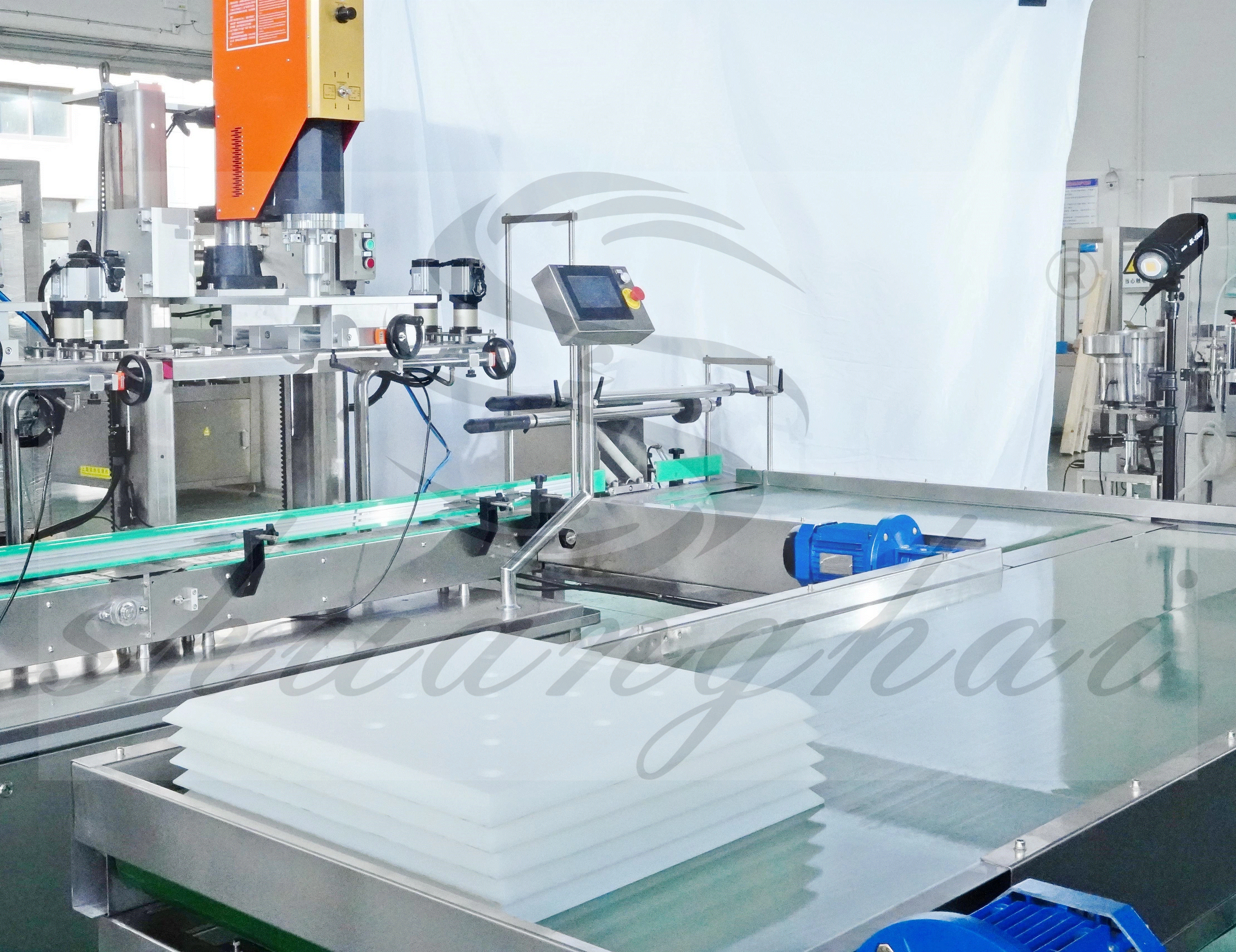
Manufacturing operations across various industries are continuously seeking ways to optimize their production processes while reducing operational costs. The adoption of automated filling solutions has become increasingly crucial for businesses handling liquid products, chemicals, paints, adhesives, and food-grade materials. Modern packaging facilities require equipment that can handle diverse container sizes and viscosities while maintaining consistent quality standards. The integration of advanced filling technology has transformed how companies approach their packaging operations, leading to significant improvements in both efficiency and profitability.
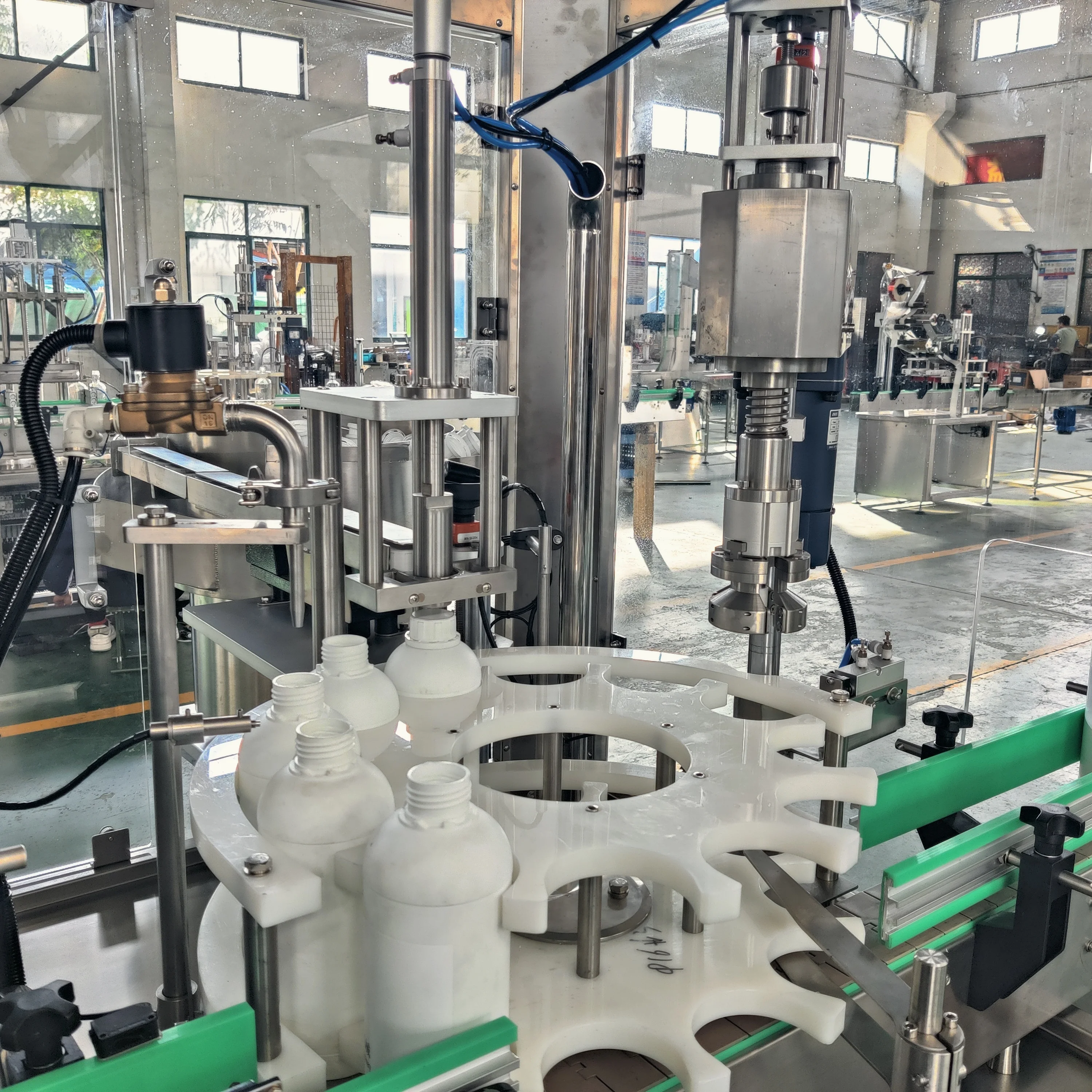
Understanding the Economic Benefits of Automated Filling Solutions
Labor Cost Reduction and Operational Efficiency
Automated filling systems significantly reduce the dependency on manual labor, which directly translates to substantial cost savings over time. Traditional manual filling processes require multiple operators to achieve production targets, whereas a single plastic bucket filling machine can handle the workload of several employees. The reduction in labor requirements not only decreases wage expenses but also minimizes costs associated with employee benefits, training, and turnover. Additionally, automated systems operate consistently without fatigue, breaks, or performance variations that typically affect human workers.
The operational efficiency gained through automation extends beyond simple labor replacement. These machines maintain consistent filling speeds and accuracy levels throughout entire production shifts, eliminating the variability inherent in manual processes. The precision of automated systems reduces product waste, ensures uniform fill levels, and minimizes overfilling costs that can accumulate significantly over large production volumes. Furthermore, the ability to operate multiple shifts with minimal supervision maximizes equipment utilization and production output.
Long-Term Return on Investment Analysis
The initial capital investment in automated filling equipment typically pays for itself within 12 to 24 months through accumulated savings in labor costs, reduced waste, and increased production capacity. Companies often experience immediate improvements in throughput rates, with many reporting production increases of 200-400% compared to manual filling operations. The consistent quality output reduces customer complaints, returns, and associated replacement costs, further enhancing the overall return on investment.
Modern filling machines are designed for durability and longevity, often providing reliable service for 10-15 years with proper maintenance. This extended operational lifespan spreads the initial investment across many years of production, resulting in a very favorable cost per unit filled. The resale value of well-maintained equipment also contributes to the overall investment return, as quality filling machines retain significant value in the secondary market.
Technical Advantages Driving Cost Effectiveness
Precision and Waste Reduction Capabilities
Advanced filling systems incorporate sophisticated measurement technologies that ensure precise fill volumes with minimal variation. This precision eliminates the overfilling that commonly occurs with manual processes, where operators tend to err on the side of excess to avoid under-filled containers. The cumulative savings from reduced product giveaway can amount to thousands of dollars monthly for high-volume operations, particularly when dealing with expensive materials or chemicals.
The consistency achieved through automated systems also reduces the rejection rate of finished products. Manual filling operations often result in containers that fail quality control checks due to inconsistent fill levels, leading to rework costs or product disposal. Automated plastic bucket filling machine systems maintain tight tolerances that ensure virtually all filled containers meet specification requirements, maximizing the yield from raw materials and minimizing waste disposal costs.
Versatility and Multi-Product Handling
Modern filling equipment offers remarkable flexibility in handling various product types and container sizes without requiring separate machines for different applications. This versatility eliminates the need for multiple specialized filling systems, reducing both capital expenditure and floor space requirements. Quick changeover capabilities allow manufacturers to switch between different products or container sizes within minutes rather than hours, maximizing production flexibility and responsiveness to market demands.
The ability to handle products with varying viscosities, from thin liquids to thick pastes, makes these machines suitable for diverse manufacturing environments. This adaptability ensures that a single investment can serve multiple product lines, spreading the equipment cost across broader production volumes and improving overall utilization rates. The standardized operation procedures across different products also simplify training requirements and reduce operational complexity.
Maintenance and Operational Considerations
Preventive Maintenance Programs
Implementing structured maintenance schedules ensures optimal performance and extends equipment lifespan while minimizing unexpected downtime costs. Regular maintenance activities, including cleaning, calibration, and component inspection, prevent costly failures and maintain filling accuracy over time. The predictable nature of maintenance requirements allows for better budget planning and inventory management of spare parts and consumables.
Most modern plastic bucket filling machine models feature self-diagnostic capabilities and monitoring systems that alert operators to potential issues before they result in production interruptions. These predictive maintenance features reduce emergency repair costs and help maintain consistent production schedules. The integration of remote monitoring capabilities also enables proactive support from equipment manufacturers, further reducing maintenance complexity and costs.
Energy Efficiency and Environmental Impact
Contemporary filling systems incorporate energy-efficient motors, optimized control systems, and intelligent power management features that significantly reduce electrical consumption compared to older equipment. The reduced energy requirements translate to lower utility costs and contribute to improved sustainability profiles for manufacturing operations. Many systems also feature standby modes that further minimize power consumption during production breaks or changeovers.
The precision of automated systems also supports environmental objectives by reducing product waste and packaging material consumption. Consistent fill levels eliminate the need for overpacking while ensuring customer satisfaction with product quantity. The reduced waste generation also decreases disposal costs and environmental compliance requirements, contributing to overall operational cost reduction.
Quality Control and Regulatory Compliance
Automated Quality Assurance
Integrated quality control systems provide real-time monitoring of fill weights, detecting and rejecting containers that fall outside specified tolerances. This automated quality assurance eliminates the labor costs associated with manual inspection processes while providing more comprehensive and consistent quality control coverage. The documentation capabilities of these systems also support regulatory compliance requirements and provide traceability for quality investigations.
The consistent performance of automated systems reduces the risk of quality issues that could result in product recalls, regulatory penalties, or customer complaints. The cost of addressing quality problems often far exceeds the savings achieved through manual processes, making automated systems a prudent risk management investment. The detailed production records generated by modern equipment also facilitate quality improvement initiatives and process optimization efforts.
Regulatory Compliance and Documentation
Automated filling systems excel at generating the comprehensive documentation required by various regulatory agencies and industry standards. The digital records of fill volumes, production times, and operating parameters provide auditable trails that satisfy compliance requirements without additional labor costs for manual record-keeping. This automated documentation also supports lot tracking and recall procedures when necessary.
The consistency and accuracy of automated systems help manufacturers maintain compliance with weight and measure regulations, avoiding potential fines and legal issues associated with under-filled containers. The precision of plastic bucket filling machine technology ensures that products consistently meet or exceed labeled quantities, protecting companies from regulatory scrutiny and maintaining customer trust.
Market Competitiveness and Scalability
Production Scalability Benefits
Automated filling systems provide the scalability necessary to respond quickly to market demand fluctuations without proportional increases in labor costs. Companies can increase production volumes by extending operating hours or adding shifts with minimal additional staffing requirements. This flexibility enables manufacturers to capitalize on market opportunities and seasonal demand variations more effectively than competitors relying on manual processes.
The modular design of many filling systems allows for capacity expansion through the addition of filling heads or parallel processing lines. This scalability approach enables companies to grow their operations incrementally, matching capacity investments with actual demand growth rather than making large upfront commitments. The ability to scale operations efficiently provides a significant competitive advantage in dynamic markets.
Customer Service and Delivery Performance
The reliability and consistency of automated filling operations enable manufacturers to make firm delivery commitments and maintain predictable lead times. This reliability enhances customer satisfaction and supports premium pricing strategies based on superior service levels. The reduced risk of production delays also minimizes expediting costs and emergency shipping expenses that can erode profit margins.
Consistent product quality achieved through automated filling processes strengthens customer relationships and reduces support costs associated with quality complaints or returns. The professional appearance and uniform quality of machine-filled products also enhance brand perception and support marketing efforts in competitive markets.
FAQ
What is the typical payback period for investing in an automated plastic bucket filling machine
Most companies experience payback periods between 12 to 24 months when replacing manual filling operations with automated systems. The exact timeline depends on production volumes, labor costs, product values, and operational efficiency gains. Higher-volume operations typically see faster returns due to greater labor savings and waste reduction benefits.
How do automated filling machines handle different product viscosities and container sizes
Modern filling equipment incorporates adjustable pumping systems, variable speed controls, and interchangeable filling heads to accommodate diverse product characteristics and container dimensions. Quick-change tooling and programmable control systems enable rapid product changeovers, often completed in minutes rather than hours required for manual setup adjustments.
What maintenance requirements should be expected for plastic bucket filling equipment
Regular maintenance typically includes daily cleaning procedures, weekly calibration checks, and monthly component inspections. Most manufacturers provide detailed maintenance schedules and training programs to ensure optimal performance. Preventive maintenance costs are generally 2-5% of equipment value annually, which is significantly less than the costs associated with unexpected downtime or quality issues.
Can automated filling systems integrate with existing production lines and quality control systems
Yes, contemporary filling machines feature standardized communication protocols and modular designs that facilitate integration with existing conveyor systems, quality control equipment, and production management software. Many systems offer plug-and-play connectivity options that minimize installation complexity and commissioning time while maintaining compatibility with established operational procedures.
Table of Contents
- Understanding the Economic Benefits of Automated Filling Solutions
- Technical Advantages Driving Cost Effectiveness
- Maintenance and Operational Considerations
- Quality Control and Regulatory Compliance
- Market Competitiveness and Scalability
-
FAQ
- What is the typical payback period for investing in an automated plastic bucket filling machine
- How do automated filling machines handle different product viscosities and container sizes
- What maintenance requirements should be expected for plastic bucket filling equipment
- Can automated filling systems integrate with existing production lines and quality control systems