
 EN
EN
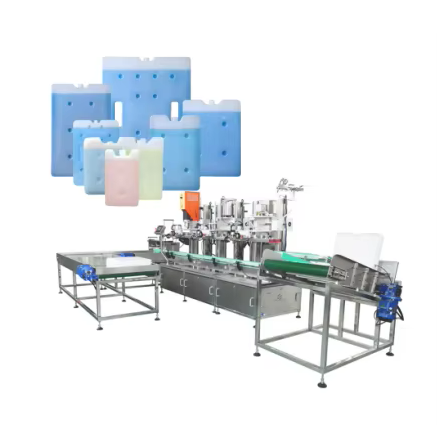
Selecting the appropriate plastic bucket filling machine for your production line represents a critical decision that impacts efficiency, product quality, and long-term profitability. Manufacturing facilities across industries require reliable equipment that can handle various container sizes, liquid viscosities, and production volumes while maintaining consistent accuracy and minimizing waste. The complexity of modern filling operations demands careful consideration of multiple factors including automation level, filling technology, maintenance requirements, and integration capabilities with existing production infrastructure.
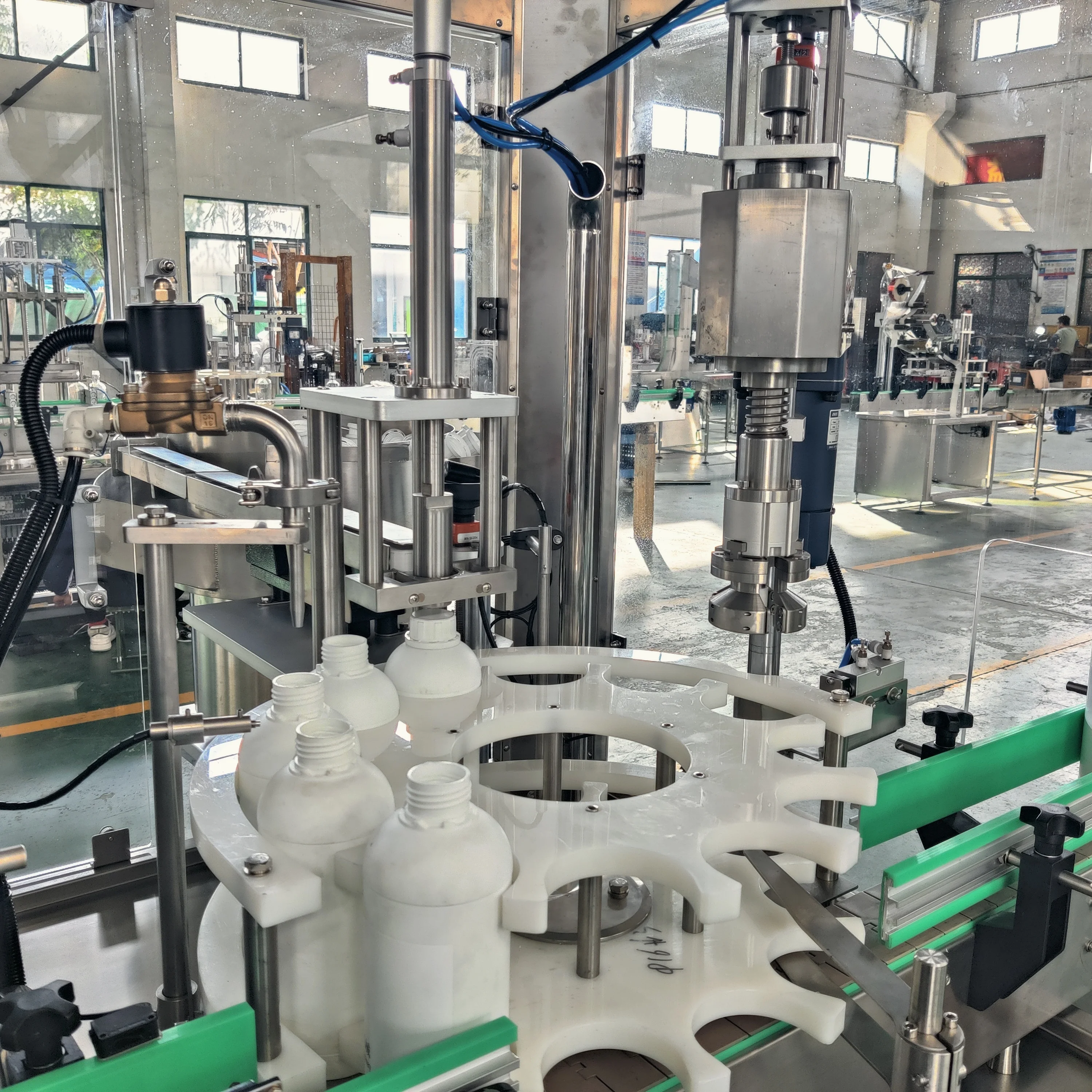
Understanding Filling Technology Types
Volumetric Filling Systems
Volumetric filling systems measure precise liquid volumes through mechanical displacement or electronic control mechanisms. These systems excel in applications requiring consistent fill levels regardless of liquid density variations. The technology utilizes pistons, rotary valves, or servo-controlled pumps to dispense predetermined volumes with accuracy levels typically ranging from 0.5% to 2% depending on system configuration. Industries processing chemicals, lubricants, and viscous products often prefer volumetric systems due to their reliability with thick liquids and ability to handle products containing suspended particles.
Modern volumetric plastic bucket filling machine configurations incorporate programmable logic controllers that allow operators to adjust fill volumes quickly between product changeovers. Advanced models feature recipe management systems storing multiple product parameters, reducing setup time and minimizing human error during transitions. The servo-driven technology provides excellent repeatability while maintaining gentle product handling characteristics essential for maintaining product integrity.
Gravity and Pressure Filling Methods
Gravity filling relies on natural flow dynamics to fill containers, making it suitable for low-viscosity liquids such as water, juices, and cleaning solutions. This method offers cost-effective solutions for high-volume operations where precise weight control takes precedence over speed. Pressure filling systems utilize controlled air pressure or vacuum assistance to accelerate filling cycles while maintaining accuracy standards. The technology proves particularly effective for products requiring foam reduction or when handling liquids prone to oxidation.
Combined gravity-pressure systems provide operational flexibility by allowing manufacturers to optimize filling parameters based on specific product characteristics. These hybrid approaches enable facilities to process diverse product portfolios using single equipment platforms, reducing capital investment requirements while maximizing production versatility.
Automation Levels and Production Capacity
Semi-Automatic Solutions
Semi-automatic filling machines offer balanced solutions for medium-scale operations requiring operator involvement in container placement and removal processes. These systems typically feature manual container loading with automated filling cycles, providing production rates between 200 to 800 containers per hour depending on container size and liquid characteristics. The technology appeals to manufacturers seeking cost-effective automation while maintaining operational flexibility for frequent product changes or specialized packaging requirements.
Semi-automatic plastic bucket filling machine designs often incorporate safety features including emergency stops, level sensors, and spillage containment systems. The reduced complexity compared to fully automated systems translates to lower maintenance costs and simplified troubleshooting procedures, making them attractive options for facilities with limited technical support resources.
Fully Automatic Systems
Fully automatic filling lines integrate container handling, filling, capping, and labeling processes into continuous production systems. These configurations achieve production rates exceeding 2000 containers per hour while minimizing labor requirements and maintaining consistent quality standards. Advanced conveyor systems, robotic container placement, and integrated quality control sensors ensure reliable operation with minimal human intervention.
Automatic systems excel in high-volume manufacturing environments where consistency and efficiency drive profitability. The technology incorporates predictive maintenance capabilities, real-time monitoring systems, and data logging functions that support continuous improvement initiatives and regulatory compliance requirements common in pharmaceutical, chemical, and food processing industries.
Material Compatibility and Construction Features
Stainless Steel Components
Stainless steel construction provides essential corrosion resistance and sanitary characteristics required for food-grade and pharmaceutical applications. Grade 316L stainless steel offers superior chemical compatibility with acids, bases, and organic solvents commonly processed in industrial facilities. The material selection ensures long-term durability while facilitating thorough cleaning and sanitization procedures necessary for maintaining product purity standards.
Welded stainless steel construction eliminates crevices and joints where contaminants might accumulate, supporting effective cleaning protocols and regulatory compliance. Surface finishes ranging from standard mill finish to electropolished surfaces accommodate various cleanliness requirements while maintaining structural integrity under challenging operating conditions.
Specialized Coating Applications
Specialized coating systems extend equipment compatibility to handle aggressive chemicals, extreme temperatures, and abrasive products. Fluoropolymer coatings provide exceptional chemical resistance for applications involving strong acids, bases, or organic solvents that might attack standard materials. These coatings maintain surface integrity while offering non-stick properties that facilitate cleaning and reduce product adhesion issues.
Ceramic and carbide coatings address wear resistance requirements in applications processing abrasive slurries or particulate-laden liquids. The coating selection process considers factors including operating temperature ranges, chemical exposure profiles, and expected service life requirements to optimize long-term performance and minimize maintenance costs.
Quality Control and Accuracy Features
Weight-Based Monitoring Systems
Weight-based quality control systems utilize precision load cells to verify fill accuracy in real-time during production cycles. These systems detect under-fills, over-fills, and container weight variations that might indicate equipment malfunctions or product quality issues. Integration with production control systems enables automatic rejection of non-conforming containers while maintaining detailed production records for quality assurance purposes.
Advanced weight monitoring incorporates statistical process control algorithms that identify trending issues before they result in product defects. The technology supports continuous process optimization by providing operators with actionable data regarding filling performance, equipment condition, and product consistency metrics.
Vision Inspection Integration
Vision inspection systems complement weight-based monitoring by detecting visual defects including improper fill levels, foam presence, contamination, and container damage. High-resolution cameras and specialized lighting systems capture detailed images for analysis by machine learning algorithms trained to identify specific defect types. The technology enables 100% inspection capabilities while maintaining production speeds necessary for competitive manufacturing operations.
Integrated vision systems support comprehensive quality documentation by storing images of rejected containers alongside production data. This capability proves invaluable for root cause analysis, customer complaint investigations, and continuous improvement initiatives aimed at reducing defect rates and enhancing overall product quality.
Integration with Existing Production Lines
Conveyor System Compatibility
Successful plastic bucket filling machine integration requires careful consideration of existing conveyor systems including belt speeds, container handling methods, and accumulation capabilities. Matching conveyor heights, widths, and control interfaces ensures smooth product flow while minimizing mechanical stress on containers and equipment components. Variable speed drives and programmable controls enable synchronization with upstream and downstream processes for optimal production efficiency.
Modular conveyor designs facilitate future expansion and reconfiguration as production requirements evolve. Quick-disconnect fittings, standardized mounting systems, and portable control panels support flexible manufacturing strategies while reducing installation and changeover times associated with equipment modifications.
Control System Integration
Modern filling machines incorporate communication protocols including Ethernet/IP, Profibus, and OPC-UA standards that enable seamless integration with plant-wide control systems. Real-time data exchange supports coordinated operation of multiple production line components while providing centralized monitoring and control capabilities. The integration facilitates predictive maintenance scheduling, production planning optimization, and comprehensive reporting functions required for efficient manufacturing operations.
Human-machine interface designs prioritize operator accessibility while maintaining security protocols necessary for protecting critical production parameters. Touch screen displays, alarm management systems, and remote access capabilities enhance operational efficiency while supporting troubleshooting and maintenance activities performed by technical personnel.
FAQ
What factors determine the optimal filling speed for plastic bucket applications
Optimal filling speed depends on liquid viscosity, container size, accuracy requirements, and downstream processing capabilities. Low-viscosity liquids can typically achieve higher speeds while maintaining accuracy, whereas thick products require slower cycles to prevent spillage and ensure complete filling. Container geometry affects flow dynamics, with wider openings accommodating faster filling rates compared to narrow-neck designs.
How do maintenance requirements vary between different filling machine types
Volumetric systems require regular calibration of measuring components and seal replacements, while gravity systems need periodic cleaning of flow paths and level sensors. Automated machines incorporate more complex components requiring specialized maintenance skills, whereas semi-automatic systems offer simplified servicing procedures. Preventive maintenance schedules should align with production demands and equipment manufacturer recommendations.
What safety considerations apply to plastic bucket filling operations
Safety features should include emergency stops, guarding around moving parts, spillage containment systems, and proper ventilation for handling volatile products. Electrical components require appropriate protection ratings for wet environments, while pneumatic systems need pressure relief valves and air quality monitoring. Operator training programs must address specific hazards associated with product types and equipment configurations.
How can facilities evaluate return on investment for filling machine upgrades
ROI calculations should consider labor reduction, improved accuracy, reduced waste, increased production capacity, and maintenance cost differences. Quality improvements leading to reduced customer complaints and warranty claims provide additional value that may not be immediately apparent in direct cost comparisons. Energy consumption, floor space requirements, and flexibility for future product lines also contribute to long-term economic benefits.
Table of Contents
- Understanding Filling Technology Types
- Automation Levels and Production Capacity
- Material Compatibility and Construction Features
- Quality Control and Accuracy Features
- Integration with Existing Production Lines
-
FAQ
- What factors determine the optimal filling speed for plastic bucket applications
- How do maintenance requirements vary between different filling machine types
- What safety considerations apply to plastic bucket filling operations
- How can facilities evaluate return on investment for filling machine upgrades