
 EN
EN
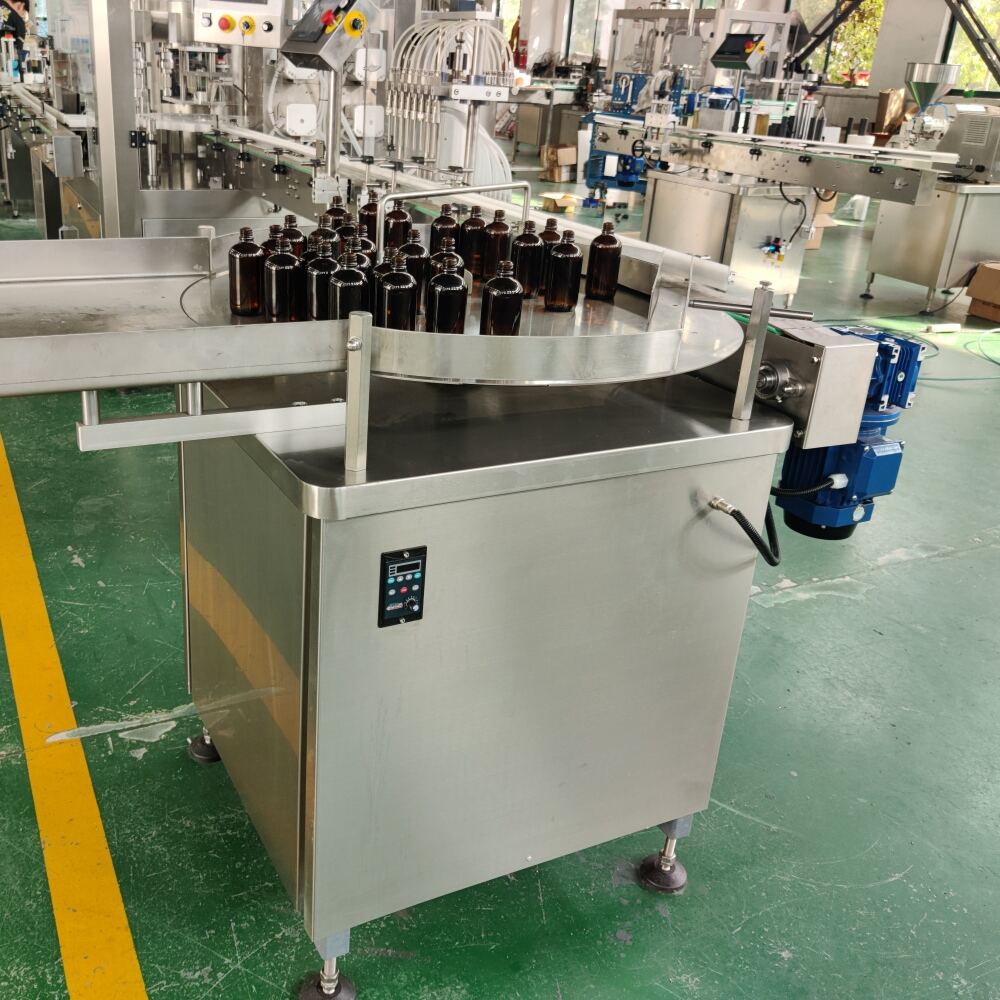
The fragrance industry demands exceptional precision when it comes to product manufacturing, particularly in the critical stage of liquid dispensing. Modern production facilities rely on sophisticated equipment that can deliver consistent, accurate fills across thousands of bottles daily. Understanding the mechanisms behind precision liquid dispensing reveals how manufacturers maintain quality standards while maximizing efficiency in their operations.
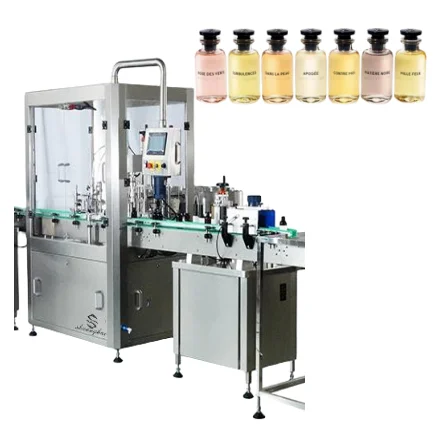
Precision in liquid dispensing extends beyond mere volume accuracy to encompass factors such as temperature control, viscosity management, and contamination prevention. These elements work together to ensure that each bottle receives exactly the intended amount of product while maintaining the integrity of the fragrance formulation. The complexity of achieving such precision requires sophisticated engineering solutions that address multiple variables simultaneously.
Advanced Measurement Technologies in Liquid Dispensing Systems
Volumetric Measurement Principles
Volumetric measurement forms the foundation of precise liquid dispensing in modern filling equipment. These systems utilize calibrated chambers or cylinders that measure exact quantities of liquid before dispensing. The measurement process involves creating a controlled environment where atmospheric pressure, temperature, and liquid properties remain consistent throughout the filling cycle.
The accuracy of volumetric systems depends heavily on the precision of the measuring components and their ability to maintain calibration over extended periods. Regular calibration procedures ensure that measurement accuracy remains within specified tolerances, typically achieving precision levels of plus or minus 0.1% for high-quality equipment. This level of accuracy becomes crucial when dealing with expensive fragrance formulations where even minor variations can impact product quality and profitability.
Advanced volumetric systems incorporate multiple measurement chambers working in sequence, allowing for continuous operation while maintaining measurement precision. This design eliminates the need for stopping the production line during measurement cycles, significantly improving overall throughput while preserving accuracy standards.
Flow Rate Control Mechanisms
Controlling the flow rate during dispensing prevents turbulence and foam formation that could compromise measurement accuracy. Modern systems employ variable-speed pumps and precision valves that adjust flow rates based on liquid properties and container specifications. These mechanisms work together to create smooth, controlled dispensing that minimizes air entrapment and ensures complete fill accuracy.
Electronic flow controllers monitor dispensing rates in real-time, making instantaneous adjustments to maintain optimal flow characteristics. This dynamic control system responds to variations in liquid viscosity, temperature changes, and pressure fluctuations that could otherwise affect dispensing precision. The integration of feedback loops ensures that each dispensing cycle maintains consistent performance regardless of external variables.
Pressure compensation systems further enhance flow rate control by maintaining consistent dispensing pressure throughout the filling process. These systems account for varying bottle heights, different container materials, and changes in liquid head pressure as tanks empty during production runs.
Sensor Integration and Feedback Control Systems
Real-Time Monitoring Technologies
Modern filling equipment incorporates multiple sensor types to monitor various aspects of the dispensing process continuously. Weight sensors, optical level detectors, and flow meters work together to provide comprehensive monitoring of each fill cycle. This multi-sensor approach creates redundancy that enhances reliability while providing multiple verification points for fill accuracy.
Weight-based monitoring systems offer exceptional accuracy by measuring the actual mass of liquid dispensed into each container. These systems account for variations in liquid density and temperature that could affect volume-based measurements. The integration of high-precision load cells enables detection of fill variations as small as 0.01 grams, providing unprecedented control over dispensing accuracy.
Optical sensors provide non-contact monitoring of fill levels, using laser or infrared technology to detect liquid surfaces with remarkable precision. These sensors operate independently of liquid properties such as color, transparency, or foam formation, making them ideal for monitoring diverse fragrance formulations without requiring system recalibration.
Automated Quality Control Integration
Integrated quality control systems automatically reject containers that fall outside predetermined fill tolerances, ensuring that only products meeting specification reach the packaging stage. These systems utilize statistical process control algorithms to identify trends in fill accuracy and alert operators to potential issues before they affect product quality.
Data logging capabilities create comprehensive records of each dispensing cycle, enabling manufacturers to demonstrate compliance with regulatory requirements and quality standards. This documentation proves valuable for troubleshooting, process optimization, and regulatory audits. Advanced systems can generate automatic reports highlighting process performance and identifying opportunities for improvement.
Machine learning algorithms analyze historical dispensing data to predict maintenance requirements and optimize filling parameters. This predictive approach minimizes unplanned downtime while maintaining consistent dispensing accuracy throughout equipment lifecycles.
Precision Valve Systems and Nozzle Design
Servo-Controlled Valve Technology
Servo-controlled valves represent a significant advancement in dispensing precision, offering microsecond-level timing control and infinite positioning capability. These valves respond instantly to control signals, enabling precise start and stop actions that eliminate dripping and ensure accurate cut-off. The integration of position feedback ensures that valve positioning remains consistent across millions of operational cycles.
The materials used in precision valve construction resist corrosion and wear while maintaining dimensional stability over extended periods. Specialized coatings and surface treatments enhance valve life while preventing contamination of the product stream. These design elements become particularly important when processing fragrance formulations containing reactive compounds or abrasive particles.
Multiple valve configurations allow systems to handle different liquid viscosities and dispensing requirements without compromising accuracy. Quick-change valve assemblies enable rapid product changeovers while maintaining calibration integrity, supporting flexible manufacturing operations that process multiple product lines.
Nozzle Engineering for Contamination Prevention
Nozzle design plays a crucial role in maintaining dispensing precision while preventing cross-contamination between products. Specialized nozzle geometries create laminar flow patterns that minimize turbulence and prevent air entrainment during dispensing. These designs also facilitate complete drainage, preventing product carryover that could compromise subsequent fills.
Self-cleaning nozzle systems incorporate automated cleaning cycles that remove product residues without requiring manual intervention. These systems use pressurized cleaning solutions or steam to flush nozzle assemblies, ensuring that each dispensing cycle begins with completely clean surfaces. This automation reduces labor requirements while improving cleaning consistency and effectiveness.
Disposable nozzle systems offer the ultimate in contamination prevention for high-value or sensitive products. These systems automatically replace nozzle components between product runs, eliminating any possibility of cross-contamination while reducing cleaning validation requirements.
Environmental Control and Stability Factors
Temperature Management Systems
Temperature variations significantly impact liquid density and viscosity, directly affecting dispensing accuracy. Sophisticated perfume filling machine systems incorporate thermal management to maintain consistent liquid temperatures throughout the dispensing process. These systems include heated tanks, temperature-controlled transfer lines, and climate-controlled filling environments.
Thermal compensation algorithms automatically adjust dispensing parameters based on measured liquid temperatures, ensuring consistent fill accuracy regardless of ambient conditions. These systems continuously monitor multiple temperature points and make real-time adjustments to pump speeds, valve timing, and measurement parameters.
Insulated piping systems minimize temperature variations in liquid transfer lines, maintaining thermal stability from storage tanks to dispensing nozzles. These systems incorporate heat tracing elements that prevent temperature drops in lengthy transfer paths, particularly important in large production facilities with extended piping runs.
Vibration Isolation and Mechanical Stability
Mechanical vibrations can significantly impact measurement accuracy in precision dispensing systems. Advanced equipment incorporates vibration isolation systems that prevent external disturbances from affecting sensitive measurement components. These systems use pneumatic or hydraulic isolation mounts that filter vibrations across broad frequency ranges.
Structural rigidity in machine frames ensures that operational forces do not create deflections that could affect dispensing accuracy. Heavy-duty construction materials and precision machining create stable platforms for sensitive measurement and dispensing components. This mechanical stability becomes particularly important during high-speed operations where dynamic forces increase significantly.
Active vibration suppression systems monitor machine vibrations and generate counteracting forces to minimize disturbances. These sophisticated systems use accelerometers and piezoelectric actuators to create active damping that maintains measurement stability even in challenging industrial environments.
Quality Assurance and Validation Protocols
Statistical Process Control Implementation
Statistical process control provides the framework for maintaining dispensing accuracy while identifying process variations before they impact product quality. These systems continuously analyze fill weight data, calculating control limits and identifying trends that indicate process drift. Automated alerts notify operators when processes approach control limits, enabling preventive corrections.
Process capability studies quantify system performance relative to specification requirements, providing objective measures of dispensing accuracy. These studies generate capability indices that demonstrate compliance with quality standards and identify opportunities for process improvement. Regular capability assessments ensure that equipment continues to meet evolving quality requirements.
Control charts provide visual representations of process performance, making it easy for operators to identify patterns and trends in dispensing accuracy. These charts integrate with production management systems, creating comprehensive quality documentation that supports regulatory compliance and customer quality requirements.
Calibration and Maintenance Procedures
Regular calibration procedures ensure that measurement systems maintain accuracy throughout their operational lives. These procedures use certified reference standards and follow documented protocols that comply with national and international measurement standards. Calibration frequency depends on usage patterns, environmental conditions, and accuracy requirements.
Predictive maintenance programs use sensor data and performance trends to schedule maintenance activities before equipment failures occur. These programs analyze factors such as valve cycle counts, pump operating hours, and measurement drift patterns to predict optimal maintenance timing. This approach minimizes unplanned downtime while ensuring optimal performance.
Validation protocols demonstrate that equipment consistently produces results meeting predetermined acceptance criteria. These protocols include installation qualification, operational qualification, and performance qualification phases that verify all aspects of system performance. Comprehensive validation documentation supports regulatory compliance and provides confidence in process capabilities.
FAQ
What factors most significantly impact dispensing accuracy in industrial filling operations
Liquid temperature, viscosity variations, and system calibration status represent the primary factors affecting dispensing accuracy. Temperature changes alter liquid density and flow characteristics, while viscosity variations impact pump performance and valve response times. Regular calibration maintains measurement system accuracy, and environmental controls minimize temperature and pressure fluctuations that could compromise precision.
How do modern systems prevent cross-contamination between different product formulations
Advanced systems employ multiple contamination prevention strategies including automated cleaning cycles, self-draining line configurations, and disposable contact components. Clean-in-place systems use validated cleaning protocols with documented effectiveness, while segregated product lines eliminate contact between different formulations. Some systems utilize completely disposable flow paths that eliminate any possibility of cross-contamination.
What maintenance practices ensure long-term dispensing accuracy and system reliability
Successful maintenance programs combine preventive scheduling with condition-based monitoring to optimize equipment performance. Regular calibration verification, component inspection, and performance trending identify potential issues before they impact accuracy. Predictive maintenance techniques analyze equipment data to schedule interventions at optimal times, minimizing downtime while maintaining peak performance throughout equipment lifecycles.
How do quality control systems detect and respond to dispensing variations during production
Integrated quality systems use real-time monitoring with statistical analysis to detect process variations immediately. Weight checks, optical level detection, and flow monitoring provide multiple verification points for each dispensing cycle. Automated rejection systems remove non-conforming products while statistical algorithms identify trends and alert operators to developing issues, enabling corrective action before product quality is compromised.
Table of Contents
- Advanced Measurement Technologies in Liquid Dispensing Systems
- Sensor Integration and Feedback Control Systems
- Precision Valve Systems and Nozzle Design
- Environmental Control and Stability Factors
- Quality Assurance and Validation Protocols
-
FAQ
- What factors most significantly impact dispensing accuracy in industrial filling operations
- How do modern systems prevent cross-contamination between different product formulations
- What maintenance practices ensure long-term dispensing accuracy and system reliability
- How do quality control systems detect and respond to dispensing variations during production