
 EN
EN
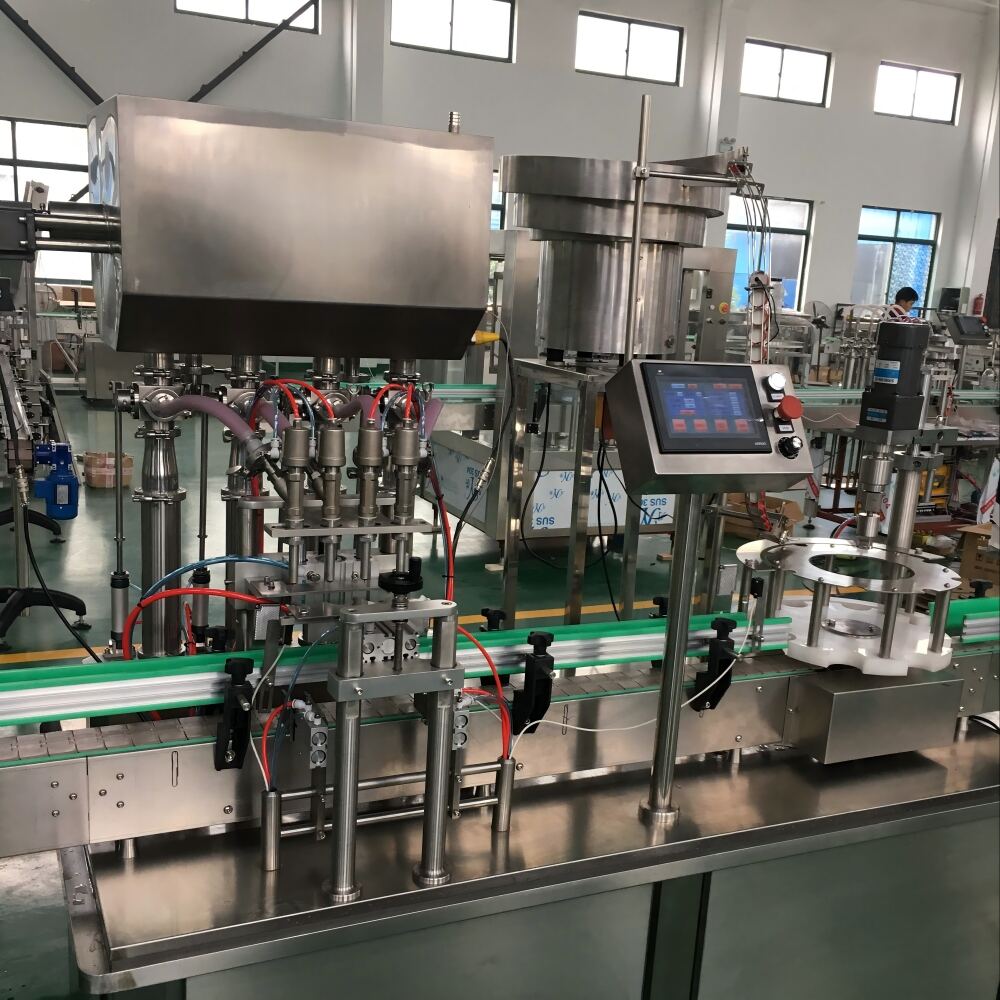
Revolutionizing Food Production Through Automated Sauce Filling Solutions
In today's rapidly evolving food manufacturing landscape, a sauce filling machine stands as a cornerstone of efficient production scaling. These sophisticated pieces of equipment have transformed how food manufacturers handle liquid and semi-liquid products, enabling unprecedented levels of output while maintaining consistent quality. From small-batch artisanal producers to large-scale industrial operations, the integration of automated filling systems has become crucial for meeting growing market demands.
The food industry's landscape has shifted dramatically in recent years, with consumers demanding more variety and higher quality in their sauce products. This surge in demand has made manual filling processes increasingly impractical, pushing manufacturers to embrace automated solutions. A sauce filling machine not only addresses these challenges but also opens new possibilities for business growth and market expansion.
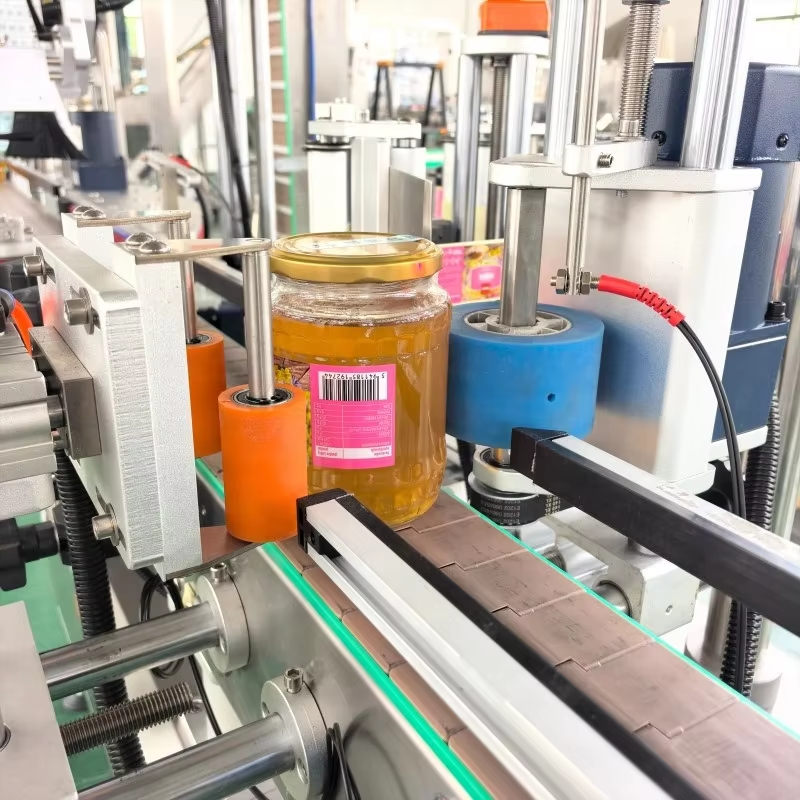
Key Components and Operational Mechanics
Essential Parts of Modern Filling Systems
At the heart of every sauce filling machine lies a complex yet harmonious arrangement of components. The hopper system serves as the primary reservoir, designed to maintain product consistency and prevent separation. The filling nozzles, precisely engineered for different viscosities, ensure accurate dispensing while minimizing drips and waste. Advanced models incorporate servo motors and pneumatic systems that control the filling process with microscopic precision.
The conveyor system plays an equally crucial role, synchronizing container movement with filling operations. Modern machines feature adjustable guide rails, variable speed controls, and automated container positioning systems. These elements work in concert to maintain optimal flow and prevent bottlenecks in the production line.
Advanced Control Systems and Automation
Today's sauce filling machine technology incorporates sophisticated control systems that allow for real-time monitoring and adjustments. PLC (Programmable Logic Controller) systems manage every aspect of the filling process, from volume control to timing sequences. Touch-screen interfaces enable operators to adjust parameters quickly, while integrated sensors maintain filling accuracy and detect any anomalies in the process.
The automation extends to self-cleaning systems and CIP (Clean-in-Place) functionality, significantly reducing downtime between production runs. These features are particularly valuable when handling different sauce types or when adhering to strict hygiene regulations.
Production Efficiency and Quality Control
Maximizing Output While Maintaining Consistency
The implementation of a sauce filling machine dramatically impacts production capabilities. These systems can achieve filling speeds of hundreds of containers per minute while maintaining volume accuracy within fractions of a milliliter. This level of precision ensures consistent product quality and helps manufacturers meet strict packaging regulations.
Modern filling machines incorporate weight checking systems and vision inspection technology to verify fill levels and detect any packaging defects. This automated quality control significantly reduces waste and ensures that every product leaving the production line meets specified standards.
Reducing Product Waste and Operating Costs
By utilizing advanced filling technologies, manufacturers can significantly reduce product waste compared to manual filling processes. A sauce filling machine's precise dispensing mechanisms minimize overflow and underfilling, while sophisticated nozzle designs prevent drips and product loss during container transitions.
The reduction in labor costs is equally significant. While manual filling operations require multiple operators per line, an automated system can often be managed by a single operator overseeing multiple filling heads. This efficiency translates to lower production costs and improved profit margins.
Scaling Capabilities and Future Growth
Adapting to Increased Production Demands
One of the most valuable aspects of modern sauce filling machine systems is their scalability. Manufacturers can start with smaller units and gradually expand their capacity by adding filling heads or parallel lines. This modular approach allows businesses to grow their production capabilities in line with market demand without requiring complete system overhauls.
The flexibility of these machines extends to handling various container sizes and shapes, enabling manufacturers to diversify their product lines without significant additional investment. Many systems can be quickly reconfigured to accommodate different packaging formats, from small retail bottles to large foodservice containers.
Integration with Industry 4.0 Technologies
The latest sauce filling machine models incorporate Industry 4.0 capabilities, including IoT connectivity and data analytics. These features enable real-time monitoring of production metrics, predictive maintenance scheduling, and remote system diagnostics. Manufacturers can optimize their operations based on detailed performance data and anticipate potential issues before they impact production.
Cloud-based monitoring systems allow management to track production efficiency across multiple locations, while machine learning algorithms can suggest optimizations to improve output and reduce downtime. These technological advances position manufacturers for continued growth in an increasingly competitive market.
Frequently Asked Questions
How does a sauce filling machine handle different viscosity products?
Modern sauce filling machines are designed with adjustable parameters and interchangeable components to accommodate various product viscosities. The filling systems can be calibrated for specific flow rates, and nozzle designs can be selected to optimize handling of different product consistencies. Additionally, temperature control systems help maintain proper product viscosity during the filling process.
What maintenance requirements should be expected for a sauce filling machine?
Regular maintenance typically includes daily cleaning protocols, weekly inspection of filling nozzles and seals, monthly calibration checks, and quarterly comprehensive system reviews. Modern machines with CIP systems significantly reduce cleaning time, while predictive maintenance features help schedule servicing before issues arise. Proper maintenance ensures optimal performance and extends equipment life.
What safety features are incorporated into modern filling systems?
Contemporary sauce filling machines include numerous safety features such as emergency stop buttons, guard doors with safety interlocks, and pressure monitoring systems. Additional safety measures include splash guards, automated shut-offs for miss-feeds, and thermal protection for motors. These systems comply with international safety standards and food processing regulations.