
 EN
EN
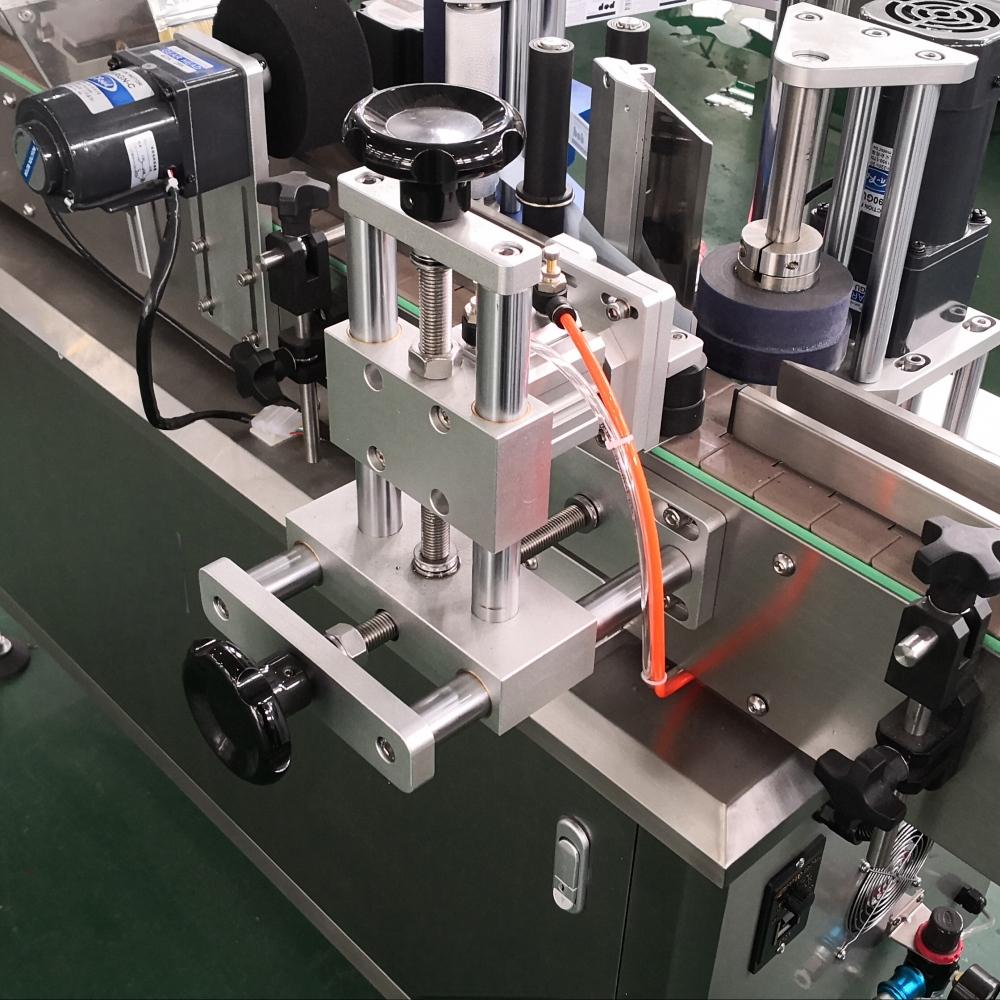
Filling accuracy is one of the most critical performance benchmarks in liquid packaging, and no piece of equipment addresses this challenge more directly than a dropper bottle filler. Whether you are producing essential oils, pharmaceutical liquids, cosmetic serums, or specialty tinctures, the precision of every fill determines product quality, regulatory compliance, and consumer trust. A dropper bottle filler is engineered specifically to handle small-volume containers with the tight tolerances these industries demand.
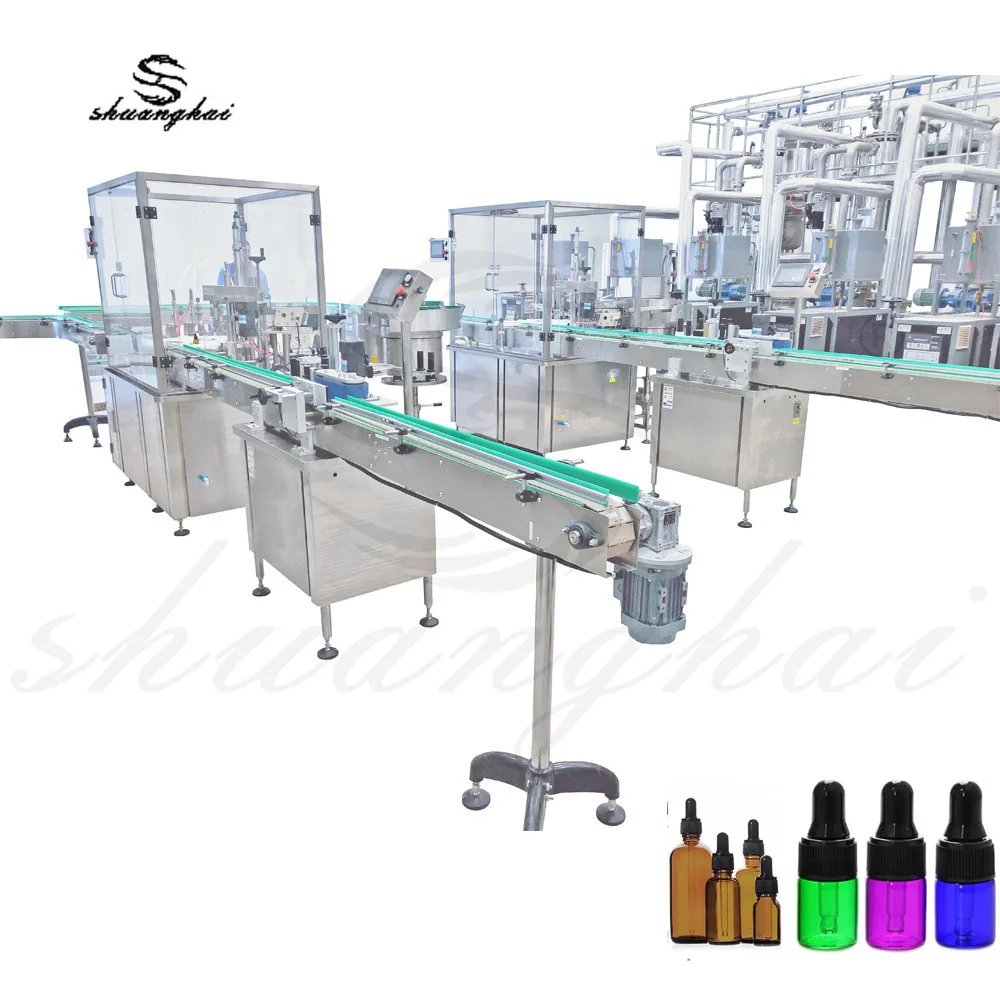
Understanding how a dropper bottle filler achieves superior accuracy requires looking at the mechanical systems, control logic, and workflow integration that distinguish it from general-purpose filling equipment. This article examines those mechanisms in detail, explaining exactly why investing in a dedicated dropper bottle filler translates into measurable gains in fill consistency, waste reduction, and overall line efficiency.
Precision Mechanics Behind a Dropper Bottle Filler
Volume Control Through Servo-Driven Pumps
The foundation of accuracy in any dropper bottle filler lies in its pump technology. High-performance models use servo-driven piston pumps or peristaltic pump systems that deliver a precisely metered volume of liquid with each cycle. Unlike older pneumatic systems, a servo-driven dropper bottle filler allows operators to set exact fill volumes digitally, reducing human error and enabling instant adjustments without mechanical recalibration. This level of control is especially valuable when a single dropper bottle holds only 5 ml to 30 ml of product, where even a 0.2 ml deviation represents a meaningful percentage error.
Each time the dropper bottle filler completes a fill cycle, the servo motor records positional feedback and confirms the programmed stroke was executed accurately. This closed-loop confirmation means the dropper bottle filler self-monitors its own performance rather than relying solely on downstream quality checks. Over thousands of cycles per shift, this self-correcting behavior keeps every fill within a tight tolerance window.
Nozzle Design and Anti-Drip Systems
Nozzle design is another area where a dedicated dropper bottle filler outperforms generic equipment. Specialized nozzles for small-neck dropper bottles are designed to enter the bottle opening precisely, minimizing turbulence during liquid dispensing. Anti-drip nozzle mechanisms, often built into the dropper bottle filler as a standard feature, prevent residual liquid from dripping onto the bottle exterior after the fill cycle completes. This not only maintains accurate fill weights but also keeps bottles clean for downstream capping and labeling operations.
How Automation Enhances Dropper Bottle Filler Consistency
Synchronized Conveyor and Bottle Positioning
Accuracy in a dropper bottle filler is not only about the pump and nozzle. It also depends heavily on how well the bottle is positioned under the fill head at the moment of dispensing. Automated conveyor systems integrated with the dropper bottle filler use indexing mechanisms and bottle guides to ensure every container arrives at the fill station in exactly the same position. When bottle alignment is inconsistent, even a perfectly calibrated dropper bottle filler will produce variable results because liquid may be dispensed partly outside the container opening. Precise mechanical indexing eliminates this variable and keeps the dropper bottle filler operating at peak accuracy.
Advanced dropper bottle filler systems also incorporate sensors that detect missing bottles or misaligned containers before the fill cycle begins. When no bottle is detected, the dropper bottle filler automatically pauses the fill head, preventing product waste and keeping the filling zone clean. This sensor-driven logic makes the dropper bottle filler reliable even during high-speed production runs where manual monitoring is not practical.
Programmable Fill Recipes and HMI Control
Modern dropper bottle filler equipment features intuitive human-machine interface panels that allow operators to store multiple fill recipes for different product types and bottle sizes. Switching between a 10 ml essential oil bottle and a 30 ml tincture bottle requires only a recipe selection on the dropper bottle filler control panel rather than manual adjustment of mechanical components. This programmable flexibility ensures the dropper bottle filler maintains consistent accuracy across an entire product range, reducing setup time and minimizing the risk of operator error during changeovers.
Impact of Dropper Bottle Filler Accuracy on Product Quality
Regulatory Compliance and Label Claims
In pharmaceutical and nutraceutical production, fill volume accuracy is not just a quality preference but a regulatory requirement. A well-calibrated dropper bottle filler helps manufacturers meet the stringent net-content tolerances specified by industry regulators. When a dropper bottle filler consistently delivers the declared fill volume, the producer avoids costly product recalls, regulatory penalties, and reputational damage. Documented accuracy data from the dropper bottle filler can also support quality audits and certification processes, providing a verifiable record of fill performance.
Even in cosmetic and personal care markets, where regulatory thresholds may differ, a reliable dropper bottle filler protects against consumer complaints related to underfilled products. Consistent fill performance builds brand credibility and reduces the risk of negative reviews that can damage market positioning. The dropper bottle filler therefore plays a direct role in protecting brand equity.
Waste Reduction and Cost Efficiency
Overfilling is a common consequence of poorly calibrated filling equipment, and it can silently erode profit margins across long production runs. A precisely tuned dropper bottle filler prevents systematic overfilling by maintaining strict volume control at every fill station. Over thousands of bottles, the savings from reduced product giveaway add up quickly, making the dropper bottle filler an investment with a measurable return. Additionally, the dropper bottle filler reduces the frequency of rework and rejected batches, freeing up labor and equipment capacity for productive output.
FAQ
What types of liquids can a dropper bottle filler handle?
A dropper bottle filler is compatible with a wide range of liquid viscosities, including thin essential oils, water-based serums, alcohol tinctures, and moderately viscous cosmetic formulations. The pump and nozzle configuration of the dropper bottle filler can be customized to match the flow characteristics of specific products, ensuring accurate dispensing regardless of liquid type.
How do I maintain fill accuracy on a dropper bottle filler over time?
Maintaining accuracy on a dropper bottle filler involves regular calibration checks, nozzle cleaning, and pump seal inspections. Most manufacturers recommend running a periodic volume verification test where the dropper bottle filler dispenses into a calibrated container and the actual fill weight is compared against the target. Replacing worn seals promptly and keeping the dropper bottle filler control software updated also helps sustain long-term accuracy.
Can a dropper bottle filler be integrated into a complete packaging line?
Yes, a dropper bottle filler is designed to integrate seamlessly with upstream and downstream packaging equipment including capping machines, labeling systems, and induction sealers. When the dropper bottle filler is synchronized with these components, the entire packaging line operates with consistent throughput and reduced manual handling, which further protects fill accuracy by minimizing bottle disturbance between stations.