
 EN
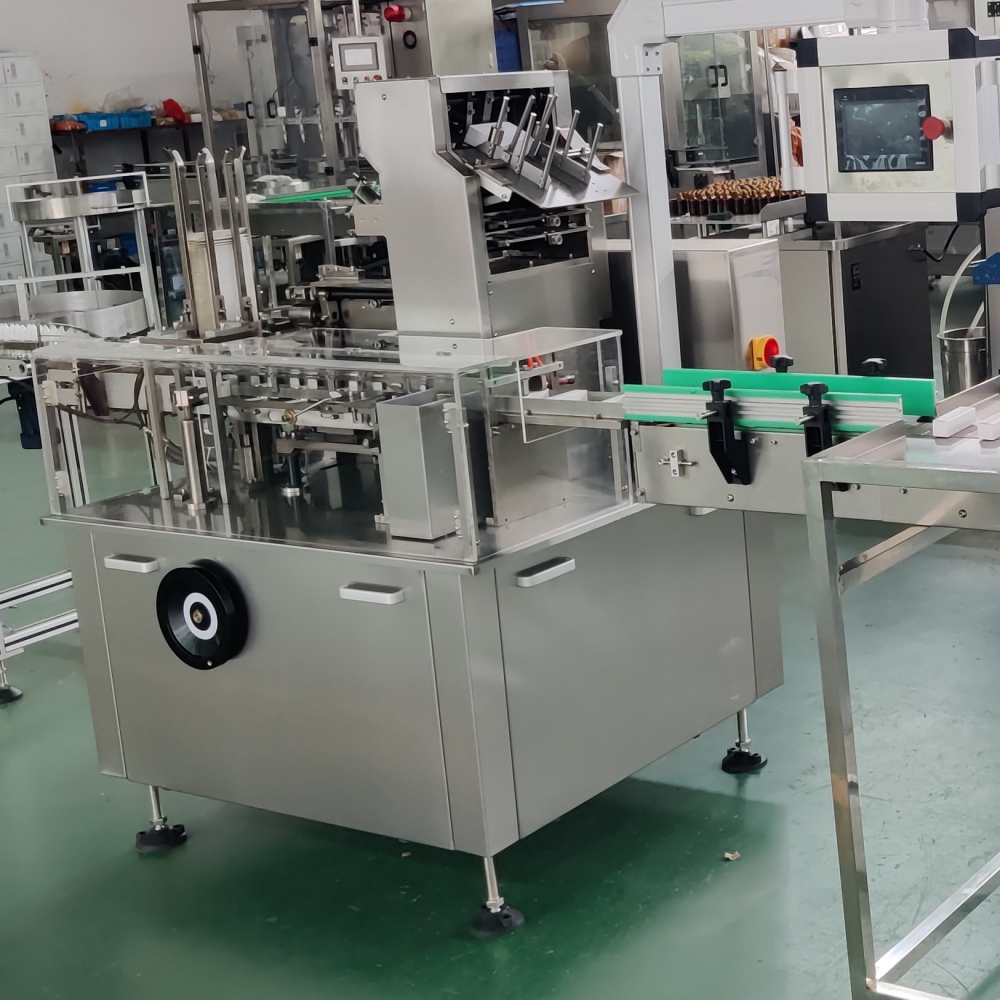
Tin can deformation during high-speed filling and sealing operations remains one of the most common challenges in modern beverage, chemical, and aerosol packaging industries. When a tin can filling and sealing machine operates at maximum speed, the structural integrity of aluminum and steel cans faces unprecedented stress. Understanding why this deformation occurs is essential for production managers, quality engineers, and packaging professionals who need to maintain output quality while maximizing throughput. Deformation not only compromises product appearance but also affects shelf life, regulatory compliance, and customer satisfaction across food, beverage, and industrial sectors.

High-speed tin can filling and sealing machines apply mechanical forces, thermal stress, and pressure that push thin-walled containers to their mechanical limits. The faster a tin can filling and sealing machine operates, the more critical the timing of each process step becomes. Modern production facilities expect speeds of 300 to 1,200 cans per minute, yet many operators don't fully grasp the engineering factors that drive can deformation at these velocities. This article explores the mechanical, thermal, and design factors that cause tin cans to deform during rapid production cycles, and provides practical strategies to minimize damage while maintaining efficiency.
Mechanical Forces and Pressure Dynamics in Tin Can Filling and Sealing Machines
Impact and Compression During the Filling Cycle
When a tin can filling and sealing machine fills containers at high speed, the liquid or pressurized product enters the can with considerable force. The filling nozzle must position itself precisely, and the product column creates internal pressure that tests the structural strength of thin-walled cans. Aluminum cans, typically 0.10 to 0.15 millimeters thick, experience localized stress concentrations as pressurized product flows into them. The bottom of the can absorbs the most force during rapid filling, causing bulging or slight permanent deformation if the can's material isn't optimally hardened. A tin can filling and sealing machine operating at maximum speed can introduce filling forces equivalent to several kilograms of pressure across the can's internal surface area, which ordinary cans simply cannot withstand without visible distortion.
Structural Limitations of Thin-Walled Containers
Tin cans manufactured from aluminum alloys face inherent structural constraints when processed through a high-speed tin can filling and sealing machine. The thinner the wall gauge, the faster the production, but the greater the risk of deformation. Manufacturers reduce wall thickness to lower material costs and increase line speed, yet every 0.01 millimeter reduction in thickness weakens the can's resistance to pressure and mechanical shock. When a tin can filling and sealing machine simultaneously fills and seals multiple cans in sequence, the can body experiences combined stresses: internal pressure from filling, external mechanical contact from gripper arms and conveyor guides, and thermal changes from heated product or steam-based sealing processes. Cans with inadequate bottom doming—the curved indentation that reinforces the base—cannot distribute these forces effectively and collapse inward or bulge outward noticeably.
Thermal and Pressure Stresses in Rapid Production
Heat Generated by Sealing and Product Temperature
The sealing phase of a tin can filling and sealing machine introduces thermal stress that contributes significantly to deformation. Hot liquid or steam used in the sealing operation raises can surface temperature rapidly, causing localized thermal expansion. The can body expands unevenly because the top, where the seal forms, heats faster than the body walls and base. This differential expansion creates internal stresses that persist even after cooling. If a tin can filling and sealing machine seals cans filled with hot beverage—such as coffee, broth, or hot sauce—thermal stress compounds mechanical stress. The product temperature gradient from hot interior to cool exterior walls induces residual stress. After the can exits the tin can filling and sealing machine and cools, this thermal cycling causes permanent plastic deformation, particularly noticeable as bulging near the seam or base region.
Pressure Buildup and Vacuum Effects
Carbonated beverages and aerosol products filled on a tin can filling and sealing machine create internal pressure that pushes outward on the can walls with continuous force. Conversely, products cooled after filling contract, creating partial vacuum that pulls inward on the can structure. A tin can filling and sealing machine must manage this pressure differential carefully because sudden changes stress the can beyond its yield strength. Cans filled with carbonated liquid under pressure experience immediate outward bulging if the can wall material lacks sufficient strength or if the sealing process happens before pressure equilibrates. Similarly, rapid cooling after filling in aerosol or pressurized applications creates inward deformation as interior pressure drops. The rate at which a tin can filling and sealing machine transitions through each phase—filling, sealing, pressurization, and ejection—determines whether the can remains within its elastic deformation limits or suffers permanent shape change.
Design and Material Factors Influencing Deformation Risk
Wall Gauge and Material Selection in Can Specifications
Can manufacturers specify wall thickness and aluminum alloy composition based on typical production speeds and product types, yet not all cans are optimized for extreme-speed tin can filling and sealing machine operation. Alloys like 3004-H19 provide good strength for standard packaging but may yield under high-impact filling pressures. A tin can filling and sealing machine operator pushing equipment to maximum speed often uses cans designed for moderate speeds, creating a mismatch between can strength and machine performance. The hardness rating of the aluminum alloy—expressed as H-temper designation—directly affects resistance to deformation. Softer alloys (H14 or lower) deform more readily than fully hardened alloys (H19), yet softer material is cheaper and often selected despite higher deformation risk during rapid production. When a tin can filling and sealing machine processes softer cans at high speed, visible rippling and bulging become almost inevitable.
Base Design and Seam Quality Impact on Structural Integrity
The can base and side seam represent critical structural zones where deformation initiates during tin can filling and sealing machine operation. Cans with shallow or poorly formed bottom domes cannot distribute filling pressure effectively, leading to immediate buckling under pressure. The side seam—where two aluminum sheets are joined—often becomes the weakest point when a tin can filling and sealing machine applies external gripper pressure. If the seam weld quality is poor, the seam separates slightly under mechanical stress, allowing the can to distort unpredictably. Conversely, cans with reinforced seams and optimized base geometry withstand high-speed processing on a tin can filling and sealing machine significantly better. Quality control in can manufacturing is therefore essential; cans sourced from suppliers with tighter seam and base specifications experience 20 to 40 percent less visible deformation when processed through the same tin can filling and sealing machine as lower-grade stock.
FAQ
What is the primary cause of tin can deformation in a tin can filling and sealing machine?
The primary cause is the combination of internal pressure from rapidly filling thin-walled aluminum or steel containers, mechanical compression from gripper arms, and thermal stress from heated product or steam sealing. When a tin can filling and sealing machine operates at high speed, these three stresses often exceed the can material's elastic limit, causing permanent plastic deformation visible as bulging, rippling, or base collapse.
Can deformation be prevented entirely when operating a tin can filling and sealing machine at maximum speed?
Complete prevention is difficult, but significant reduction is achievable by selecting higher-strength can alloys (H19 temper), increasing can wall gauge, optimizing can base design, and adjusting the tin can filling and sealing machine's filling pressure and speed parameters. Some deformation is normal in high-speed production; the goal is to keep deformation within acceptable visual and functional limits defined by your quality standards and customer requirements.
How does can material selection affect deformation risk during tin can filling and sealing machine operation?
Harder aluminum alloys with H19 temper rating resist deformation far better than softer H14 or H16 grades when processed through a tin can filling and sealing machine. Thicker wall gauge and reinforced base doming also improve performance, though both increase material cost. tin can filling and sealing machine operators should work with can suppliers to specify grades suited to their actual production speed and product type, balancing cost and quality effectively.
Table of Contents
- Mechanical Forces and Pressure Dynamics in Tin Can Filling and Sealing Machines
- Thermal and Pressure Stresses in Rapid Production
- Design and Material Factors Influencing Deformation Risk
-
FAQ
- What is the primary cause of tin can deformation in a tin can filling and sealing machine?
- Can deformation be prevented entirely when operating a tin can filling and sealing machine at maximum speed?
- How does can material selection affect deformation risk during tin can filling and sealing machine operation?