
 EN
EN
Selecting the right dropper bottle filler is one of the most consequential decisions a production buyer can make. Whether your facility handles essential oils, hemp oil, pharmaceutical serums, or cosmetic formulations, the dropper bottle filler you choose directly shapes your line efficiency, product accuracy, and compliance readiness. A poorly matched dropper bottle filler leads to overfill waste, underfill rejections, frequent downtime, and costly rework that compounds over high-volume production cycles.
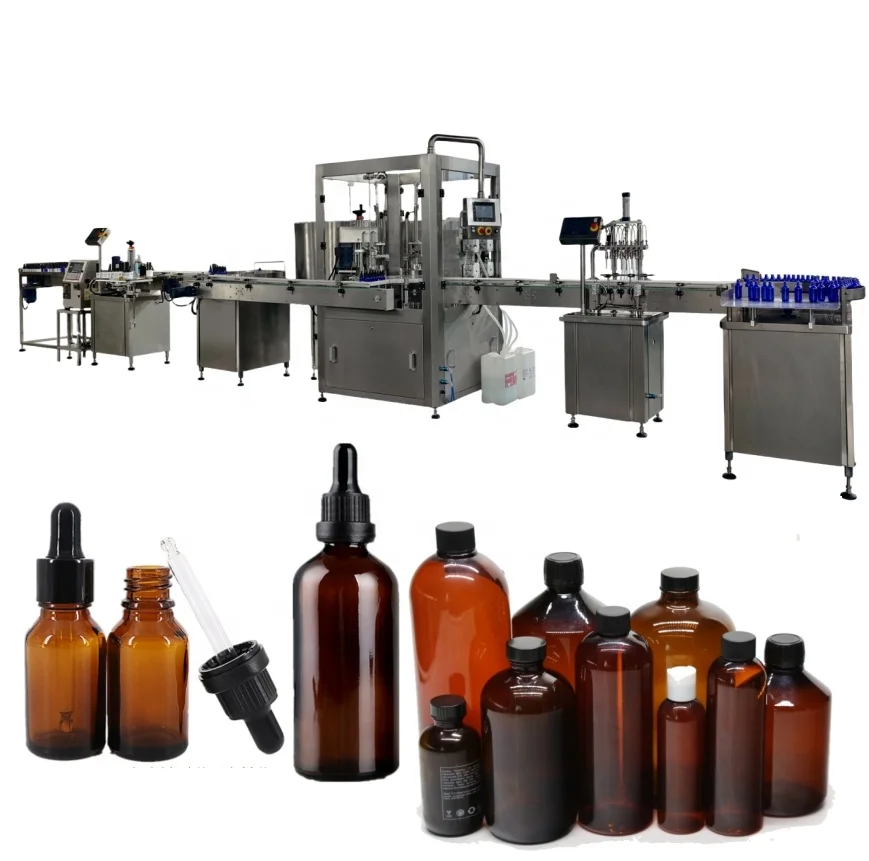
Understanding what separates an effective dropper bottle filler from a problematic one requires more than reading a specification sheet. Buyers must evaluate fill accuracy, container compatibility, automation level, material contact standards, and after-sales support before committing to any dropper bottle filler investment. This article walks through the critical considerations that should guide your sourcing decision, giving you a practical framework to assess any dropper bottle filler with confidence and precision.
Fill Accuracy and Volume Range
Why Precision Matters in a Dropper Bottle Filler
Fill accuracy is the single most important performance metric for any dropper bottle filler. In sectors like pharmaceuticals, nutraceuticals, and premium cosmetics, fill tolerances are tightly regulated and directly affect product safety, label compliance, and customer trust. A high-quality dropper bottle filler should consistently deliver fills within a very narrow variance, typically within one percent of the target volume. When evaluating a dropper bottle filler, always ask for documented fill accuracy data and request a live demonstration if possible.
Volume range flexibility is equally important. A versatile dropper bottle filler capable of handling volumes from ten milliliters to one hundred milliliters allows buyers to consolidate production across multiple SKUs without switching equipment. This range matters for operations producing both sample-size and full-size dropper products. Confirm that the dropper bottle filler supports quick changeover between volume settings without extensive mechanical adjustment or tooling replacement.
Pump and Metering Mechanism Selection
The internal metering system of a dropper bottle filler determines how consistently it delivers liquid into each container. Peristaltic pump systems are popular in pharmaceutical and food-grade applications because they keep the liquid isolated from the pump mechanism, reducing contamination risk. Piston-based dropper bottle filler systems offer high repeatability and work well for thicker formulations like serums or carrier oils. Buyers should match the pump type to their specific liquid viscosity profile before finalizing a dropper bottle filler selection.
Container Compatibility and Capping Integration
Glass and Plastic Dropper Bottle Handling
Not every dropper bottle filler is designed to handle both glass and plastic containers with equal reliability. Glass dropper bottles, common in essential oil and hemp oil packaging, require a dropper bottle filler equipped with gentle handling mechanisms to prevent cracking or chipping during transport through the filling station. Buyers should verify that the dropper bottle filler includes adjustable bottle holders or cradle supports suited to the dimensions and material of their containers.
Container diameter range and height compatibility must also be confirmed. A dropper bottle filler with a wide adjustment range allows a single machine to serve multiple container sizes across your product catalog. Check whether height adjustments are tool-free, since frequent format changes can otherwise become a significant source of production delay. A well-designed dropper bottle filler accommodates these variations with minimal effort from operators.
Integrated Capping as a Line Efficiency Factor
Many modern dropper bottle filler machines include integrated capping functionality, combining filling and cap sealing in one automated sequence. This integration dramatically reduces the manual labor required between filling and sealing, and it minimizes the window during which the open container is exposed to airborne contaminants. When evaluating a dropper bottle filler with capping capability, confirm that the capping torque is adjustable and consistent, since overtightened caps can damage dropper assemblies and undertightened caps create leakage risk during transport.
Dropper bottles typically use child-resistant or tamper-evident closures that require precise torque application. A dropper bottle filler that integrates programmable capping torque settings gives production managers far greater control over seal quality. Integrated systems also simplify the production floor footprint, reduce inter-station handling, and lower the overall risk of product loss or contamination between filling and capping stages.
Automation Level, Compliance, and Support
Matching Automation to Production Volume
Choosing the right automation level for your dropper bottle filler depends on your current and projected production volumes. Semi-automatic dropper bottle filler models work well for small-batch specialty producers who need manual placement control and flexible scheduling. Fully automatic dropper bottle filler configurations suit mid-to-large operations running continuous shifts, where speed, repeatability, and reduced labor cost are primary drivers. Buyers should map their daily output targets against the cycle rate specifications of any dropper bottle filler they are considering.
A fully automatic dropper bottle filler typically includes a PLC control system, touchscreen interface, and programmable fill parameters. These features allow operators to save and recall product recipes quickly, reducing setup time between production runs. For operations with diverse SKUs, a programmable dropper bottle filler reduces human error and ensures that every batch starts from a calibrated baseline rather than relying on manual operator judgment.
Material Standards and After-Sales Service Reliability
All parts of a dropper bottle filler that come into contact with liquid must meet appropriate material safety standards. For food, cosmetic, and pharmaceutical applications, liquid contact components should be constructed from food-grade stainless steel or approved polymers that resist corrosion and chemical reaction. A dropper bottle filler built to these standards protects both the product and the end consumer, and it simplifies regulatory audit processes.
After-sales support is a factor that buyers frequently underestimate when sourcing a dropper bottle filler. Reliable technical support, accessible spare parts, and clear warranty terms are critical to minimizing downtime when maintenance is needed. Ask the supplier how quickly replacement components for the dropper bottle filler can be delivered, and whether remote diagnostics or on-site service options are available. A strong support infrastructure ensures that your dropper bottle filler continues operating reliably through its full service life.
FAQ
What fill volume range should a dropper bottle filler support?
A versatile dropper bottle filler should handle a range of approximately ten to one hundred milliliters, covering both sample-size and standard retail dropper bottles. Confirming this range allows buyers to use a single dropper bottle filler across multiple product lines without investing in separate machines for different volume formats.
How does a dropper bottle filler handle different liquid viscosities?
Different dropper bottle filler configurations use different pump mechanisms suited to specific viscosity ranges. Thin liquids like water-based serums work well with peristaltic systems, while thicker carrier oils or resin-based formulations may require a piston-driven dropper bottle filler that applies greater mechanical force to achieve consistent fill volumes.
Is an integrated capping system necessary in a dropper bottle filler?
Integration is not always mandatory, but a dropper bottle filler with built-in capping capability offers clear advantages in efficiency, contamination control, and floor space reduction. For production lines running high daily volumes or handling sensitive formulations, an integrated dropper bottle filler with capping provides meaningful operational and quality benefits that justify the additional investment.