
 EN
EN
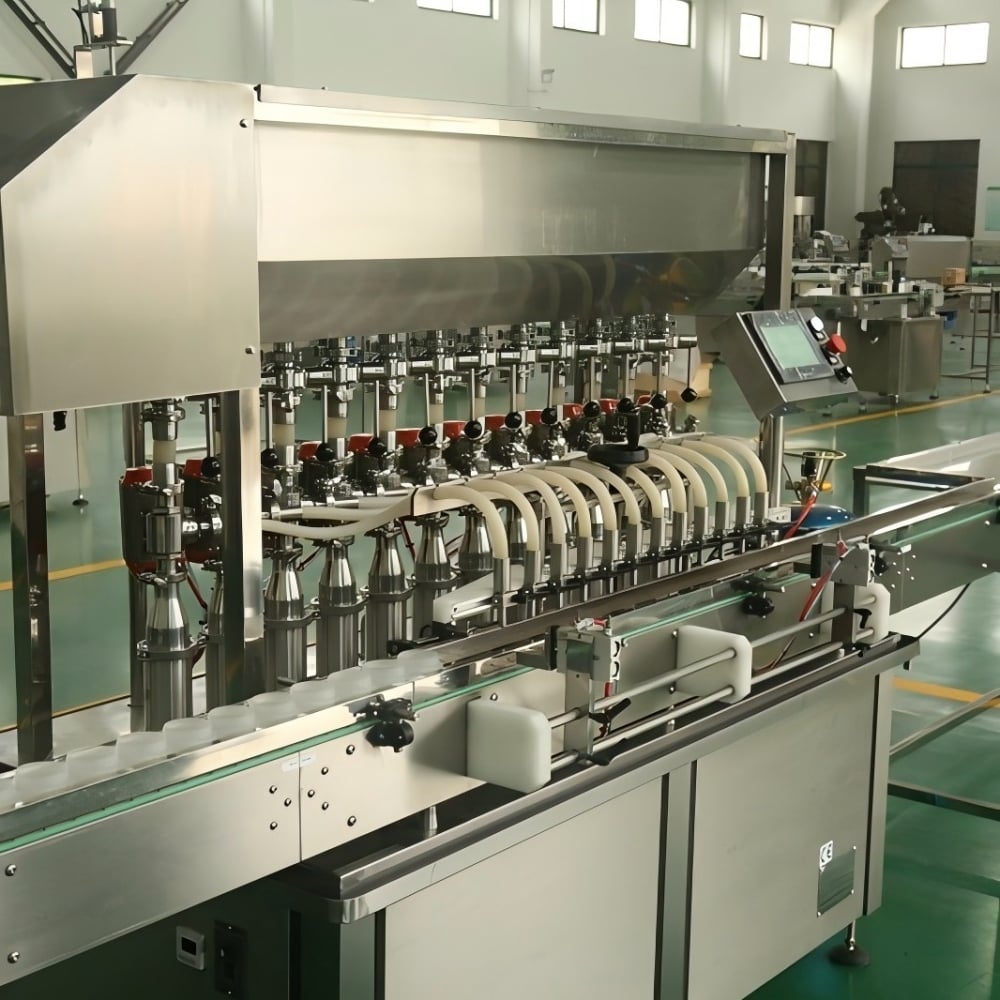
Choosing the right dropper bottle filler is one of the most consequential decisions a production manager can make. Whether you are packaging essential oils, pharmaceutical liquids, cosmetic serums, or reagent solutions, the dropper bottle filler you select will directly shape your line efficiency, fill accuracy, and product quality. Getting this decision right from the start prevents costly retrofits, downtime, and compliance headaches down the road.
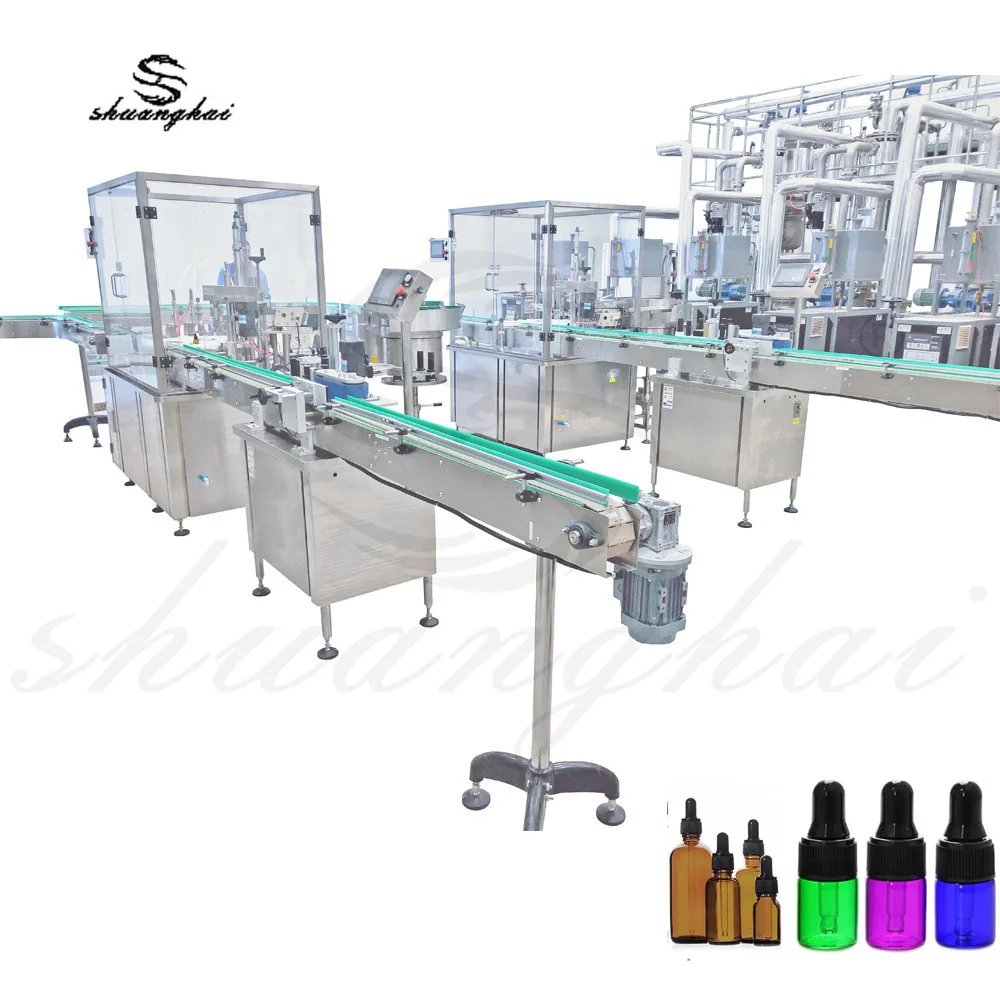
A dropper bottle filler is a specialized piece of filling equipment designed to handle small-volume bottles fitted with dropper caps or pipette assemblies. Because these containers are often narrow, fragile, and require high fill precision, a dropper bottle filler must be carefully matched to your bottle dimensions, liquid properties, output targets, and downstream capping or labeling requirements. This guide walks through every major selection factor so you can make a confident, informed choice for your production line.
Understanding Your Production Requirements
Output Volume and Line Speed
Before evaluating any dropper bottle filler, you must define your required output in bottles per hour or bottles per minute. A semi-automatic dropper bottle filler suits small-batch or artisan operations where flexibility and low capital cost matter most. A fully automatic dropper bottle filler is designed for continuous high-volume production where consistency, speed, and minimal operator intervention are priorities. Mismatching line speed to machine capability leads to bottlenecks, machine stress, and poor return on investment.
When calculating output, factor in realistic line efficiency rather than peak machine speed. A dropper bottle filler operating at eighty percent efficiency will deliver significantly fewer bottles per shift than its rated maximum. Plan for realistic throughput and build in a capacity buffer of at least fifteen to twenty percent above your current demand to accommodate growth without immediately requiring a new dropper bottle filler.
Bottle Format and Liquid Characteristics
The physical dimensions of your dropper bottle filler must align with your bottle portfolio. Bottle diameter, height, neck finish, and dropper assembly geometry all affect how the dropper bottle filler grips, conveys, and positions each container during filling. A dropper bottle filler that handles only one bottle format will limit your product range, so if you produce multiple SKUs, look for a dropper bottle filler with quick-change tooling and adjustable filling nozzles.
Liquid viscosity is equally critical. A dropper bottle filler handling thin, water-like serums uses different pump technology than a dropper bottle filler designed for thick oils or gel-like formulations. Peristaltic pumps in a dropper bottle filler offer excellent accuracy for low-viscosity liquids and easy cleaning. Gear pumps or piston-based dropper bottle filler systems handle higher viscosities more reliably. Always share your liquid data sheet with the dropper bottle filler supplier so they can recommend the correct metering mechanism.
Key Technical Specifications to Evaluate
Fill Accuracy and Repeatability
For a dropper bottle filler, fill accuracy is non-negotiable. Dropper bottles are typically used for high-value products where overfilling wastes expensive formulation and underfilling creates compliance risk. A quality dropper bottle filler should deliver fill accuracy within plus or minus one percent or better. Request fill accuracy certificates and validation data when assessing any dropper bottle filler from a supplier. Repeatability across an entire production run matters just as much as single-fill precision.
Modern dropper bottle filler models use servo-driven dosing systems or electronically controlled peristaltic heads to achieve tight tolerances. A dropper bottle filler equipped with a flow meter or weight-based feedback system can self-correct in real time, reducing waste and rework. This level of process control is especially important when your dropper bottle filler feeds into a regulated environment such as pharmaceutical or nutraceutical production.
Integration with Capping and Labeling Systems
A dropper bottle filler rarely operates in isolation. On a complete production line, the dropper bottle filler must integrate smoothly with upstream conveyors, bottle unscramblers, and downstream capping heads and labeling machines. Evaluate the mechanical footprint of the dropper bottle filler and confirm that its conveyor height, belt speed, and output orientation match your existing or planned equipment. A mismatch between a dropper bottle filler and a capping unit creates jams, misaligned caps, and line stoppages.
Check whether the dropper bottle filler supplier provides a complete turnkey line or only the filler module. A dropper bottle filler supplied as part of an integrated filling, capping, and labeling line reduces integration risk because the supplier has already validated the interfaces. If you source a standalone dropper bottle filler, ensure the control panel offers standard communication protocols so your engineering team can synchronize it with other line equipment.
Compliance, Cleaning, and Long-Term Operability
Regulatory and Material Standards
Depending on your industry, the dropper bottle filler must meet specific material and construction standards. Pharmaceutical and cosmetic applications require a dropper bottle filler built with food-grade or pharmaceutical-grade stainless steel contact parts. All wetted surfaces in the dropper bottle filler should comply with relevant standards such as FDA 21 CFR or European food contact regulations. Confirm that the dropper bottle filler supplier provides material certificates and that seal materials are compatible with your specific liquid formulation.
A dropper bottle filler used in GMP environments must also support process validation. The dropper bottle filler should have documented IQ, OQ, and PQ support, and its control software should maintain electronic batch records if required. Skipping this evaluation stage when selecting a dropper bottle filler can lead to costly remediation or regulatory non-compliance after installation.
Cleaning, Maintenance, and Spare Parts Access
A dropper bottle filler that is difficult to clean creates cross-contamination risk and extends changeover time. Look for a dropper bottle filler with tool-free disassembly of the filling heads and nozzles. Clean-in-place capability on a dropper bottle filler significantly reduces downtime between product changeovers, which is especially valuable when you fill multiple formulations on the same dropper bottle filler. Evaluate the total cost of ownership, not just the purchase price of the dropper bottle filler.
Spare parts availability determines how quickly you can recover from a component failure. Before committing to any dropper bottle filler, ask about lead times for critical consumables such as pump tubing, seals, and nozzle tips. A dropper bottle filler supported by a responsive after-sales team and a local or regional spare parts inventory will deliver far better long-term value than a cheaper dropper bottle filler with poor support infrastructure.
FAQ
What fill volume range can a dropper bottle filler typically handle?
Most commercial dropper bottle filler models are designed for bottles ranging from five milliliters to one hundred milliliters, though some dropper bottle filler configurations extend to larger formats. Always confirm the specific fill range with the dropper bottle filler supplier and validate it against your bottle and product specifications before purchase.
How do I know if I need a semi-automatic or fully automatic dropper bottle filler?
If your production volume is below two thousand bottles per shift and you operate multiple small batches, a semi-automatic dropper bottle filler is usually sufficient. For volumes above five thousand bottles per shift with consistent SKUs, a fully automatic dropper bottle filler delivers better efficiency, lower labor cost per unit, and more consistent fill quality over long production runs.
Can one dropper bottle filler handle both glass and plastic dropper bottles?
Yes, many dropper bottle filler models are built to handle both glass and plastic containers, provided the tooling and conveyor settings are adjusted accordingly. When evaluating a dropper bottle filler for mixed-material production, request a changeover demonstration and confirm that format-change time meets your operational targets without excessive downtime between runs.