
 EN
EN
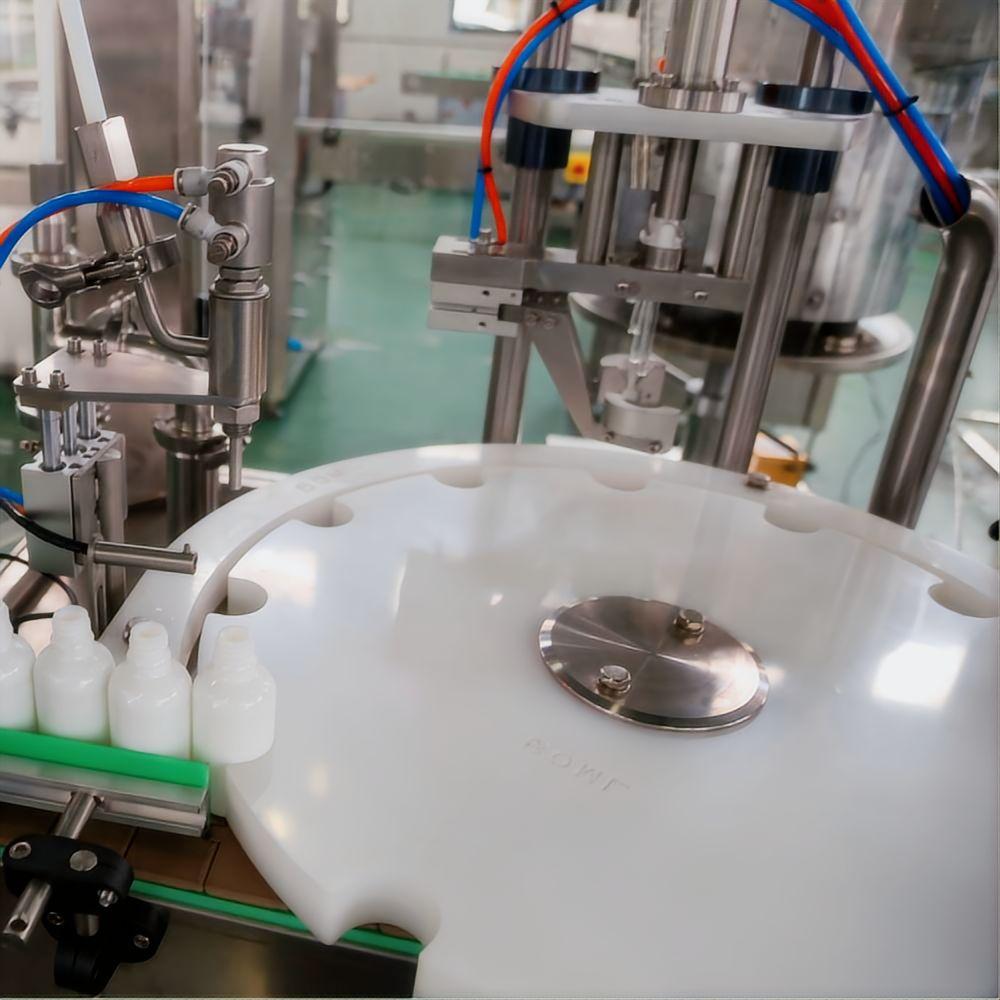
Selecting the right essential oil filling machine is one of the most consequential decisions a production manager or brand owner can make. An essential oil filling machine directly affects fill accuracy, production speed, product quality, and long-term operational costs. With so many configurations available on the market, understanding which features matter most for your specific production environment is critical before committing to a purchase.
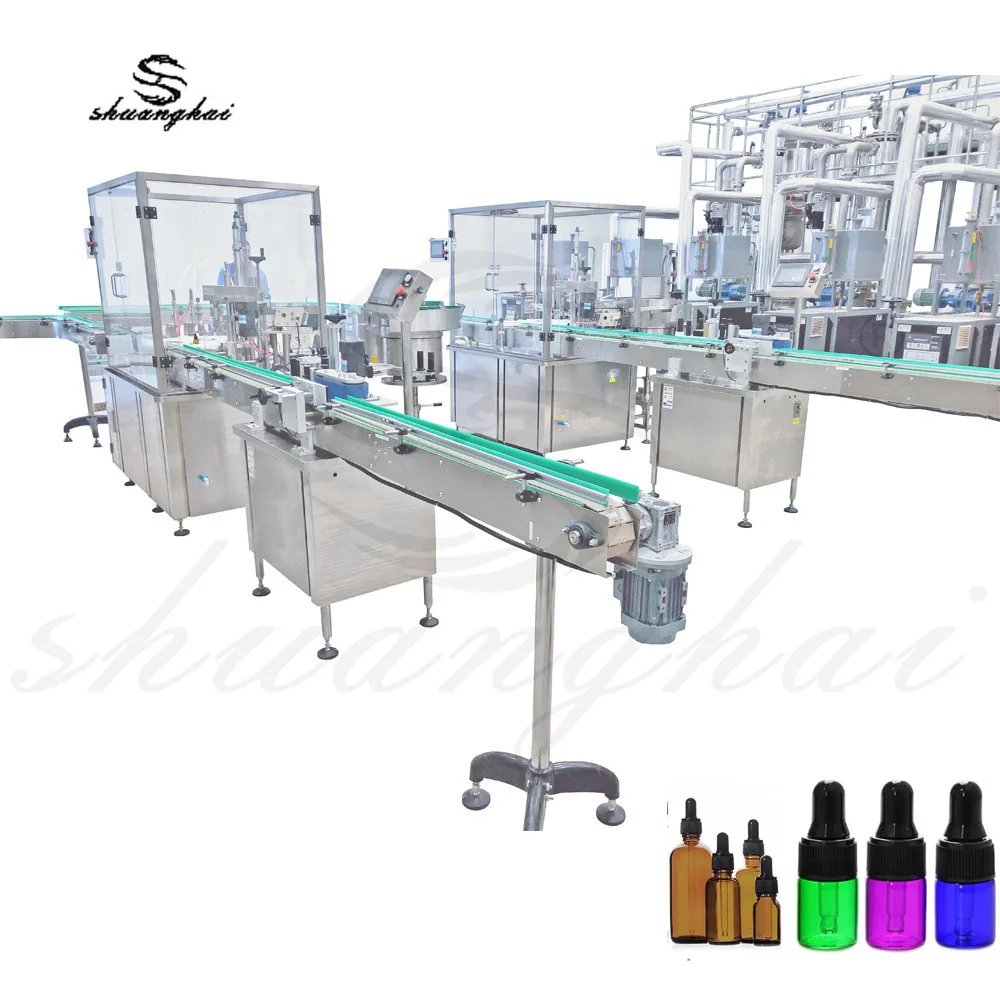
An essential oil filling machine handles a product that is inherently delicate — high in volatility, sensitive to contamination, and often packaged in small glass dropper bottles or vials. This means the machine must meet a higher standard of precision and material compatibility than a general-purpose liquid filler. This guide walks through the key selection criteria so you can make a well-informed, production-ready decision.
Understanding Your Production Requirements
Output Volume and Speed
Before evaluating any essential oil filling machine, you need a clear picture of your required output. An essential oil filling machine designed for small-batch artisan production operates very differently from one intended for high-volume industrial runs. Calculate your daily or hourly fill targets, then identify machines that can sustain that throughput without compromising accuracy. An essential oil filling machine rated for 2,000 bottles per hour will have different mechanical and electrical requirements than a semi-automatic unit handling 200 bottles per shift.
It is also worth projecting future growth when choosing an essential oil filling machine. Purchasing a unit that only barely meets your current demand may require a costly replacement within a year or two. Many manufacturers offer an essential oil filling machine with modular designs that allow speed upgrades or additional filling heads to be added later, which can protect your initial investment.
Bottle Size and Format Compatibility
Essential oils are commonly packaged in containers ranging from 5ml roll-on vials to 100ml glass bottles. Your chosen essential oil filling machine must accommodate the specific container sizes and formats in your product lineup. Check whether the essential oil filling machine allows quick changeover between different bottle diameters and heights, since frequent format changes without a flexible machine will create significant downtime. A well-engineered essential oil filling machine will feature tool-free or minimal-tool adjustment mechanisms that reduce changeover time on the production floor.
Key Technical Factors in Machine Selection
Filling Mechanism and Accuracy
The filling mechanism is the technical heart of any essential oil filling machine. Common filling methods include piston filling, peristaltic pump filling, and gear pump filling. For an essential oil filling machine, piston and peristaltic systems are generally preferred because they offer high accuracy with low-viscosity fluids like essential oils. The essential oil filling machine you select should consistently deliver fill accuracy within plus or minus 0.5% to minimize product giveaway and ensure regulatory compliance for labeled volumes.
Anti-drip nozzles are another essential feature on any reliable essential oil filling machine. Because essential oils are expensive and highly volatile, even minor dripping between fills leads to product loss, contamination risk, and a messy production environment. A quality essential oil filling machine incorporates nozzle designs that cut off flow cleanly after each fill cycle, protecting both product integrity and workplace cleanliness.
Material Compatibility and Sanitation
Essential oils are chemically aggressive. They can corrode standard rubber seals, degrade certain plastics, and react with low-grade metals. Any essential oil filling machine used in direct contact with the product must be constructed using food-grade stainless steel for wetted parts, with PTFE or other chemically resistant seals and tubing. Verifying material specifications before purchasing an essential oil filling machine is non-negotiable, as chemical incompatibility leads to both machine failure and product contamination.
Sanitation requirements also influence the design of your essential oil filling machine. If your production involves multiple scent variants or you switch between product lines, the essential oil filling machine must be easy to flush and clean. An essential oil filling machine with CIP (clean-in-place) capability or a smooth, accessible fluid path will significantly reduce cleaning time and cross-contamination risk between batches.
Integration with Your Complete Packaging Line
Capping and Labeling Alignment
A standalone essential oil filling machine rarely operates in isolation on a modern production floor. It needs to integrate smoothly with capping machines, labeling units, and conveyors. When evaluating an essential oil filling machine, assess whether its output speed matches the throughput of your downstream capping and labeling equipment. A bottleneck at the capping stage defeats the purpose of investing in a high-speed essential oil filling machine. Many suppliers offer a complete line that pairs an essential oil filling machine with matched capping and labeling modules, which simplifies integration and reduces system-level commissioning time.
Control System and Operator Interface
Modern essential oil filling machine models are equipped with PLC-based control systems and touchscreen HMI panels. These interfaces allow operators to store multiple product recipes, monitor fill counts, and receive diagnostic alerts without specialized engineering knowledge. When choosing an essential oil filling machine, evaluate how intuitive the control interface is for your team. A complex essential oil filling machine with a poorly designed control panel will lead to operator errors, increased downtime, and longer training periods. Opt for an essential oil filling machine with a clear interface, real-time status display, and simple parameter adjustment.
Remote diagnostics and service support capability is an increasingly important consideration when selecting an essential oil filling machine for production. Machines that allow remote troubleshooting reduce the time your essential oil filling machine sits idle waiting for a service technician. Before finalizing a purchase, confirm what after-sales support the supplier provides and whether spare parts for the essential oil filling machine are readily available.
FAQ
What filling method is best for an essential oil filling machine?
Piston filling and peristaltic pump filling are the most commonly recommended methods for an essential oil filling machine. Both offer excellent accuracy with low-viscosity oils and are compatible with the chemical requirements of essential oil products. The choice between them often depends on batch size, cleaning frequency, and budget.
How do I ensure an essential oil filling machine handles different bottle sizes?
Look for an essential oil filling machine with adjustable guides, changeable nozzle spacings, and height-adjustable filling heads. A well-designed essential oil filling machine should allow format changeovers in under 30 minutes without specialized tools, minimizing production interruptions when switching between different container formats.
Why is material compatibility important when choosing an essential oil filling machine?
Essential oils are chemically reactive and can degrade rubber, certain plastics, and low-grade metals. An essential oil filling machine with incompatible wetted-part materials will suffer premature seal failure and may contaminate the product. Always confirm that the essential oil filling machine uses food-grade stainless steel and PTFE-compatible seals for all product-contact components.