
 EN
EN
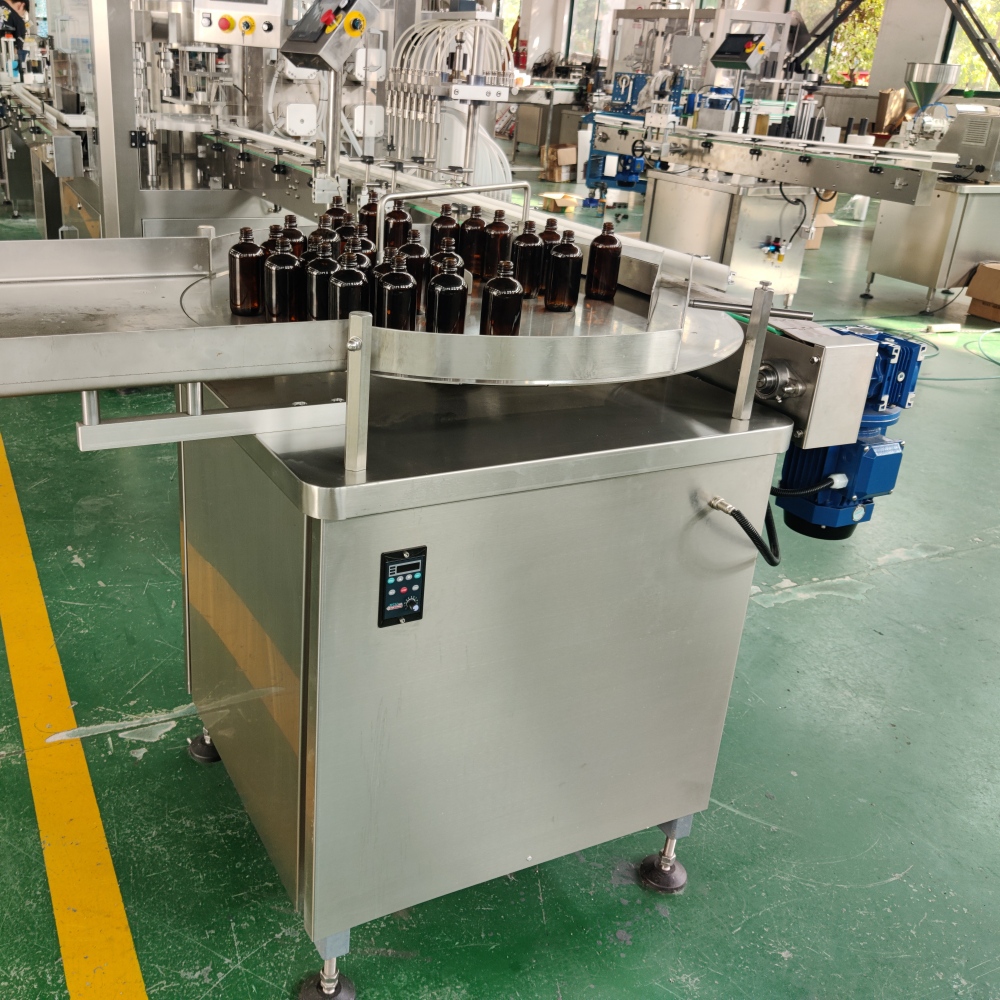
In today's competitive aromatherapy and wellness market, production speed and accuracy are non-negotiable. An essential oil filling machine has become a core asset for manufacturers who need to scale output without sacrificing product quality. Whether you are filling small dropper bottles or larger glass containers, the right equipment can fundamentally transform how your production line performs. Understanding exactly how an essential oil filling machine drives efficiency is the first step toward making a confident investment decision.
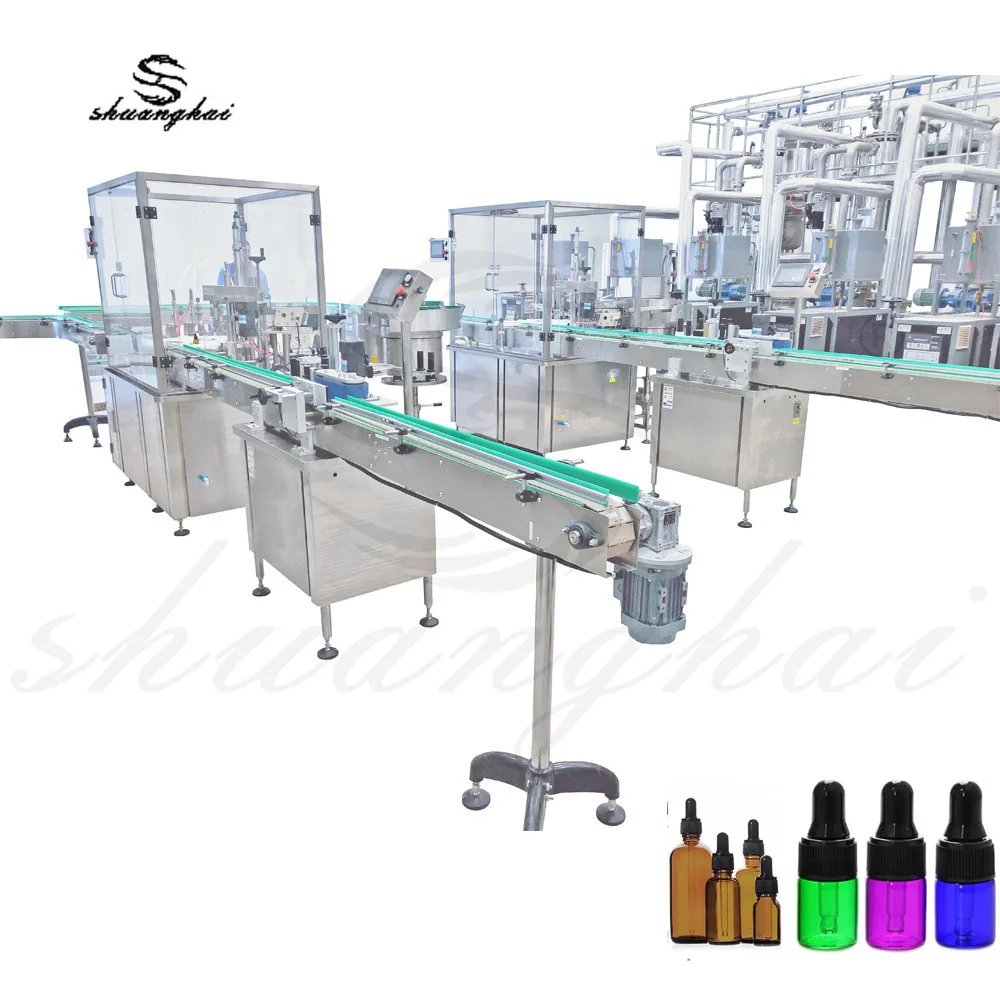
An essential oil filling machine is engineered to handle the specific challenges of liquid filling in small, precision-volume bottles. Essential oils are volatile, high-value liquids that require careful volume control and minimal exposure to air or contamination. A properly configured essential oil filling machine addresses these concerns directly by delivering accurate fills at high speed, reducing operator intervention, and supporting a seamless flow from filling through capping and labeling. This article breaks down the key mechanisms that make the essential oil filling machine such a powerful efficiency tool.
Precision Filling and Reduced Product Waste
Volume Accuracy in Every Cycle
One of the most immediate efficiency gains from an essential oil filling machine is its ability to deliver precise fill volumes with every cycle. Manual filling or semi-automatic systems often lead to overfilling, which wastes expensive product, or underfilling, which creates compliance and customer satisfaction problems. An essential oil filling machine uses servo-driven pumps or piston mechanisms calibrated to exact volumes, ensuring that each bottle receives a consistent, accurate fill. This precision directly reduces product giveaway, which is a significant cost factor when handling premium-grade essential oils.
The essential oil filling machine also minimizes drip and spillage through anti-drip nozzle designs. These nozzles are engineered to cut off flow cleanly at the end of each cycle, preventing residue buildup on bottles and reducing cleanup time between production runs. When you multiply these small savings across thousands of bottles per shift, the efficiency impact becomes substantial. A reliable essential oil filling machine therefore pays for itself through reduced material loss alone over time.
Consistent Output Across Production Runs
Consistency is a core dimension of efficiency that is often overlooked. An essential oil filling machine maintains the same output quality from the first bottle to the last, regardless of operator fatigue or variation in manual technique. This repeatability ensures that every batch meets specification without the need for intensive manual inspection. Producers who switch from manual methods to an essential oil filling machine frequently report a dramatic reduction in rework and rejection rates, freeing up labor for higher-value tasks.
Speed and Throughput Optimization
Automated Cycle Rates and Line Integration
Speed is the most visible efficiency advantage of an essential oil filling machine. Modern automatic models are capable of processing dozens to hundreds of bottles per minute, depending on bottle size and configuration. This throughput is simply unachievable through manual or semi-automatic methods. The essential oil filling machine integrates directly with upstream conveyor systems and downstream capping and labeling stations, creating a continuous, synchronized production flow. Integration eliminates bottlenecks and idle time that would otherwise interrupt the line.
An essential oil filling machine with programmable logic control allows operators to store multiple product recipes and switch between them quickly. When a production run changes from a 10ml dropper bottle to a 30ml bottle, the essential oil filling machine can be reconfigured in minutes rather than hours. This flexibility supports shorter production runs and faster response to market demand, both of which are critical efficiency drivers in the essential oils industry.
Reduced Labor Dependency
An essential oil filling machine significantly reduces the number of operators required per production shift. Where manual filling might require multiple workers monitoring flow, checking fill levels, and managing bottle placement, a fully automatic essential oil filling machine can be managed by a single trained operator overseeing the entire line. This labor efficiency not only lowers operating costs but also reduces the risk of human error that can compromise product integrity. For growing brands scaling their production capacity, this reduction in labor dependency is a strategic advantage that an essential oil filling machine delivers reliably.
Product Integrity and Compliance Support
Hygiene and Contamination Control
Essential oils are sensitive to contamination, and maintaining product purity is both a quality and regulatory requirement. An essential oil filling machine is typically constructed with food-grade stainless steel contact parts and sealed filling heads that prevent exposure to airborne contaminants. The essential oil filling machine also supports clean-in-place procedures, allowing the internal flow paths to be flushed and sanitized without full disassembly. This capability reduces downtime between product changeovers and ensures that cross-contamination between different oil varieties is effectively eliminated.
For brands producing certified organic or therapeutic-grade oils, the hygienic design of the essential oil filling machine is not optional — it is a compliance requirement. Investing in an essential oil filling machine that meets these standards protects product certification and brand reputation. The efficiency gained from avoiding contamination incidents, recalls, or batch failures is difficult to overstate, as a single contaminated batch can cost far more than the machine itself.
Traceability and Process Control
Modern essential oil filling machines are often equipped with digital control panels and data logging capabilities. These features allow production teams to track fill volumes, cycle counts, and machine parameters in real time. The essential oil filling machine becomes part of a traceable production system, supporting quality audits and regulatory documentation with minimal additional effort. Traceability is increasingly demanded by retail partners and certification bodies, and an essential oil filling machine with integrated data capture simplifies compliance management significantly.
FAQ
What bottle types can an essential oil filling machine handle?
An essential oil filling machine can typically handle a wide range of bottle types, including glass dropper bottles, roll-on bottles, spray bottles, and standard cap bottles in various sizes. Most machines offer adjustable tooling to accommodate different bottle diameters and heights, making the essential oil filling machine suitable for diverse product lines within a single operation.
How does an essential oil filling machine maintain fill accuracy over time?
An essential oil filling machine maintains accuracy through precision pumps or pistons combined with regular calibration routines. Many modern units include sensors that detect fill weight or volume and automatically adjust to compensate for minor viscosity changes. Routine maintenance schedules recommended by the manufacturer help ensure the essential oil filling machine continues to perform within specified tolerances throughout its operational life.
Is an essential oil filling machine suitable for small-batch production?
Yes, an essential oil filling machine is available in configurations suited to both small-batch and large-scale production. Semi-automatic models offer the precision and hygiene benefits of an essential oil filling machine with lower throughput requirements, making them cost-effective for artisan or startup producers. As volume grows, the essential oil filling machine can be upgraded or replaced with a fully automatic model to match increased production demands without changing core operational workflows.