
 EN
EN
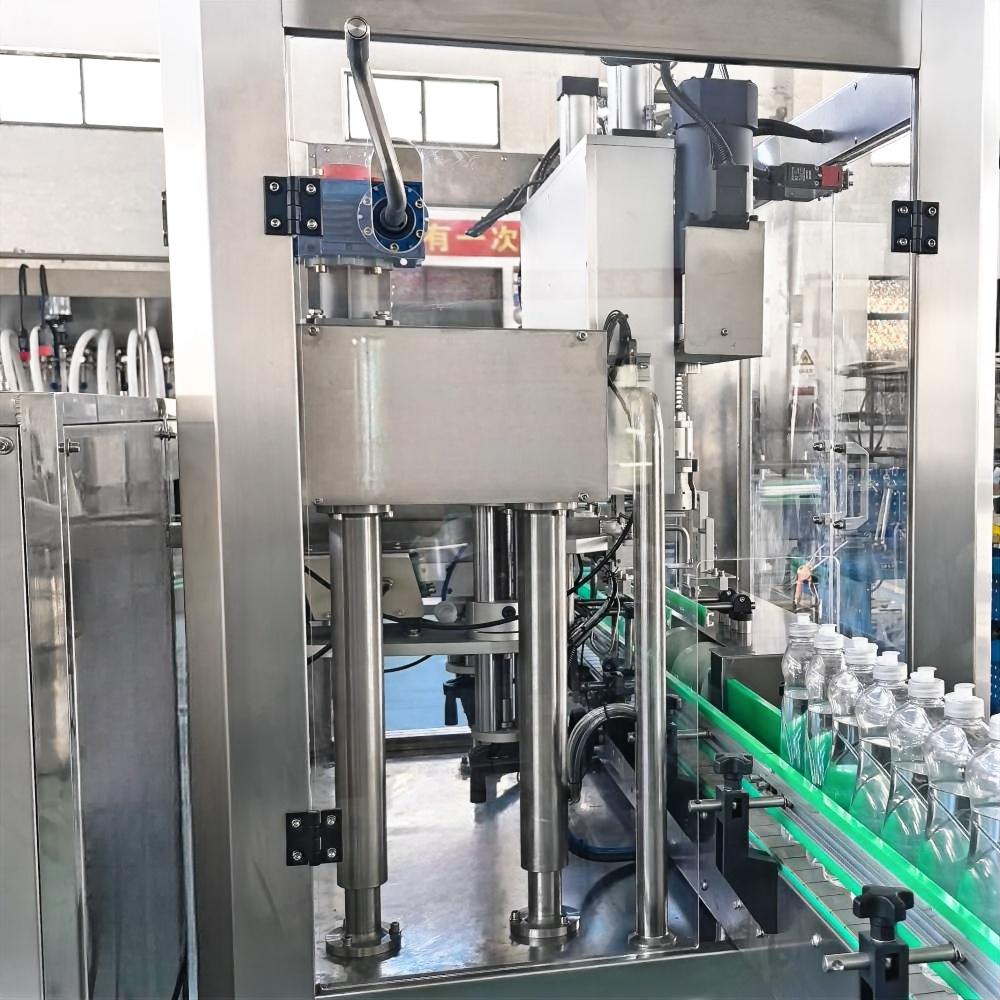
In competitive food manufacturing, production speed and fill accuracy are not optional — they are critical operational requirements. A sauce filling machine directly addresses both of these needs by automating what was once a slow, error-prone manual process. Whether your facility handles chili sauce, ketchup, honey, peanut butter, or jam, a dedicated sauce filling machine brings measurable gains from the first shift it runs.
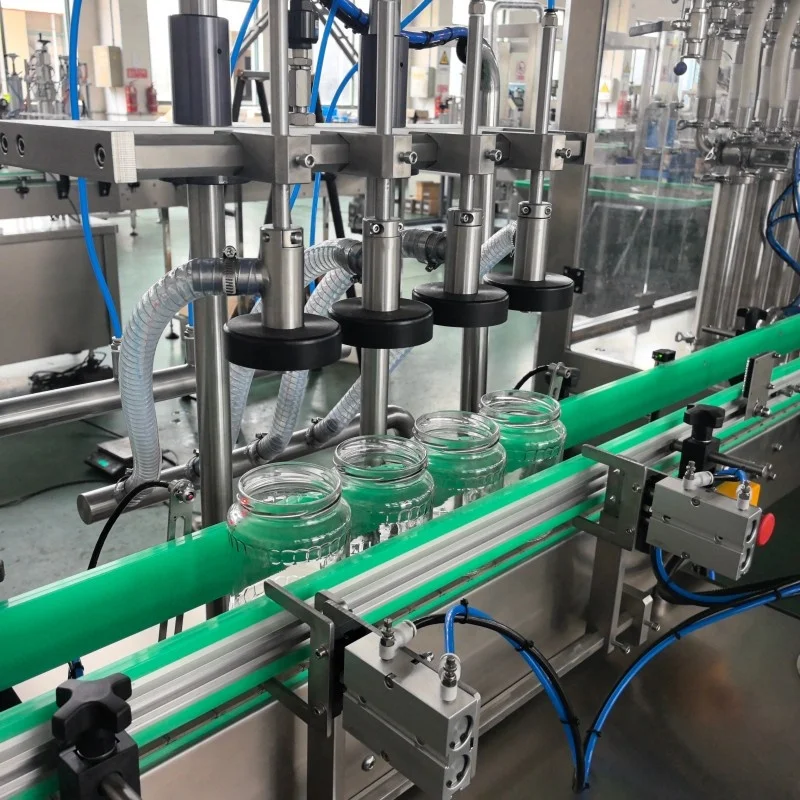
Understanding exactly how a sauce filling machine improves both speed and accuracy requires looking at the core mechanisms behind the technology. This article breaks down the filling process, the precision controls involved, and the practical outcomes that food manufacturers can realistically expect when they integrate a sauce filling machine into their production line.
The Mechanism Behind Faster Filling Performance
Continuous Automated Filling Cycles
A sauce filling machine operates on continuous or indexed automated cycles, meaning containers move through the filling station without requiring manual placement or removal between each fill. This alone transforms throughput dramatically. Where a manual operator might fill 10 to 20 containers per minute, an automatic sauce filling machine can handle dozens to hundreds of containers per minute depending on the model and sauce viscosity. The sauce filling machine eliminates the idle time inherent in hand-filling operations.
Each sauce filling machine uses a precisely timed pump or piston system that activates at consistent intervals. Because the sauce filling machine does not pause for human adjustment, the filling cycle repeats without delay. High-speed conveyor systems integrated into the sauce filling machine keep containers in constant motion, ensuring that each bottle or jar arrives at the fill head exactly when the machine is ready to dispense. This synchronized movement is one of the primary reasons a sauce filling machine consistently outperforms manual methods in terms of output volume.
Multi-Head Filling Architecture
Many industrial-grade sauce filling machine models feature multi-head configurations, where four, six, eight, or more fill heads operate simultaneously. Each fill head in a sauce filling machine dispenses into a separate container at the same moment, multiplying effective throughput without increasing the machine cycle time. For a production facility handling large daily volumes, this multi-head design in a sauce filling machine can mean the difference between meeting and missing daily output targets. The sauce filling machine essentially scales speed through parallelism rather than simply running faster.
Precision Engineering That Drives Fill Accuracy
Volumetric and Weight-Based Dosing Control
Fill accuracy in a sauce filling machine comes from its dosing control mechanism. Most modern sauce filling machine units use either volumetric piston systems or weight-based dosing to regulate exactly how much product enters each container. A piston-based sauce filling machine draws a fixed volume of sauce into the cylinder on every stroke, then pushes that exact volume into the container. This method is especially reliable for thick or chunky sauces where flow rate can vary. A sauce filling machine using weight-based sensing monitors fill level in real time and stops dispensing the moment the target weight is reached.
Both approaches in a sauce filling machine reduce fill variation significantly compared to manual methods. A well-calibrated sauce filling machine can maintain fill tolerances within fractions of a gram or milliliter across thousands of consecutive cycles. This level of consistency protects producers from underfill complaints and from costly overfill losses that erode profit margins. When a sauce filling machine runs with tight dosing control, every unit leaving the line meets the labeled fill weight or volume.
Sensor Integration and Feedback Systems
Advanced sauce filling machine designs incorporate photoelectric sensors, level detectors, and programmable logic controllers that monitor every stage of the fill cycle. If a container is absent, misaligned, or incorrectly sized, the sauce filling machine detects the anomaly and skips or pauses dispensing at that position. This prevents product waste, contamination, and misfills that would otherwise require rework. A sauce filling machine with integrated feedback systems effectively self-corrects during operation rather than waiting for an operator to notice a problem.
The programmable logic controller in a sauce filling machine stores multiple product recipes, allowing operators to switch between different sauce types or container sizes quickly. When a new run begins, the sauce filling machine recalls the saved parameters — including fill volume, pump speed, and nozzle settings — and applies them automatically. This reduces setup time and ensures that each product changeover on the sauce filling machine delivers the same accuracy as the previous run.
Real-World Production Outcomes for Food Manufacturers
Reduced Product Waste and Labor Dependency
One of the most tangible outcomes of deploying a sauce filling machine is the reduction in product giveaway. Every overfill on a manual line represents direct revenue loss. Because a sauce filling machine controls fill volume precisely, giveaway rates drop substantially after installation. For facilities producing high-value sauces like truffle condiments or specialty pestos, the savings from accurate dosing in a sauce filling machine can offset the capital cost within a defined production period. The sauce filling machine also reduces dependence on skilled manual labor for the filling station, redirecting personnel to higher-value roles.
Scalability and Consistent Quality at Higher Volumes
As production demand grows, a sauce filling machine scales more efficiently than manual headcount. Adding a second sauce filling machine to a line doubles output capacity without the hiring, training, and supervision costs associated with expanding a manual workforce. More importantly, a sauce filling machine maintains the same fill accuracy at 500 units per hour as it does at 50, something that manual operations cannot reliably guarantee. This consistency in a sauce filling machine is essential for brands that must pass quality audits, meet retailer specifications, or comply with regulatory fill requirements. The sauce filling machine ensures that quality does not degrade as volume increases.
FAQ
What types of sauces can a sauce filling machine handle?
A sauce filling machine can handle a wide range of viscosities, from thin liquids like vinegar-based sauces to thick pastes like peanut butter and tomato paste. The key is selecting a sauce filling machine model with the appropriate pump type — gear pumps for thin sauces, piston pumps for thick or chunky products — to ensure consistent dosing across all sauce types.
How often does a sauce filling machine need calibration?
Calibration frequency for a sauce filling machine depends on production volume and product type. In high-volume operations, operators typically verify the sauce filling machine calibration at the start of each shift using test fills and weight checks. Most modern sauce filling machine units hold calibration reliably across long runs, but routine checks protect against drift caused by seal wear or temperature changes affecting sauce viscosity.
Can a sauce filling machine be integrated into an existing production line?
Yes. A sauce filling machine is commonly designed for inline integration with conveyors, capping machines, and labeling systems. Most sauce filling machine manufacturers provide standard interface options that allow the machine to synchronize with upstream and downstream equipment. Proper integration ensures that the sauce filling machine operates at the correct pace to match the overall line speed without creating bottlenecks.