
 EN
EN
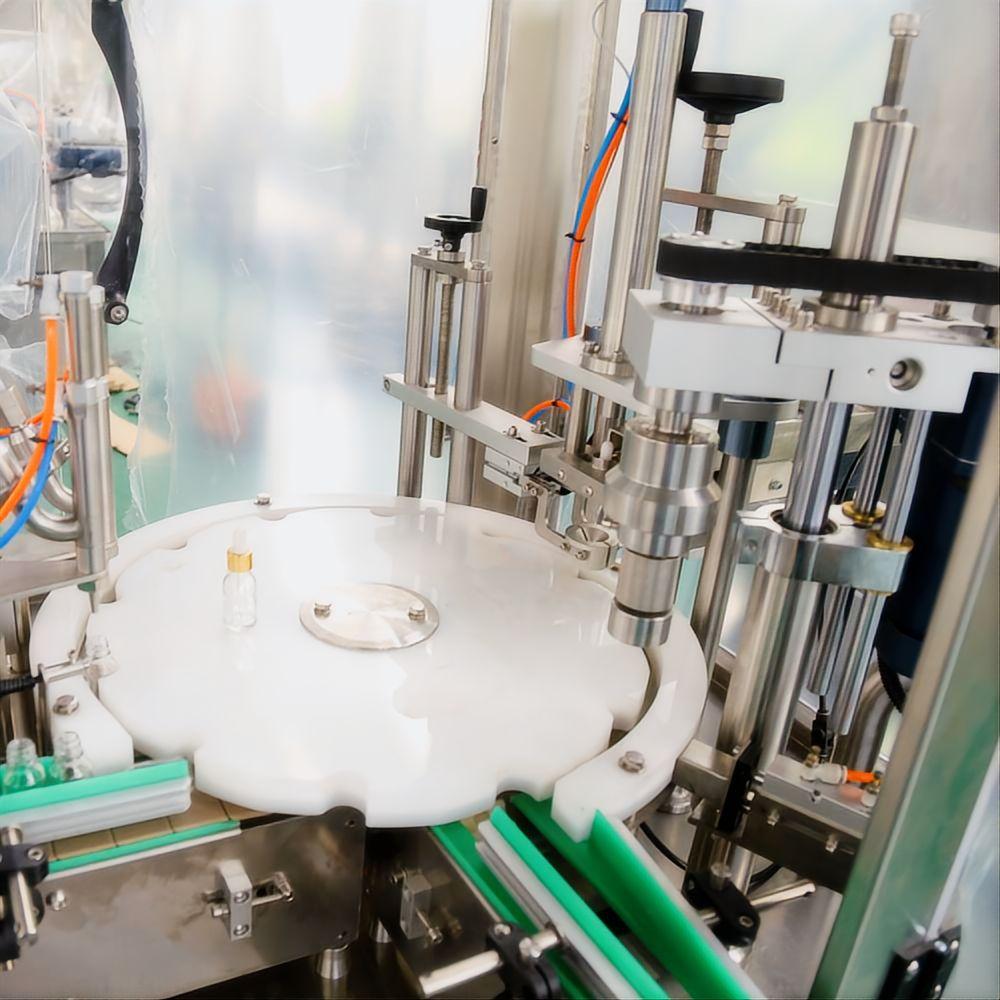
Selecting the right sauce filling machine is one of the most critical decisions a food manufacturer can make. Viscosity — the thickness or flowability of a sauce — directly determines which type of sauce filling machine will perform accurately and consistently on your production line. Choosing the wrong machine leads to dripping nozzles, inaccurate fill weights, product waste, and costly downtime. Getting this decision right means understanding both your product and your equipment options.
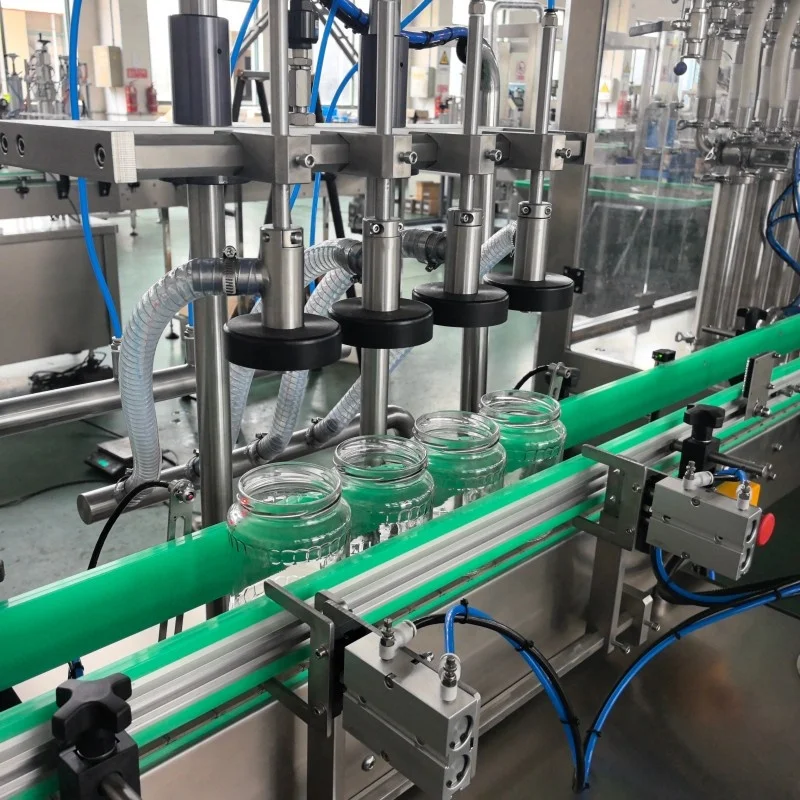
Every sauce filling machine is engineered to handle a specific range of viscosity levels. A sauce filling machine designed for thin, water-like liquids will struggle with thick peanut butter, and a sauce filling machine built for heavy pastes may overflow when used with light vinegar-based sauces. This guide walks through the key selection criteria so you can match your sauce filling machine to the exact viscosity demands of your product — whether you produce chili sauce, ketchup, honey, jam, or any other condiment.
Understanding Viscosity and Its Role in Filling Equipment
What Viscosity Means for a Sauce Filling Machine
Viscosity is a measure of how resistant a fluid is to flow. For a sauce filling machine, viscosity determines how fast product moves through the filling head, how much pressure the pump must generate, and whether the product will drip, string, or cut cleanly after each fill cycle. A low-viscosity sauce like soy sauce or vinegar flows easily under gravity and minimal pressure. A high-viscosity product like thick jam or peanut butter requires positive displacement and additional mechanical force to move through the system reliably.
When evaluating a sauce filling machine, you must know your product's approximate viscosity in centipoise (cP) or simply classify it as thin, medium, or thick. This classification directly narrows down which filling technology is appropriate. A sauce filling machine that does not match the viscosity range of your product will produce inconsistent fill volumes, create hygiene issues from drips and spills, and reduce overall equipment efficiency over time.
Viscosity Categories and Their Filling Demands
Thin sauces — such as water, light broths, or rice vinegar — flow freely and need a sauce filling machine with gravity or overflow filling technology. Medium-viscosity sauces — including ketchup, standard hot sauce, and barbecue sauce — benefit from a sauce filling machine using piston or peristaltic pump mechanisms that provide controlled, repeatable dosing. High-viscosity products — such as peanut butter, thick honey, chunky salsa, or dense jam — require a sauce filling machine equipped with a heavy-duty piston or auger-based filling system, often paired with a heated hopper to manage product flow.
Matching the Right Filling Technology to Your Sauce
Piston Filling for Medium to High Viscosity Sauces
A piston-based sauce filling machine is among the most versatile options for food producers. When the piston retracts, it draws a precise volume of product into the cylinder. When it advances, it pushes the product through the nozzle into the container. This mechanism allows a sauce filling machine to handle everything from medium-bodied ketchup to thick chili paste with high fill accuracy. Piston sauce filling machine models can often be adjusted for fill volume simply by changing the piston stroke length, which makes them well-suited for facilities that run multiple sauce products on the same line.
One important consideration when choosing a piston sauce filling machine for high-viscosity products is nozzle design. Wide-bore nozzles reduce shear stress on sensitive products and prevent jamming during high-volume runs. A good sauce filling machine for thick products will also include anti-drip features such as dive nozzles or snuff-back mechanisms that retract product slightly after each fill to prevent stringing or tail formation on container openings.
Pump and Gravity Filling for Thin to Medium Sauces
For thin liquid sauces, a gravity-fed sauce filling machine offers simplicity and low maintenance. The product flows from an elevated holding tank through a valve into the container below. However, this type of sauce filling machine is only suitable for products with very low viscosity and no particulates. As soon as your sauce thickens slightly or contains solid chunks, a gravity sauce filling machine will lose accuracy and speed.
Peristaltic pump sauce filling machine models work well for medium-viscosity products that are also sensitive to contamination, since the product only contacts the pump tubing. Gear pump sauce filling machine designs are better for consistent medium-to-thick sauces that require high-speed production and precise dosing. When selecting a pump-based sauce filling machine, always confirm that the pump materials are food-grade and compatible with acidic or high-sugar products common in the condiment industry.
Heated Hoppers and Special Features for Thick Products
Many thick sauces, including honey and peanut butter, become more viscous at room temperature and more flowable when gently warmed. A sauce filling machine with an integrated heated hopper addresses this challenge by maintaining product at an optimal temperature throughout the filling cycle. This ensures that a sauce filling machine does not stall or clog mid-production when handling products that stiffen quickly once they leave a heated storage tank. Choosing a sauce filling machine with this feature is particularly important for facilities operating in cooler environments.
Practical Evaluation Criteria Before You Buy
Production Speed, Container Format, and Cleanability
Beyond viscosity, your sauce filling machine selection must also account for production throughput, container types, and hygiene requirements. A sauce filling machine rated for 20 bottles per minute may be ideal for a small batch producer, while a high-speed sauce filling machine rated for 80 or more containers per minute suits industrial-scale operations. Container format also matters — whether you fill glass jars, plastic bottles, or pouches will influence which sauce filling machine nozzle and conveyor configuration is appropriate.
Cleanability is a non-negotiable factor for any sauce filling machine used in food production. Look for a sauce filling machine with CIP (clean-in-place) capability, tool-free disassembly, and smooth internal surfaces that prevent sauce buildup. Stainless steel contact parts are standard for any quality sauce filling machine and should be verified before purchase. A sauce filling machine that is difficult to clean increases the risk of cross-contamination between product runs and raises sanitation compliance concerns.
Testing Your Sauce Before Finalizing Equipment
Always request a product trial with your actual sauce before committing to a sauce filling machine. Reputable sauce filling machine manufacturers will run sample fills to confirm fill accuracy, cycle speed, and product behavior at their facility or yours. This trial phase is essential because sauce filling machine performance can vary significantly between theoretical specifications and real-world results with your specific formulation. Testing also allows you to verify that the sauce filling machine handles particulates — like chili flakes or seed pieces — without jamming nozzles or causing irregular dosing.
FAQ
Can one sauce filling machine handle both thin and thick sauces?
Some sauce filling machine models offer adjustable mechanisms and interchangeable nozzles that extend their viscosity range. However, no single sauce filling machine covers the full spectrum from water-thin to dense paste with equal accuracy. If your production line runs both thin and thick products, consider a sauce filling machine with a piston design and swappable pump modules, or evaluate whether two dedicated machines offer better long-term efficiency.
How important is fill accuracy when choosing a sauce filling machine?
Fill accuracy is critical for any sauce filling machine used in commercial food packaging. Underfilling creates labeling and regulatory compliance issues, while overfilling increases product cost per unit. A quality sauce filling machine should achieve fill accuracy within plus or minus one percent. Always verify the accuracy specification of a sauce filling machine before purchasing, especially for products sold by net weight rather than volume.
What maintenance does a sauce filling machine require for thick sauces?
A sauce filling machine handling thick products requires more frequent cleaning than one used for thin liquids. Residue from high-sugar or high-fat sauces can harden inside the sauce filling machine if not flushed promptly after each production run. Routine maintenance for a sauce filling machine includes daily nozzle inspection, regular lubrication of piston seals, and periodic verification of fill volume calibration. Following a consistent maintenance schedule extends the service life of your sauce filling machine and ensures ongoing fill accuracy.