
 EN
EN
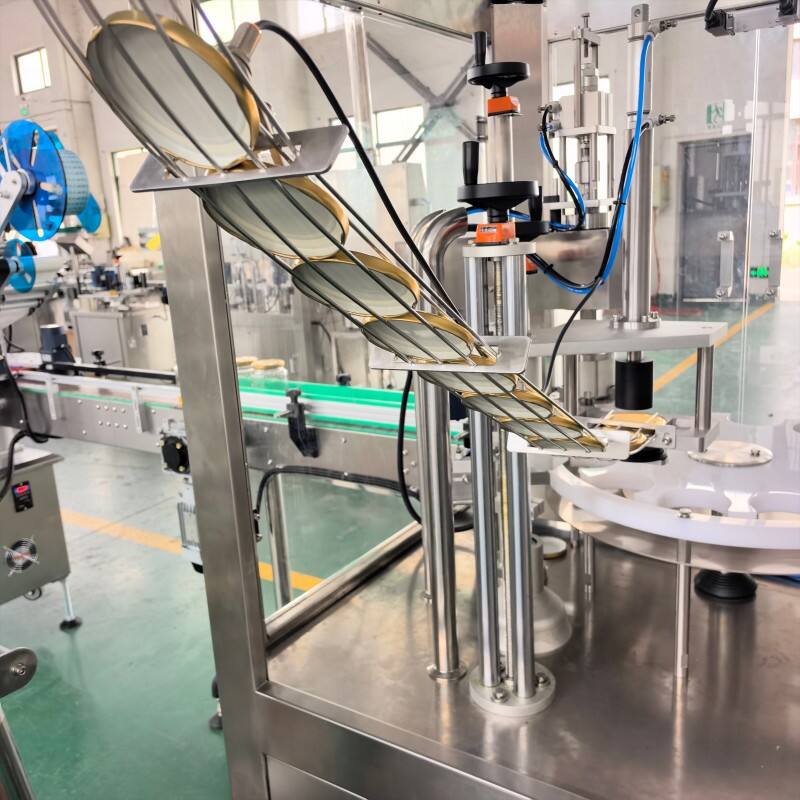
Manufacturing efficiency has become a critical factor in determining competitive advantage across food processing industries. Modern production facilities require automated solutions that can handle high volumes while maintaining consistent quality standards. A glass jar filling machine represents one of the most significant technological advances in packaging automation, offering unprecedented precision and speed for manufacturers dealing with viscous products like honey, jam, sauces, and condiments. These sophisticated systems transform traditional manual filling processes into streamlined operations that deliver measurable improvements in throughput, accuracy, and overall production efficiency.
Understanding Glass Jar Filling Technology
Core Components and Functionality
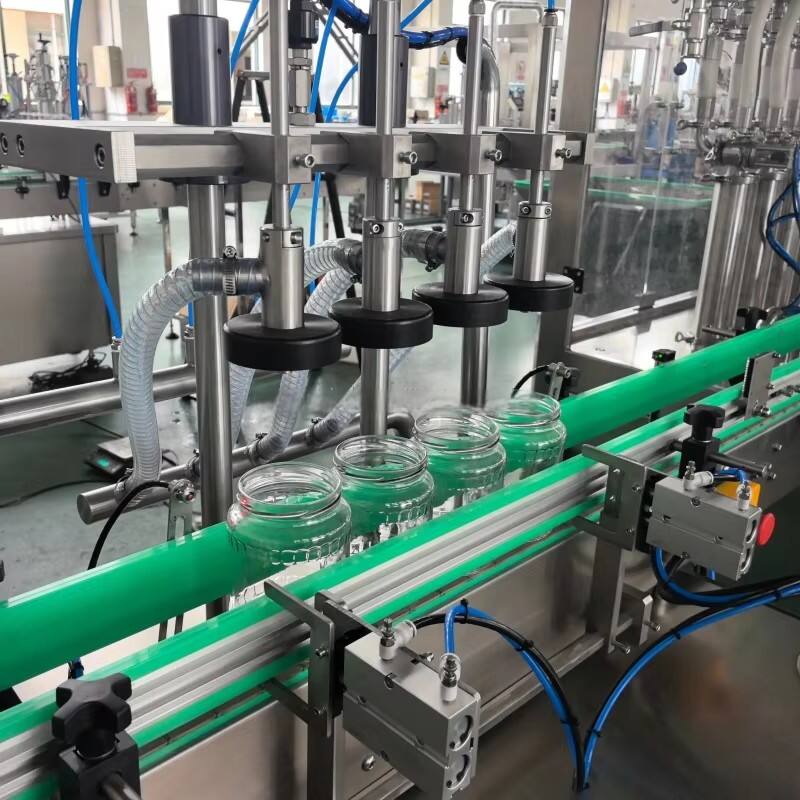
Modern glass jar filling systems integrate multiple precision-engineered components that work in perfect synchronization. The primary filling mechanism utilizes volumetric or weight-based measurement systems to ensure accurate product dispensing. Advanced servo-driven pumps control flow rates with exceptional precision, while specialized nozzles accommodate different product viscosities and glass jar dimensions. Temperature control systems maintain optimal product consistency throughout the filling process, preventing issues that could compromise fill accuracy or product quality.
The control architecture of contemporary filling machines incorporates programmable logic controllers that manage every aspect of the operation. These systems monitor fill levels, adjust for container variations, and maintain precise timing sequences. Integrated sensors detect jar presence, verify proper positioning, and ensure complete fills before containers proceed to the next station. This level of automation eliminates human error while providing consistent results across thousands of filling cycles.
Technological Innovations in Modern Systems
Recent advancements in glass jar filling technology include adaptive filling algorithms that automatically adjust parameters based on product characteristics and environmental conditions. Vision systems now provide real-time quality inspection, detecting underfills, overfills, or contamination issues immediately. These innovations significantly reduce waste while ensuring every filled container meets established quality standards.
Smart connectivity features enable remote monitoring and diagnostic capabilities, allowing operators to track performance metrics and identify potential issues before they impact production. Predictive maintenance algorithms analyze operational data to schedule maintenance activities proactively, minimizing unexpected downtime and extending equipment lifespan.
Quantifiable Efficiency Improvements
Production Speed Enhancement
Automated glass jar filling systems typically achieve filling rates of 200 to 1,200 containers per hour, depending on product characteristics and container sizes. This represents a dramatic improvement over manual filling operations, which rarely exceed 50-100 containers per hour per operator. The consistent operating speed eliminates production bottlenecks and enables manufacturers to meet demanding delivery schedules without compromising quality standards.
Speed improvements extend beyond raw filling rates to include reduced changeover times between different products or container sizes. Modern machines feature quick-change components and automated recipe management systems that minimize downtime during product transitions. This flexibility allows manufacturers to respond rapidly to market demands while maintaining efficient production schedules.
Accuracy and Waste Reduction
Precision filling technology delivers fill accuracy typically within ±0.5% to ±1% of target volumes, far exceeding manual filling capabilities. This level of precision significantly reduces product giveaway costs while ensuring compliance with regulatory requirements for net weight declarations. For high-value products like specialty honeys or gourmet sauces, improved accuracy directly translates to substantial cost savings over time.
Waste reduction benefits extend to packaging materials as well. Consistent filling eliminates the need for overfilling to compensate for variations, while reduced spillage and contamination preserve valuable product. These improvements contribute to better environmental sustainability while enhancing overall profitability.
Operational Benefits and Cost Impact
Labor Efficiency and Safety
Implementing automated glass jar filling machine systems reduces direct labor requirements by 60-80% compared to manual operations. This labor reallocation allows manufacturers to deploy skilled workers to higher-value activities such as quality control, maintenance, and process optimization. The resulting operational structure improves overall productivity while reducing exposure to repetitive stress injuries common in manual filling operations.
Safety improvements include elimination of direct worker contact with potentially hazardous products and reduction of slip hazards from spilled materials. Automated systems also reduce the risk of glass container breakage injuries while maintaining cleaner, more organized work environments. These safety benefits contribute to lower insurance costs and improved worker satisfaction.
Quality Consistency and Brand Protection
Consistent filling performance protects brand reputation by ensuring every container meets established quality standards. Automated systems eliminate variations in fill levels that can create customer dissatisfaction or regulatory compliance issues. This consistency becomes particularly important for premium products where consumers expect uniformity across all purchases.
Hygienic design features in modern filling equipment minimize contamination risks while ensuring easy cleaning and sanitization. Stainless steel construction with sanitary connections meets food grade requirements while providing long-term durability. These design elements support regulatory compliance while protecting product integrity throughout the packaging process.
Integration and Scalability Advantages
Production Line Optimization
Glass jar filling machines integrate seamlessly with upstream and downstream equipment to create efficient production lines. Coordinated operation with jar handling systems, conveyors, capping equipment, and labeling machines eliminates bottlenecks while maintaining smooth material flow. This integration reduces overall footprint requirements while maximizing throughput capabilities.
Modern systems feature modular designs that accommodate future expansion or reconfiguration needs. Manufacturers can start with basic filling capabilities and add features such as nitrogen flushing, hot filling, or specialized capping systems as requirements evolve. This scalability protects initial investments while providing flexibility for growth.
Data Collection and Process Optimization
Integrated data collection systems provide detailed insights into production performance, enabling continuous improvement initiatives. Real-time monitoring of fill weights, cycle times, and rejection rates helps identify optimization opportunities. Historical data analysis supports predictive maintenance scheduling and capacity planning decisions.
Quality management systems track batch information and maintain detailed production records for regulatory compliance and traceability requirements. This documentation capability becomes increasingly important as food safety regulations continue to evolve and strengthen globally.
Return on Investment Considerations
Financial Impact Analysis
Glass jar filling machine investments typically generate positive returns within 12-24 months through labor savings, reduced waste, and increased production capacity. Higher-volume operations often achieve payback periods of 6-12 months due to economies of scale. The financial benefits compound over time as manufacturers realize ongoing operational efficiencies and reduced quality-related costs.
Total cost of ownership calculations must consider maintenance requirements, spare parts availability, and potential upgrade paths. Well-designed systems from reputable manufacturers typically provide 10-15 years of reliable service with proper maintenance, making the long-term financial proposition highly attractive for most operations.
Strategic Competitive Advantages
Automated filling capabilities enable manufacturers to pursue larger contracts and expand into new markets that demand consistent quality and reliable delivery schedules. The ability to handle multiple product types and container sizes on a single platform provides operational flexibility that manual systems cannot match. This versatility becomes particularly valuable in dynamic markets where product mix requirements change frequently.
Technology adoption also positions manufacturers to meet evolving customer expectations for traceability, sustainability, and quality assurance. Companies with advanced automation capabilities often enjoy preferred supplier status with major retailers and food service operators who prioritize operational excellence and risk mitigation.
FAQ
What production volumes justify investing in an automated glass jar filling machine?
Generally, operations filling more than 500-1,000 containers per day can justify automated equipment investments. The exact threshold depends on product value, labor costs, and quality requirements. High-value products like specialty honey or gourmet sauces may justify automation at lower volumes due to improved accuracy and waste reduction benefits.
How difficult is it to changeover between different products or jar sizes?
Modern glass jar filling machines feature tool-free changeover capabilities for many adjustments. Simple product changes often require only recipe selection and minor nozzle adjustments, typically completed in 15-30 minutes. Container size changes may require additional mechanical adjustments but are generally completed within 1-2 hours with proper operator training.
What maintenance requirements should be expected with automated filling equipment?
Routine maintenance includes daily cleaning and sanitization, weekly lubrication of moving components, and monthly inspection of wear parts. More comprehensive maintenance occurs quarterly or semi-annually depending on operating conditions. Most manufacturers provide detailed maintenance schedules and training to ensure optimal equipment performance and longevity.
Can glass jar filling machines handle products with different viscosities?
Yes, quality filling machines accommodate a wide range of product viscosities through adjustable pump speeds, specialized nozzle designs, and programmable control parameters. Products ranging from thin syrups to thick pastes can typically be handled on the same equipment with appropriate recipe adjustments. Some applications may require specific pump types or heating systems for optimal performance.
Table of Contents
- Understanding Glass Jar Filling Technology
- Quantifiable Efficiency Improvements
- Operational Benefits and Cost Impact
- Integration and Scalability Advantages
- Return on Investment Considerations
-
FAQ
- What production volumes justify investing in an automated glass jar filling machine?
- How difficult is it to changeover between different products or jar sizes?
- What maintenance requirements should be expected with automated filling equipment?
- Can glass jar filling machines handle products with different viscosities?