
 EN
EN
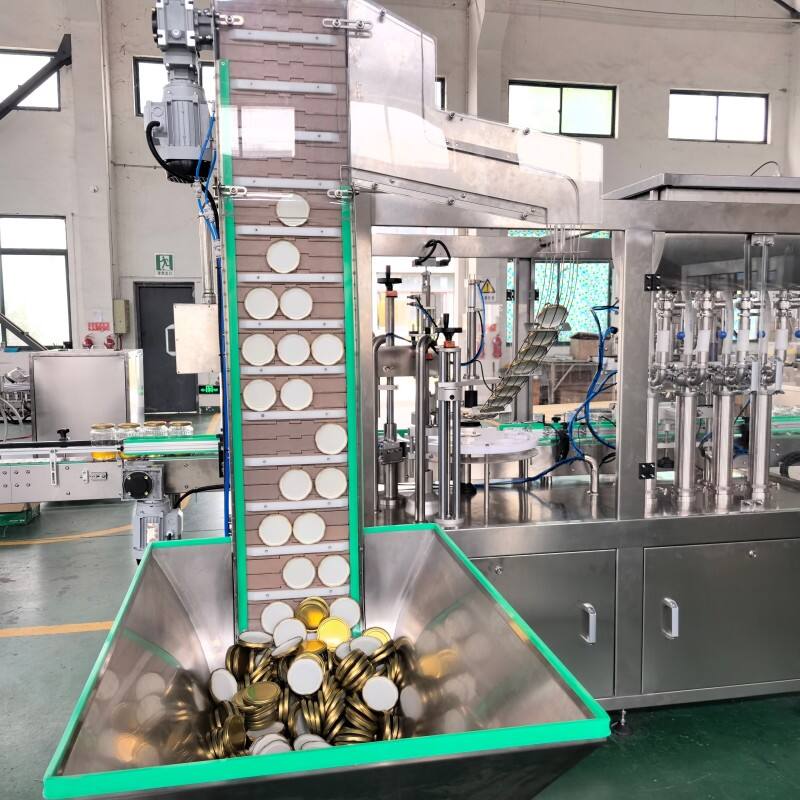
Modern food processing facilities demand exceptional reliability and precision when it comes to packaging operations. Glass jar filling machines have become indispensable equipment for manufacturers handling liquid and semi-liquid products ranging from honey and jams to sauces and condiments. These sophisticated systems integrate advanced technology with robust mechanical engineering to deliver consistent performance across high-volume production environments. The reliability of these machines directly impacts production efficiency, product quality, and overall operational costs, making the selection of key features crucial for long-term success.
The evolution of packaging technology has transformed how manufacturers approach glass container filling operations. Today's equipment incorporates precision-engineered components that ensure accurate fill volumes while maintaining hygienic standards required for food safety compliance. Understanding the critical features that contribute to machine reliability helps processors make informed decisions that optimize their production capabilities and minimize downtime risks.
Advanced Filling Technology Integration
Servo-Controlled Filling Systems
Contemporary glass jar filling machines utilize servo-controlled filling systems that provide exceptional accuracy and repeatability. These systems employ precise motor control technology to regulate fill volumes within tight tolerances, typically achieving accuracy levels of ±0.5% or better. The servo-driven mechanisms respond instantly to control signals, allowing for rapid adjustments during production runs without stopping the entire line.
The integration of servo technology extends beyond basic filling operations to encompass complete motion control throughout the packaging process. Multiple servo motors coordinate container handling, filling head positioning, and product flow regulation to create seamless operation cycles. This sophisticated control architecture enables manufacturers to handle various container sizes and product viscosities with minimal changeover time.
Advanced feedback systems continuously monitor filling performance and automatically compensate for variations in product temperature, viscosity, or container dimensions. These real-time adjustments maintain consistent fill weights and prevent overfilling or underfilling situations that could compromise product quality or regulatory compliance.
Multi-Head Filling Configurations
High-capacity glass jar filling machines incorporate multiple filling heads to maximize throughput while maintaining individual accuracy control. Modern systems feature modular designs that allow processors to configure anywhere from four to twenty-four filling stations depending on production requirements. Each filling head operates independently with its own servo control system and monitoring capabilities.
The multi-head approach provides significant advantages in terms of production flexibility and redundancy. If one filling head requires maintenance or adjustment, the remaining heads continue operating to minimize production interruptions. This distributed architecture also enables manufacturers to run different product formulations simultaneously by dedicating specific heads to particular recipes or container types.
Sophisticated timing systems coordinate the movement of containers through multiple filling stations while ensuring precise positioning at each head. Pneumatic or servo-driven indexing systems advance containers through the filling cycle with exceptional repeatability, maintaining proper alignment for consistent filling performance across all stations.
Robust Construction and Materials
Stainless Steel Framework Design
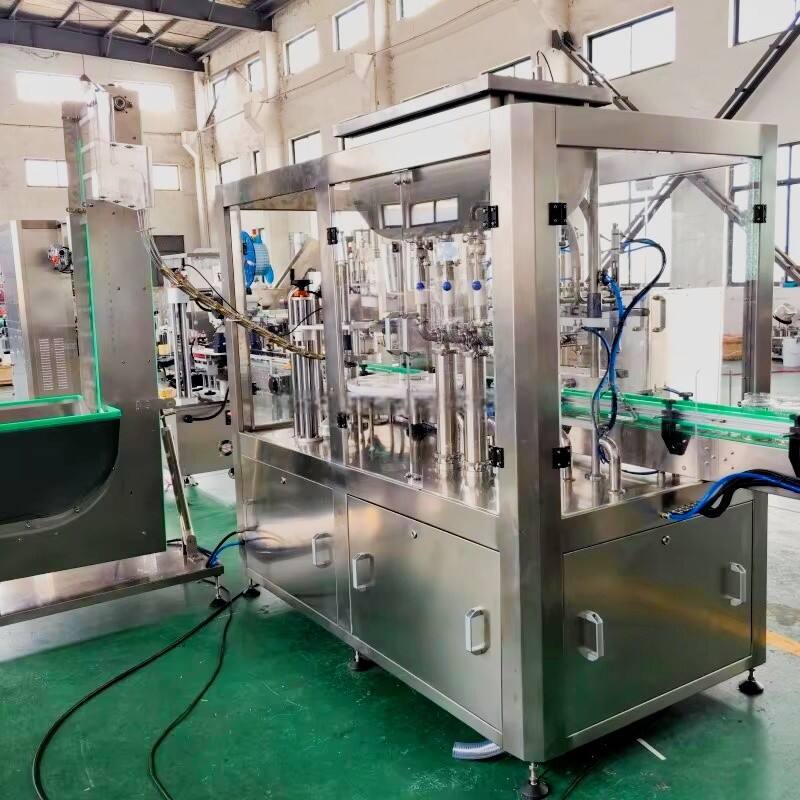
Reliable glass jar filling machines feature heavy-duty stainless steel construction that withstands the demanding conditions of industrial food processing environments. Grade 304 or 316 stainless steel provides excellent corrosion resistance and maintains structural integrity under continuous operation cycles. The robust framework design incorporates reinforced mounting points and vibration-dampening features that ensure stable operation even at maximum production speeds.
The choice of stainless steel extends beyond structural components to include all product-contact surfaces, ensuring compliance with food safety regulations and facilitating thorough cleaning procedures. Welded seams utilize sanitary welding techniques that eliminate crevices where bacteria could potentially accumulate, supporting stringent hygiene standards required for food packaging operations.
Strategic design considerations include accessibility for maintenance and cleaning operations. Removable panels, hinged guards, and tool-free component access minimize downtime during routine servicing while maintaining operator safety. The modular construction approach allows for easy replacement of wear components without requiring extensive disassembly procedures.
Precision-Engineered Component Integration
Critical moving parts incorporate high-grade bearings, seals, and wear-resistant materials that extend operational life and reduce maintenance requirements. Filling valves utilize FDA-approved elastomers and gaskets that maintain sealing integrity across temperature variations and product exposure. These components undergo rigorous testing to ensure compatibility with various product formulations and cleaning chemicals.
Drive systems employ industrial-grade gearboxes and coupling assemblies designed for continuous-duty applications. These components feature sealed lubrication systems that protect internal mechanisms from contamination while providing reliable power transmission. Variable frequency drives control motor speeds with precision while offering energy-efficient operation and reduced mechanical stress on drive components.
Pneumatic systems utilize high-quality actuators, valves, and fittings rated for food processing applications. Air preparation equipment includes filtration, pressure regulation, and lubrication systems that maintain clean, dry compressed air throughout the pneumatic circuits. This attention to air quality prevents contamination issues and extends the service life of pneumatic components.
Intelligent Control Systems
Human-Machine Interface Technology
Modern glass jar filling machines incorporate sophisticated human-machine interface systems that provide intuitive operation and comprehensive monitoring capabilities. Large touchscreen displays present real-time production data, including fill volumes, line speeds, container counts, and alarm status information. These interfaces utilize graphical representations that make complex system information easily accessible to operators with varying technical backgrounds.
Recipe management systems store multiple product configurations with automatic parameter adjustment capabilities. Operators can quickly switch between different jar sizes, product formulations, or filling requirements by selecting pre-programmed recipes. This functionality significantly reduces changeover time and minimizes the potential for setup errors that could affect product quality or production efficiency.
Advanced diagnostic features provide detailed troubleshooting information and predictive maintenance alerts. The system continuously monitors component performance and identifies potential issues before they result in equipment failures. Historical data logging capabilities enable trend analysis and optimization of operational parameters to maximize efficiency and product quality.
Automated Quality Control Integration
Integrated quality control systems provide real-time monitoring of fill weights, container integrity, and product characteristics. Load cells or other weighing technologies verify fill accuracy for each container and automatically reject units that fall outside acceptable tolerances. These systems maintain detailed records of quality measurements for regulatory compliance and process optimization purposes.
Vision inspection systems examine container positioning, fill levels, and cap placement to ensure consistent packaging quality. High-resolution cameras capture images of each container and compare them against predetermined quality standards. Automatic rejection mechanisms remove defective packages from the production line without interrupting overall throughput.
Data collection and analysis capabilities enable manufacturers to track production trends, identify process variations, and implement continuous improvement initiatives. Integration with enterprise resource planning systems provides comprehensive production reporting and inventory management functionality that supports overall manufacturing efficiency.
Hygienic Design Principles
Sanitary Construction Standards
Glass jar filling machines designed for food applications incorporate sanitary design principles that facilitate thorough cleaning and prevent contamination risks. Product contact surfaces feature smooth finishes without crevices, dead zones, or areas where product residue could accumulate. Sloped surfaces and drainage features ensure complete product evacuation during cleaning cycles.
Quick-disconnect fittings and tool-free disassembly capabilities enable rapid cleaning and sanitization procedures. Component designs minimize the number of gaskets, seals, and threaded connections that could harbor bacteria or require special cleaning attention. These features support both manual cleaning procedures and automated clean-in-place systems that many facilities utilize for efficiency and consistency.
Air handling systems incorporate HEPA filtration and positive pressure maintenance to prevent environmental contamination of product zones. Sealed electrical enclosures and IP-rated components protect sensitive electronics from moisture and cleaning chemicals while maintaining reliable operation in wash-down environments.
Clean-in-Place Compatibility
Advanced glass jar filling machines support automated clean-in-place procedures that reduce labor requirements and ensure consistent sanitization results. Dedicated cleaning circuits deliver cleaning solutions and rinse water to all product-contact surfaces with appropriate flow rates and contact times. Temperature and chemical concentration monitoring systems verify cleaning effectiveness and maintain documentation for regulatory compliance.
Spray ball systems and specialized cleaning nozzles provide targeted cleaning action for complex geometries and hard-to-reach areas. These systems operate on programmed cycles that optimize cleaning chemical usage while ensuring thorough coverage of all surfaces. Recovery and recycling systems capture and process cleaning solutions to minimize waste and reduce operating costs.
Validation capabilities enable facilities to verify cleaning effectiveness through sampling ports and inspection access points. Documentation systems automatically record cleaning parameters, temperatures, and durations to support food safety audits and regulatory inspections. These comprehensive cleaning protocols help manufacturers maintain the highest standards of product safety and quality.
Production Efficiency Features
High-Speed Operation Capabilities
Contemporary glass jar filling machines achieve impressive production rates while maintaining accuracy and reliability standards. Advanced timing systems coordinate multiple operations simultaneously to minimize cycle times and maximize throughput. Container handling mechanisms utilize precision indexing and smooth transport systems that eliminate jerky movements or impact forces that could damage glass containers.
Variable speed controls allow operators to optimize line speeds based on product characteristics, container sizes, and quality requirements. These systems automatically adjust operating parameters to maintain consistent performance across different speed ranges. Acceleration and deceleration profiles minimize mechanical stress on components while ensuring smooth transitions between different operational modes.
Buffer systems and accumulation tables provide temporary container storage that helps balance production flow and accommodate minor variations in upstream or downstream processes. These features enable continuous operation even when supporting equipment experiences brief interruptions, thereby maximizing overall line efficiency and reducing waste associated with startup and shutdown procedures.
Flexible Container Handling Systems
Modern glass jar filling machines accommodate wide ranges of container sizes and shapes through adjustable guide systems and variable positioning mechanisms. Tool-free changeover procedures enable rapid transitions between different jar configurations without requiring specialized technical expertise. These capabilities support lean manufacturing principles by reducing setup times and enabling smaller batch productions when market demands require greater product variety.
Container detection and orientation systems automatically verify proper positioning before filling operations commence. These systems prevent damage to containers and filling heads while ensuring consistent fill placement and volume accuracy. Gentle handling mechanisms minimize stress on glass containers throughout the filling process, reducing breakage rates and associated cleanup requirements.
Modular conveyor designs facilitate integration with upstream and downstream equipment while providing flexibility for future line reconfigurations. These systems accommodate various container materials and geometries, enabling manufacturers to utilize the same filling equipment for multiple product lines or packaging formats as business requirements evolve.
FAQ
What maintenance procedures are required for glass jar filling machines
Regular maintenance for glass jar filling machines includes daily cleaning and sanitization of all product-contact surfaces, weekly lubrication of moving parts, and monthly calibration of filling accuracy systems. Preventive maintenance schedules typically involve quarterly replacement of wear items such as seals and gaskets, semi-annual inspection of electrical components and safety systems, and annual comprehensive overhauls of drive mechanisms and control systems. Proper maintenance documentation and adherence to manufacturer recommendations significantly extend equipment life and maintain optimal performance levels.
How do glass jar filling machines ensure consistent fill weights
Glass jar filling machines maintain consistent fill weights through servo-controlled dispensing systems that precisely regulate product flow rates and volumes. Load cells or other weighing technologies continuously monitor fill weights and provide feedback for automatic adjustments. Temperature compensation systems account for product density variations, while programmable logic controllers maintain tight control over filling parameters. Statistical process control capabilities track fill weight trends and alert operators to potential variations before they exceed acceptable tolerances.
What safety features are incorporated in modern glass jar filling machines
Modern glass jar filling machines incorporate comprehensive safety systems including emergency stop circuits, safety light curtains around hazardous areas, and lockout/tagout capabilities for maintenance procedures. Guarding systems prevent operator contact with moving parts while maintaining access for cleaning and adjustment operations. Pressure relief systems protect against overpressure conditions, and fault detection circuits automatically shut down equipment when abnormal conditions are detected. Safety interlocks prevent operation when guards are removed or safety systems are compromised.
How can facilities optimize the performance of their glass jar filling machines
Performance optimization involves regular calibration of filling accuracy systems, analysis of production data to identify efficiency improvement opportunities, and implementation of preventive maintenance programs that minimize unplanned downtime. Operator training programs ensure proper equipment operation and early identification of potential issues. Integration with manufacturing execution systems enables real-time monitoring and optimization of production parameters. Continuous improvement initiatives based on data analysis help facilities maximize throughput while maintaining quality standards and minimizing waste.