
 EN
EN
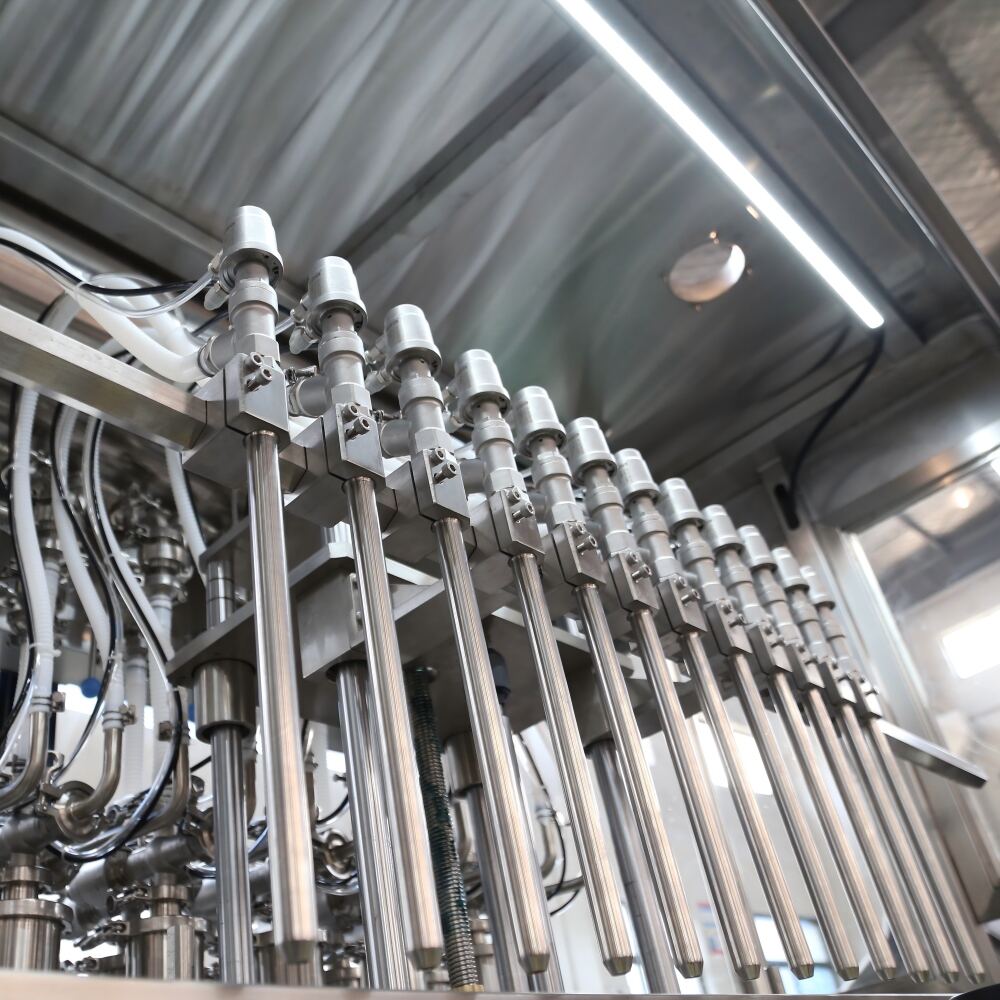
Manufacturing efficiency has become the cornerstone of competitive advantage in today's industrial landscape, where precision and speed determine market success. The integration of advanced automation technologies has transformed production lines across various industries, particularly in liquid packaging operations. Among these innovations, the linear type filling machine stands out as a revolutionary solution that addresses both accuracy and throughput challenges simultaneously. This sophisticated equipment represents a significant leap forward from traditional filling methods, offering manufacturers unprecedented control over their production processes while maintaining consistent quality standards.
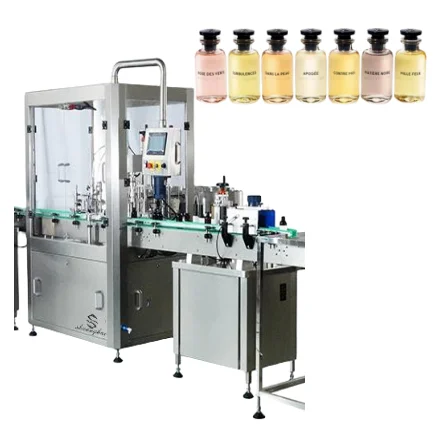
The evolution of filling technology has been driven by increasing demands for higher production volumes without compromising product integrity. Modern manufacturing facilities require equipment that can adapt to varying production requirements while delivering consistent results across different product specifications. Linear filling systems have emerged as the preferred choice for operations that prioritize both precision and scalability, offering a perfect balance between technological advancement and practical functionality.
Understanding Linear Filling Technology Fundamentals
Core Operating Principles
Linear filling technology operates on the principle of sequential container processing, where products move through the filling station in a straight-line configuration. This design eliminates the complexities associated with rotary systems while providing enhanced control over each filling operation. The linear type filling machine utilizes precision-engineered components that work in perfect synchronization to deliver accurate fill volumes consistently. The system's architecture allows for real-time monitoring and adjustment capabilities, ensuring optimal performance throughout extended production runs.
The technological foundation of these machines relies on advanced servo motor control systems that provide precise positioning and timing coordination. Each filling head operates independently while maintaining perfect synchronization with the overall system timing. This configuration enables manufacturers to achieve fill accuracies within extremely tight tolerances, often reaching precision levels of plus or minus 0.1% deviation from target volumes. The sophisticated control algorithms continuously monitor and adjust parameters to compensate for variables such as product viscosity, temperature fluctuations, and container variations.
System Architecture and Design
The mechanical design of linear filling systems incorporates modular components that facilitate easy maintenance and configuration changes. The frame construction typically features heavy-duty stainless steel materials that provide exceptional stability while meeting stringent hygiene requirements. The conveyor system integrates seamlessly with the filling mechanism, utilizing precision timing belts and guided rails to ensure smooth product flow throughout the process. Advanced sensor networks monitor container positioning and detect any anomalies that could affect filling accuracy or system safety.
Integration capabilities represent another crucial aspect of modern linear filling machine design, allowing seamless connectivity with upstream and downstream equipment. The control systems feature standardized communication protocols that enable real-time data exchange with production management systems. This connectivity facilitates comprehensive production monitoring and enables predictive maintenance strategies that minimize unplanned downtime. The user interface incorporates intuitive touchscreen controls that simplify operation while providing access to detailed performance analytics and diagnostic information.
Accuracy Enhancement Mechanisms
Precision Flow Control Systems
The accuracy advantages of linear type filling machine technology stem from sophisticated flow control mechanisms that regulate product delivery with exceptional precision. These systems employ multiple measurement technologies, including volumetric, gravimetric, and flow meter-based controls, depending on specific application requirements. The volumetric approach utilizes precision-machined cylinders and pistons that deliver exact product volumes through carefully controlled displacement cycles. This method proves particularly effective for products with consistent viscosity characteristics and provides excellent repeatability across extended production runs.
Gravimetric control systems represent the pinnacle of filling accuracy, utilizing high-resolution load cells to measure actual product weight during the filling process. This technology automatically compensates for product density variations and environmental factors that could affect fill accuracy. The system continuously monitors fill weights and makes real-time adjustments to maintain target specifications within extremely tight tolerances. Advanced algorithms analyze filling patterns and automatically optimize parameters to ensure consistent performance across different product formulations and container types.
Quality Assurance Integration
Modern linear filling systems incorporate comprehensive quality assurance features that monitor and verify fill accuracy throughout the production process. In-line check weighing systems provide immediate feedback on fill weights, enabling automatic rejection of containers that fall outside specified tolerances. Statistical process control capabilities track performance trends and alert operators to potential issues before they impact product quality. These integrated quality systems maintain detailed production records that support regulatory compliance requirements and facilitate continuous improvement initiatives.
The implementation of vision inspection technology further enhances quality assurance capabilities by verifying proper container positioning and detecting foreign materials or contamination. Advanced camera systems can identify fill level inconsistencies and trigger corrective actions automatically. Machine learning algorithms analyze inspection data to improve detection accuracy and reduce false rejection rates over time. These comprehensive quality measures ensure that only products meeting exact specifications proceed through the packaging line, maintaining brand integrity and customer satisfaction.
Output Optimization Strategies
Speed and Efficiency Maximization
Linear type filling machine systems excel in output optimization through intelligent automation and streamlined process flows. The sequential processing approach eliminates bottlenecks commonly associated with rotary systems, particularly during product changeovers and maintenance operations. Quick-change components enable rapid transitions between different product specifications without extended downtime periods. The modular design allows for easy scaling by adding additional filling heads to meet increased production demands without complete system replacement.
Servo-driven technology provides exceptional speed control capabilities while maintaining filling accuracy standards. The system can automatically adjust processing speeds based on product characteristics and container requirements, optimizing throughput for each specific application. Advanced motion control algorithms coordinate all system movements to minimize cycle times while ensuring gentle product handling. These optimizations result in significant productivity improvements compared to traditional filling methods, often achieving output increases of 20-30% while maintaining superior quality standards.
Flexible Production Capabilities
The versatility of linear filling systems enables manufacturers to handle diverse product portfolios efficiently within a single production line. Recipe management capabilities store optimal parameters for different products, enabling quick changeovers with minimal operator intervention. The system automatically adjusts fill volumes, speeds, and other critical parameters based on selected product recipes, ensuring consistent performance across all manufactured items. This flexibility proves particularly valuable for companies producing multiple product lines or seasonal variations that require frequent production changes.
Container handling versatility represents another significant advantage, with systems capable of accommodating various shapes, sizes, and materials without extensive mechanical modifications. Adjustable guides and positioning systems adapt automatically to different container specifications, reducing changeover complexity and time requirements. The ability to handle both rigid and flexible containers within the same system provides manufacturers with exceptional operational flexibility while maintaining high-speed production capabilities.
Technology Integration and Automation
Industry 4.0 Connectivity
Modern linear type filling machine systems embrace Industry 4.0 principles through comprehensive connectivity and data analytics capabilities. IoT integration enables remote monitoring and diagnostics, allowing technical support teams to assess system performance and provide assistance without physical site visits. Cloud-based data storage facilitates long-term performance analysis and benchmarking across multiple production facilities. These technological advances enable predictive maintenance strategies that minimize unplanned downtime and optimize overall equipment effectiveness.
Real-time production monitoring provides managers with detailed insights into system performance, efficiency metrics, and quality trends. Dashboard interfaces display key performance indicators and alert operators to potential issues before they impact production. Data analytics capabilities identify optimization opportunities and track improvement initiatives over time. This comprehensive information enables data-driven decision making that continuously enhances operational performance and profitability.
Advanced Control Systems
The control architecture of contemporary linear filling systems incorporates artificial intelligence and machine learning capabilities that continuously optimize performance parameters. These intelligent systems analyze production data patterns and automatically adjust operating parameters to maintain optimal performance under varying conditions. Self-diagnostic capabilities identify potential component wear or calibration drift before they affect product quality or system reliability. Predictive algorithms recommend maintenance schedules and component replacements based on actual usage patterns rather than arbitrary time intervals.
Human-machine interface design prioritizes operator efficiency and safety while providing comprehensive system control capabilities. Touchscreen interfaces feature intuitive navigation and contextual help systems that reduce training requirements and minimize operator errors. Multi-language support accommodates diverse workforce requirements, while role-based access controls ensure appropriate security levels for different operational functions. Emergency stop systems and safety interlocks provide comprehensive protection for both operators and equipment during all operational phases.
Economic Benefits and Return on Investment
Operational Cost Reduction
The implementation of linear filling technology delivers substantial operational cost reductions through multiple efficiency improvements and waste elimination strategies. Precise fill control minimizes product giveaway, which represents a significant cost saving for high-value products. Reduced rejection rates and rework requirements lower material costs while improving overall production efficiency. Energy-efficient design features, including variable frequency drives and optimized pneumatic systems, reduce utility consumption compared to traditional filling equipment. These operational improvements typically generate payback periods of 12-18 months for most applications.
Labor cost optimization results from automation capabilities that reduce operator requirements while improving safety conditions. The systems require minimal manual intervention during normal operations, allowing personnel to focus on higher-value activities such as quality monitoring and process improvement. Automated changeover procedures reduce setup times and eliminate specialized skill requirements for routine product transitions. Comprehensive training programs ensure operators can maximize system capabilities while maintaining safe working conditions throughout all operational phases.
Quality and Compliance Advantages
Linear type filling machine technology provides significant advantages in meeting regulatory compliance requirements and quality standards across various industries. Automated documentation systems maintain detailed production records that support audit requirements and traceability protocols. Validation capabilities demonstrate consistent performance and process control, which proves essential for regulated industries such as pharmaceuticals and food production. These quality assurance features reduce compliance costs while minimizing regulatory risks associated with product recalls or quality issues.
Brand protection benefits result from consistent product quality and appearance that enhance customer satisfaction and loyalty. Precise fill control ensures uniform product presentation while eliminating customer complaints related to short-filling or overfilling issues. Reduced contamination risks through hygienic design features protect product integrity and extend shelf life. These quality improvements support premium pricing strategies and enhance market competitiveness in quality-sensitive market segments.
FAQ
What factors determine the accuracy levels achievable with linear filling systems
The accuracy of linear type filling machine systems depends on several critical factors including the measurement technology employed, product characteristics, and environmental conditions. Gravimetric systems typically achieve the highest accuracy levels, often within 0.1% of target weights, while volumetric systems provide excellent precision for consistent viscosity products. Product temperature, viscosity, and foaming characteristics significantly influence achievable accuracy levels. Environmental factors such as vibration, temperature fluctuations, and air pressure changes can also impact precision. Regular calibration and maintenance ensure optimal accuracy performance throughout the equipment lifecycle.
How does linear technology compare to rotary filling systems in terms of output capability
Linear filling systems offer distinct advantages over rotary configurations, particularly for medium-volume applications and facilities requiring frequent product changeovers. While rotary systems may achieve higher absolute speeds for single-product runs, linear systems provide superior flexibility and faster changeover capabilities. The sequential processing approach eliminates complex timing requirements associated with rotary systems, resulting in more consistent performance across different product types. Maintenance accessibility and component replacement procedures are typically simpler with linear configurations, reducing downtime and associated costs.
What maintenance requirements are necessary to ensure optimal performance
Proper maintenance of linear filling systems involves regular cleaning protocols, calibration verification, and component inspection procedures. Daily cleaning routines ensure hygienic conditions and prevent product contamination, while weekly calibration checks maintain accuracy standards. Monthly inspections of wear components, seals, and electrical connections identify potential issues before they affect performance. Annual comprehensive maintenance includes detailed component analysis, software updates, and performance optimization procedures. Predictive maintenance technologies increasingly enable condition-based servicing that optimizes maintenance timing and reduces unnecessary interventions.
Can linear filling machines handle multiple product types effectively
Modern linear type filling machine systems excel in multi-product applications through advanced recipe management and quick-changeover capabilities. Recipe storage systems maintain optimal parameters for different products, enabling automatic adjustments during product transitions. Container handling versatility accommodates various shapes and sizes without extensive mechanical modifications. Cleaning and sanitization procedures can be automated to ensure proper hygiene between product changes. This flexibility makes linear systems particularly suitable for facilities producing diverse product portfolios or seasonal variations requiring frequent production adjustments.
Table of Contents
- Understanding Linear Filling Technology Fundamentals
- Accuracy Enhancement Mechanisms
- Output Optimization Strategies
- Technology Integration and Automation
- Economic Benefits and Return on Investment
-
FAQ
- What factors determine the accuracy levels achievable with linear filling systems
- How does linear technology compare to rotary filling systems in terms of output capability
- What maintenance requirements are necessary to ensure optimal performance
- Can linear filling machines handle multiple product types effectively