
 EN
EN

A viscous material filling machine operates through specialized engineering principles designed specifically to handle thick, dense, and challenging products that conventional filling systems cannot process effectively. Understanding how these sophisticated machines manage viscous materials requires examining their unique pumping mechanisms, pressure control systems, and product flow management technologies that ensure accurate dispensing of high-density liquids, creams, gels, and paste-like substances.
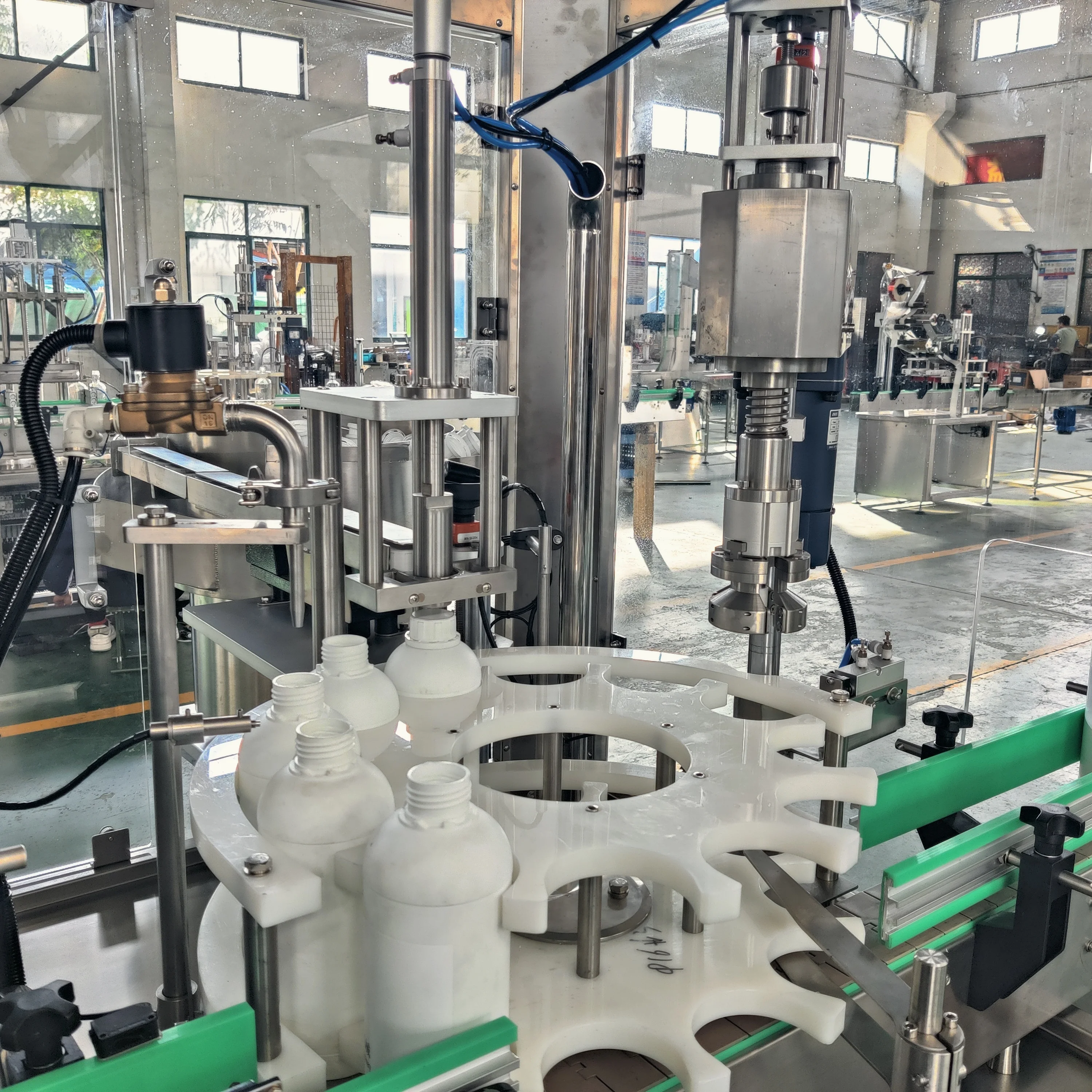
The fundamental challenge of processing thick products lies in overcoming fluid resistance and maintaining consistent flow rates despite varying product viscosities. A properly designed viscous material filling machine addresses these challenges through multiple integrated systems that work together to deliver precise, reliable, and contamination-free filling operations across diverse industrial applications.
Specialized Pumping Systems for High Viscosity Materials
Positive Displacement Pump Technology
The core of any effective viscous material filling machine relies on positive displacement pumps that create consistent pressure regardless of product thickness. These pumps generate predetermined volumes of product movement through mechanical action rather than relying on gravity or centrifugal force, which proves inadequate for viscous substances. Piston pumps, gear pumps, and progressive cavity pumps represent the most common positive displacement technologies used in viscous material filling machines.
Piston-driven systems within a viscous material filling machine create precise volumetric control by drawing product into a chamber during the intake stroke and expelling it during the discharge stroke. The mechanical advantage of piston systems allows operators to process extremely thick materials including honey, adhesives, cosmetic creams, and pharmaceutical compounds with consistent accuracy. The chamber design accommodates products with viscosities ranging from hundreds to thousands of centipoise.
Gear Pump Integration
Gear pumps offer continuous flow capabilities for viscous material filling machine applications where smooth, uninterrupted dispensing is critical. Two precisely machined gears rotate within a tight-tolerance housing, creating sealed chambers that transport product from inlet to outlet. This design eliminates pulsation and provides steady pressure delivery, making gear pumps ideal for viscous materials that require consistent flow patterns.
The self-priming characteristics of gear pumps enable viscous material filling machines to handle products with air entrapment or foam formation without losing suction capability. Material compatibility becomes crucial, as gear pumps must resist chemical attack from aggressive formulations while maintaining dimensional stability under pressure. Stainless steel construction and specialized coatings ensure long-term performance with diverse viscous products.
Pressure Control and Flow Management Systems
Variable Pressure Regulation
Effective viscous material filling machine operation requires sophisticated pressure control systems that adapt to varying product characteristics and filling requirements. Pneumatic pressure regulators provide precise control over dispensing force, allowing operators to adjust system pressure based on product viscosity, container size, and desired fill speed. Digital pressure controllers offer real-time monitoring and automatic adjustment capabilities.
The pressure control system in a viscous material filling machine must compensate for viscosity changes caused by temperature fluctuations, ingredient settling, or batch-to-batch variations. Advanced machines incorporate feedback sensors that monitor actual flow rates and automatically adjust pressure to maintain consistent fill volumes. This closed-loop control prevents overfilling or underfilling that commonly occurs with manual pressure adjustment.
Flow Rate Optimization
Managing flow rates for thick products requires understanding the relationship between pressure, viscosity, and container geometry. A viscous material filling machine optimizes flow patterns to prevent air entrapment, minimize foam formation, and ensure complete container filling without spillage. Controlled flow rates also reduce product waste and improve overall filling accuracy.
Variable speed drives allow viscous material filling machine operators to adjust pump speeds according to specific product requirements. Slower speeds accommodate extremely thick products that require gentle handling, while moderate speeds maintain production efficiency for less viscous materials. The ability to program multiple speed profiles enables one machine to handle diverse product lines without manual adjustments.
Heating and Temperature Management Features
Product Temperature Control
Many viscous materials exhibit temperature-dependent flow characteristics, making thermal management essential for consistent viscous material filling machine performance. Heated product hoppers, temperature-controlled supply lines, and warming jackets around filling nozzles maintain optimal product temperatures throughout the filling process. Precise temperature control reduces viscosity to manageable levels while preserving product integrity.
Temperature control systems in viscous material filling machines include multiple heating zones that can be independently regulated based on product requirements. Chocolate, wax, adhesives, and certain pharmaceutical formulations require specific temperature ranges to maintain proper flow characteristics. Digital temperature controllers with PID logic ensure stable heating without overheating sensitive materials.
Thermal Uniformity and Heat Distribution
Uniform heat distribution prevents localized overheating that could degrade product quality or create flow inconsistencies. A well-designed viscous material filling machine incorporates circulation systems that promote thermal uniformity throughout the product supply system. Heat exchangers and thermal circulation pumps maintain consistent temperatures from storage tanks to filling nozzles.
Insulation systems reduce energy consumption and maintain stable temperatures during extended production runs. The thermal design of a viscous material filling machine must consider heat loss through exposed surfaces, ambient temperature variations, and thermal mass effects that influence heating and cooling cycles. Proper thermal management improves filling accuracy and reduces energy costs.
Nozzle Design and Product Delivery Systems
Specialized Filling Nozzle Configuration
The filling nozzle represents the critical interface between a viscous material filling machine and the container being filled. Nozzle design must accommodate thick product flow while preventing dripping, stringing, or contamination. Larger internal diameters reduce flow restriction, while specialized tip geometries promote clean product release and minimize waste.
Anti-drip mechanisms within viscous material filling machine nozzles prevent product loss and maintain sanitary conditions. Positive shut-off valves create clean product cutoff, while nozzle heating elements maintain optimal product temperature at the point of discharge. Some nozzles incorporate suction features that draw excess product back into the system after filling completion.
Container Positioning and Filling Accuracy
Precise container positioning ensures accurate filling and prevents spillage when working with thick products. A viscous material filling machine typically includes adjustable container guides, pneumatic lifting systems, and sensors that verify proper container placement before filling begins. This positioning accuracy becomes critical when filling containers with narrow openings or specific fill level requirements.
Fill level detection systems monitor actual product levels during filling operations, providing feedback for process control and quality assurance. Weight-based filling systems offer the highest accuracy for viscous materials, while level sensors provide visual confirmation of proper filling. The integration of these systems within a viscous material filling machine ensures consistent results across diverse product lines and container types.
FAQ
What viscosity range can a viscous material filling machine typically handle?
A professional viscous material filling machine can typically handle products ranging from 100 centipoise up to 100,000 centipoise or higher, depending on the specific pump technology and system configuration. This range covers everything from thick sauces and syrups to heavy creams, adhesives, and paste-like materials. The key is matching the pump type and pressure system to the specific viscosity requirements of your product.
How does temperature affect the performance of a viscous material filling machine?
Temperature significantly impacts viscous material filling machine performance because most thick products become more fluid when heated. Proper temperature control can reduce product viscosity by 50-90%, making filling faster and more accurate. The machine's heating system must maintain consistent temperatures throughout the product path to ensure uniform flow characteristics and prevent quality issues.
Can a viscous material filling machine handle products with particles or chunks?
Yes, properly designed viscous material filling machines can handle products containing particles, chunks, or suspended solids. The key considerations are pump selection, nozzle diameter, and system pressure capabilities. Gentle pumping action prevents particle damage, while larger nozzle openings accommodate chunks without clogging. The maximum particle size depends on the specific machine configuration and nozzle design.
What maintenance is required for a viscous material filling machine?
Regular maintenance for a viscous material filling machine includes daily cleaning of product contact surfaces, weekly lubrication of moving parts, and periodic replacement of seals and gaskets. The heating systems require regular inspection and calibration, while pump components may need rebuilding based on operating hours and product abrasiveness. Following manufacturer maintenance schedules ensures reliable operation and prevents costly downtime.
Table of Contents
- Specialized Pumping Systems for High Viscosity Materials
- Pressure Control and Flow Management Systems
- Heating and Temperature Management Features
- Nozzle Design and Product Delivery Systems
-
FAQ
- What viscosity range can a viscous material filling machine typically handle?
- How does temperature affect the performance of a viscous material filling machine?
- Can a viscous material filling machine handle products with particles or chunks?
- What maintenance is required for a viscous material filling machine?