
 EN
EN
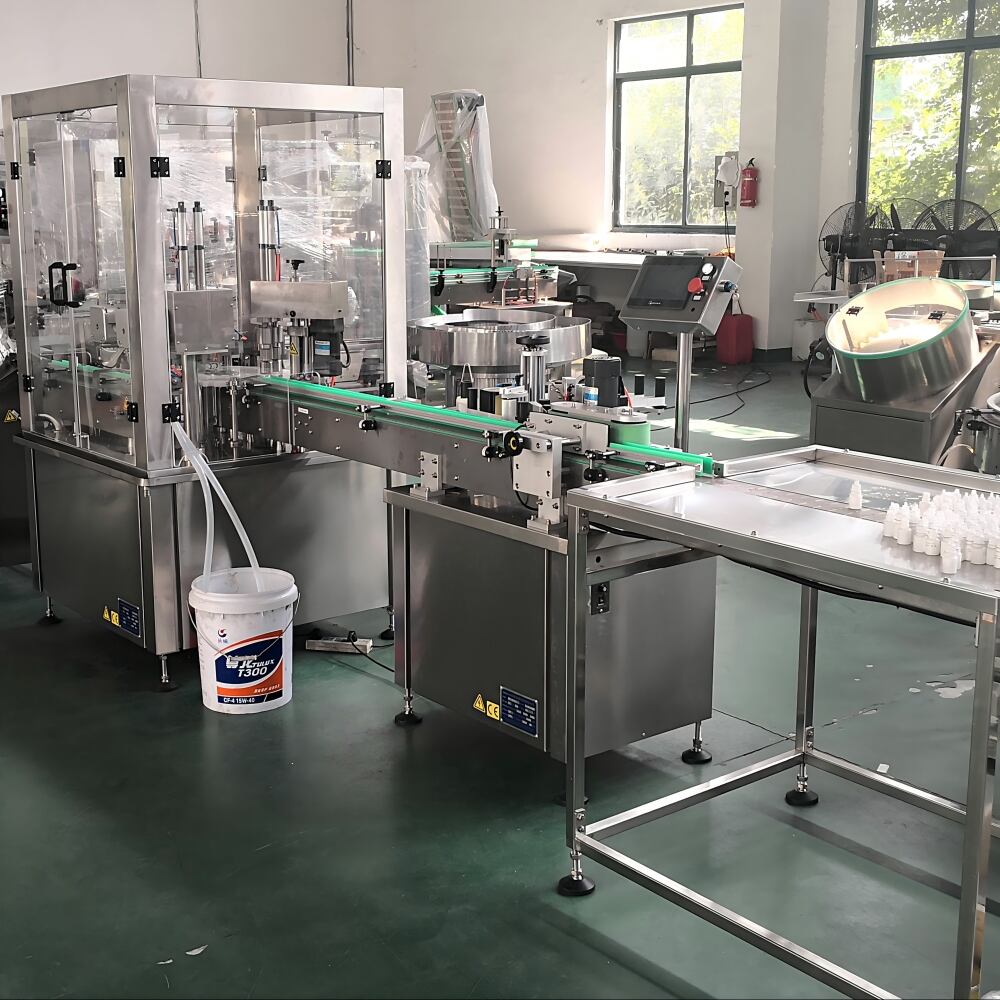
Modern manufacturing facilities handling thick liquids, pastes, and viscous materials face unique operational challenges that standard filling equipment cannot address effectively. The efficiency of viscous material filling operations directly impacts production throughput, product quality, and operational costs, making the selection of advanced features in filling machinery a critical business decision. Understanding which specific features drive measurable improvements in efficiency helps manufacturers optimize their filling processes while maintaining consistent product quality and reducing waste.
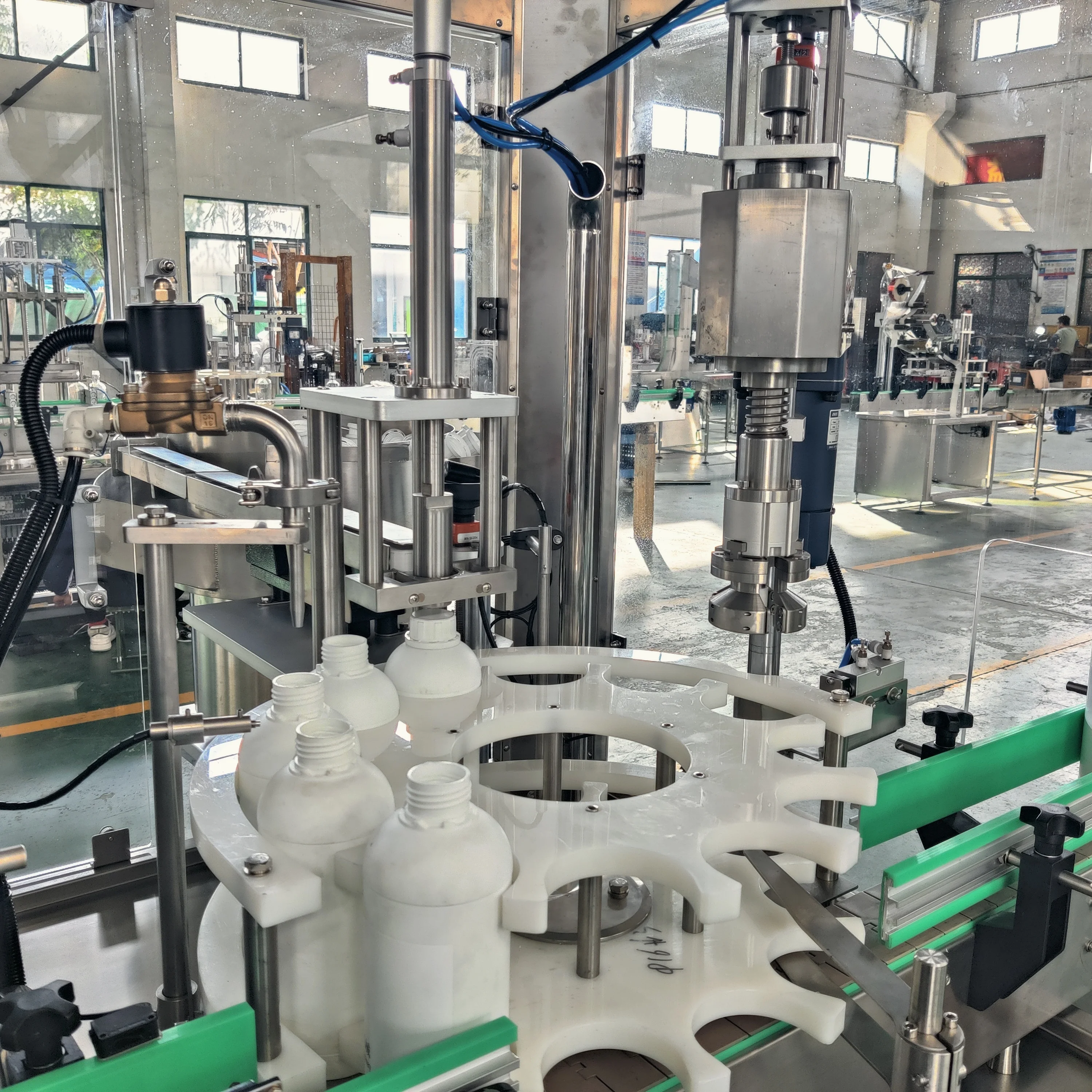
The evolution of viscous material filling technology has introduced sophisticated features that address the inherent challenges of handling high-viscosity products, including precise volume control, consistent flow rates, and minimal product waste. These efficiency-enhancing features transform traditional filling bottlenecks into streamlined operations that deliver consistent results across varying product viscosities and container specifications. The strategic implementation of these advanced features enables manufacturers to achieve higher output rates while maintaining the precision and reliability required for quality viscous product filling applications.
Advanced Volumetric Control Systems
Precision Dosing Mechanisms
The foundation of efficient viscous material filling lies in advanced volumetric control systems that ensure consistent product dosing regardless of material viscosity fluctuations. Modern viscous material filling machine designs incorporate servo-driven piston systems that provide exceptional accuracy in volume dispensing, typically achieving precision levels within 0.5% deviation. These precision dosing mechanisms utilize feedback control loops that continuously monitor and adjust filling parameters in real-time, compensating for viscosity variations caused by temperature changes or product composition differences.
The implementation of multi-stage filling algorithms allows these systems to optimize filling speed while maintaining accuracy, employing fast-fill phases for the majority of the volume followed by precision topping-off phases. This dual-speed approach significantly reduces cycle times compared to single-speed filling methods, while the continuous monitoring capabilities ensure that each container receives the exact predetermined volume. The precision dosing mechanisms also incorporate anti-drip features that prevent material waste and maintain clean filling environments, contributing to overall operational efficiency.
Adaptive Flow Rate Management
Sophisticated flow rate management systems represent a crucial efficiency feature that automatically adjusts pumping speed and pressure based on real-time viscosity measurements and container filling requirements. These adaptive systems utilize advanced sensors to monitor material flow characteristics and automatically modify operational parameters to maintain optimal filling speeds. The viscous material filling machine equipped with adaptive flow management can handle products ranging from moderately thick creams to extremely viscous pastes without manual intervention or equipment changeovers.
The integration of programmable logic controllers enables these systems to store and recall optimal filling parameters for different product formulations, eliminating setup time between production runs. This feature proves particularly valuable in facilities handling multiple viscous products, as operators can switch between different filling profiles with minimal downtime. The adaptive nature of these systems also compensates for environmental factors such as ambient temperature variations that affect product viscosity, maintaining consistent filling performance throughout extended production periods.
Enhanced Material Handling Capabilities
Positive Displacement Pump Technology
The implementation of positive displacement pump technology represents a fundamental efficiency improvement in viscous material handling, providing consistent volumetric output independent of system pressure variations or material viscosity changes. These pump systems generate the necessary pressure to move thick materials through filling lines while maintaining precise flow control, eliminating the inconsistencies associated with centrifugal or gravity-fed systems. Modern positive displacement pumps in viscous material filling machine applications feature variable speed drives that allow operators to fine-tune pumping rates for different product viscosities and container sizes.
The robust construction of positive displacement pumps handles abrasive or particulate-laden viscous materials without degradation in performance, reducing maintenance requirements and extending equipment lifespan. These pump systems also provide superior suction capabilities, enabling efficient material transfer from storage containers or bulk systems without air entrainment or cavitation issues that can compromise product quality. The consistent pressure delivery ensures uniform filling rates across multiple filling stations, maintaining production synchronization and optimizing overall throughput.
Anti-Drip and Clean-Cut Features
Advanced anti-drip mechanisms and clean-cut features significantly enhance filling efficiency by minimizing product waste and reducing cleaning requirements between production runs. These systems employ pneumatic or servo-controlled valve actuators that provide instantaneous shut-off capabilities, preventing material dripping and ensuring clean container exteriors. The precision timing of these shut-off mechanisms coordinates with container movement systems to eliminate product spillage and maintain sanitary filling conditions.
The implementation of heated nozzle systems for temperature-sensitive viscous materials prevents product cooling and thickening at dispensing points, maintaining consistent flow characteristics throughout the filling process. These temperature-controlled components work in conjunction with clean-cut features to ensure complete material evacuation from filling nozzles, maximizing product yield and minimizing waste. The combination of anti-drip technology and clean-cut capabilities reduces post-filling cleanup requirements, allowing for faster changeovers between different product formulations and maintaining high operational efficiency.
Automated Process Integration
Intelligent Container Handling Systems
Modern viscous material filling operations benefit significantly from intelligent container handling systems that coordinate container positioning, filling timing, and post-fill processing with exceptional precision. These automated systems utilize servo-controlled conveyor systems and pneumatic positioning devices to ensure perfect alignment between containers and filling nozzles, eliminating positioning errors that can cause spillage or incomplete fills. The integration of vision systems and proximity sensors enables real-time container detection and size verification, automatically adjusting filling parameters for different container specifications.
The sophisticated control algorithms governing these container handling systems optimize material flow timing to minimize air entrapment and foam generation, particularly important considerations for viscous materials prone to aeration during filling. The automated positioning systems also incorporate gentle handling features that prevent container deformation under clamping forces, maintaining container integrity while ensuring secure positioning during the filling process. This level of automation eliminates manual handling errors and maintains consistent filling quality across high-volume production runs.
Real-Time Monitoring and Adjustment
The integration of real-time monitoring systems provides continuous oversight of critical filling parameters, enabling immediate adjustments to maintain optimal efficiency throughout production operations. These monitoring systems track fill volumes, flow rates, temperature conditions, and system pressures, providing operators with comprehensive visibility into viscous material filling machine performance. Advanced data logging capabilities capture historical performance data that enables predictive maintenance scheduling and process optimization based on empirical evidence rather than arbitrary maintenance intervals.
The implementation of automated adjustment protocols allows these systems to respond instantly to parameter deviations, maintaining consistent filling performance without operator intervention. Statistical process control features alert operators to trending conditions that may indicate impending equipment issues or product quality concerns, enabling proactive responses that prevent production disruptions. The real-time feedback capabilities also support continuous improvement initiatives by providing detailed performance analytics that identify opportunities for further efficiency enhancements.
Temperature and Viscosity Management
Thermal Conditioning Systems
Effective thermal conditioning systems play a crucial role in maintaining optimal viscosity characteristics throughout the filling process, ensuring consistent material flow and filling accuracy. These systems incorporate precise temperature control mechanisms that maintain product temperature within narrow specifications, preventing viscosity variations that can compromise filling efficiency. The implementation of jacketed product lines and temperature-controlled storage vessels ensures uniform material properties from bulk storage through final dispensing.
Advanced thermal conditioning features include pre-heating systems for temperature-sensitive materials and cooling circuits for products that require lower temperatures during filling operations. The viscous material filling machine equipped with comprehensive thermal management maintains consistent material properties regardless of ambient temperature fluctuations, enabling reliable operation across varying environmental conditions. These thermal conditioning capabilities also reduce energy consumption by maintaining optimal material temperatures rather than continuously heating or cooling products during the filling process.
Viscosity Compensation Algorithms
Sophisticated viscosity compensation algorithms automatically adjust filling parameters based on real-time material property measurements, ensuring consistent fill accuracy across products with varying viscosity characteristics. These algorithms utilize input from inline viscosity sensors and temperature measurements to calculate optimal pump speeds, valve timing, and pressure settings for each specific material condition. The implementation of these compensation systems eliminates the need for manual adjustments when switching between different product formulations or when environmental conditions affect material properties.
The predictive capabilities of viscosity compensation algorithms enable proactive parameter adjustments based on historical performance data and trending analysis, optimizing filling efficiency before viscosity variations can impact production quality. These systems also incorporate learning algorithms that continuously refine compensation parameters based on actual filling results, improving accuracy over time through machine learning principles. The automated nature of these compensation systems reduces operator skill requirements while maintaining superior filling consistency compared to manual adjustment methods.
Maintenance and Reliability Features
Self-Diagnostic Capabilities
Modern efficiency-focused viscous material filling machine designs incorporate comprehensive self-diagnostic capabilities that continuously monitor system health and performance parameters to prevent unexpected downtime. These diagnostic systems utilize embedded sensors throughout critical components to track wear patterns, performance degradation, and operational anomalies that indicate impending maintenance needs. The predictive maintenance alerts generated by these systems enable scheduled maintenance activities during planned downtime periods rather than responding to unexpected equipment failures.
The integration of remote monitoring capabilities allows maintenance personnel and equipment suppliers to access diagnostic information remotely, enabling rapid troubleshooting and technical support without on-site visits. These self-diagnostic features also maintain detailed maintenance logs and performance histories that support warranty claims and equipment lifecycle management decisions. The proactive nature of these diagnostic systems significantly reduces maintenance costs while maximizing equipment availability for production operations.
Modular Component Design
The implementation of modular component design principles enhances maintenance efficiency by enabling rapid replacement of wear components and system upgrades without extensive equipment disassembly. These modular systems feature quick-disconnect fittings, standardized mounting interfaces, and plug-and-play electrical connections that minimize maintenance time and reduce the skill level required for component replacement. The modular approach also enables cost-effective system upgrades as new technologies become available, protecting equipment investments while maintaining competitive capabilities.
Modular design principles extend to software components as well, allowing operators to upgrade control algorithms and user interfaces independently of hardware modifications. This flexibility enables continuous improvement in filling efficiency through software updates that optimize existing hardware capabilities. The standardized interfaces inherent in modular design also reduce spare parts inventory requirements and simplify training for maintenance personnel working across multiple equipment installations.
FAQ
What viscosity range can modern viscous material filling machines handle efficiently?
Modern viscous material filling machines can efficiently handle materials ranging from 100 cP to over 50,000 cP, with specialized systems capable of processing even higher viscosity products. The key to efficient handling across this wide range lies in adaptive pump systems, variable speed drives, and thermal conditioning capabilities that automatically adjust operational parameters based on material properties. Most advanced systems can switch between different viscosity ranges without mechanical modifications, using software-controlled parameter adjustments to maintain optimal filling performance.
How do temperature control features impact filling efficiency for viscous materials?
Temperature control features significantly impact filling efficiency by maintaining consistent material viscosity throughout the filling process, preventing flow rate variations that can cause filling inaccuracies or production delays. Proper temperature management can improve filling speeds by 30-50% for temperature-sensitive materials while reducing product waste and maintaining consistent fill weights. Heated product lines and temperature-controlled nozzles prevent material cooling and thickening during transport, ensuring smooth flow and complete evacuation of filling components.
What maintenance features contribute most to long-term filling efficiency?
Self-diagnostic capabilities and modular component design contribute most significantly to long-term filling efficiency by minimizing unplanned downtime and reducing maintenance complexity. Predictive maintenance alerts enable scheduled maintenance during planned production breaks, while modular components allow rapid replacement of wear parts without extended equipment disassembly. Quick-disconnect fittings and tool-free component access reduce maintenance time by 60-70% compared to traditional designs, maximizing productive operating time.
How do automated control systems improve viscous material filling consistency?
Automated control systems improve filling consistency by eliminating human error in parameter adjustments and providing real-time compensation for material property variations. These systems continuously monitor fill weights, flow rates, and material properties, making instantaneous adjustments to maintain target specifications within ±0.5% accuracy. The integration of statistical process control and automated feedback loops ensures consistent performance across extended production runs, reducing product variation and waste while maintaining high throughput rates.
Table of Contents
- Advanced Volumetric Control Systems
- Enhanced Material Handling Capabilities
- Automated Process Integration
- Temperature and Viscosity Management
- Maintenance and Reliability Features
-
FAQ
- What viscosity range can modern viscous material filling machines handle efficiently?
- How do temperature control features impact filling efficiency for viscous materials?
- What maintenance features contribute most to long-term filling efficiency?
- How do automated control systems improve viscous material filling consistency?