
 EN
EN
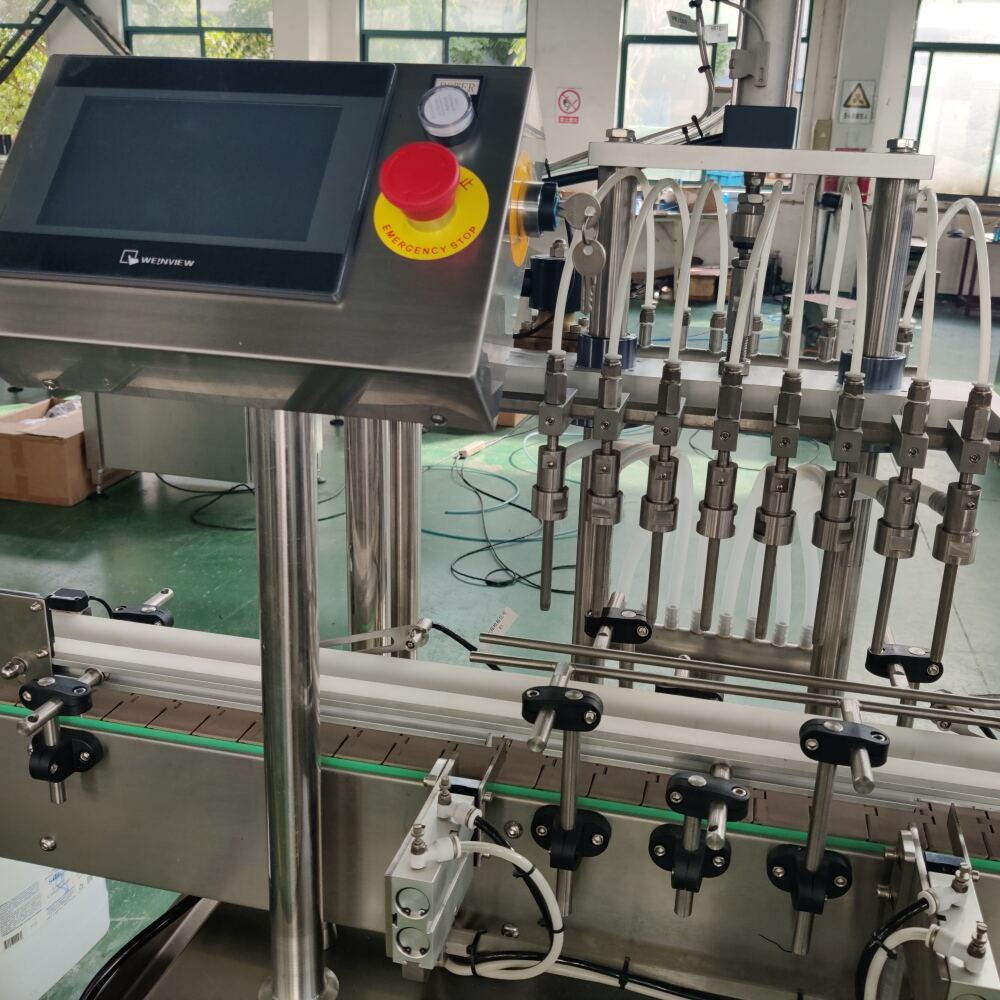
Achieving consistent output with viscous material filling operations requires precise understanding of fluid dynamics, equipment calibration, and systematic process control. Industries ranging from food production to pharmaceuticals rely on viscous material filling machine technology to maintain uniform product quality while maximizing throughput efficiency. The challenge lies in managing variable viscosity behavior, temperature fluctuations, and mechanical precision to deliver repeatable filling volumes across extended production runs.
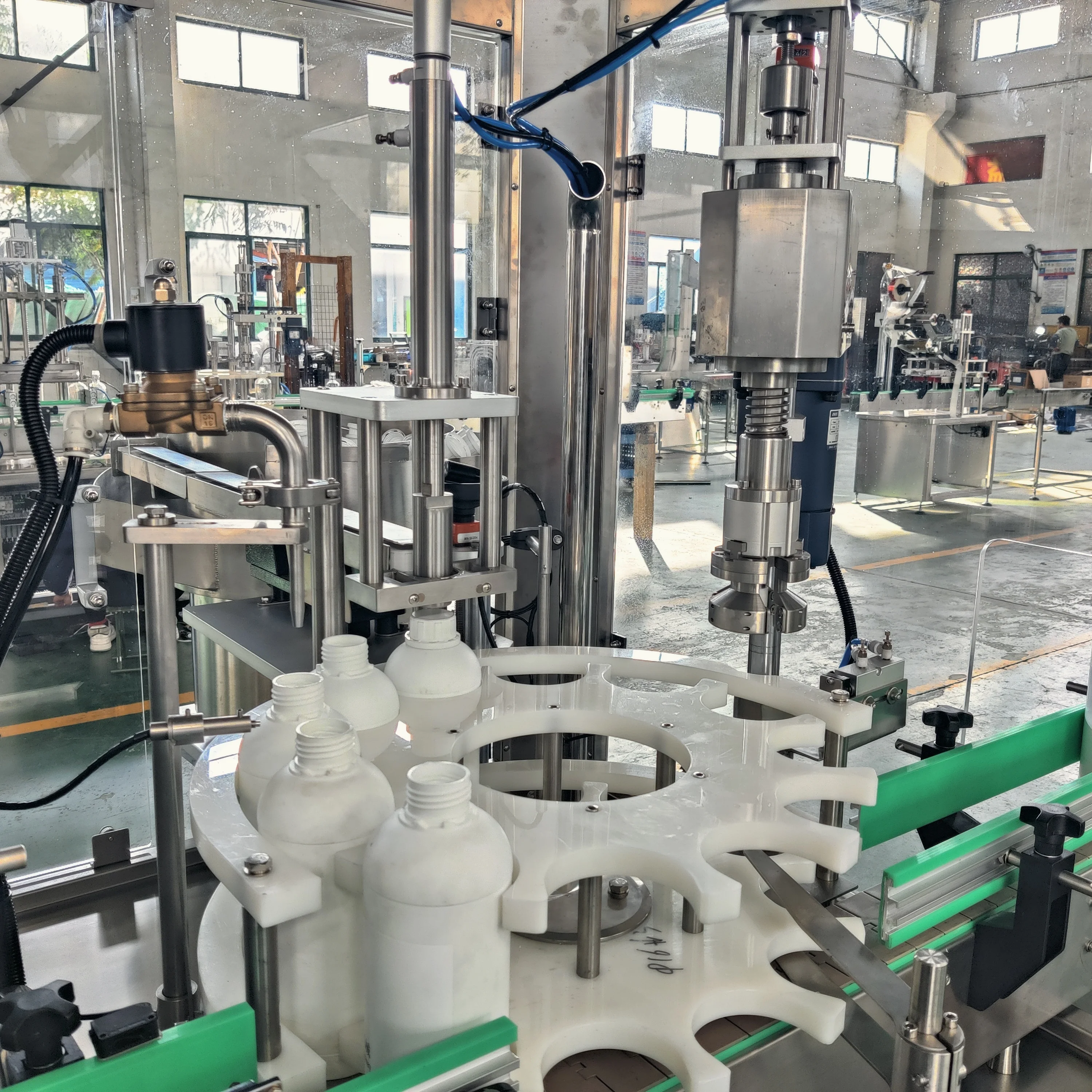
Modern production environments demand filling accuracy within narrow tolerance ranges, particularly when handling thick sauces, adhesives, creams, or concentrated liquids. Inconsistent output not only leads to product waste and customer complaints but also creates regulatory compliance issues in controlled industries. Understanding the mechanical principles, environmental factors, and operational techniques that influence filling consistency enables manufacturers to optimize their viscous material filling machine performance and achieve sustainable production goals.
Understanding Viscous Material Flow Dynamics
Rheological Properties and Flow Behavior
Viscous materials exhibit complex flow characteristics that directly impact filling consistency in automated systems. Shear-thinning fluids become less viscous under mechanical stress, while shear-thickening materials increase viscosity when agitated. A well-configured viscous material filling machine accounts for these rheological variations through adjustable pump speeds and controlled pressure applications. Temperature dependency further complicates flow prediction, as most viscous substances show significant viscosity changes with thermal fluctuations.
Understanding the specific rheological profile of your target material enables precise calibration of filling parameters. Newtonian fluids maintain constant viscosity regardless of applied stress, making them more predictable for automated filling operations. Non-Newtonian materials require careful monitoring of shear rates and residence times within the viscous material filling machine to prevent degradation or unwanted chemical reactions during the filling process.
Material Temperature Control Systems
Temperature stability represents a critical factor in maintaining consistent viscosity throughout the filling cycle. Most viscous material filling machine designs incorporate heating or cooling systems to maintain optimal material temperatures during processing. Thermal jacketing around product tanks and transfer lines prevents unwanted viscosity changes that could compromise filling accuracy. Advanced systems feature continuous temperature monitoring with automatic adjustment capabilities.
Preheating viscous materials to specified temperatures reduces internal friction and enables smoother flow through pumping mechanisms. However, excessive heating can alter chemical composition or create unwanted phase changes in temperature-sensitive formulations. The key lies in establishing precise temperature control protocols that balance flow optimization with product integrity preservation throughout the viscous material filling machine operation.
Machine Calibration and Setup Procedures
Pump Configuration and Pressure Management
Proper pump selection and calibration form the foundation of consistent filling performance in any viscous material filling machine system. Positive displacement pumps provide superior accuracy for thick materials compared to centrifugal alternatives, offering predictable volume delivery regardless of back pressure variations. Gear pumps, piston pumps, and progressive cavity pumps each offer distinct advantages depending on material characteristics and required precision levels.
Pressure regulation throughout the filling circuit prevents inconsistent flow rates that lead to volume variations. Excessive pressure can cause material degradation or container deformation, while insufficient pressure results in incomplete fills and air entrapment. Modern viscous material filling machine designs feature programmable pressure controls that adjust automatically based on container size and material viscosity measurements.
Nozzle Design and Flow Control
Fill nozzle configuration significantly impacts the consistency and accuracy of viscous material dispensing operations. Anti-drip nozzles prevent material loss between fill cycles while maintaining clean container exteriors. Heated nozzles maintain material flow characteristics for temperature-sensitive products, reducing the risk of clogging or inconsistent discharge patterns. The internal diameter and length of nozzle assemblies must match the flow requirements of specific viscous materials.
Variable flow control mechanisms enable fine-tuning of discharge rates throughout the filling cycle. Initial slow-flow stages allow accurate positioning and prevent splashing, while accelerated flow phases maximize throughput efficiency. Final precision dosing ensures exact volume delivery regardless of minor viscosity variations. A properly configured viscous material filling machine incorporates multiple flow control stages to optimize both accuracy and production speed.
Process Control and Monitoring Systems
Automated Feedback Mechanisms
Real-time monitoring systems provide continuous feedback on filling performance, enabling immediate corrections when deviations occur. Weight-based feedback systems measure actual fill volumes and automatically adjust subsequent cycles to maintain target specifications. Vision systems detect fill level variations and trigger corrective actions before defective products reach downstream processes. These automated controls reduce human intervention requirements while improving overall consistency.
Advanced viscous material filling machine systems integrate multiple sensor technologies to monitor pressure, temperature, flow rate, and container positioning simultaneously. Statistical process control algorithms analyze filling data trends and predict potential issues before they impact product quality. Alarm systems alert operators to conditions requiring manual intervention, such as material supply disruptions or mechanical component failures.
Quality Assurance Protocols
Systematic quality control procedures ensure consistent output throughout extended production runs. Regular calibration checks verify pump accuracy and nozzle performance using standardized test materials. Container inspection protocols identify defects that could affect filling accuracy, such as dimensional variations or internal obstructions. Documentation systems track filling performance metrics and maintain traceability records for regulatory compliance.
Preventive maintenance schedules minimize unexpected downtime and maintain optimal viscous material filling machine performance. Seal replacement, pump calibration, and cleaning procedures follow manufacturer specifications to preserve equipment accuracy. Operator training programs ensure consistent setup procedures and proper response to process variations, reducing human error factors that contribute to filling inconsistencies.
Environmental Factors and Optimization
Production Environment Control
Environmental conditions significantly influence viscous material behavior and filling consistency. Ambient temperature fluctuations affect material viscosity even when internal heating systems maintain target temperatures. Humidity variations can impact container dimensions and material properties, particularly for hygroscopic formulations. Controlling production environment conditions minimizes external variables that could compromise viscous material filling machine performance.
Vibration isolation prevents mechanical disturbances that could affect filling accuracy during sensitive dosing operations. Dust control systems protect sensitive components from contamination that could cause irregular flow patterns or equipment wear. Air filtration systems maintain clean environments required for pharmaceutical and food applications, preventing contamination issues that could necessitate production line shutdowns.
Material Storage and Handling
Proper material storage and handling procedures maintain consistent viscosity characteristics before filling operations begin. Storage temperature control prevents unwanted phase changes or viscosity alterations that could impact filling accuracy. Agitation systems prevent settling or separation in multi-component formulations, ensuring uniform material properties throughout production runs. Material transfer systems minimize exposure to contamination and maintain temperature stability.
Inventory rotation protocols ensure materials remain within specified shelf-life parameters and maintain consistent flow properties. Batch testing procedures verify material specifications before introduction to the viscous material filling machine system. Material filtration removes contaminants that could cause pump wear or nozzle blockages, maintaining system reliability and filling consistency.
FAQ
What factors most commonly cause inconsistent filling with viscous materials?
Temperature fluctuations represent the primary cause of inconsistent filling with viscous materials, as even minor thermal changes significantly alter flow characteristics. Inadequate pump calibration, worn seals, and contaminated materials also contribute to volume variations. Air entrapment in the filling system creates unpredictable flow patterns that compromise accuracy.
How often should a viscous material filling machine be recalibrated?
Recalibration frequency depends on production volume and material characteristics, but monthly calibration checks provide a good baseline for most operations. High-volume production lines or abrasive materials may require weekly verification, while low-volume specialty applications might extend intervals to quarterly. Always recalibrate after changing materials or performing maintenance on pumping components.
Can one machine handle multiple viscosity ranges effectively?
Modern viscous material filling machine systems can accommodate moderate viscosity ranges through programmable controls and adjustable pumping mechanisms. However, extreme viscosity differences typically require dedicated equipment or significant changeover procedures. The key is selecting machines with sufficient adjustment range for your specific material portfolio while maintaining accuracy requirements.
What maintenance practices are essential for consistent performance?
Regular seal replacement prevents internal leakage that causes volume variations, while pump calibration verification maintains accuracy standards. Daily cleaning procedures prevent material buildup that could affect flow patterns. Preventive component replacement based on manufacturer schedules minimizes unexpected failures that disrupt production consistency and filling accuracy.