
 EN
EN
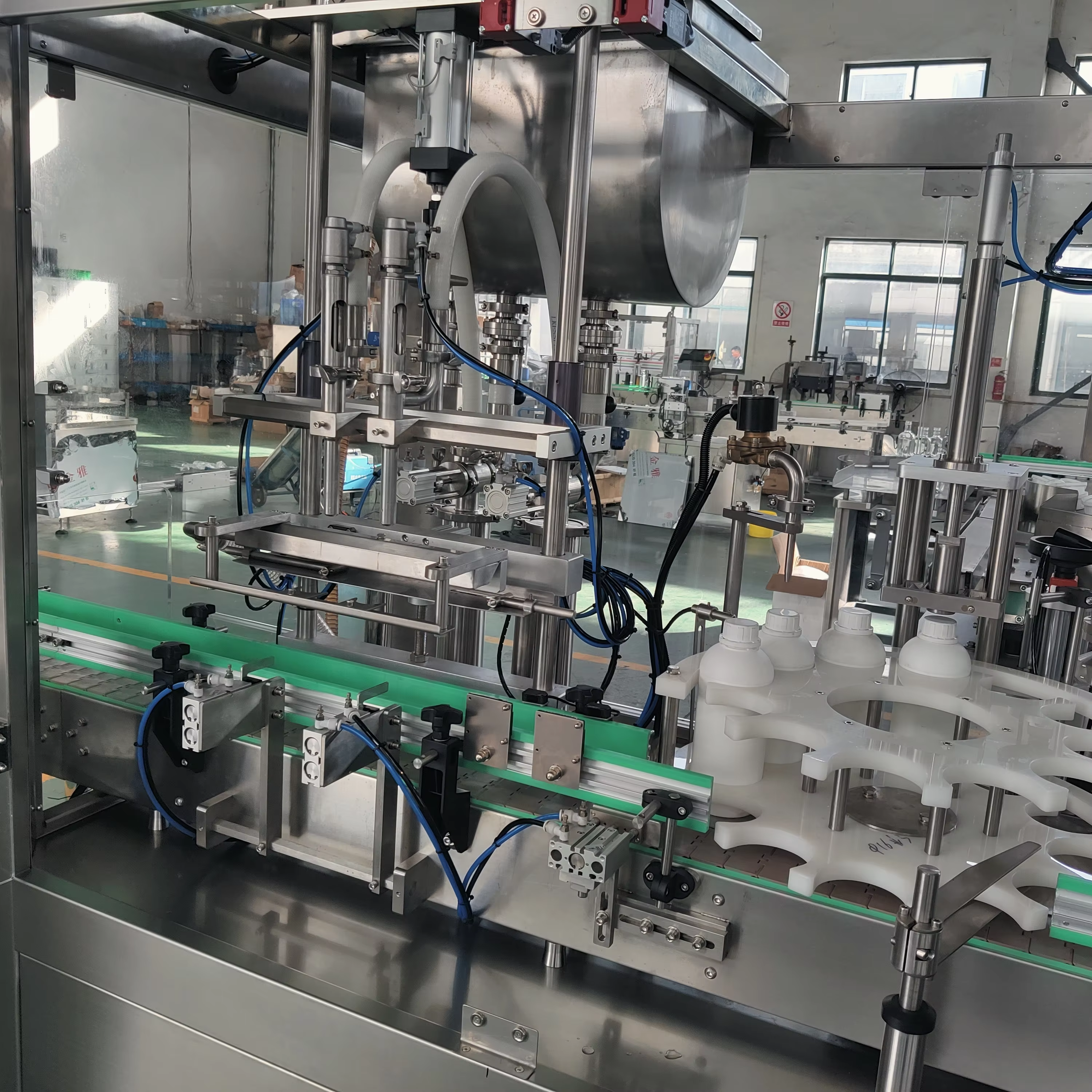
In modern manufacturing, output volume alone no longer defines performance. Producers are judged by fill accuracy, hygiene consistency, packaging speed, labor efficiency, and how quickly they can adapt to changing SKU requirements. This is where a fully automatic liquid filling line becomes a strategic production asset rather than just a machine purchase. For facilities handling beverages, food ingredients, chemicals, personal care fluids, or high-viscosity formulations, automation in filling and capping directly influences margin, compliance, and customer trust.
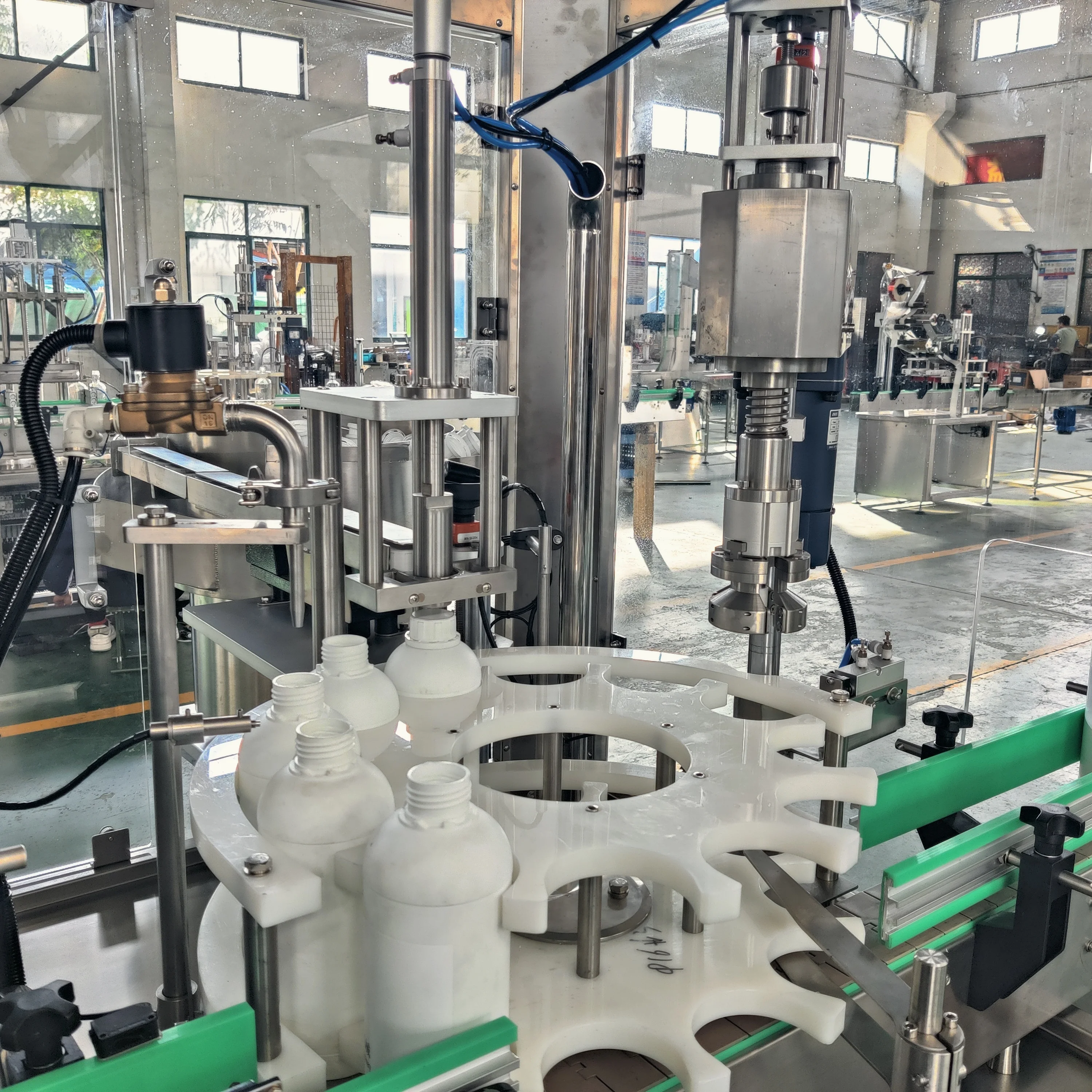
The key benefits of a fully automatic liquid filling line are most visible when production teams compare daily operational realities before and after implementation. Reduced giveaway, fewer stoppages, lower manual handling, and better process control create measurable gains across the plant. Understanding these benefits in practical terms helps decision-makers evaluate not just equipment capability, but long-term production resilience and business value.
Operational Efficiency Gains Across the Entire Line
Higher Throughput with Stable Cycle Performance
A fully automatic liquid filling line is designed to run repeatable cycles with minimal variation between bottles, shifts, and operators. Automated bottle indexing, synchronized filling heads, and integrated capping reduce the idle time that often slows semi-automatic setups. As a result, facilities can sustain higher line speed without creating downstream bottlenecks in labeling or packing.
Unlike manual or partially automated systems, a fully automatic liquid filling line maintains pacing through sensor-based coordination. This consistency matters in high-mix production where frequent starts and stops usually erode output. With stable cycle control, teams can plan production batches with more confidence and improve schedule adherence.
Reduced Downtime from Process Standardization
One key benefit of a fully automatic liquid filling line is that it standardizes routine operations that are often vulnerable to human variation. Repeated manual interventions, inconsistent container placement, and irregular capping force all contribute to micro-stoppages. Automation removes many of these disruption points and keeps the line in productive mode longer.
Because the fully automatic liquid filling line uses defined control logic for start, fill, cap, and transfer phases, troubleshooting becomes clearer and faster. Maintenance staff can isolate faults by module rather than searching through loosely connected manual steps. Over time, this improves mean time to recovery and supports stronger overall equipment effectiveness.
Precision, Quality Control, and Product Consistency
Accurate Filling That Protects Margin and Compliance
Fill precision is one of the most direct financial benefits of a fully automatic liquid filling line. Overfilling creates cumulative product giveaway, while underfilling can trigger quality complaints and compliance risk. Automated metering control keeps fill volumes within tighter tolerances, helping plants protect both profitability and brand reliability in regulated packaging environments.
For viscous liquids and concentrated formulas, precision can be difficult when fill rates and flow behavior change with temperature or batch characteristics. A fully automatic liquid filling line supports controlled dosing profiles that reduce inconsistency across production runs. This makes quality outcomes more predictable and easier to document.
Reliable Capping and Seal Integrity
Filling performance cannot be separated from closure quality. A fully automatic liquid filling line that includes coordinated capping ensures torque application remains consistent bottle after bottle. This lowers leakage rates during transport and reduces rejection at inspection points, especially for products with strict packaging standards.
Seal integrity also affects shelf life and customer perception. When the fully automatic liquid filling line maintains stable cap placement and tightening force, manufacturers face fewer returns linked to loose caps, drips, or tamper concerns. The benefit is not only technical quality but also stronger downstream reliability in warehousing and distribution.
Labor Optimization and Workplace Safety Benefits
Lower Manual Workload and Better Role Allocation
A major reason companies adopt a fully automatic liquid filling line is to reduce repetitive manual tasks that consume labor hours without adding strategic value. Instead of allocating multiple workers to fill monitoring, bottle positioning, and cap handling, teams can redeploy staff to quality assurance, line supervision, and preventive maintenance support.
This shift improves labor productivity at the system level. The fully automatic liquid filling line does not remove the need for skilled people; it changes where their skills create impact. Plants gain more from trained operators analyzing line data and optimizing changeovers than from repetitive handling tasks at fixed stations.
Safer Handling of Liquids and Reduced Ergonomic Strain
Manual filling environments can expose workers to spills, slip hazards, and repetitive motion stress. A fully automatic liquid filling line minimizes direct contact with liquid product and reduces frequent lifting or awkward movements near conveyors. This contributes to a safer, more controlled packaging area.
From an operational risk perspective, fewer manual interventions also mean fewer accidental disruptions during active production. When the fully automatic liquid filling line handles transfer, dosing, and capping within guarded mechanisms, plants can strengthen both safety compliance and process continuity without sacrificing throughput.
Scalability, Flexibility, and Long-Term Production Value
Faster Changeovers for Multi-SKU Manufacturing
Production lines increasingly manage diverse bottle sizes, viscosities, and order profiles. A fully automatic liquid filling line supports this environment with adjustable parameters and repeatable setup recipes. Faster changeovers reduce non-productive transition time and help facilities respond quickly to shifting demand.
This flexibility is especially valuable when production plans include short runs and frequent product switches. With a fully automatic liquid filling line, line settings can be standardized across shifts, reducing dependence on individual operator memory. The result is greater planning agility and fewer startup losses after each conversion.
Better Data Visibility for Continuous Improvement
Another key benefit of a fully automatic liquid filling line is improved process visibility. Automated systems make it easier to capture cycle time, stoppage frequency, reject rates, and output trends. These data points support targeted improvement actions rather than broad assumptions about where losses occur.
When manufacturers connect performance monitoring to maintenance and quality routines, the fully automatic liquid filling line becomes a platform for ongoing optimization. Instead of treating filling as a standalone step, teams can manage it as an integrated control point that supports cost discipline, customer consistency, and scalable growth.
FAQ
What production volume justifies moving to a fully automatic liquid filling line?
The threshold depends on current bottlenecks, labor constraints, and quality targets, not only daily unit count. Many facilities justify a fully automatic liquid filling line when recurring overtime, fill variance, or manual error begins to affect cost and delivery performance. Even mid-scale operations can see strong return when product giveaway and downtime are persistent issues.
Can a fully automatic liquid filling line handle high-viscosity liquids effectively?
Yes, provided the system configuration matches viscosity behavior, container type, and required fill speed. A properly specified fully automatic liquid filling line can maintain stable dosing and capping for thicker formulations through controlled filling mechanics and synchronized line movement. Matching pump and nozzle design to product characteristics is critical for consistent results.
How does a fully automatic liquid filling line improve quality audits?
A fully automatic liquid filling line supports repeatable parameters, traceable operating logic, and reduced human variability, all of which simplify audit readiness. Consistent fill control and closure performance reduce deviations that often trigger corrective actions. Documentation and process stability together create a stronger quality posture in regulated or contract manufacturing environments.
Is a fully automatic liquid filling line only useful for large factories?
No. While high-volume plants gain major throughput advantages, smaller and growing producers also benefit from labor efficiency, consistency, and cleaner process control. A fully automatic liquid filling line can be a growth enabler by establishing scalable packaging standards early, helping operations expand without repeating manual-process limitations.
Table of Contents
- Operational Efficiency Gains Across the Entire Line
- Precision, Quality Control, and Product Consistency
- Labor Optimization and Workplace Safety Benefits
- Scalability, Flexibility, and Long-Term Production Value
-
FAQ
- What production volume justifies moving to a fully automatic liquid filling line?
- Can a fully automatic liquid filling line handle high-viscosity liquids effectively?
- How does a fully automatic liquid filling line improve quality audits?
- Is a fully automatic liquid filling line only useful for large factories?