
 EN
EN
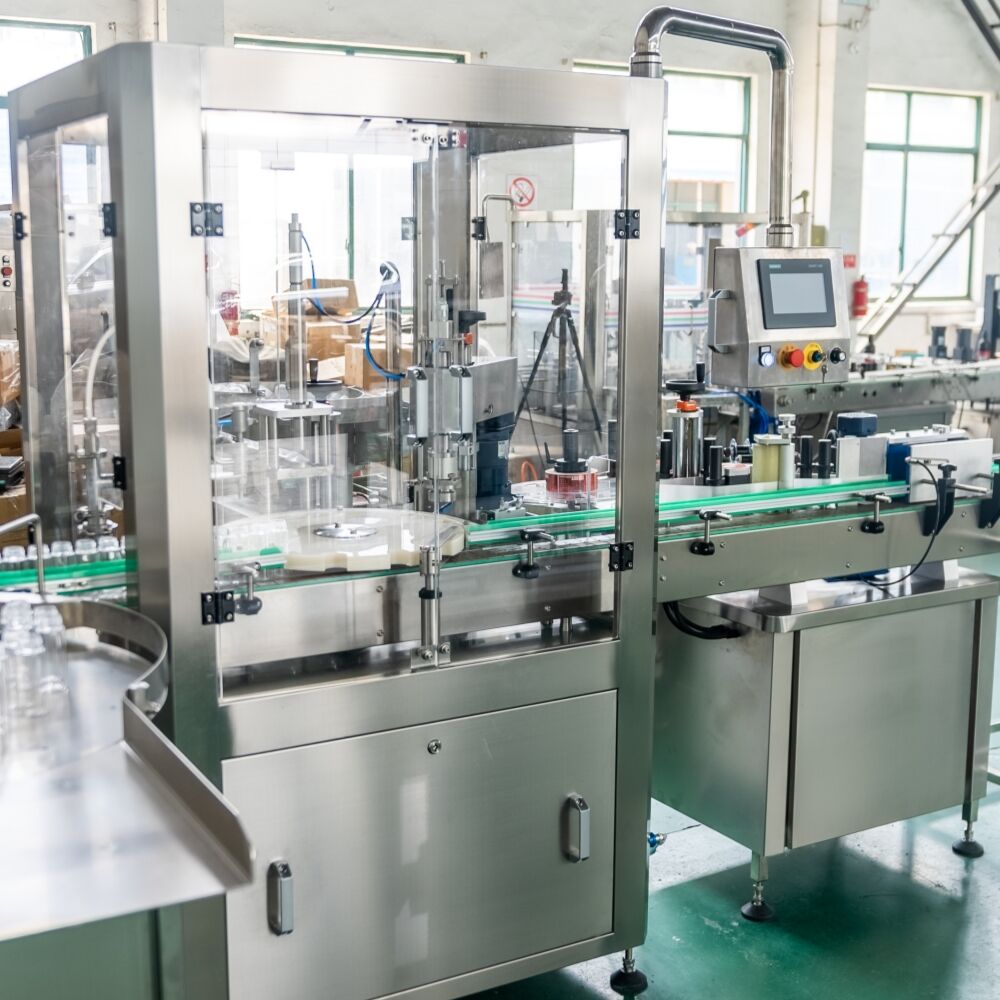
Essential Guidelines for Filling Machine Selection in Modern Manufacturing
The decision to invest in a filling machine represents a significant milestone for any manufacturing or packaging operation. Whether you're scaling up production, automating manual processes, or replacing outdated equipment, selecting the right filling machine can dramatically impact your operational efficiency and bottom line. Understanding the key factors that influence this investment decision is crucial for making an informed choice that aligns with your business objectives.
In today's competitive manufacturing landscape, a filling machine serves as more than just equipment—it's a strategic asset that can determine your production capabilities, product quality, and market competitiveness. The technology has evolved significantly, offering various solutions from simple volumetric fillers to sophisticated automated systems capable of handling multiple product types.
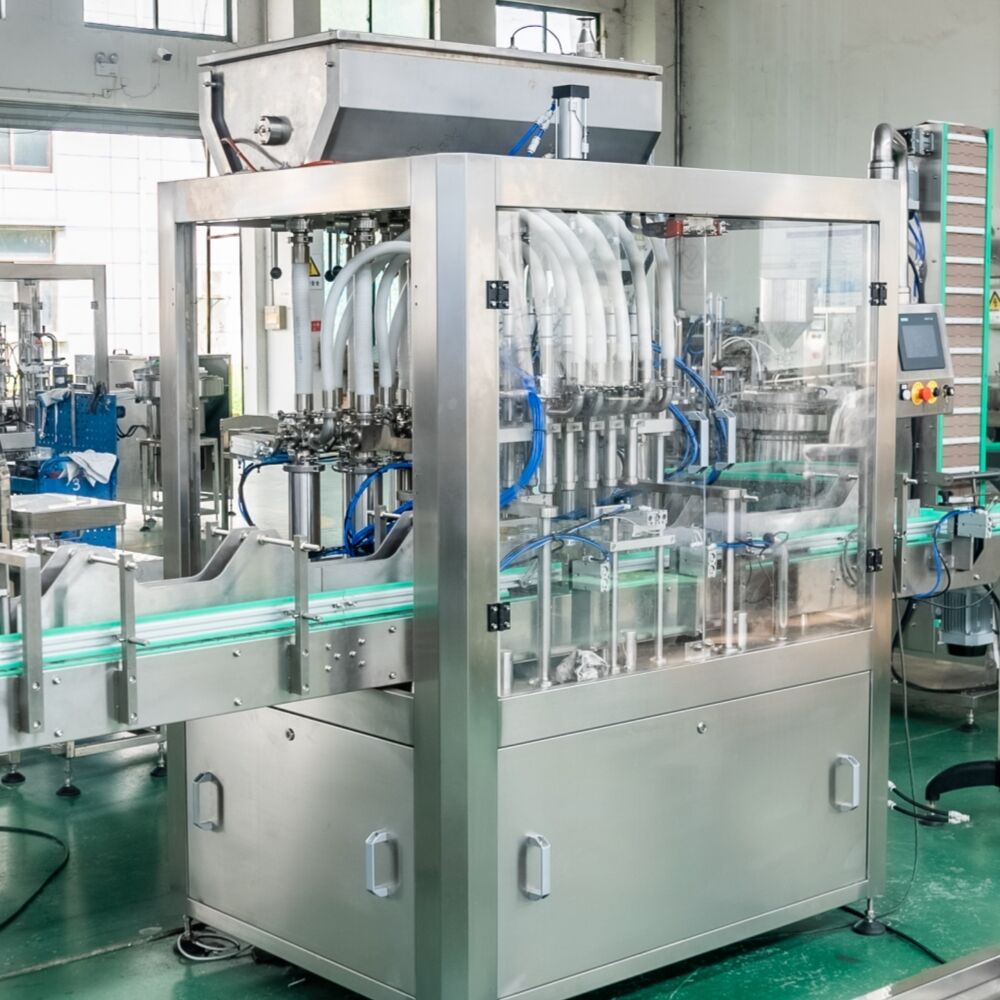
Technical Specifications and Performance Requirements
Production Capacity and Speed Considerations
When evaluating a filling machine, production capacity should be your primary consideration. The equipment's output rate must align with your current production needs while allowing room for future growth. Consider not just your immediate requirements but project your needs for the next 3-5 years. A filling machine that operates at 60-70% capacity during normal production provides the flexibility to handle peak seasons and business expansion.
Speed capabilities must be balanced against accuracy and product characteristics. Higher speeds might seem attractive, but they must not compromise filling precision or product integrity. Modern filling machines offer various speed settings and can be calibrated to optimize performance based on specific product requirements.
Product Compatibility and Viscosity Range
Different products demand different filling technologies. Your filling machine must be compatible with your product's viscosity, temperature requirements, and chemical properties. Consider whether you need a machine that can handle multiple product types or one specialized for specific applications. Some filling machines offer adjustable settings to accommodate various viscosities, while others are designed for particular product ranges.
The interaction between your product and the filling machine's components is crucial. Materials used in construction must resist corrosion and maintain product integrity. Premium filling machines often feature specialized coatings or materials designed for specific product types.
Operational Efficiency and Integration Capabilities
Automation and Control Systems
Modern filling machines come with varying levels of automation, from basic PLC controls to sophisticated systems with touch-screen interfaces and remote monitoring capabilities. The level of automation should match your operational requirements and staff expertise. Advanced control systems can provide detailed production data, maintenance alerts, and quality control parameters.
Integration with existing production lines is another critical factor. Your filling machine should seamlessly connect with upstream and downstream equipment. Consider whether the machine's control system can communicate with your current manufacturing execution system (MES) or enterprise resource planning (ERP) software.
Cleaning and Maintenance Requirements
Regular cleaning and maintenance are essential for any filling machine. Evaluate the equipment's clean-in-place (CIP) capabilities and the accessibility of components requiring regular maintenance. Some machines offer automated cleaning cycles, while others may require manual cleaning. The time and resources needed for these activities directly impact operational efficiency.
Maintenance schedules and spare parts availability should be thoroughly understood before purchase. Leading filling machine manufacturers provide comprehensive maintenance documentation and readily available replacement parts. Consider the manufacturer's service network and response time for technical support.
Cost Considerations and Return on Investment
Initial Investment and Operating Costs
The total cost of ownership extends beyond the initial purchase price. Consider energy consumption, maintenance costs, spare parts, and operator training. Some filling machines may have a higher upfront cost but offer lower operating expenses over time. Energy-efficient models might command a premium but can deliver significant savings in the long run.
Labor requirements and operator training costs should be factored into the investment decision. More automated systems typically require fewer operators but may need more skilled maintenance personnel. Calculate the potential labor savings and training requirements when evaluating different options.
Long-term Value and Scalability
A filling machine should be viewed as a long-term investment. Consider the equipment's expected lifespan and its ability to adapt to changing production requirements. Some machines offer modular designs that allow for future upgrades or modifications, providing greater flexibility as your business evolves.
Evaluate the manufacturer's track record and financial stability. A well-established manufacturer is more likely to provide ongoing support and continue developing improvements for their equipment. This can protect your investment and ensure access to future technological advances.
Compliance and Quality Assurance Features
Regulatory Requirements and Standards
Different industries have specific regulatory requirements for filling operations. Ensure the filling machine meets all applicable standards for your industry, including FDA, GMP, or other relevant certifications. Documentation capabilities for compliance reporting should be evaluated, particularly for regulated industries.
Quality control features such as weight checking, fill-level verification, and contamination detection should be considered. Modern filling machines often incorporate advanced sensors and monitoring systems to maintain consistent product quality and provide detailed production records.
Safety Features and Operator Protection
Operator safety should never be compromised. Evaluate the machine's safety features, including emergency stops, guard systems, and protective enclosures. The equipment should comply with all relevant safety standards and regulations while remaining accessible for operation and maintenance.
Consider ergonomic factors that affect operator comfort and efficiency. Control panel placement, loading height, and maintenance access points should be designed to minimize operator strain and maximize productivity.
Frequently Asked Questions
How long does it typically take to install and commission a new filling machine?
Installation and commissioning time varies depending on the complexity of the machine and your existing infrastructure. Simple filling machines might be operational within a few days, while complex integrated systems could take several weeks. This period includes installation, calibration, testing, and operator training.
What are the most common maintenance issues with filling machines?
Common maintenance concerns include wear on filling nozzles, pump maintenance, seal replacement, and calibration drift. Regular preventive maintenance, proper cleaning procedures, and operator training can minimize these issues and extend equipment life.
How can I ensure the filling machine will maintain accuracy over time?
Regular calibration, proper maintenance, and quality control checks are essential for maintaining accuracy. Modern filling machines often include self-diagnostic features and automatic calibration systems. Implementing a regular maintenance schedule and keeping detailed records of performance metrics helps identify and address any accuracy drift early.