
 EN
EN
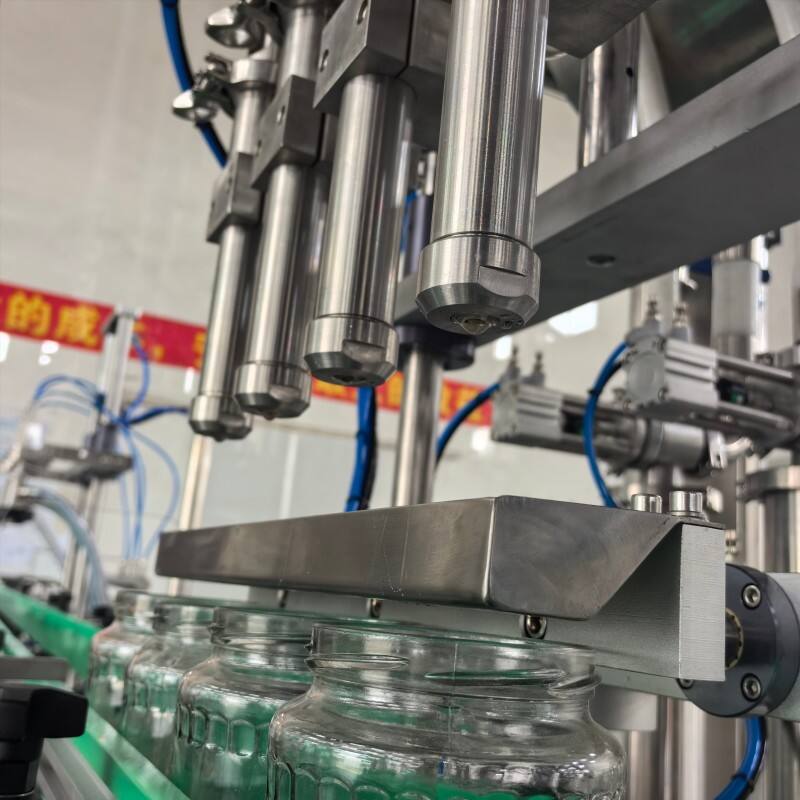
Kapalinový plnící stroj je navržen s důrazem na univerzálnost jako na základní princip, což výrobcům umožňuje zpracovávat širokou škálu kapalných produktů v různých odvětvích. Schopnost zpracovávat různé typy kapalin závisí na konstrukčních specifikacích stroje, jeho plnícím mechanismu a nastavitelných parametrech, které umožňují přizpůsobení se různým viskozitám, chemickým vlastnostem a charakteristikám proudění.
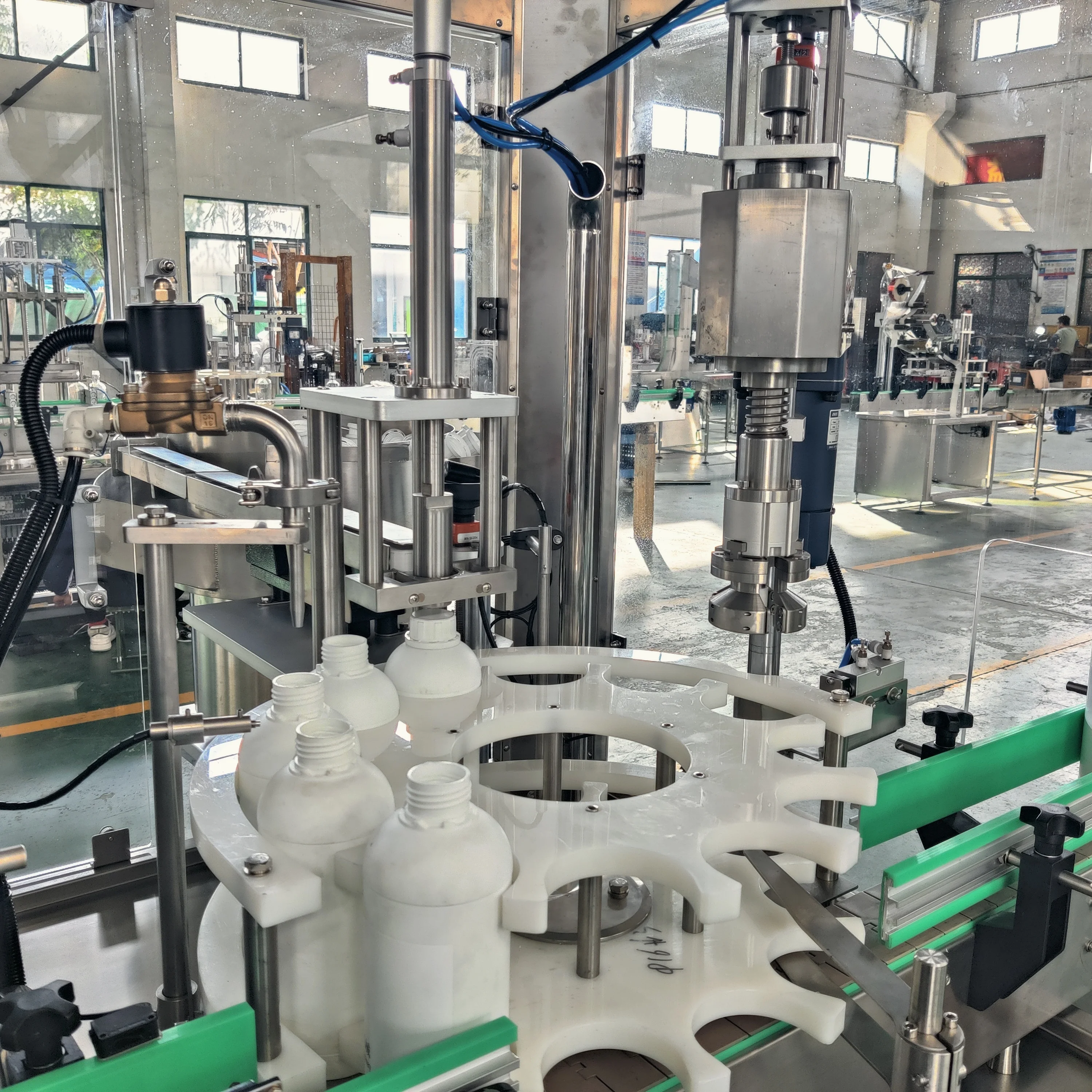
Moderní průmyslové kapalinové plnící stroje jsou konstruovány tak, aby se přizpůsobily rozmanitým kapalinovým formulacím – od tenkých vodných roztoků po silně viskózní produkty – a proto jsou nezbytným zařízením pro potravinářské a nápojové, farmaceutické, kosmetické a chemické výrobní provozy. Pochopení technických možností i omezení těchto systémů pomáhá výrobcům učinit informovaná rozhodnutí ohledně výběru zařízení a optimalizace výroby.
Technické mechanismy umožňující kompatibilitu s více kapalinami
Nastavitelné systémy plnění a řízení toku
Základní konstrukce stroje pro plnění kapalin zahrnuje nastavitelné mechanismy řízení toku, které lze kalibrovat pro různé vlastnosti kapalin. Tyto systémy využívají čerpadla s proměnnou rychlostí, nastavitelné konfigurace trysky a programovatelné časové řízení, aby bylo možné přizpůsobit se kapalinám s různou viskozitou a rychlostí toku. Přesnost těchto nastavení určuje, jak efektivně může stroj přepínat mezi různými typy produktů, aniž by došlo ke ztrátě přesnosti plnění.
Pokročilé modely kapalinových plnicích strojů jsou vybaveny servopoháněnými systémy, které umožňují přesnou regulaci objemů a rychlostí plnění. Tyto mechanismy lze naprogramovat tak, aby zaručovaly konzistentní výsledky bez ohledu na to, zda se zpracovávají tenké kapaliny, jako je voda nebo džus, kapaliny střední viskozity, jako jsou omáčky a sirupy, nebo hustší formulace, jako jsou krémy a pasty. Možnost ukládání více parametrů receptur umožňuje obsluze rychle přepínat mezi různými výrobky s minimálním prostoje.
Možnosti řízení teploty v rámci plnicího systému zajistí, že teplotně citlivé kapaliny zachovají své vlastnosti během procesu plnění. Některé kapaliny vyžadují plnění za zvýšené teploty, aby byly zachovány vhodné charakteristiky proudění, jiné naopak potřebují chlazení, aby nedošlo k jejich degradaci nebo aby byla zachována stabilita během balení.
Kompatibilita materiálů a odolnost vůči chemickým látkám
Stavební materiály kapalinové plnící linky hrají klíčovou roli při určování toho, jaké typy kapalin lze bezpečně a účinně zpracovávat. Součásti z nerezové oceli, zejména potravinářská nerezová ocel třídy 316L, poskytují vynikající odolnost vůči chemikáliím a jsou vhodné pro většinu potravinářských, nápojových a farmaceutických aplikací. Úprava povrchu a výběr materiálů zajistí, že stroj dokáže zpracovávat kyselé, alkalické nebo chemicky aktivní kapaliny bez rizika kontaminace či koroze.
Specializované těsnicí materiály a těsnění jsou vybírány na základě jejich kompatibility s různými formulacemi kapalin. Těsnění z EPDM, Vitonu a PTFE nabízejí různou míru chemické odolnosti, což umožňuje stroji udržet požadovanou těsnost při zpracování olejů, rozpouštědel, čisticích prostředků nebo jiných specializovaných kapalin, které by mohly poškozovat standardní pryžové součásti.
Kontaktní povrchy pro kapaliny jsou navrženy tak, aby bylo jejich čištění a dezinfekce snadné, což umožňuje stroji přepínat mezi různými typy kapalin bez rizika křížové kontaminace. Tento faktor snadného čištění je zvláště důležitý v zařízeních, která zpracovávají více výrobních linek nebo musí splňovat přísné hygienické normy.
Rozsah viskozity a průtokové charakteristiky
Zpracování nízkoviskózních kapalin
Tenké kapaliny, jako je voda, šťávy, vína a jiné nízkoviskózní produkty, vyžadují při zpracování zvláštní opatření, aby se zabránilo rozlití, pěnění a přeplnění. Dobře navržený stroj na plnění kapalin je vybaven tryskami s ochranou proti kapání, mechanismy řízeného spouštění a přesnými uzavíracími ventily, které zajišťují čisté plnění bez odpadu nebo nepořádku. Rychlost plnění lze pro tyto produkty optimalizovat tak, aby se maximalizoval výkon při zachování přesnosti.
Pro sycené nápoje a jiné tlakové kapaliny se při plnění používají specializované systémy plnění protitlakem, které zachovávají vlastnosti kapaliny během procesu plnění. Tyto systémy zabrání ztrátě CO2 a udržují kvalitu výrobku vytvořením řízeného prostředí, jehož tlak odpovídá vnitřnímu tlaku kapaliny během plnění.
Čidla a systémy detekce hladiny kapalinového plnícího stroje jsou kalibrovány tak, aby efektivně pracovaly s průhlednými i poloprůhlednými kapalinami, čímž zajišťují stálou výšku plnění bez ohledu na optické vlastnosti kapaliny. Tato schopnost je nezbytná pro udržení konzistence výrobku u různých formulací kapalin.
Zpracování produktů s vysokou viskozitou
Husté kapaliny, včetně medu, sirupů, krémů, lotií a produktů s konzistencí pasty, vyžadují upravené způsoby plnění, aby bylo zajištěno úplné naplnění obalů a přesné dávkování objemu. Stroj na plnění kapalin lze vybavit ohřívanými zásobníky a ohřívanými plnícími linkami, které dočasně snižují viskozitu během procesu plnění, čímž se zlepšuje průtok a přesnost plnění.
Pozitivní převodové čerpadla nebo pístové systémy poskytují potřebnou sílu k rovnoměrnému přečerpávání viskózních kapalin skrz plnící systém. Tyto mechanismy zajišťují úplné dávkování hustých produktů bez zbytků materiálu v plnících trubkách, což by jinak mohlo ovlivnit následující dávkování nebo vést ke ztrátám.
Konstrukce trysky pro viskózní produkty často zahrnuje uzavírací mechanismy, které zajišťují čisté oddělení produktu na konci každého cyklu plnění. Tím se zabrání protažením nebo kapání, které by mohlo negativně ovlivnit vzhled balení nebo způsobit kontaminaci mezi jednotlivými obaly.
Oblasti průmyslu a specifické aplikace a přizpůsobitelnost
Požadavky na zpracování potravin a nápojů
V potravinářských a nápojových aplikacích musí naplňovací stroj pro kapaliny zpracovávat výrobky od mléka a mléčných nápojů přes vařící oleje, koření a omáčky až po alkoholické nápoje. Každá kategorie výrobků představuje specifické výzvy týkající se regulace pěny, citlivosti na teplotu a prevence kontaminace, které stroj musí řešit vhodnými konstrukčními prvky.
Sanitární konstrukční prvky stroje, včetně systémů CIP (čištění na místě) a materiálů vyhovujících požadavkům FDA, zajišťují bezpečné zpracování různých potravin bez ohrožení jejich kvality či dodržení předpisů. Možnost rychlé výměny nastavení umožňuje provozům efektivně přepínat mezi různými výrobky a zároveň dodržovat plánované výrobní termíny.
Uchování charakteristik produktu, jako je chuť, aroma a obsah živin, vyžaduje pečlivou kontrolu parametrů plnění, včetně rychlosti, teploty a expozice vzduchu. Moderní kapalinové plnící stroje tyto aspekty zohledňují, aby zajistily integritu produktu u různorodých potravinářských a nápojových formulací.
Farmaceutické a kosmetické aplikace
Farmaceutické a kosmetické kapaliny často vyžadují nejvyšší úroveň přesnosti a kontroly kontaminace, kterou kapalinový plnící stroj dokáže poskytnout. Tyto aplikace mohou zahrnovat sterilní produkty, omezené látky nebo formulace s konkrétními požadavky na stabilitu, které určují podmínky plnění a postupy manipulace.
Schopnost stroje zpracovávat různé typy a velikosti obalů při zachování přesnosti dávkování je kritická pro farmaceutické aplikace, kde nedostatečné nebo nadměrné plnění může ovlivnit terapeutickou účinnost nebo soulad s předpisy.
Kosmetické výrobky – od tenkých sérumů po husté krémy – vyžadují flexibilitu při plnění, avšak zároveň je nutné zachovat estetickou kvalitu konečného balení. Šetrné zpracování kapalin strojem brání vtahování vzduchu, který by mohl ovlivnit vzhled nebo stabilitu výrobku.
Provozní aspekty pro flexibilitu při zpracování více výrobků
Postupy nastavení a přeřazení
Praktická schopnost kapalinové plnicí strojní jednotky zpracovávat různé kapaliny závisí výrazně na účinnosti postupů při výměně produktů. Systémy nástrojů pro rychlou výměnu, automatické čisticí cykly a možnosti ukládání receptur minimalizují prostoj při přepínání mezi různými formulacemi kapalin, čímž se víceproduktové provozy stávají ekonomicky životaschopnými.
Standardizované postupy pro výměnu produktů zajišťují konzistentní výsledky a snižují riziko křížové kontaminace mezi různými typy kapalin. Tyto postupy obvykle zahrnují kroky ověření čistoty, protokoly pro kontrolu zařízení a opatření pro ověření kvality, která potvrzují připravenost stroje na další produkt.
Požadavky na školení obsluhy se liší v závislosti na složitosti kapalinové plnicí strojní jednotky a šíři zpracovávaných produktů. Komplexní školicí programy zajišťují, že obsluha může bezpečně a účinně manipulovat s různými typy kapalin, přičemž udržuje kvalitu a efektivitu výroby.
Kontrola kvality a řízení konzistence
Udržení stálé plnicí přesnosti u různých typů kapalin vyžaduje průběžnou kalibraci a systémy kontroly kvality integrované do provozu kapalinové plnicí strojní jednotky. Funkce statistické regulace procesu sledují výkon plnění a identifikují trendy, které mohou signalizovat potřebu úpravy nebo údržby.
Systémy sledování v reálném čase dokáží detekovat změny ve vlastnostech kapalin, které by mohly ovlivnit výkon plnění, a automaticky upravit parametry za účelem zachování konzistence. Tyto adaptivní funkce jsou zvláště cenné při zpracování kapalin s přirozenými výkyvy ve vlastnostech nebo tehdy, když okolní podmínky ovlivňují charakteristiky kapalin.
Dokumentační a systémy sledovatelnosti zaznamenávají parametry plnění a údaje o kvalitě pro každou šarži výrobků, čímž podporují programy zajištění kvality a splnění požadavků na regulativní shodu. Tyto údaje pomáhají optimalizovat parametry plnění pro různé typy kapalin a identifikovat příležitosti ke zlepšení procesu.
Často kladené otázky
Jaké typy kapalin nelze zpracovávat standardním zařízením pro plnění kapalin?
Standardní zařízení pro plnění kapalin nemusí být vhodné pro extrémně korozivní chemikálie, které vyžadují specializované materiály, vysoce hořlavé rozpouštědla, jež vyžadují výbušně bezpečné vybavení, nebo kapaliny obsahující velké částice, které by mohly ucpat plnící trysky. Kromě toho mohou výrobky vyžadující sterilní aseptické plnění nebo kapaliny s extrémními teplotními požadavky vyžadovat specializované konfigurace strojů přesahující standardní možnosti.
Jak rychle lze přepnout zařízení pro plnění kapalin mezi různými typy kapalin?
Doba přepínání závisí na podobnosti kapalin a konstrukčních vlastnostech stroje. Přepnutí mezi kapalinami podobné viskozity ze stejné produktové skupiny může trvat 15–30 minut u systémů s rychlou výměnou, zatímco přepnutí mezi výrazně odlišnými produkty (např. z oleje na vodní roztoky) může vyžadovat 1–3 hodiny včetně důkladného čištění a kalibračních postupů.
Má zpracování různých kapalin vliv na přesnost kapalinové plnicí linky?
Moderní kapalinové plnicí linky udržují stálou přesnost při zpracování různých typů kapalin prostřednictvím programovatelných parametrů a adaptivních řídicích systémů. Počáteční kalibrace pro každý nový typ kapaliny je však nezbytná k dosažení optimální přesnosti. Jakmile je stroj správně zkalibrován, měl by udržovat přesnost plnění v rámci stanovených tolerancí bez ohledu na zpracovávanou kapalinu.
Existují údržbové požadavky specifické pro provoz s více kapalinami?
Provádění operací s více kapalinami vyžaduje častější cykly čištění, pravidelnou kontrolu těsnění a manžet pro chemickou kompatibilitu a periodickou verifikaci kalibrace pro různé typy výrobků. Údržbový plán by měl zohledňovat korozivní nebo opotřebující účinky různých kapalin na součásti stroje, přičemž zvláštní pozornost je třeba věnovat čerpadlům, ventilům a těsnicím prvkům, které přicházejí do kontaktu s různými kapalnými formulacemi.