Piston Filler Price Guide: Comprehensive Cost Analysis and ROI Benefits

All Categories

Get a Free Quote

Our representative will contact you soon.
Email
Name
Company Name
Message
0/1000

piston filler price

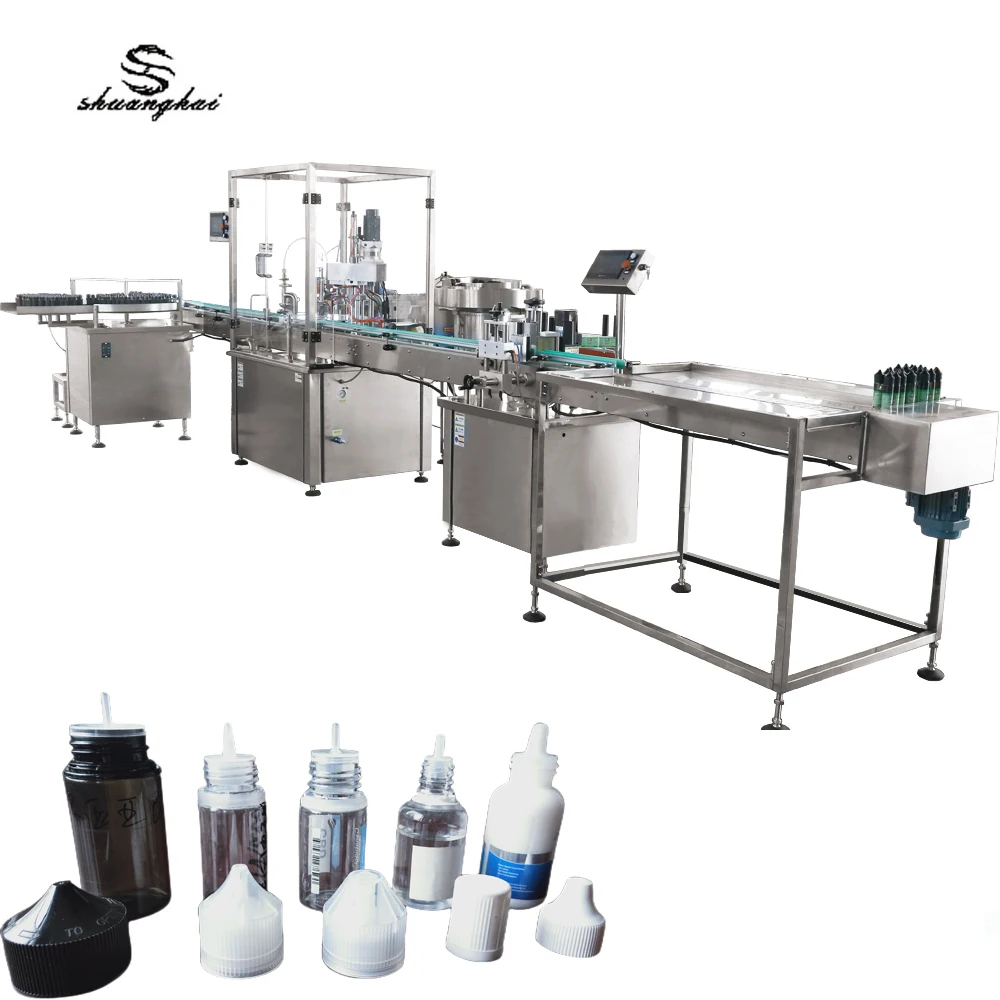
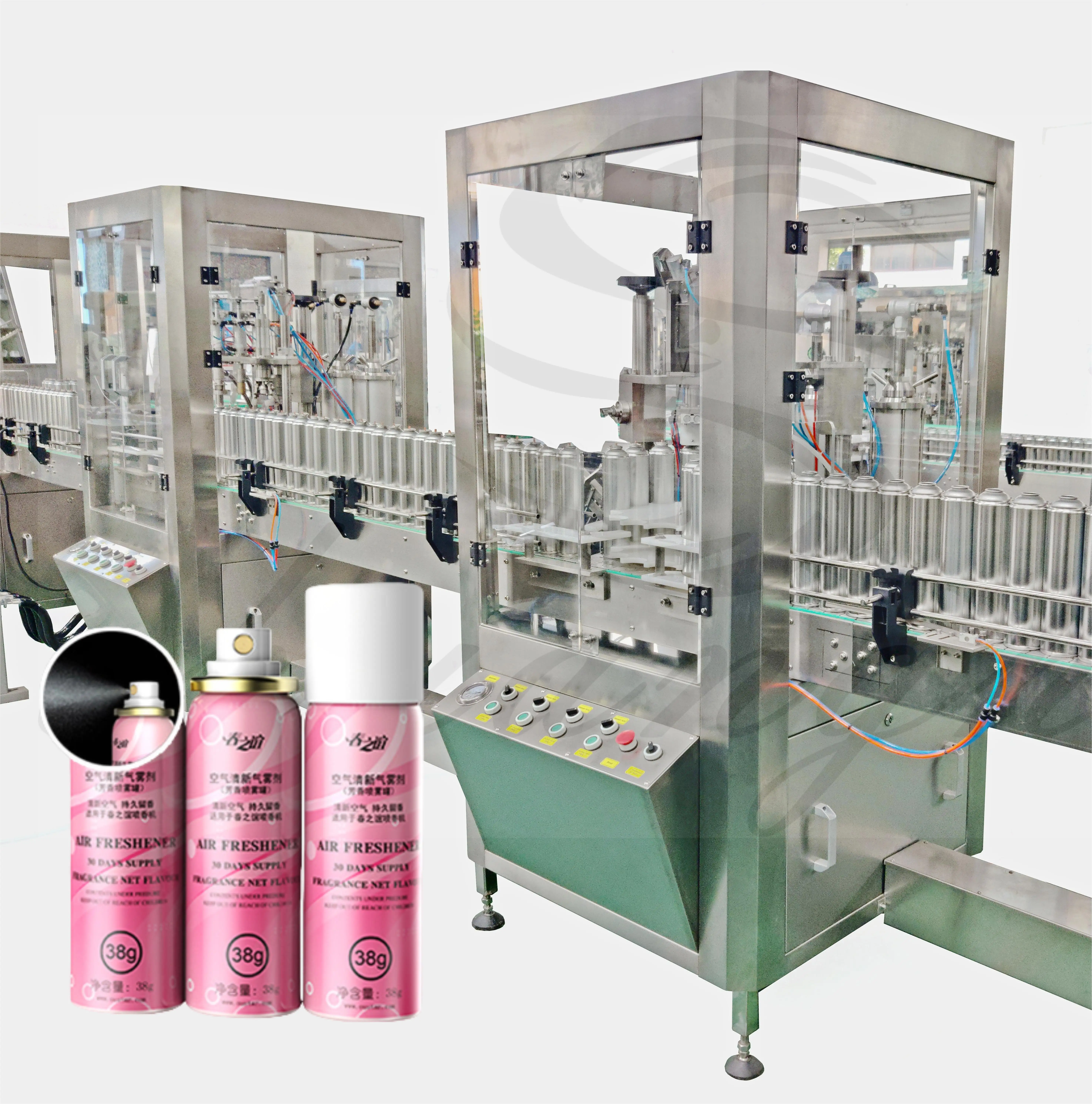
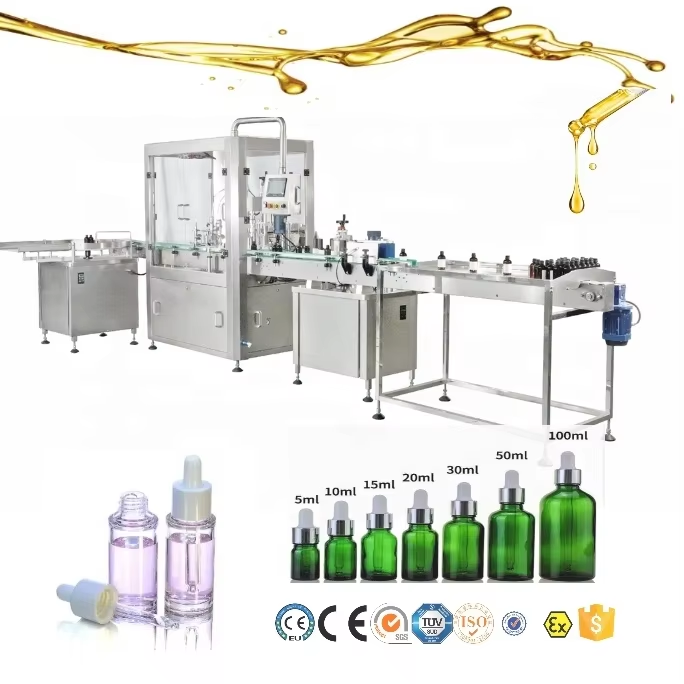
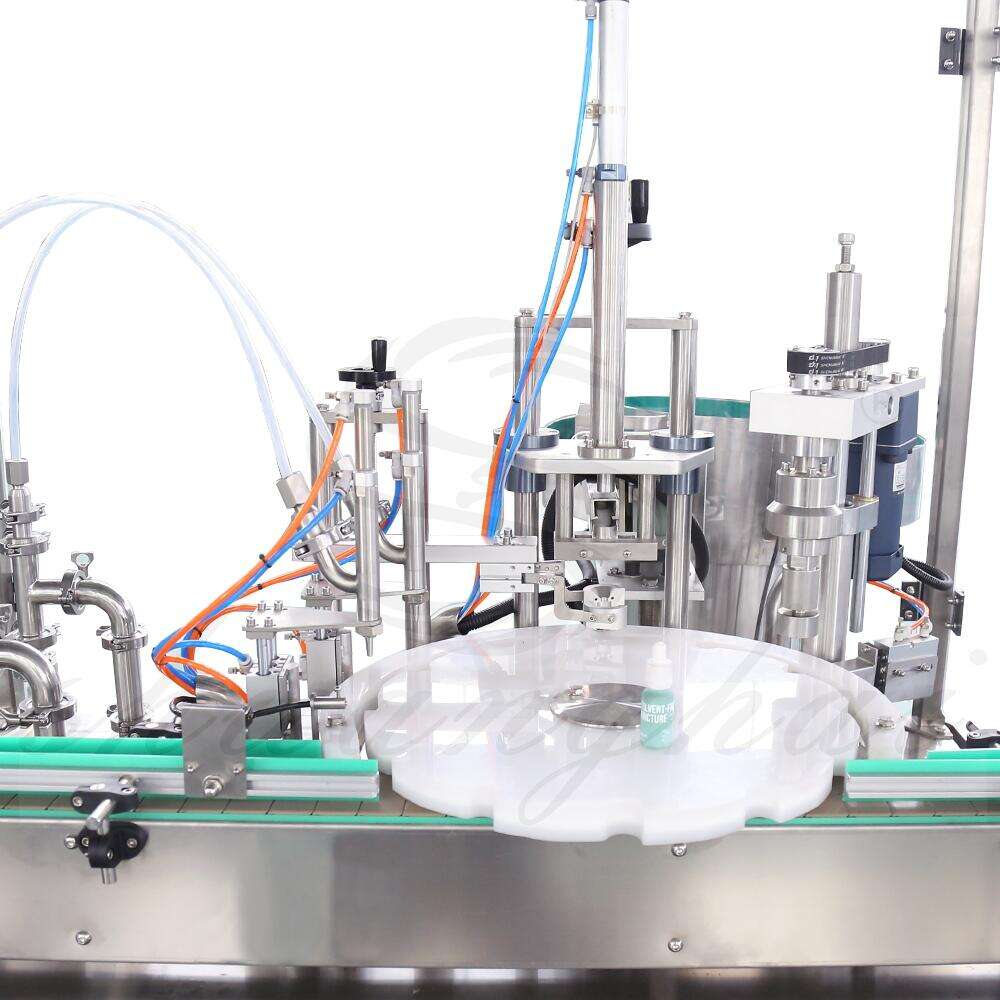
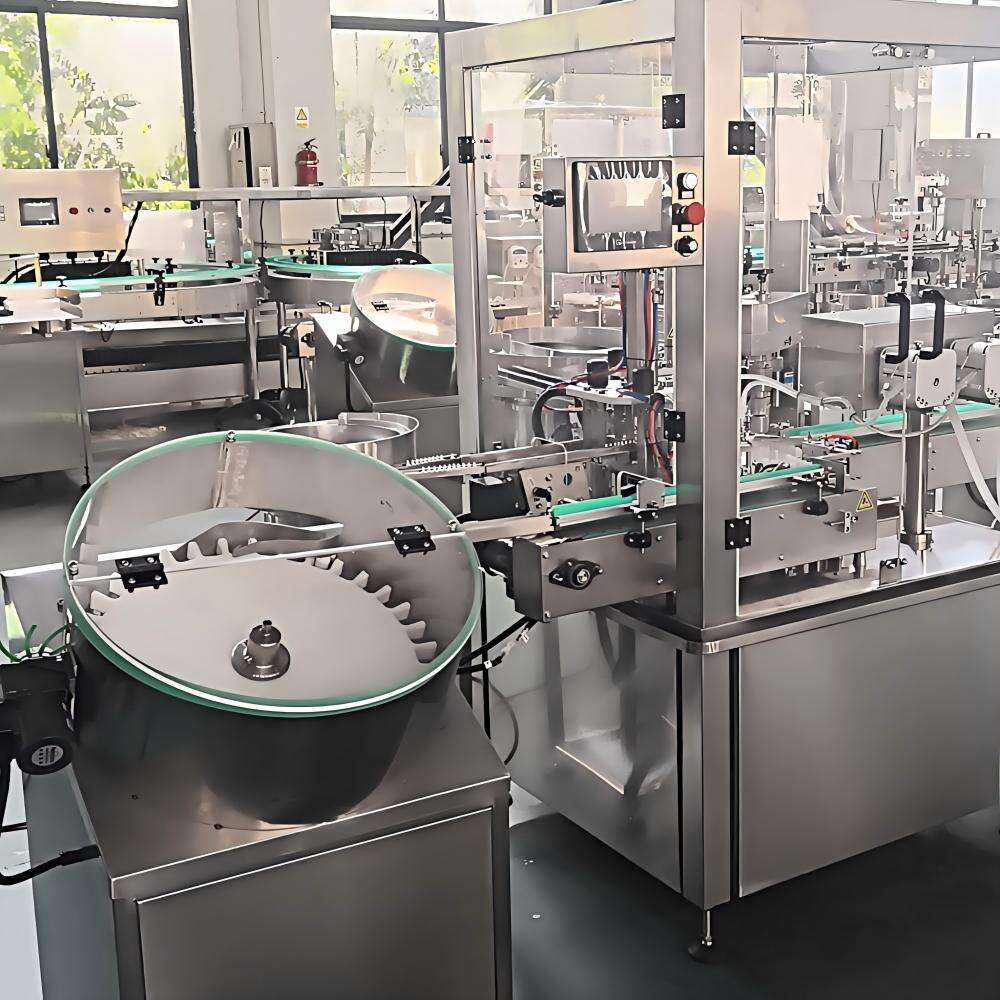
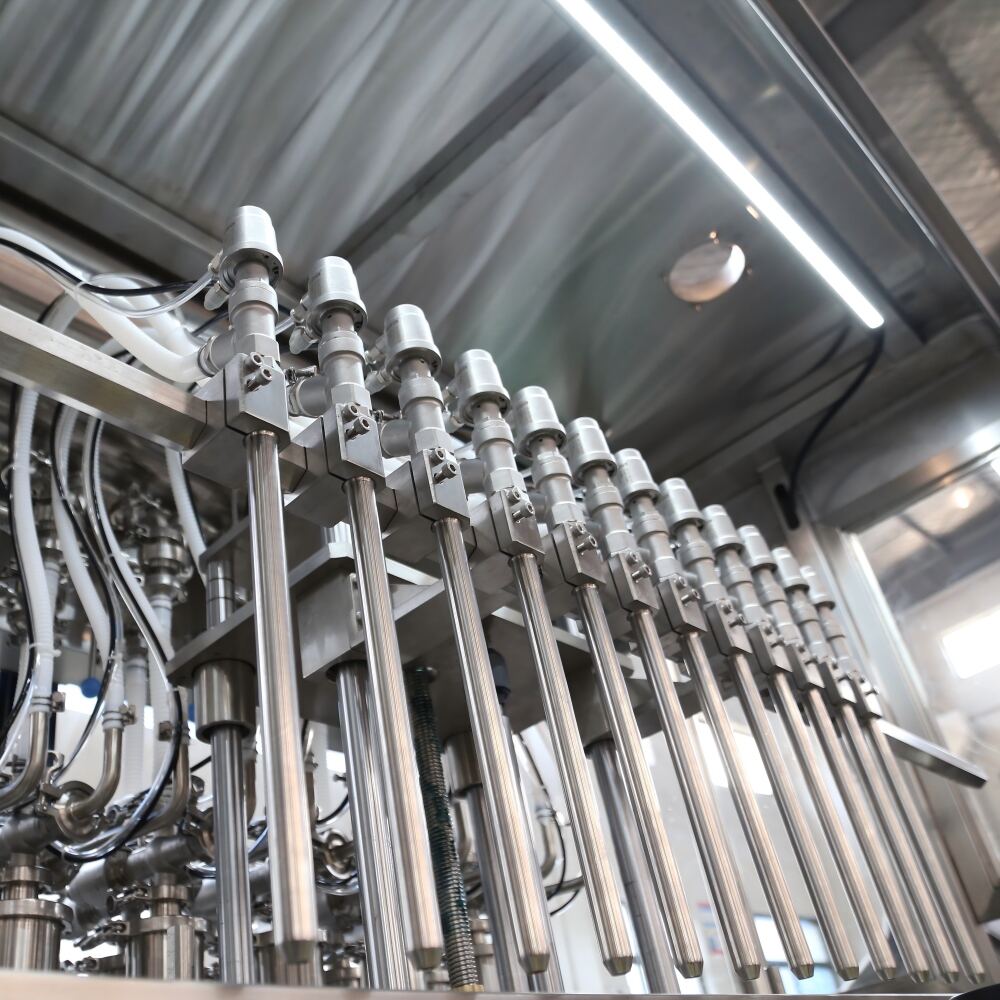
Piston filler price considerations encompass a comprehensive range of factors that reflect the sophisticated engineering and versatility of these essential filling machines. Modern piston fillers represent a significant investment in production efficiency, typically ranging from $5,000 for basic models to $50,000 for advanced automated systems. These machines utilize precision-engineered pistons to deliver accurate volumetric dispensing across various viscosities, making them ideal for industries from food processing to pharmaceutical manufacturing. The price structure generally correlates with features such as filling accuracy (typically ±0.5% to ±0.1%), production speed capabilities (from 20 to 200 fills per minute), and material construction quality (316L stainless steel being standard for food-grade applications). Additional factors influencing price include automation level, cleaning systems (CIP/SIP compatibility), and control interfaces, from basic PLC systems to advanced touchscreen HMIs with recipe management. Manufacturers must consider their specific production requirements, product characteristics, and long-term scalability needs when evaluating piston filler investments.

New Products

The investment in piston filler technology offers numerous compelling advantages that justify their price point in modern production environments. First, these systems deliver exceptional accuracy and consistency in filling operations, reducing product waste and ensuring compliance with regulatory requirements. The versatility of piston fillers allows them to handle products ranging from water-thin liquids to highly viscous pastes, eliminating the need for multiple specialized filling machines. This adaptability translates to significant cost savings over time. The robust construction and minimal maintenance requirements of quality piston fillers result in lower long-term operational costs and reduced downtime. Advanced models feature quick-change components and tool-less adjustments, enabling rapid product changeovers and reducing production delays. The scalability of modern piston fillers allows businesses to increase production capacity without requiring complete system replacement. Integration capabilities with existing production lines and Industry 4.0 technologies enhance overall facility efficiency. Furthermore, the precision control systems in contemporary piston fillers enable detailed production data tracking and quality assurance documentation, essential for regulated industries. The superior sanitary design of high-end models simplifies cleaning procedures and ensures product safety, while their energy-efficient operation contributes to reduced utility costs. When considering total cost of ownership, piston fillers often prove to be highly cost-effective solutions for medium to large-scale production operations.

Tips And Tricks

Why Choose a Dropper Bottle Filler for Liquid Products?

14

Oct

Why Choose a Dropper Bottle Filler for Liquid Products?

Streamlining Liquid Product Manufacturing with Advanced Filling Solutions In the ever-evolving landscape of liquid product manufacturing, efficiency and precision have become paramount. A dropper bottle filler represents the pinnacle of modern fillin...
View More
How Does an Automatic Sauce Filling Line Ensure Food Safety?

14

Oct

How Does an Automatic Sauce Filling Line Ensure Food Safety?

Modern Solutions for Safe Sauce Production and Packaging The evolution of food manufacturing has brought unprecedented advances in safety and efficiency, with the automatic sauce filling line standing at the forefront of this technological revolution...
View More
What Are the Key Advantages of Using a Filling Machine in Production?

31

Oct

What Are the Key Advantages of Using a Filling Machine in Production?

Transforming Production Efficiency Through Automated Filling Solutions Modern manufacturing facilities are constantly seeking ways to streamline their operations and maximize productivity. At the heart of many successful production lines lies the fil...
View More
How Does a Sauce Filling Machine Support Growing Market Demands?

31

Oct

How Does a Sauce Filling Machine Support Growing Market Demands?

Revolutionizing Food Production Through Automated Sauce Processing The food industry continues to evolve at an unprecedented pace, with sauce manufacturing playing a pivotal role in meeting consumer demands. At the heart of this evolution lies the sa...
View More

Get a Free Quote

Our representative will contact you soon.
Email
Name
Company Name
Message
0/1000

piston filler price

Customizable Automation Options and Price Tiers

Customizable Automation Options and Price Tiers

Modern piston filler systems offer varying levels of automation to match specific production requirements and budget constraints. Entry-level semi-automatic systems, typically priced between $5,000 and $15,000, provide basic filling functionality with manual container positioning and cycle initiation. Mid-range systems, priced from $15,000 to $30,000, incorporate automated container handling and basic production line integration capabilities. Premium automated systems, ranging from $30,000 to $50,000, feature advanced automation with full production line integration, automatic cleaning systems, and sophisticated control interfaces. This tiered pricing structure enables businesses to select the appropriate level of automation while maintaining the option to upgrade as production demands increase.

Advanced Materials and Construction Quality Impact on Price

Advanced Materials and Construction Quality Impact on Price

The construction quality and materials used in piston fillers significantly influence their price point and long-term value. Premium models utilizing 316L stainless steel construction with electropolished surfaces command higher prices but offer superior corrosion resistance and product safety. High-precision components manufactured to strict tolerances ensure accurate filling performance and extended service life. The integration of specialized seals and gaskets compatible with aggressive products or high-temperature applications adds to the initial cost but reduces maintenance requirements and potential contamination risks. These material choices directly impact the machine's durability, cleaning efficiency, and regulatory compliance capabilities.
ROI Considerations in Piston Filler Pricing

ROI Considerations in Piston Filler Pricing

When evaluating piston filler prices, return on investment (ROI) calculations must consider multiple factors beyond the initial purchase cost. High-efficiency models may command premium prices but deliver superior cost savings through reduced product waste, typically achieving accuracy levels of ±0.1%. Labor cost reductions through automated operation and quick changeover capabilities contribute to faster ROI achievement. Energy-efficient designs and reduced maintenance requirements lower operational costs over the equipment's lifetime. Advanced models with comprehensive data collection and analysis capabilities enable production optimization and quality control improvements, further enhancing long-term value. The ability to handle multiple product types with minimal reconfiguration reduces the need for additional equipment investments.

Get a Free Quote

Our representative will contact you soon.
Email
Name
Company Name
Message
0/1000